Firmware & tuning
Mining news and original analysis with dated primary sources.

Bitcoin Core privacy backport gains review but awaits merge
An October 9 review acknowledges Bitcoin Core’s private-broadcast patch for 31.x. The proposal remains open at verification; an approved review, a merged change and a downloadable stable release are separate milestones.
Core Lightning 26.06.9 fixes payment-node security and traffic delays
The October 7 release repairs the 26.06.8 gossip regression, strengthens channel and API safeguards, and adds signed ARM builds. Maintainers recommend upgrading promptly.

Bitcoin Core merges macOS fix for bitcoin-cli unlimited-timeout connections
PR #36340 was merged on October 7. It bounds the underlying socket wait used by -rpcclienttimeout=0; inclusion in a downloadable release or backport must be checked separately.
HashSmash opens AI cryptanalysis competition targeting SHA-256 and other hashes
Eigen Labs and Shielded Labs launched the public Yukon challenge on October 5. The contest studies SHA-256, SHA-3, BLAKE3 and Poseidon; its launch is not evidence that Bitcoin’s hashing has been broken.
Braiins Price Adapt early access ends September 30: what automated power targeting actually changes
Braiins says Price Adapt can adjust each supported miner to a profitable power target or curtail it when expected revenue no longer covers electricity. Free early access runs through September 30, while published gains are modelled results that operators should validate against their own tariff, fleet and pool data.
Luxor Commander adds LuxOS installation support for Bitmain HBH1500 hashboards
Luxor’s September 22 product changelog says Commander can now install LuxOS on Bitmain HBH1500 hashboards. The note expands a deployment tool, but does not by itself prove support for every miner, control board or firmware image that may contain a similarly named board.
Braiins OS 26.09.1 fixes a T5 sensor fault that paused Antminer S19 and S21 mining
Braiins released OS 26.09.1 for Antminer S19 and S21 machines after some miners upgraded to 26.09 encountered T5 temperature-sensor errors and stopped hashing for 60 seconds. The patch is narrow, but operators should still stage it, verify compatibility and compare pool-side results.
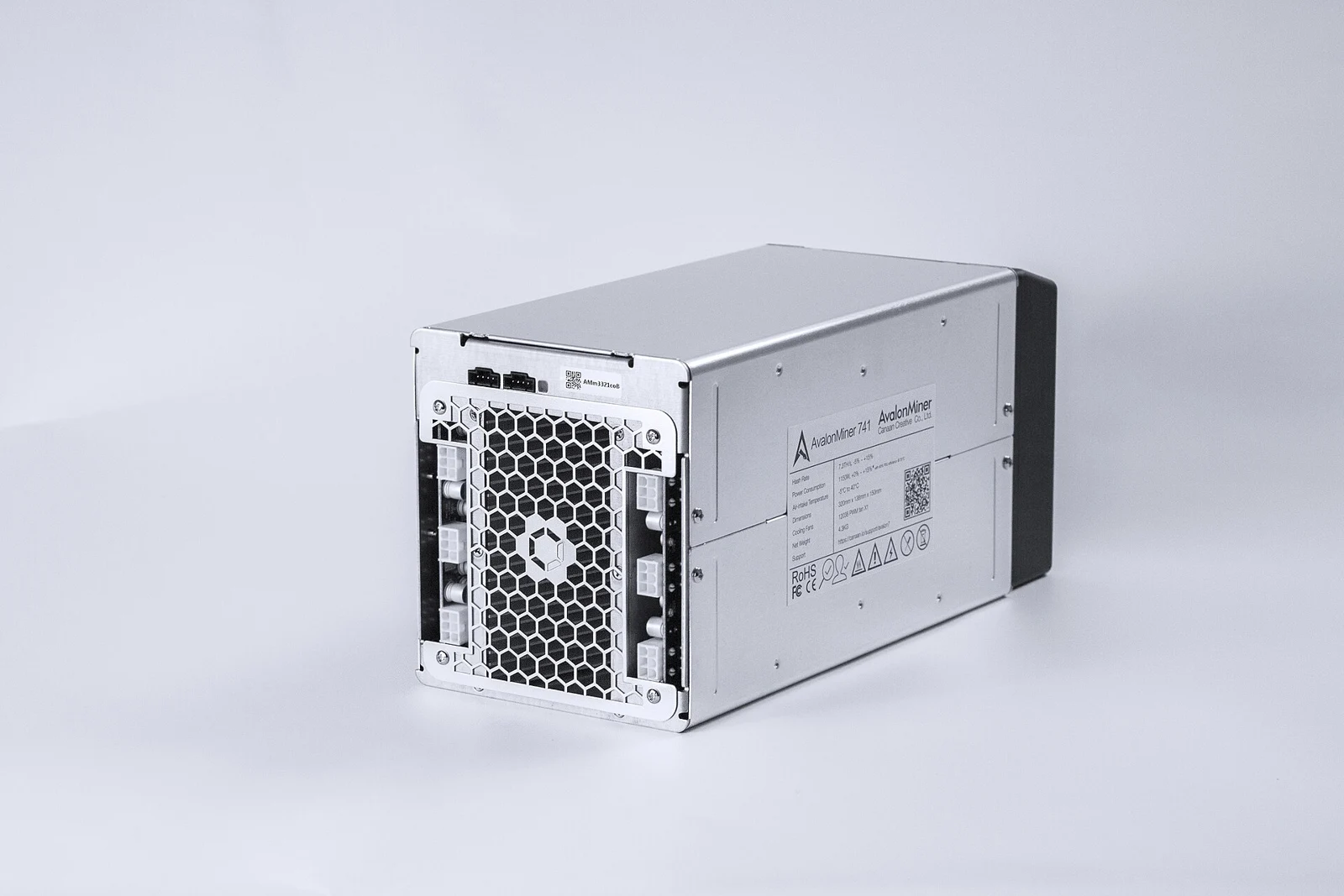
K1Pool and GMiner release SHA-256 ASIC firmware 1.30 with hot-chip frequency control
K1Pool lists GMiner firmware 1.30 as the latest release. It can automatically lower frequency on hot BM1368 chips, expands chip and hardware-error visibility, adds temperature sorting and moves less-used controls into advanced panels. Operators should test claims on their own hardware.

Open-source audit finds a fixed hashrate offset in Bitfortun BS-1 firmware
A public-code review found Bitfortun BS-1 display paths adding 400 GH/s to measured hashrate and a separate 0.4 TH/s offset in one-minute history. The main API value was reportedly unchanged, so owners can compare pool-side and API measurements with the screen.
Hammer Miner publishes official DC06 firmware V3.0.0-20260916 for download
The official Hammer Miner GitHub repository published the first DC06 firmware release on September 18. We verified the 3,280,945-byte file and SHA-256 digest, archived an exact local copy and explain the safe checks operators should complete before updating.
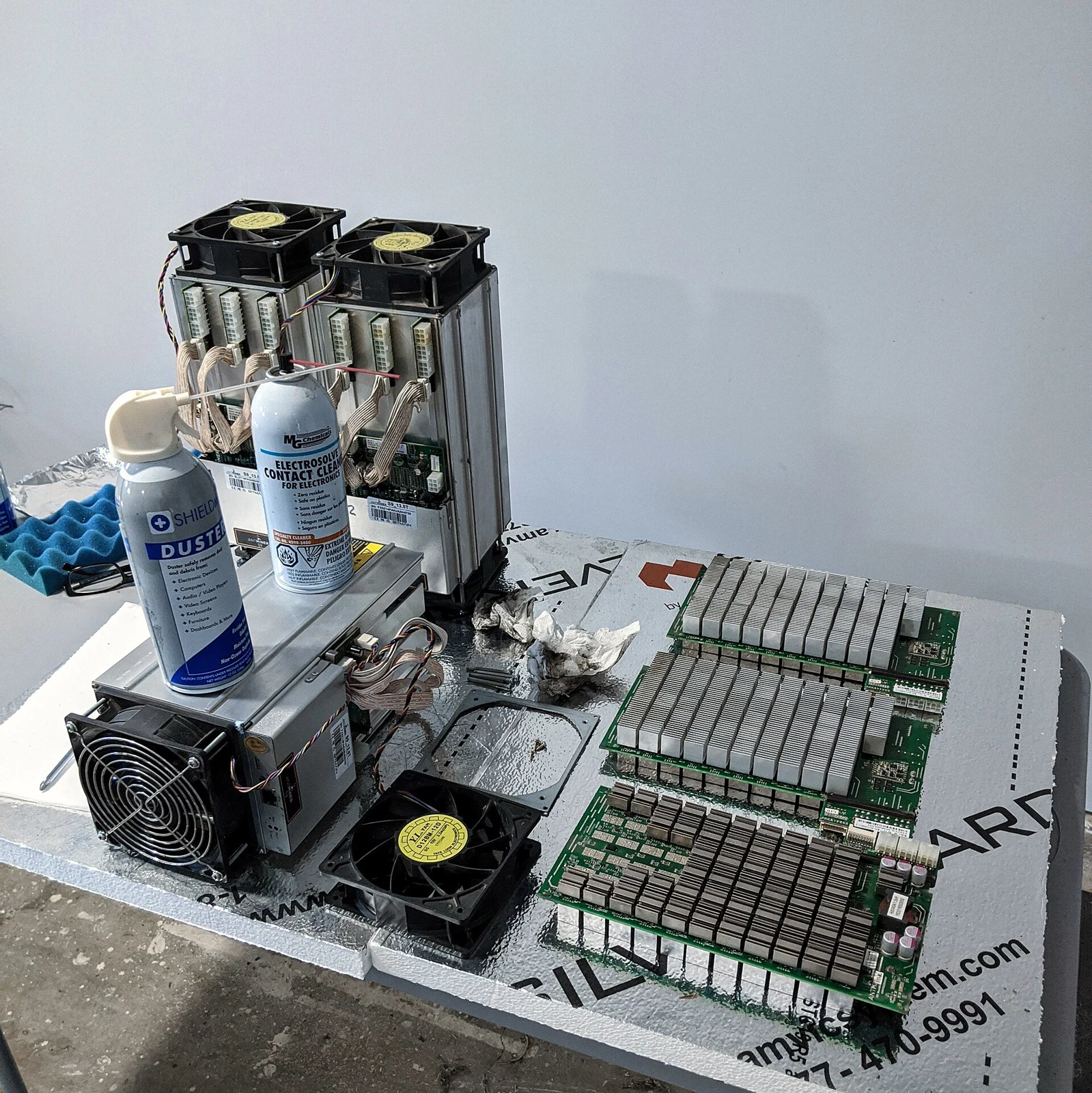
LuxOS update adds S21++ support and a signed OTA index
Luxor's September 21 changelog adds new S21++ and S19 XP Hydro board support, Ed25519 verification for OTA indexes and fixes for nonce attribution, curtailment metrics and power targeting.
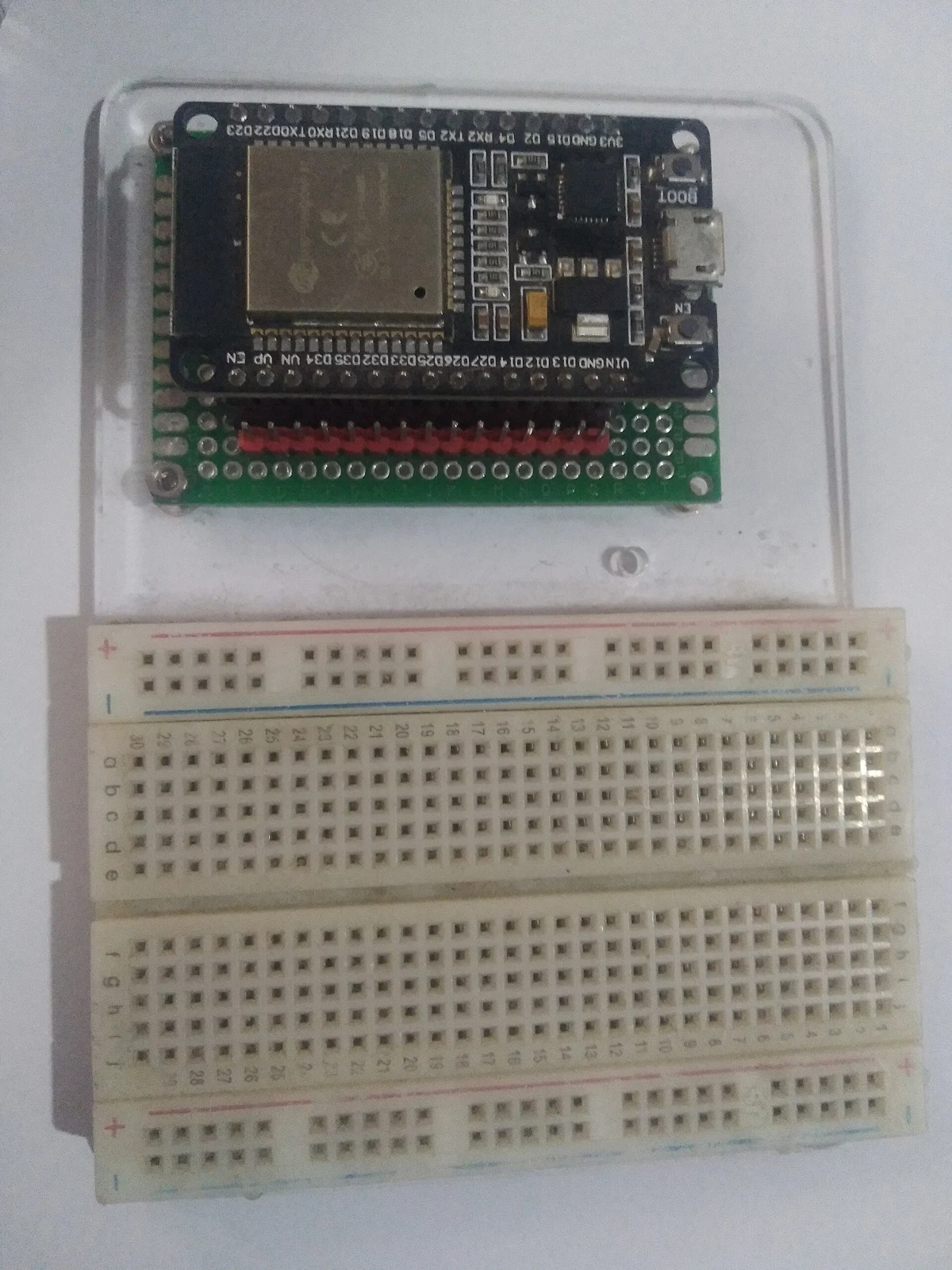
NMAxe v3.1.03 notes add Nexus board support and recovery safeguards
The NMAxe repository lists v3.1.03 with NMQAxe++ Nexus support, board auto-detection and HCN recovery. Operators should verify model-specific release assets before flashing.