Firominer 1.4.0 restores AMD support and adds verifiable packages
Source report: 2026-09-18 · Editorial analysis published: 2026-09-19
Firo’s open-source FiroPoW miner now targets current NVIDIA and AMD GPUs, with no developer fee and solo-mining support.
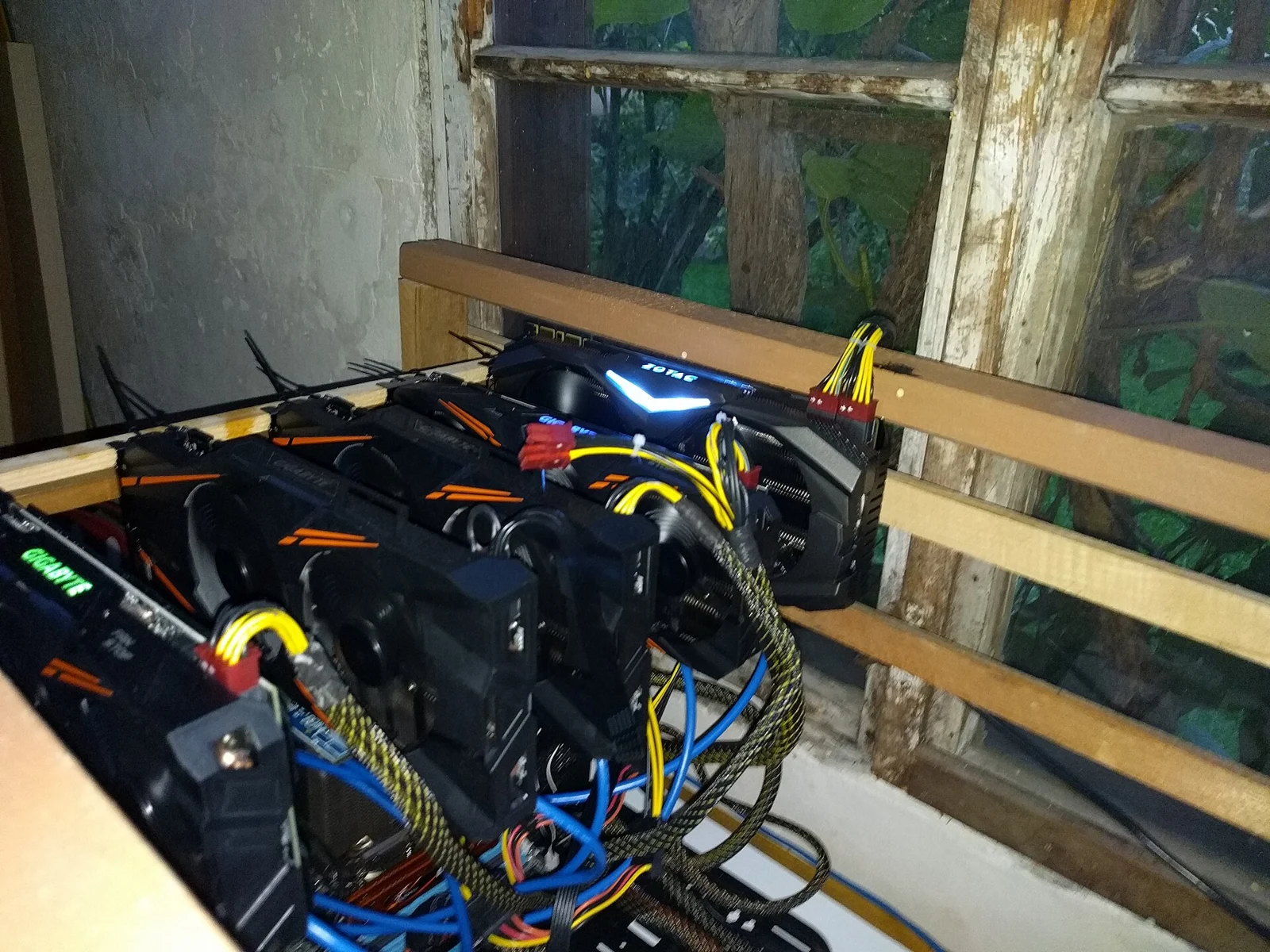
Analysis and practical implications
This section is our analysis and illustrative calculations, separate from the source report.
Release overview
Firo released Firominer 1.4.0 on 18 September 2026 as an updated open-source reference miner for the FiroPoW algorithm. Official packages cover NVIDIA through CUDA and AMD through OpenCL on Windows and Linux. The project says its own tests and community reports put performance within roughly one percent of popular closed-source alternatives. That figure is a developer claim, not an independent asic.tools benchmark, and will vary by card, driver, clocks and pool. The software carries no developer fee and is published under GPL-3.0.
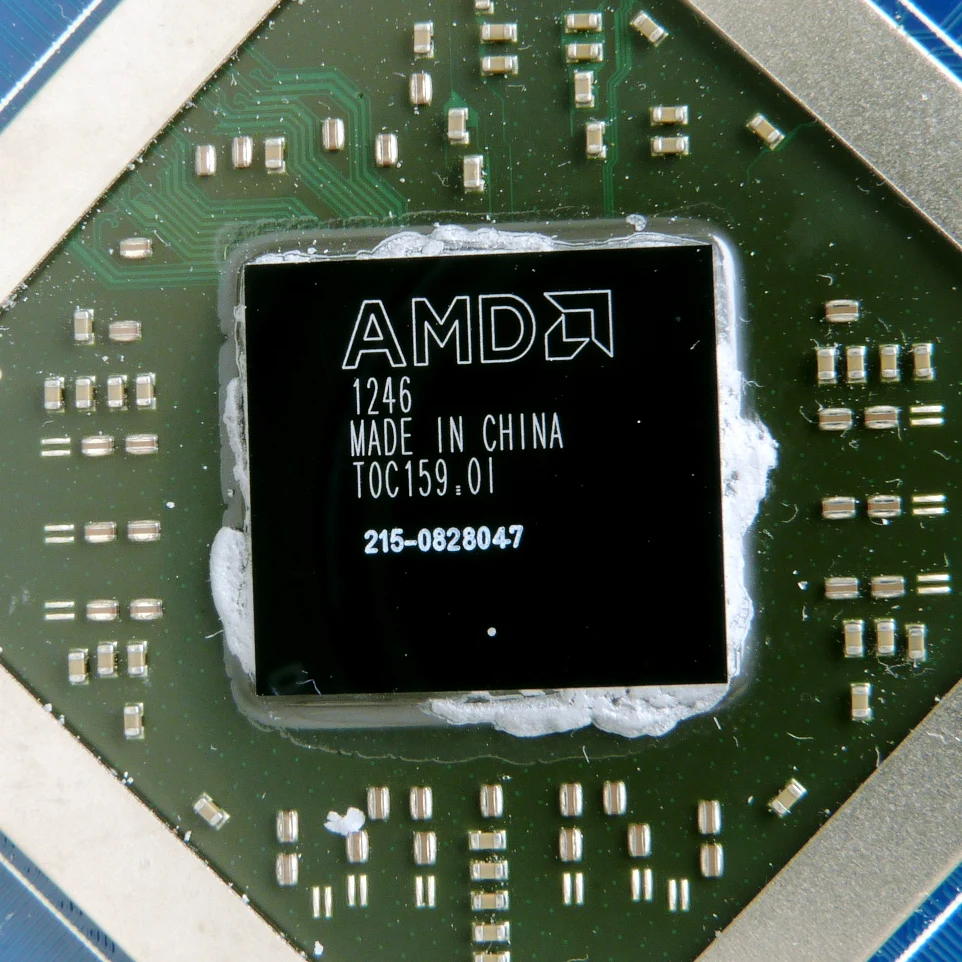
AMD and current GPU support
Version 1.4.0 brings back an AMD package after the project reworked its OpenCL path. On NVIDIA, the release is built with CUDA 12.9 Update 2 and includes runtime libraries, while the announcement says older Maxwell, Pascal and Volta cards can still operate with R575 or R580 drivers. Device detection was revised for current Windows drivers and for more Linux OpenCL runtimes, including Mesa Rusticl. Miners should still read the asset names carefully: CUDA and OpenCL archives are separate, and operating-system architecture must match.
Pool and solo mining
The update hardens Stratum and getwork handling, reconnection and device recovery. It can mine through a pool or connect directly to a user-operated Firo node for solo mining, with mainnet, testnet, devnet and regtest selections. Solo mode removes the pool from the block-building path, but it does not make rewards regular: variance can be extreme for a small rig. A fair comparison should include pool fee, miner developer fee, rejected shares, downtime and payout variance rather than comparing only headline hashrate.
Verify before running
Mining binaries run continuously with access to valuable hardware, so provenance matters. Download from the release page linked by Firo, select the correct platform archive, and verify it against the combined SHA256SUMS.txt published with the release. Keep the checksum file and exact version in the rig log. Do not disable endpoint protection merely because an archive is a miner; instead validate the signature or hash, scan it, and isolate the mining host from wallets and personal data. Open source improves auditability, but a prebuilt binary still deserves normal supply-chain checks.
Benchmark method
Test one GPU model at a time with fixed clocks, power limit, driver, pool and duration. Record accepted hashrate at the pool, wall power, rejected shares, crashes and total payout credited after fees. Warm the card first and run long enough to include reconnections. Compare Firominer with the previous miner on the same rig and day where possible. The project’s “within roughly 1%” statement is a useful hypothesis; it is not a substitute for measuring your exact hardware. Efficiency in hashes per watt can matter more than a small raw-hashrate difference.
Who should evaluate it
Firo miners paying a developer fee, operators who want an auditable codebase, AMD owners waiting for maintained OpenCL support, and solo miners running their own node have clear reasons to evaluate 1.4.0. Migration should still be staged: preserve the old executable and command line, test one rig, compare accepted work and power, then expand. Profitability also depends on coin price, network difficulty, electricity and resale value; a software release changes only part of that equation. The official announcement and its linked release files should be rechecked for later notices before deployment.
Source: Firo ↗
Mining calculator ↗