DOE backs PJM reforms to make large loads fund new power
Source report: 2026-10-09 · Editorial analysis published: 2026-10-11
DOE’s October 9 position supports allocating new generation and infrastructure costs to large electricity users. This is a regulatory position and proposed reform, rather than an already effective tariff for every data center.
Analysis and practical implications
This section is our analysis and illustrative calculations, separate from the source report.
The new position and its actual scope
On October 9, the U.S. Department of Energy supported FERC guidance on PJM’s proposed Reliability Backstop Procurement. DOE filed an intervention and position statement and urged revised tariff provisions. Its stated priorities include transparent demand estimates, protecting existing customers from cost shifts, and letting large loads build, bring or buy the capacity needed to serve them. The announcement records a policy position; it does not supply a completed interconnection or a universal electricity price.
For mining operators, the useful question is how a proposed site will pay for reliable access to electricity over its own operating horizon. A cheap energy quotation can describe only one component of that obligation. Our analysis separates the newly reported policy position from the commercial questions an operator must resolve with its suppliers. No site-specific cost, firm-capacity entitlement or implementation date is inferred from the department’s short announcement.
A contract needs several electrical boundaries
An ASIC purchase list describes device demand, while a site connection must also cover the chosen cooling and auxiliary systems. The maximum planned demand, the actual metered profile and the dependable supply commitment are separate entries in a project budget. They can differ substantially without making any one entry false. Write down the measurement point and operating conditions before using a megawatt figure to size equipment or assess a tariff proposal.
Consider an independent illustration: 1,000 hypothetical miners rated at 3.5 kW would have 3.5 MW of device demand at full load. If separately powered site systems drew another 0.3 MW at that same moment, the combined demand would be 3.8 MW. These assumed values are not specifications of a PJM facility or a result reported by DOE. They show why a device inventory alone cannot establish the incoming electrical capacity a farm needs.
Energy charges and capacity obligations differ
Kilowatt-hours measure consumption over time. A capacity commitment concerns the ability to serve demand under specified conditions. A contract can therefore attach costs to readiness or reserved service as well as to consumed energy. An operator comparing sites should identify exactly which obligations a quoted rate includes. Treating every charge as a flat energy rate can hide a commitment that remains payable during low utilization, curtailed operation or delayed commissioning.
For a second independent calculation, a constant 1 MW load running for 24 hours uses 24 MWh, or 24,000 kWh. At a hypothetical energy price of $0.05 per kWh, that energy component would cost $1,200 for the day. The figure excludes any demand, capacity, network, tax or fixed-service charges. It is arithmetic for a stated assumption, not a PJM market quote or a prediction of what the proposed reforms will cost a mining farm.
Accurate demand information matters before energization
A development pipeline can contain alternative sites, phased projects and applications that are not all expected to operate simultaneously. For a developer’s own planning, a demand schedule should identify the load at each stage and the evidence supporting that stage. A forecast should not silently become a statement of operating consumption. This helps the operator compare its equipment-delivery plan with the supply commitments that would actually be available at each handover.
A useful project record lists the proposed first operating date, initial load, later expansions and the conditions on each supply arrangement. It also records who owns a change if a tenant, construction milestone or equipment shipment is delayed. These are editorial planning questions, not additional provisions attributed to DOE. They connect demand transparency to a concrete farm decision: whether the planned hardware can be commissioned under the supply service the owner has actually secured.
Flexible mining is a commercial capability to document
A mining farm may be able to reduce load, but that ability should be measured and matched to the applicable agreement. Record the controllable demand, the time needed to change it, the permitted duration and the process for restoration. Do not assume that the mere presence of ASICs automatically qualifies a site for a programme or satisfies a new capacity requirement. Flexibility has value only under terms that describe how it can be called and verified.
For example, compare a hypothetical full-load operating case with a case that pauses device hashing for two hours. Keep fixed charges, cooling behaviour and restart losses separate from the reduction in device energy. The owner can then see which costs truly change when work stops. This comparison does not establish a payment, exemption or tariff credit under the announced reforms. Eligibility and compensation would require the relevant published rules and the operator’s signed terms.
A proposed rule is not a finished power project
The department’s support should not be reported as proof that every large customer already faces a new binding charge. A regulatory position, revised tariff text, an approved service agreement and a commissioned supply asset are different kinds of evidence. Preserve those labels when following later announcements. The new statement can be relevant to a development decision without guaranteeing that generation or network work has been delivered for a particular customer.
For a farm expansion, keep equipment deposits and electrical commitments in separate approval stages. An anticipated reform can change a planning scenario, but it cannot substitute for the documents that establish the site’s access rights. The analysis here does not predict the outcome of a regulatory proceeding. It explains why the owner should revisit the full cost boundary when an energy-only offer is compared with a proposal that also assigns infrastructure responsibility.
What to enter in a mining budget
The operating model should retain accepted hashrate, device energy, additional site energy and every known fixed or conditional charge. Unknown supply obligations should remain explicitly unknown rather than being entered as zero. A calculator can still show a provisional scenario if its assumptions are visible. That is more useful than presenting a precise profit number while an unresolved connection or capacity payment is outside the model.
When comparing two configurations, hold the revenue assumption and operating interval constant before changing electrical efficiency. Then add the site-specific charges separately. This makes it possible to distinguish a hardware improvement from a different supply contract. A new ASIC’s efficiency may reduce device consumption, but it does not by itself cancel a reserved-capacity obligation. The announced policy concerns allocation of supply costs, not a manufacturer’s measured hashrate or firmware performance.
Evidence to watch next
Follow-up reporting should look for the actual revised tariff language, effective dates and the scope of any customer classifications. Project-specific supply and interconnection documents will remain necessary to understand a named site. An announcement that a customer plans to bring capacity should not be counted as completed generation until later evidence establishes delivery. The same discipline prevents an industry-wide policy discussion from becoming an invented operating milestone.
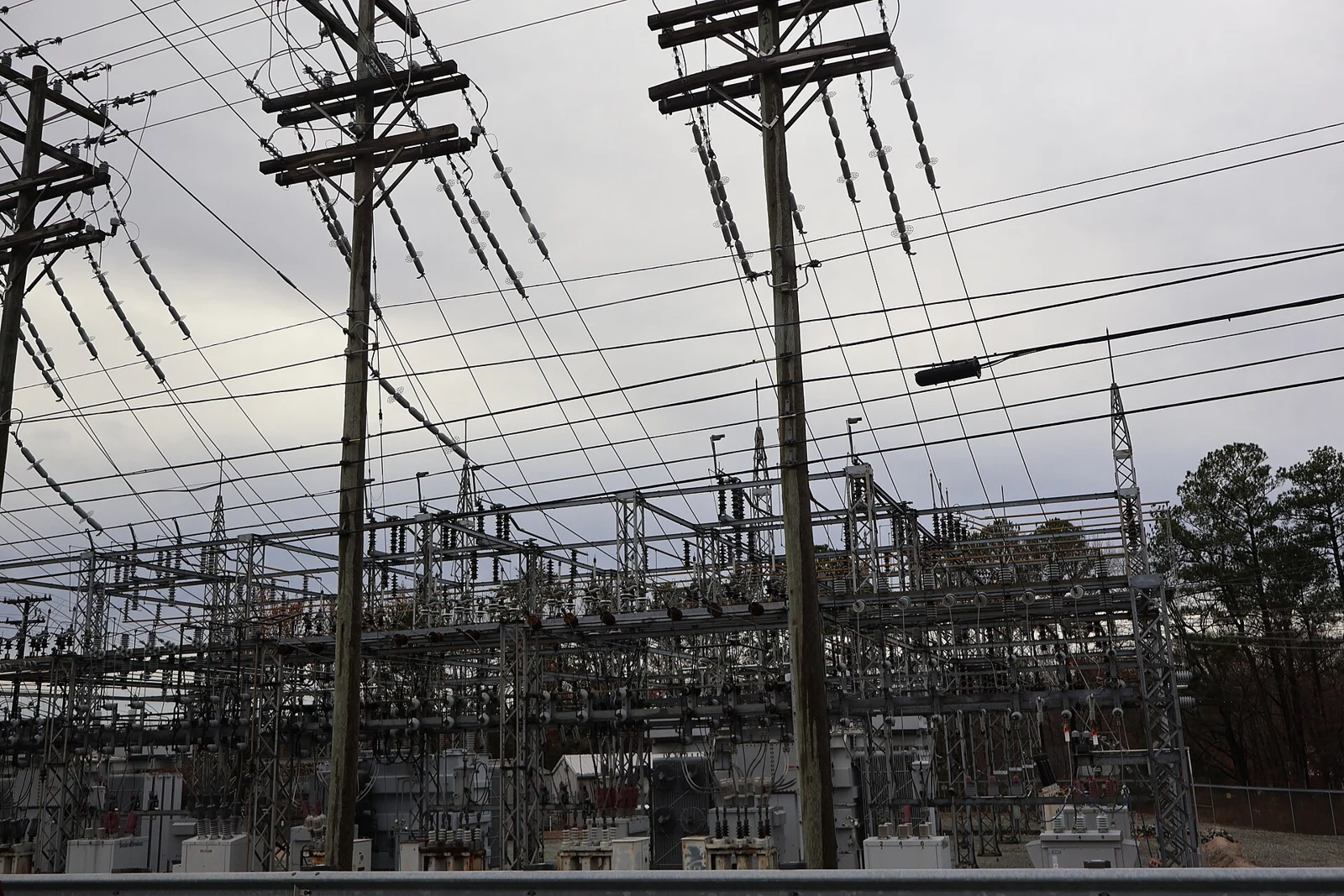
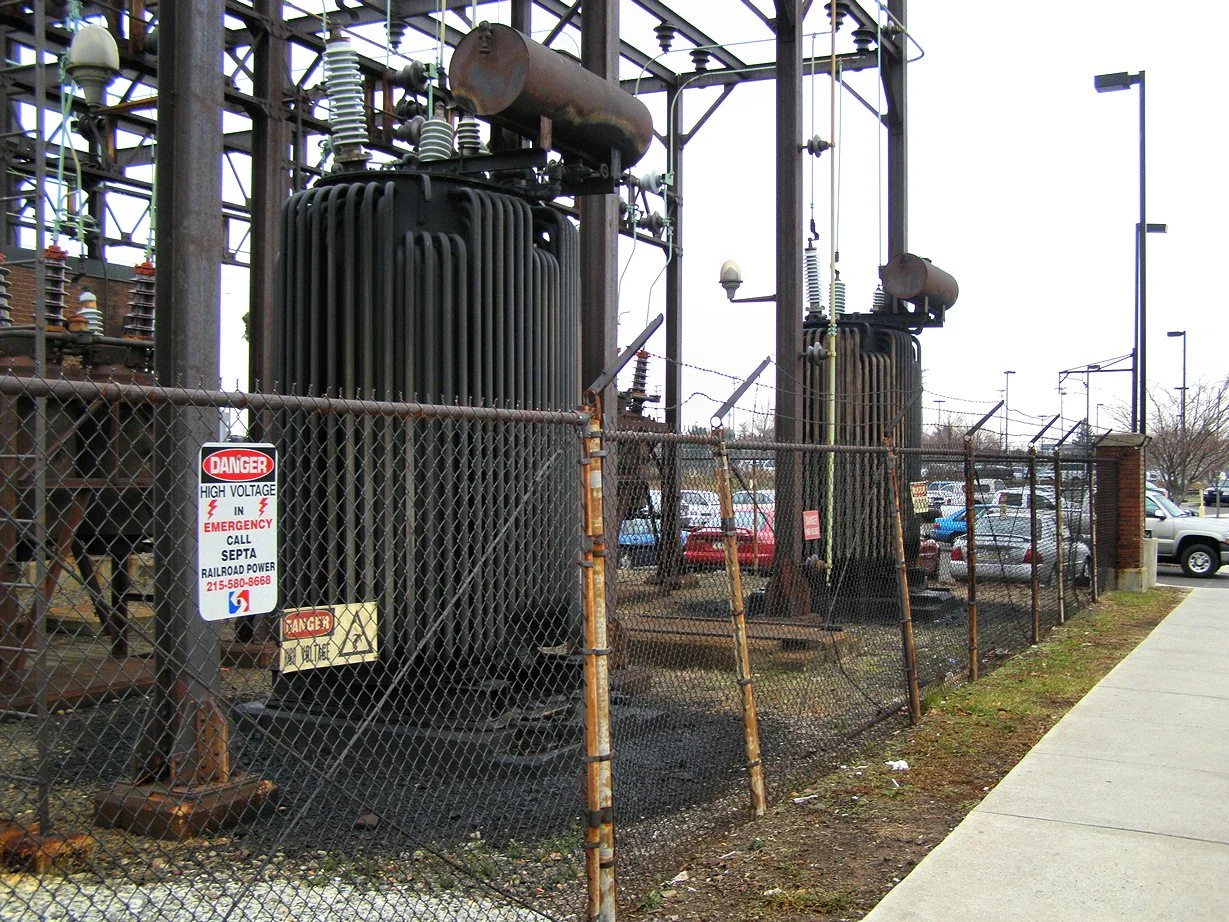
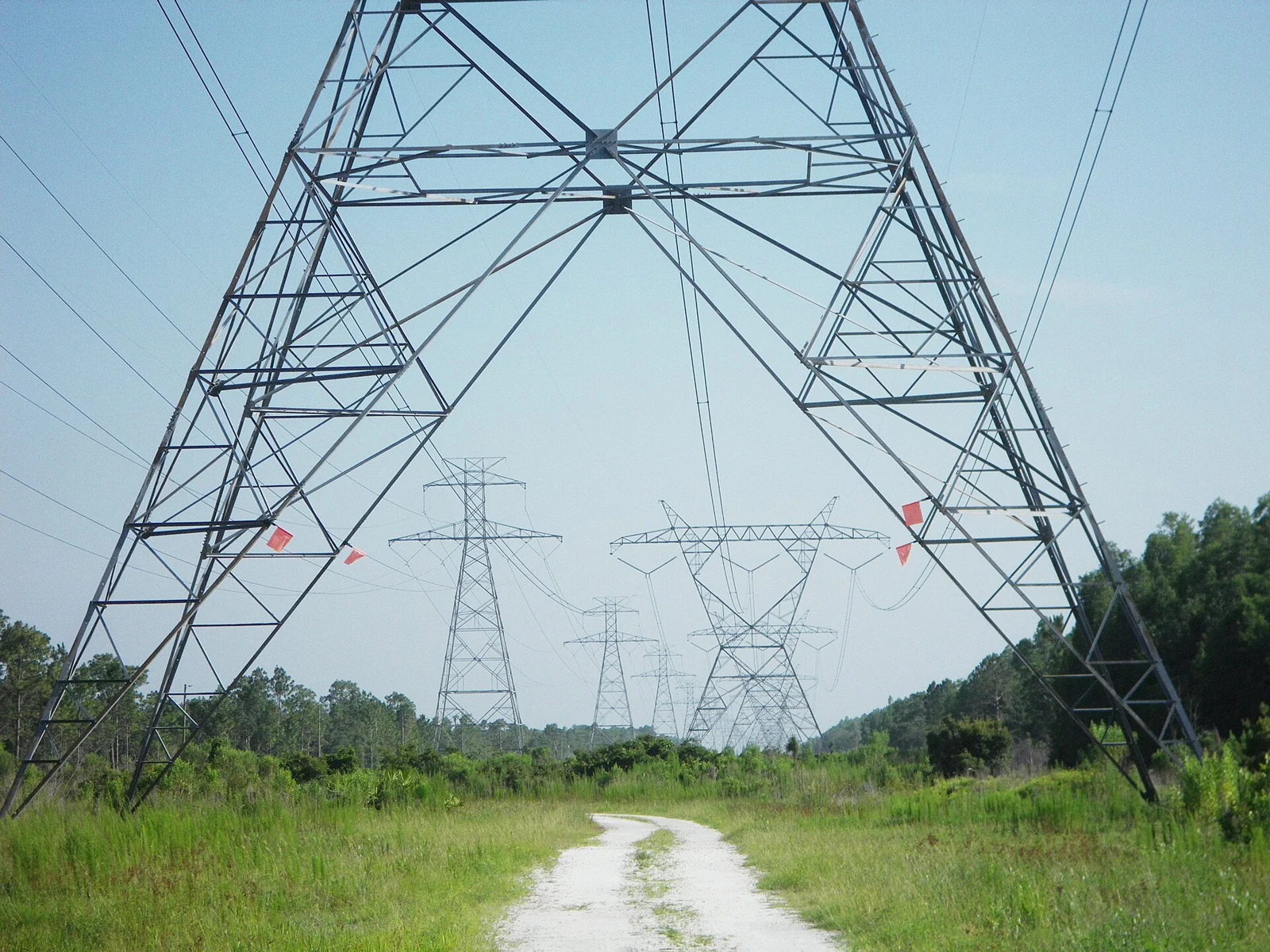
The two licensed archival photographs illustrate electrical networks; they do not show work undertaken because of the October statement. Our source link points to DOE’s own publication, and the numerical scenarios are independent editorial examples. The confirmed update is government support for a proposed approach to large-load costs. The effect on an individual mining installation remains dependent on the applicable rules, service terms and physical project.
Source: U.S. Department of Energy ↗
Mining calculator ↗