Duke Energy proposes broader cost protections for North Carolina large loads
Source report: 2026-10-07 · Editorial analysis published: 2026-10-09
The October 7 settlement would extend protections to qualifying 50 MW loads. Regulatory approval is pending; upfront connection costs and energy charges need separate planning.
Analysis and practical implications
This section is our analysis and illustrative calculations, separate from the source report.
A settlement awaiting a regulatory decision
Duke Energy announced a North Carolina large-load settlement on October 7, 2026. Duke Energy Carolinas, Duke Energy Progress, North Carolina Public Staff and other participants agreed on proposed protections for existing customers. The release says the North Carolina Utilities Commission must approve the agreement and that a decision is expected by mid-November. An announced settlement is therefore not the same as a final regulatory approval, and the expected decision timing is not a guaranteed outcome.
The proposal matters to mining and computing operators because electrical infrastructure costs can shape a project before the first server or ASIC runs. A low energy price alone does not define the full cost of establishing a large facility. This article separates the reported proposal from our practical analysis of connection costs and load measurement. It does not claim that every mining farm is covered or that the announced terms already apply outside the described North Carolina service arrangements.
The proposed scope and its dates
According to the release, earlier protections covered large loads of at least 100 MW. If approved, the new agreement would apply to loads of at least 50 MW with an 80% load factor that sign an electric service agreement in North Carolina after June 1, 2026. The utility says agreements signed earlier contain similar protections. New qualifying customers would take service under a High Load Factor rate schedule. These thresholds describe the announced scope; they are not a statewide ban on data centers or a mining-specific prohibition.
For a proposed facility, the date of its service agreement and the relevant utility are part of the fact pattern. A site name or a construction announcement alone cannot establish which terms govern it. Operators should read their own service documents and the eventual regulatory decision before treating a press-release summary as a complete tariff. The summary identifies the broad change, but it does not supply every billing definition, customer classification or contractual exception needed to calculate a particular project’s obligations.
Dedicated facilities and shared upgrades
The reported settlement distinguishes nonrefundable upfront payment for facilities serving only the customer from upfront deposits and security guarantees for upgrades serving the wider network. A dedicated substation and a shared transmission improvement can therefore have different financial treatment. The release gives the categories, not a project-specific price. It does not establish the cost of connecting an unnamed mining farm, and the amounts must not be guessed from another project’s electricity demand.
In a project budget, separate money that is spent from money that is posted as security. A nonrefundable payment changes the capital cost, while a deposit may have conditions governing its release and still consume cash in the meantime. A guarantee has its own credit and contract implications. Putting all three under an undifferentiated “electricity cost” heading can make two quotations appear equivalent even though their cash requirements and allocation of construction risk differ substantially.
Load factor is not a power rating
Load factor compares average demand with the relevant maximum demand over a defined period. It does not express a device’s conversion efficiency, and 80% load factor does not mean that an ASIC converts 80% of electricity into useful work. The specific tariff determines how the quantities and period are measured. Our simplified example below explains the concept; it is not a billing calculation under the proposed settlement or a substitute for the utility’s definitions.
For illustration, suppose a facility’s maximum demand is 50 MW and its average demand across the same period is 40 MW. The ratio is 40 divided by 50, or 80%. If that average persisted for 24 hours, electrical energy would be 960 MWh. Demand in MW and energy in MWh are related but different quantities. Treating 50 MW as a daily energy amount, or confusing the 80% ratio with an uptime guarantee, would produce an incorrect operating and cost model.
Flexible mining still needs contract evidence
ASIC fleets can offer operational flexibility, but the ability to reduce consumption does not automatically remove connection or capacity obligations. A customer’s equipment may be idle while the utility has already built dedicated facilities for it. Whether curtailment changes a particular charge depends on the actual tariff and agreement. The announcement should therefore not be read as a promise that a miner can avoid infrastructure costs simply by switching off during expensive periods.
For a proposed flexible-load scenario, document the controllable load, response time, metering method and the equipment’s safe restart procedure. Then connect those operating capabilities to the terms of any relevant program. A simulation with lower electrical use is useful, but it does not prove eligibility for a payment or a contractual exemption. Separating the physical capability from its commercial treatment avoids overstating savings and makes discussions with a utility or hosting supplier more concrete.
Grid connection is a project stage of its own
A land purchase, planning consent, construction milestone and energized grid connection describe different stages. A large-load announcement cannot prove that all of them are complete. Dedicated electrical works also need design, construction and commissioning before they can serve the intended equipment. For a mining deployment, the installed ASIC count and the available electrical service should be reported separately so that a warehouse full of devices is not mistaken for an operating farm.
The same distinction helps interpret a project’s schedule. Delivery of miners may create storage, warranty and financing obligations before energization. Conversely, an available connection does not mean that cooling, internal distribution and operational staffing are ready. Our suggested planning sequence connects each dated milestone with the evidence that establishes it. The North Carolina settlement addresses cost allocation around service; it is not a commissioning certificate for any individual data center.
Comparing offers on the same cost boundary
A usable comparison between sites should include the energy component, demand or capacity charges, connection payments, deposits, network works and the proposed operating schedule. It should also distinguish a direct utility customer from a hosting customer whose charges come through another contract. Comparing one offer’s energy-only rate with another offer’s full service price can produce a misleading ranking even when both numerical rates are quoted correctly.
For ASIC.tools calculator scenarios, record the tariff assumptions alongside the hardware model and keep upfront infrastructure spending in the capital-cost assessment. The calculator’s electrical operating expense does not automatically include every connection deposit or network obligation. If a farm uses several contracts or stages of energization, model them separately before combining the results. This makes a decision traceable to the relevant offer rather than to an attractive generic electricity-price headline.
What to verify after the commission acts
The next confirmation is the regulator’s actual decision and the resulting operative documents. Those should determine whether the settlement was approved, whether conditions changed and which customers and dates are covered. Until then, describe the release as a proposed extension of protections. No expected approval date should be used as evidence that the decision has already been made, and the terms should not be silently generalized to other states or utility companies.
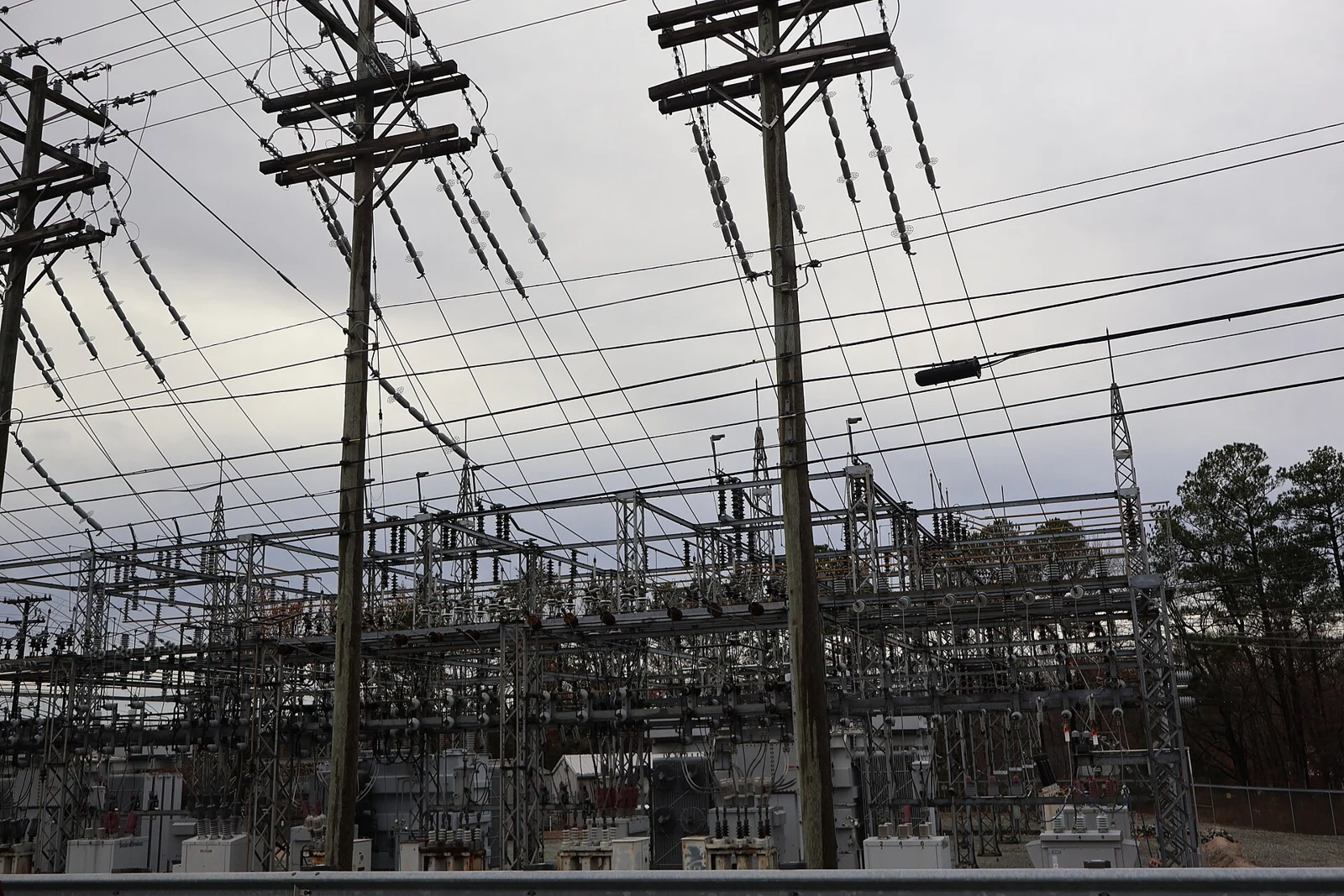
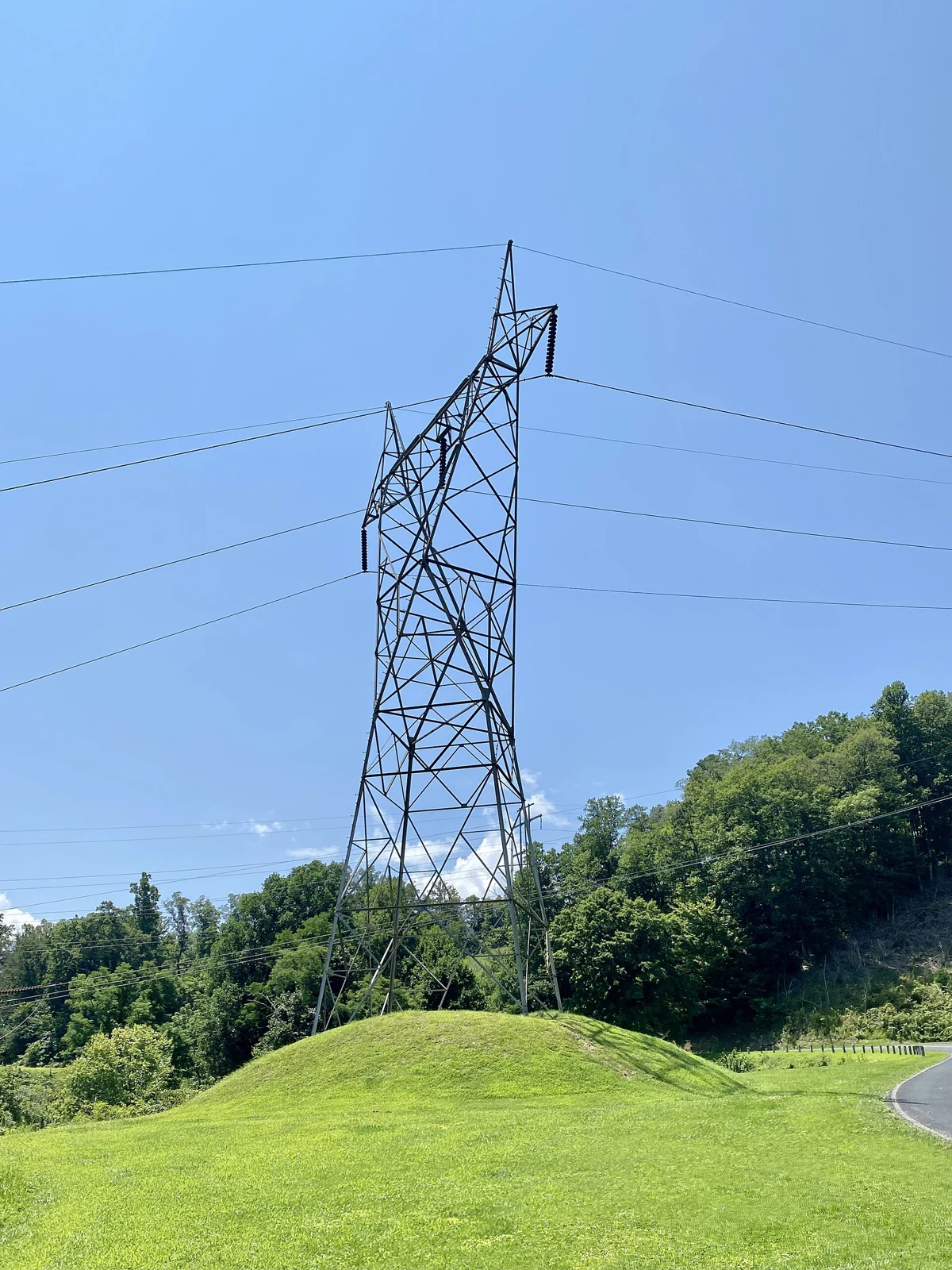
Two different licensed archival photographs illustrate a North Carolina substation and transmission infrastructure. They are not images of newly approved construction under this agreement. The practical point for mining operators is that a connection has an upfront financial structure as well as an ongoing energy price. Preserve both in the project record, then update the assumptions when a final decision and an actual service offer provide the details necessary for that specific facility.
Source: Duke Energy ↗
Mining calculator ↗