DCX will showcase liquid cooling with LITEON at OCP Summit 2026
Source report: 2026-10-08 · Editorial analysis published: 2026-10-09
DCX’s October 8 announcement confirms a joint presence at LITEON’s booth in San Jose. We examine the cooling questions that matter to high-density computing and hydro-cooled mining.
Analysis and practical implications
This section is our analysis and illustrative calculations, separate from the source report.
An exhibition announcement, not a new miner
DCX announced on October 8 that its team will join LITEON at the 2026 OCP Global Summit in San Jose. The company’s notice gives October 12–15 as the event period and says liquid-cooling solutions will be showcased at LITEON’s booth. This is a confirmed upcoming exhibition presence. The notice does not name a newly launched ASIC, disclose an order size or confirm that a new cooling system has entered mass production. Keeping those boundaries clear avoids turning a trade-show preview into an unsupported product launch.
For ASIC.tools readers, the relevance lies in the engineering around high-density loads. A mining facility and an AI data hall can both require substantial heat removal, but they do not automatically use interchangeable equipment. Our technical discussion below uses DCX’s existing public product information as context and offers questions for assessing a real installation. The capacity ratings cited are manufacturer specifications, not independent benchmark results or performance guarantees measured at the forthcoming exhibition.
Facility cooling moves heat between circuits
DCX’s existing 8 MW FDU product page specifies up to about 8.15 MW of heat-transfer capacity, a 2 °C approach temperature and four pumps arranged for N+1 redundancy. It describes separate facility and technology cooling loops. The September technical article provides earlier context for warm-water operation. These specifications predate the October exhibition notice; they should not be introduced as a product unveiled this week. A heat-transfer rating also describes a different function from a miner’s hashrate or an electrical generator’s output.
In a two-loop installation, the heat exchanger transfers energy between fluids without requiring the equipment loop and the building loop to share the same liquid. That division can allow each side to have its own treatment and operating conditions. The practical design task is to match both sides at the required load, rather than choosing a distribution unit from its headline capacity alone. Pipe layout, pressure losses and the receiving equipment’s permitted flow conditions belong in the same engineering calculation.
Approach temperature is not ambient temperature
An approach temperature describes a temperature difference across a heat-exchanger arrangement at stated conditions. It is not the outdoor air temperature and does not mean a complete facility can always cool a given workload without assistance. DCX’s published technical context discusses 45 °C technology-side supply from roughly 43 °C facility water. Whether a real site can provide that facility-water temperature depends on its heat-rejection equipment, local weather and operating load, among other design conditions.
This matters when estimating free-cooling hours. A warm-water design may broaden the conditions in which dry coolers can reject heat, but a manufacturer’s exchanger specification is not a climate study for your location. For a mining project, build the thermal assessment around the relevant ambient conditions and required equipment temperatures. Then account for the operating mode during the hottest periods, when a reduced temperature margin can affect available load, fan power or the need for additional cooling capacity.
Flow and heat load have to be checked together
A simple illustrative heat balance explains why the coolant circuit matters: heat transfer is proportional to mass flow, specific heat and the temperature rise through the load. Using approximately 4.18 kJ per kilogram per kelvin for water, a hypothetical 1 MW thermal load with a 10 K rise requires about 23.9 kilograms of water flow per second. This is a simplified water calculation, not a DCX operating point or a prescription for a particular ASIC. Other fluids and conditions change the result.
The calculation should be followed by a hydraulic assessment. A pipe system can require substantial pump work because of fittings, long runs, filters and equipment resistance. Increasing flow without understanding those limits can move the installation away from a safe or efficient operating range. For a hydro-cooled fleet, check the miner’s permitted inlet temperature, pressure, coolant and flow separately from the central plant’s rating. The distribution unit’s ability to transfer heat does not overrule the receiving hardware’s requirements.
Coolant chemistry is part of maintenance
DCX’s September technical article describes inline coolant monitoring and treatment, including pH, conductivity, turbidity, concentration and corrosion-related measurements. Its dashboard screenshots are expressly demonstrative rather than records of an operating customer facility. The manufacturer’s broader point is that fluid condition can change during long-term service. A new article about the exhibition should not reproduce the displayed values as evidence of measured performance or impose them as universal settings for every mining installation.
As a general maintenance principle, the approved coolant and materials list should come from the equipment supplier. Conductivity, corrosion, particulates and biological contamination have different meanings in different circuit designs. The useful record combines measurements with top-ups, component replacements, filter servicing and other changes, so staff can relate a trend to an actual event. A sensor panel is helpful only when its calibration, alarm handling and responsibility for corrective action are understood; collecting numbers alone does not maintain a loop.
Hydro cooling and immersion need different checks
A hydro-cooled ASIC typically transfers heat through a liquid circuit built into its cooling design. An immersion setup instead places suitable equipment in an approved dielectric fluid and transfers heat from that fluid to a rejection system. These are different installation approaches even though both are often described as liquid cooling. A successful cold-plate deployment does not establish compatibility for immersion, and a fluid suitable for one tank cannot be assumed suitable for every power supply, seal or connector.
For a prospective mining deployment, separate the central cooling plant from the equipment conversion or compatibility decision. Document which miner configuration the manufacturer supports, how electrical protection and servicing are handled, and which operating limits preserve the equipment warranty. This comparison is especially useful at exhibitions, where attractive demonstrations can make distinct architectures appear equivalent. The meaningful question is how the complete proposed system behaves under the farm’s workload and maintenance procedures, rather than whether a display contains liquid.
Redundancy has boundaries beyond the pumps
N+1 pump redundancy means a system includes an additional pump relative to the number needed for its specified operating condition. It does not by itself prove the availability of the entire cooling chain. Shared electrical supply, control logic, valves, pipe sections and heat rejection can introduce other dependencies. The published FDU architecture is therefore a useful starting point for a failure review, while the installation drawing determines what remains common to all operating paths at a particular facility.
Our practical suggestion is to define the response to a failed pump, lost power source, leak alarm and rising coolant temperature before commissioning the fleet. That includes which equipment stops, which stays protected and who receives the alarm. A staged load test can expose an incorrect assumption before the full farm depends on it. The resulting procedures should be tied to the actual hardware and supplier guidance, rather than treating a redundancy label as permission to continue hashing through any cooling-system fault.
What operators can ask at the summit
The useful questions for DCX and other suppliers concern the operating envelope and the complete installation: rated capacity at the intended temperatures, allowable equipment-side pressures, coolant compatibility, monitoring interfaces, service access and commissioning responsibilities. Ask which figures come from a specification, a factory test or a commissioned customer site. Those distinctions let a buyer compare quotations on the same basis and avoid buying a thermal headline that depends on conditions the proposed location cannot provide.
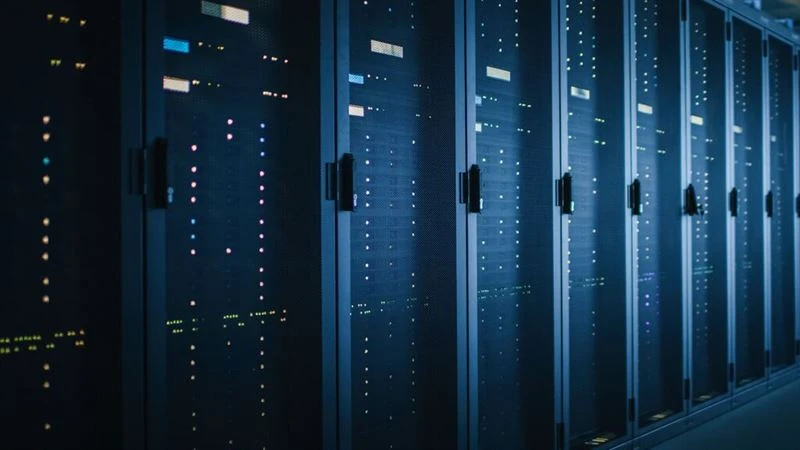
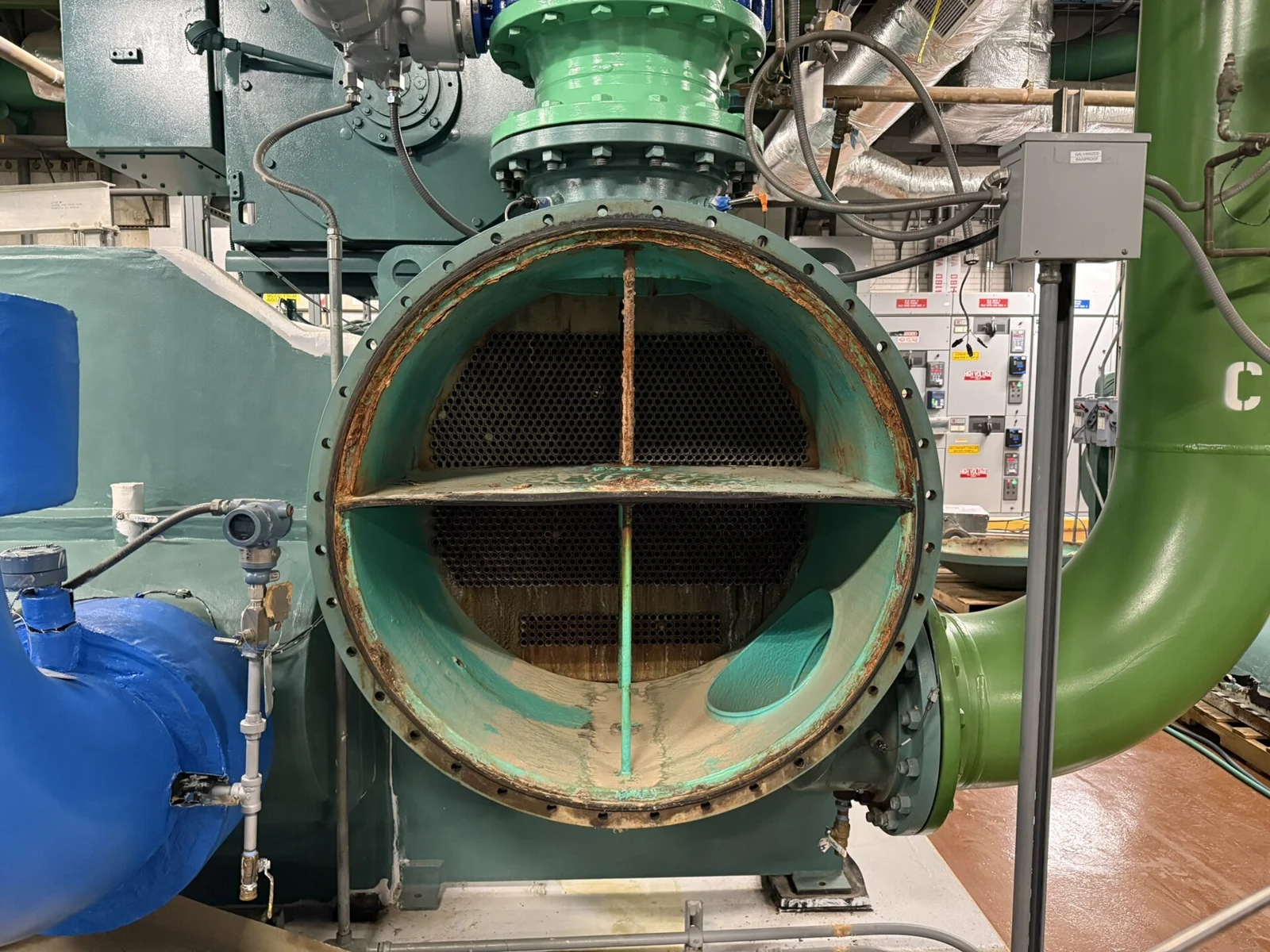
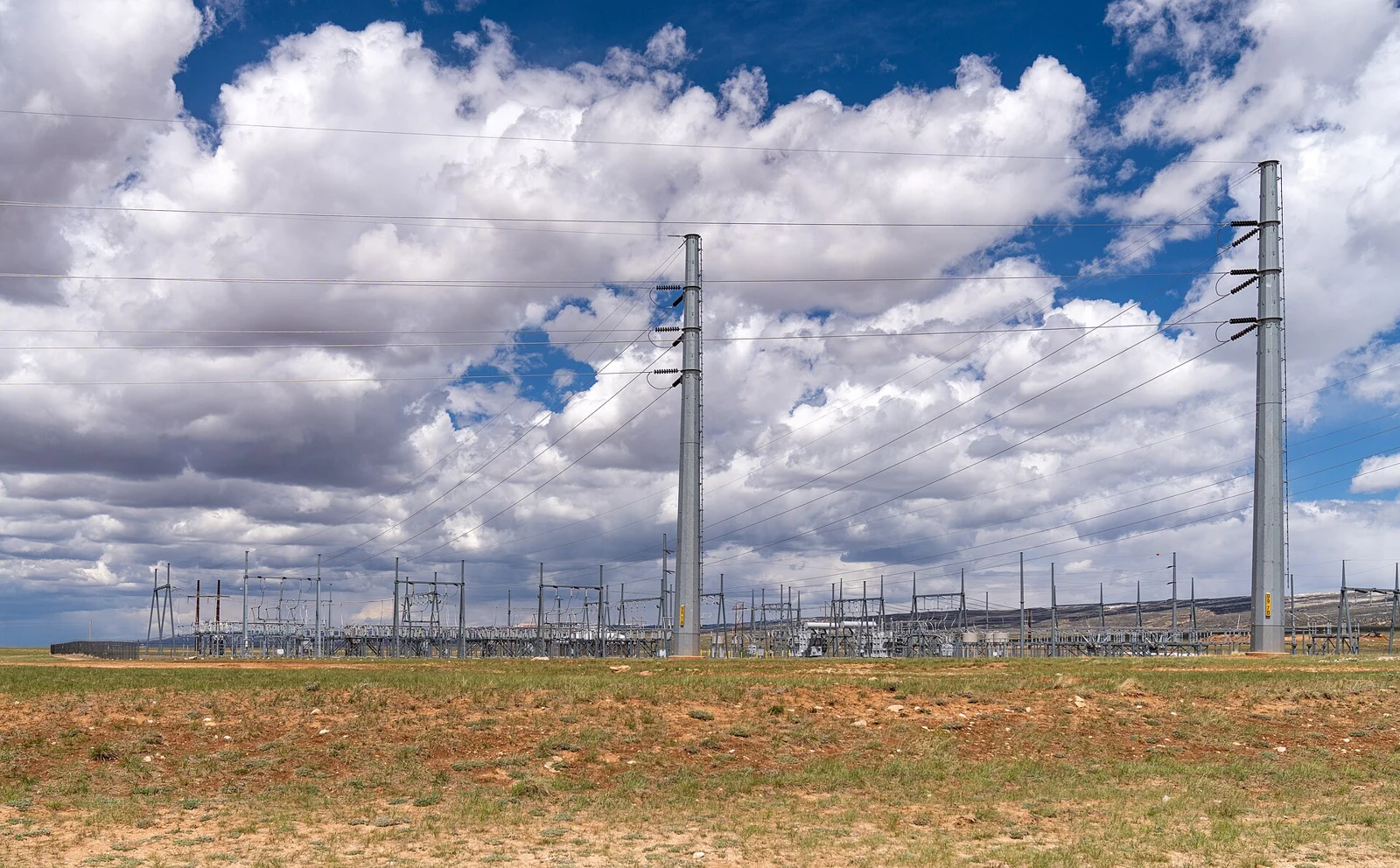
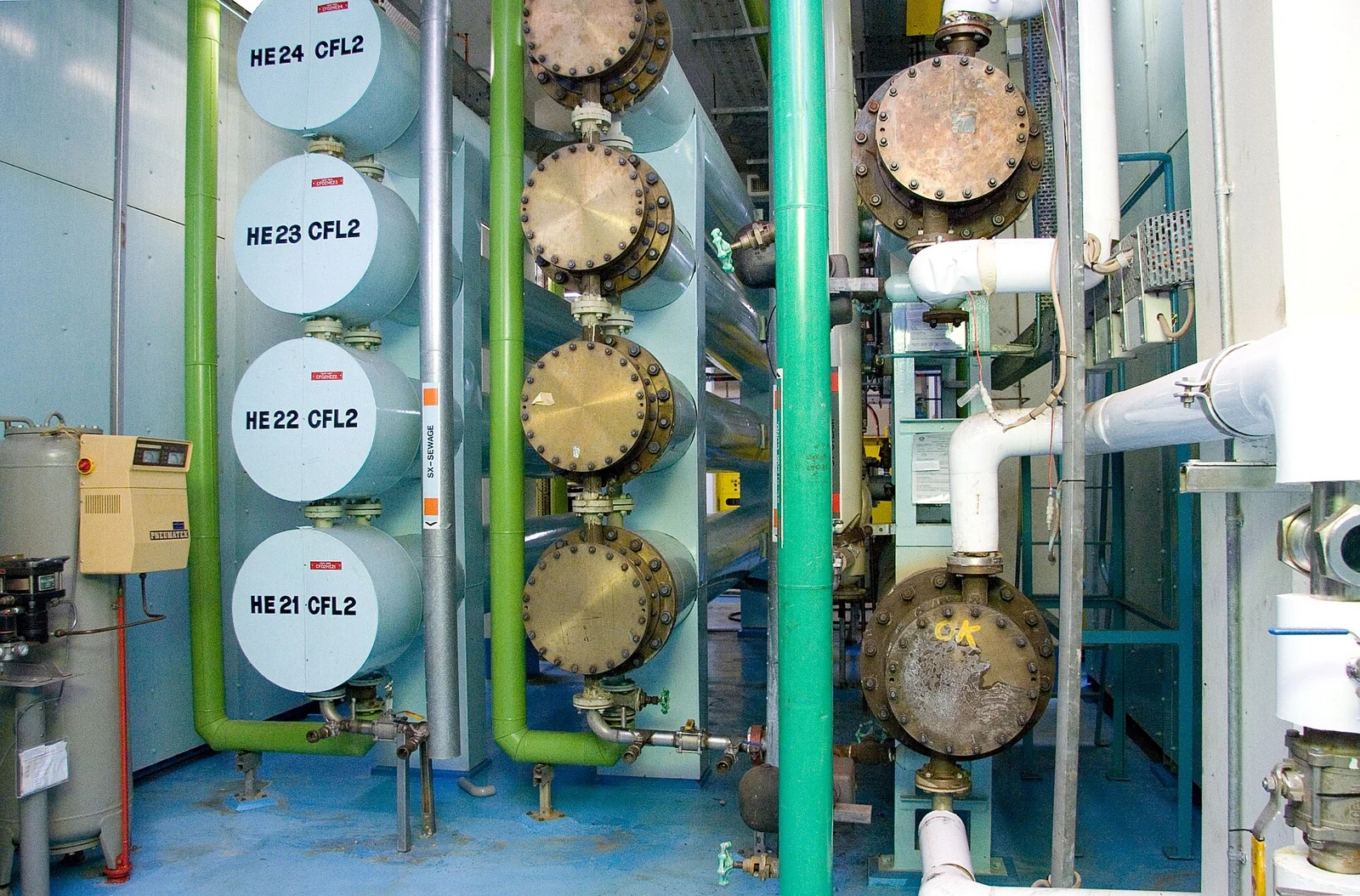
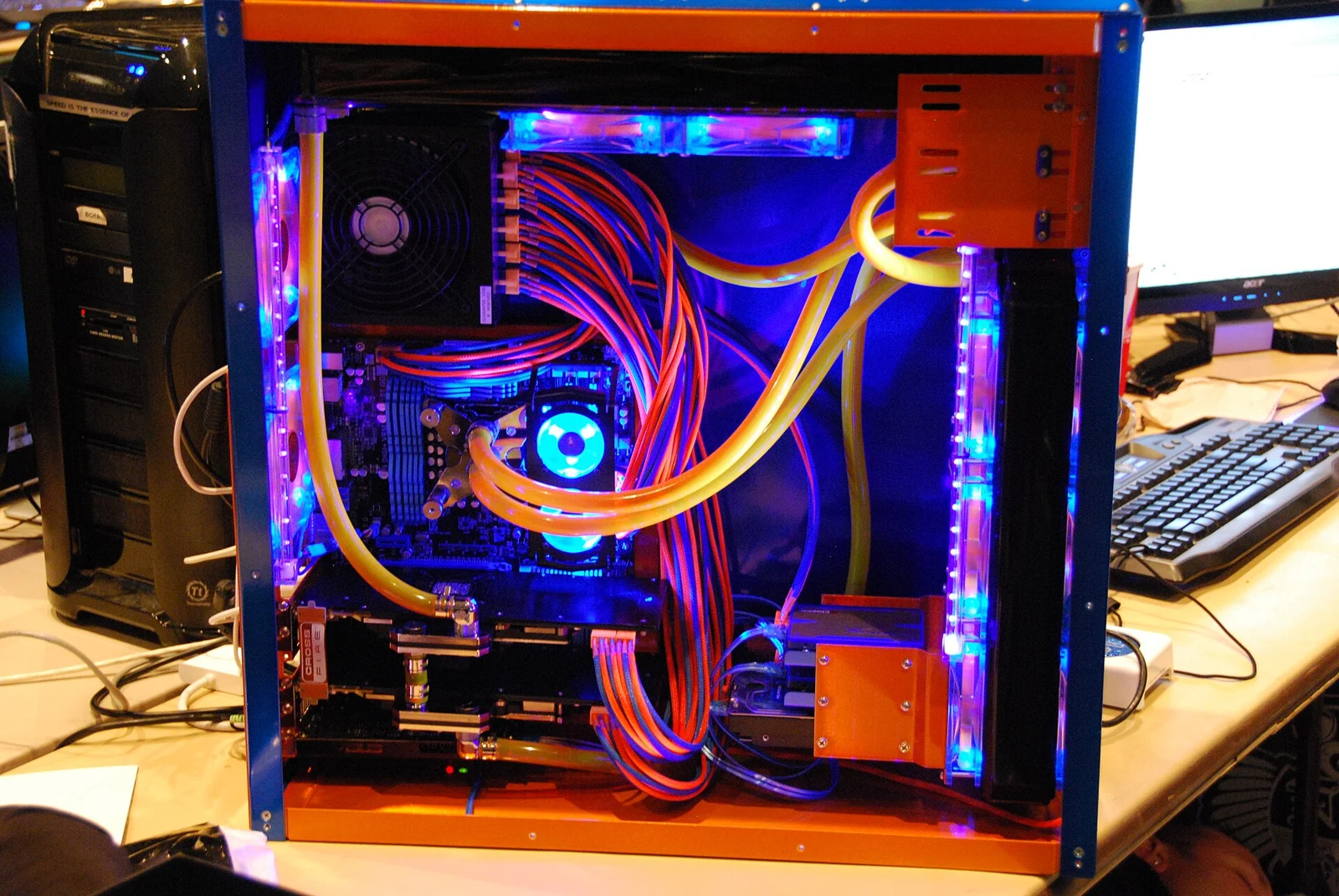
The announcement remains a preview of DCX’s joint exhibition presence with LITEON. Any later product or delivery claim should be checked against its own dated source. This article’s two different licensed archival photographs illustrate cooling and computing equipment; they are not photos of the upcoming booth or proof that a named system is installed. The immediate value for mining operators is preparation: take the fleet’s real thermal requirements to the supplier discussion and evaluate the resulting proposal as a complete operating system.
Source: DCX ↗ · Existing 8 MW FDU specifications ↗ · September technical context, published before the exhibition announcement ↗
Mining calculator ↗