BitFuFu reports 167 BTC for September and risks to its Ethiopia acquisition
Source report: 2026-10-13 · Editorial analysis published: 2026-10-14
BitFuFu’s October 13 update reports higher self-mining output but lower total production and managed hashrate. The proposed Ethiopian acquisition has not closed, and remedies remain under evaluation.
Analysis and practical implications
This section is our analysis and illustrative calculations, separate from the source report.
Monthly production fell while daily output was rounded to the same figure
BitFuFu published unaudited September operating results on October 13. It reported 167 BTC of production, compared with 174 BTC in August, and managed hashrate of 19.4 EH/s against 20.6 EH/s. Both months show daily production rounded to 5.6 BTC. That daily figure does not mean the monthly coin totals were equal: September has 30 days and August has 31.
Our calculation gives a monthly decline of approximately 4.02%, using 167 divided by 174 minus one. Dividing those totals by their calendar days gives approximately 5.57 and 5.61 BTC per day respectively. Both round to 5.6 at one decimal place. A production comparison therefore needs its reporting interval and precision, rather than treating a rounded daily value as proof of unchanged output per accepted unit of hash work.
The mix shifted toward self-mining
Self-mining produced 98 BTC, up from 88, while cloud mining produced 69 BTC, down from 86. The two September categories sum to the reported 167 BTC. Our arithmetic puts their changes at approximately +11.36% and −19.77%, and self-mining’s share of the reported total at 58.68% versus 50.57% in August. These percentages describe a change in reported output mix, not a new machine’s efficiency.
Cloud production and self-mining receipts have different commercial boundaries. A service provider’s monthly category does not specify the pool fee, contract duration or settlement received by every customer. Likewise, a higher self-mining share does not establish that total installed capacity was restored or that a particular farm became more profitable. The release supplies production categories; attributing their movements to a specific pool, machine bin or daily tariff would require additional operational evidence.
Managed hashrate and ownership are distinct
The table leaves self-owned hashrate at 3.8 EH/s. The third-party supplier and hosting-customer category moves from 16.8 to 15.6 EH/s, producing the total 19.4 EH/s under management. The company’s footnote says these hashrate categories may serve both self-mining and cloud mining. Ownership of equipment is consequently not the same classification as the destination of mined coins.
The total decline is approximately 5.83%, but the release does not provide a time-weighted accepted-hashrate series for every site. Dividing monthly production by an endpoint managed figure would mix unlike measurements and should not be presented as a precise fleet yield. For comparison, operators need accepted work over the same period, site availability and the production allocation. We retain the company’s managed and owned labels rather than replacing them with a claim about how much new Bitcoin network capacity was installed.
Holdings increased less than production
Bitcoin held rose by 15 BTC, from 1,373 to 1,388 at September 30. Reported production was 167 BTC. The difference between those quantities is 152 BTC, but that subtraction alone does not disclose a sale, proceeds or a complete movement of assets. Customer allocation, settlement, transfers and other balance movements would need to be reconciled from the relevant records before explaining the treasury change.
A useful operator report keeps coins produced, coins credited to customers, treasury holdings and cash from sales in separate fields. A stock of Bitcoin at month end is not the same as an operating revenue statement. This distinction is especially important for a company combining cloud services, hosting and self-mining: one total can refer to activity serving several counterparties while another refers only to retained corporate assets.
Capacity and efficiency do not supply the electricity bill
Managed power capacity was 324 MW, compared with 344 MW, and average fleet efficiency remained 16.7 J/TH. Capacity describes an available or managed boundary; it does not state that every megawatt ran continuously throughout September. The update also does not supply one uniform electricity tariff for the entire fleet. These figures cannot by themselves establish a measured energy bill or net mining margin.
For an illustrative energy check, a constant 1 MW load operating for 24 hours consumes 24 MWh. Running only 18 hours would use 18 MWh before considering a changed load profile. Neither scenario is BitFuFu’s measured September consumption. The example shows why an energy forecast needs actual power and uptime, and why multiplying an endpoint managed capacity by every calendar hour would silently assume uninterrupted full-load operation.
The Ethiopian purchase remains a proposed acquisition
The same release updates an agreement to acquire a majority stake in an Ethiopian company operating an 80 MW mining facility. Conditions have not all been satisfied or waived, and closing has not occurred. BitFuFu reports $4.1 million paid to sellers and approximately 13,700 deployed ANTMINER S19-series machines, with about 1.57 EH/s aggregate hashrate and $1.74 million net book value at September 30.
These measurements describe different things: facility capacity, cash paid, deployed equipment output and accounting book value. None is interchangeable with the final purchase price or guaranteed recovery proceeds. The series-level equipment disclosure also does not identify every S19 revision or operating profile. We therefore do not add a new ASIC model or alter individual calculator specifications from the aggregate deployment statement.
A supplier notice is not proof that equipment was seized
BitFuFu says the target company is in a contractual dispute with its electricity supplier and that BitFuFu itself is not a direct party to that contract or dispute. A September 28 notice described a ten-day period and an intention to exercise security rights if payment was not made. The release reports unresolved payment and a material risk to satisfying acquisition conditions; it does not confirm a completed seizure.
The company is evaluating options including termination, arbitration, recovery of money paid and return of machines. These are possible remedies, not completed outcomes. Management’s expectation of limited incremental production impact is also an attributed forecast, not an independently measured guarantee. A follow-up should identify whether the deal closes, the operating arrangement changes or equipment is actually returned, rather than converting a conditional notice into an event that the source has not established.
What this update changes for a mining operator
The confirmed development is a new dated operating report combined with an explicit update on acquisition risk. It shows why hardware ownership, access to power, customer allocation and corporate treasury movement belong in different parts of a mining model. A facility can host deployed machines while the acquisition of its owner remains uncompleted. Equally, a monthly increase in self-mining output can coexist with lower total managed hashrate.
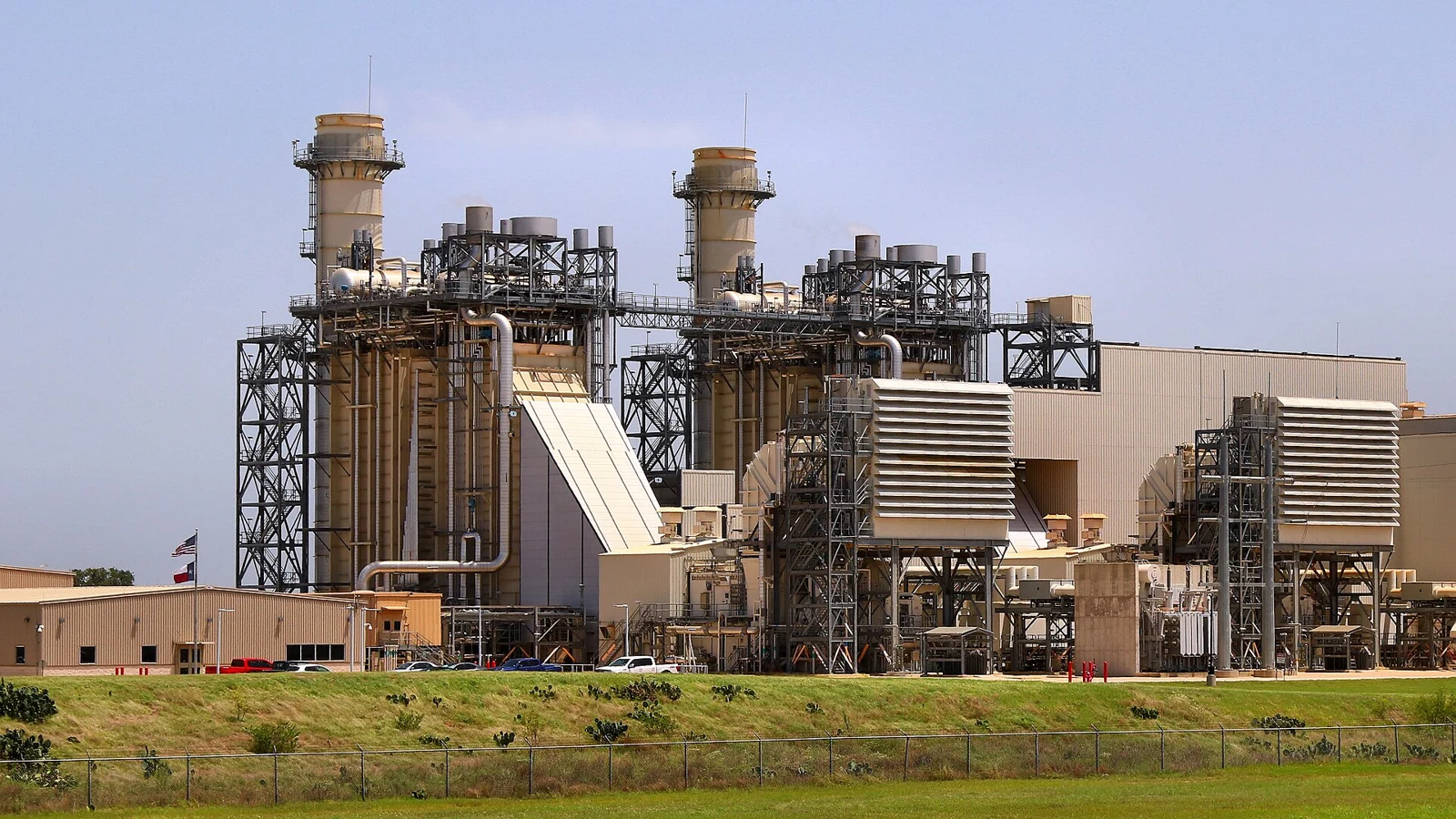
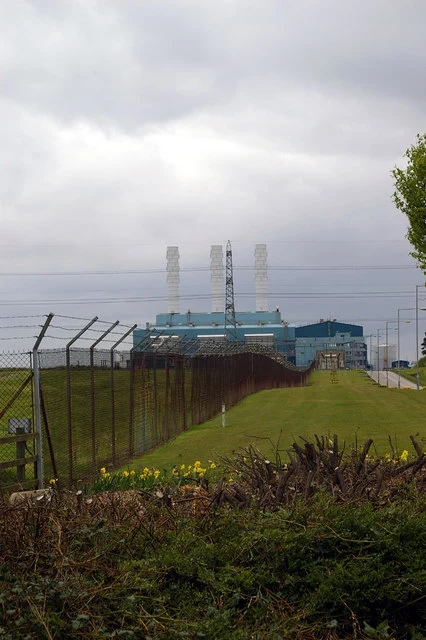
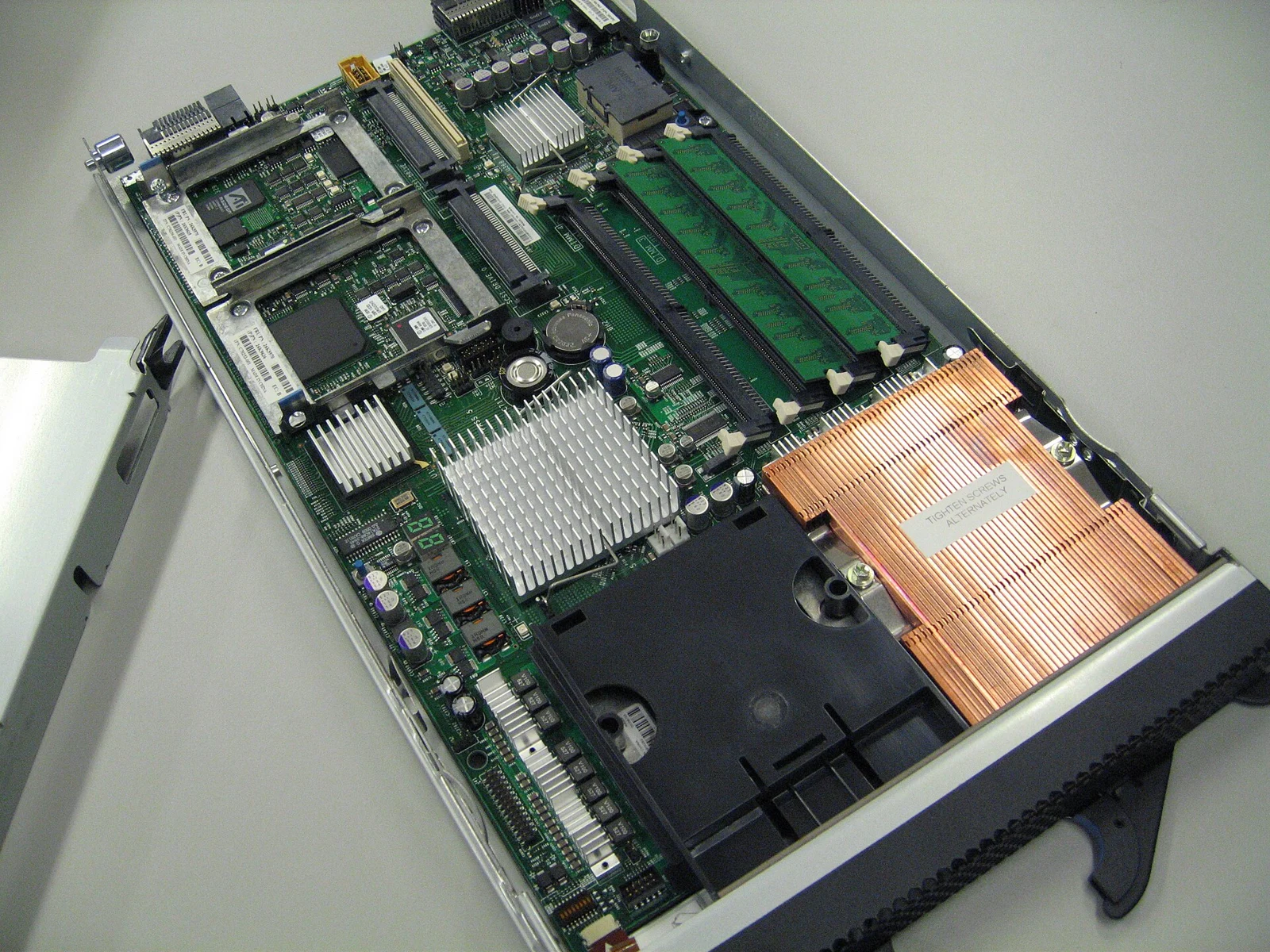
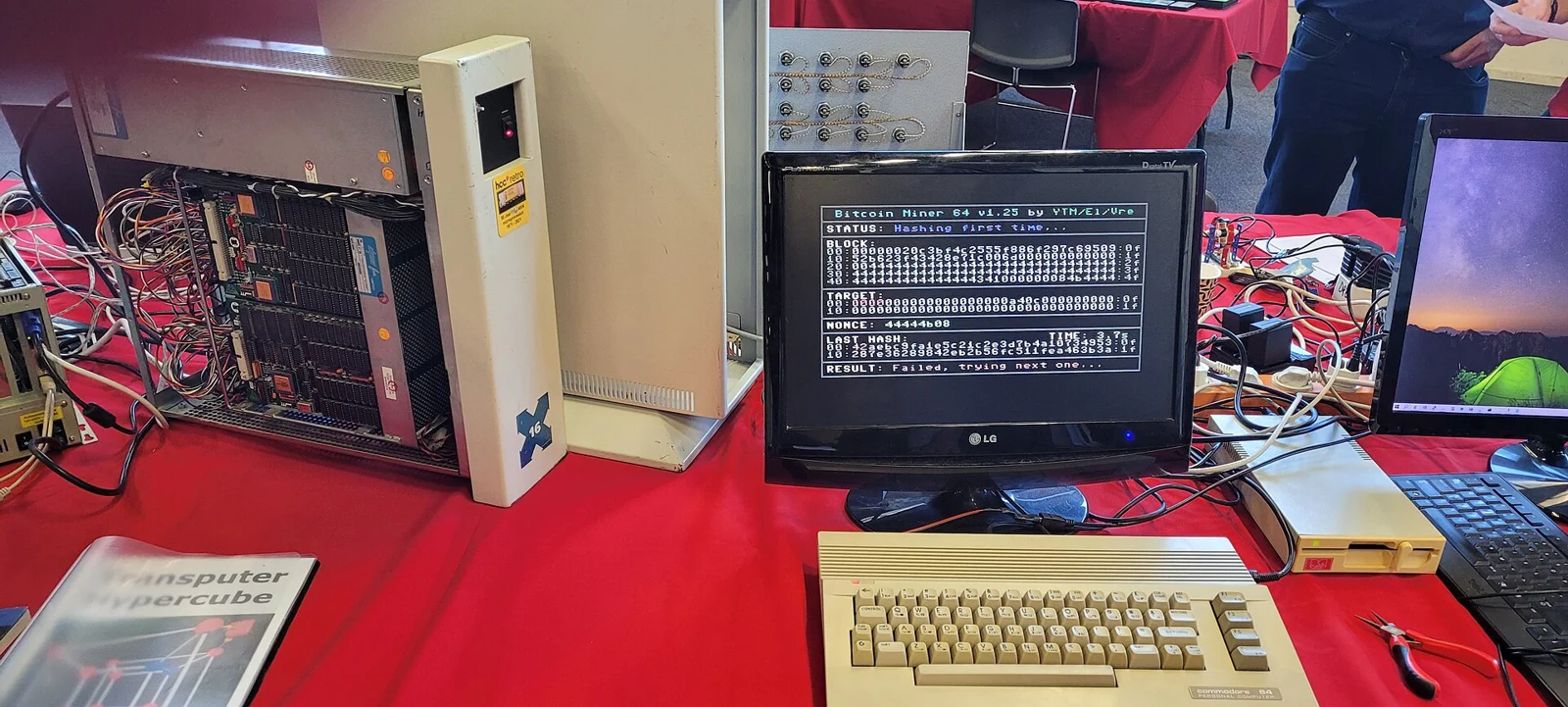
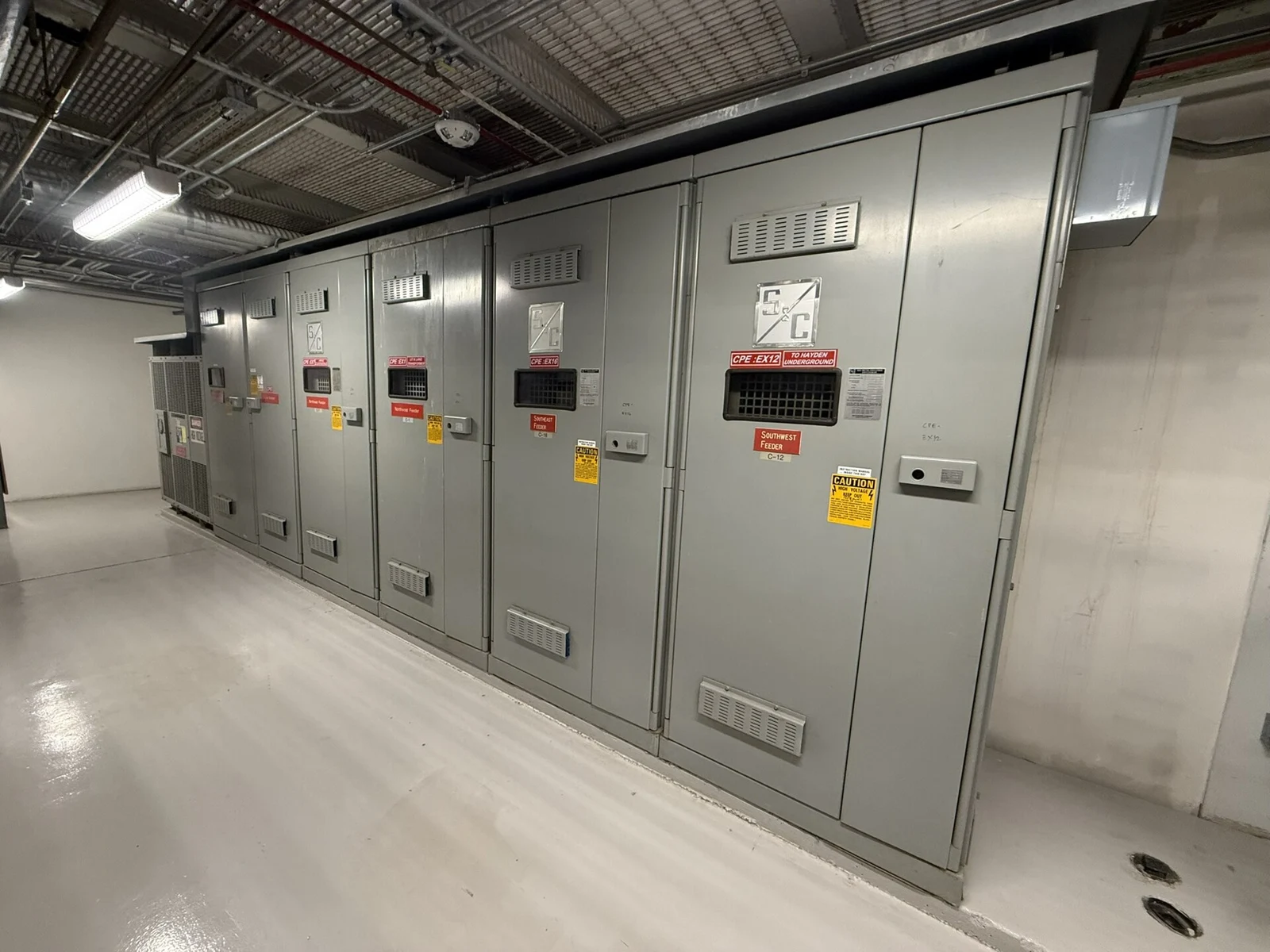
The two photographs are archival illustrations of mining hardware and infrastructure, not evidence from the Ethiopian facility. Our percentage and calendar calculations are labelled analysis of issuer-reported figures. Future checks should use new dated operating disclosures and clear acquisition milestones. The article does not establish that every contract continues unchanged, that disputed money will be recovered, or that the published September fleet figures are current readings for October.
Source: BitFuFu / GlobeNewswire ↗
Mining calculator ↗