Binance announces phased withdrawals: miners need to check the coin and network
Source report: 2026-11-01 · Editorial analysis published: 2026-11-01
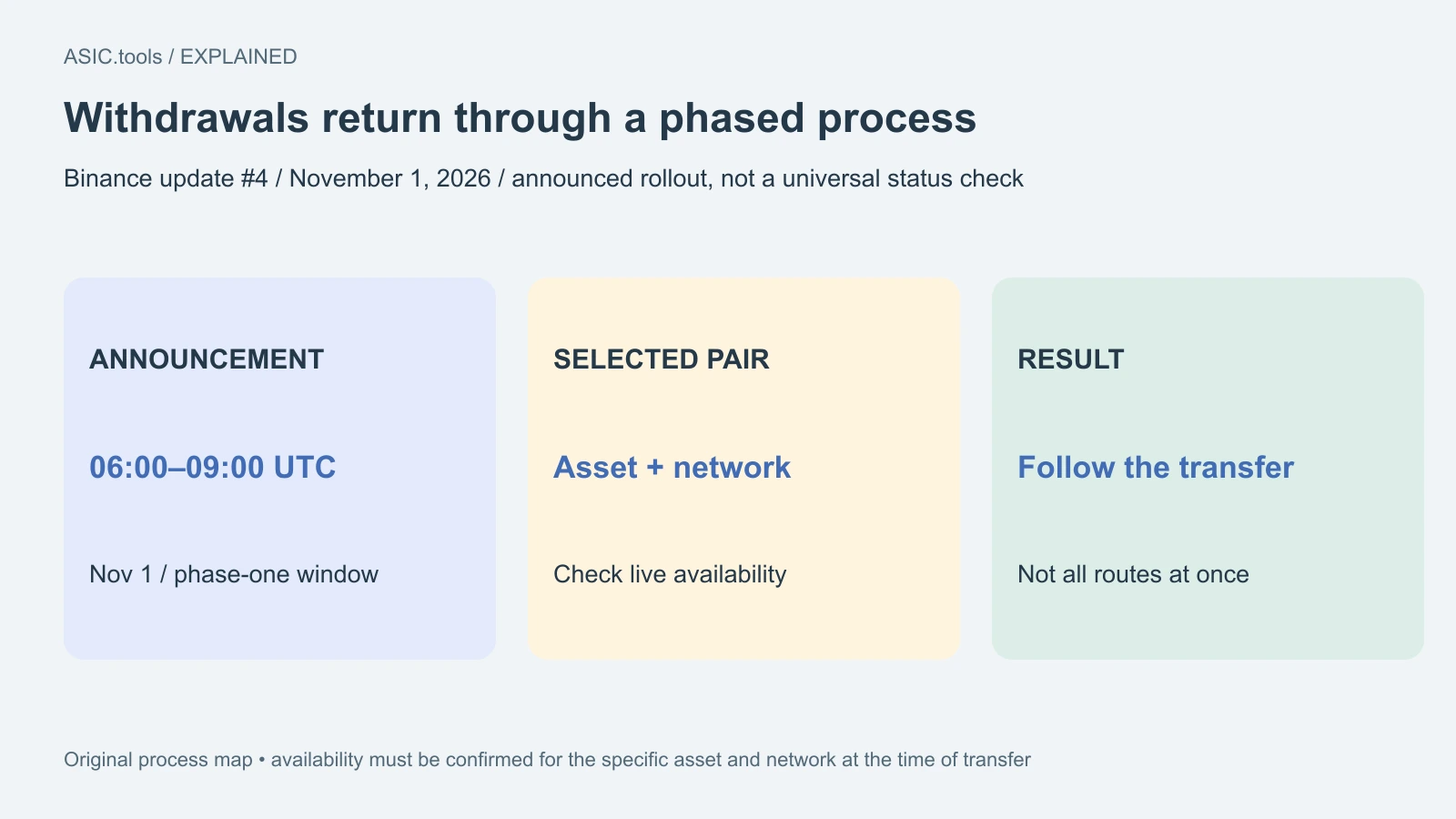
The November 1 update sets a 06:00–09:00 UTC window for phase one across 15 networks. It is a staged rollout, with availability checked for each asset/network pair and possible processing delays.
A new step after the withdrawal pause
Binance’s November 1 recovery update announces a phased return of withdrawals, with phase one scheduled to begin between 06:00 and 09:00 UTC. For miners whose proceeds are held at the exchange, the important change is a route towards moving those funds again. The announcement is a rollout plan, not proof that every listed withdrawal was already available when the notice appeared.
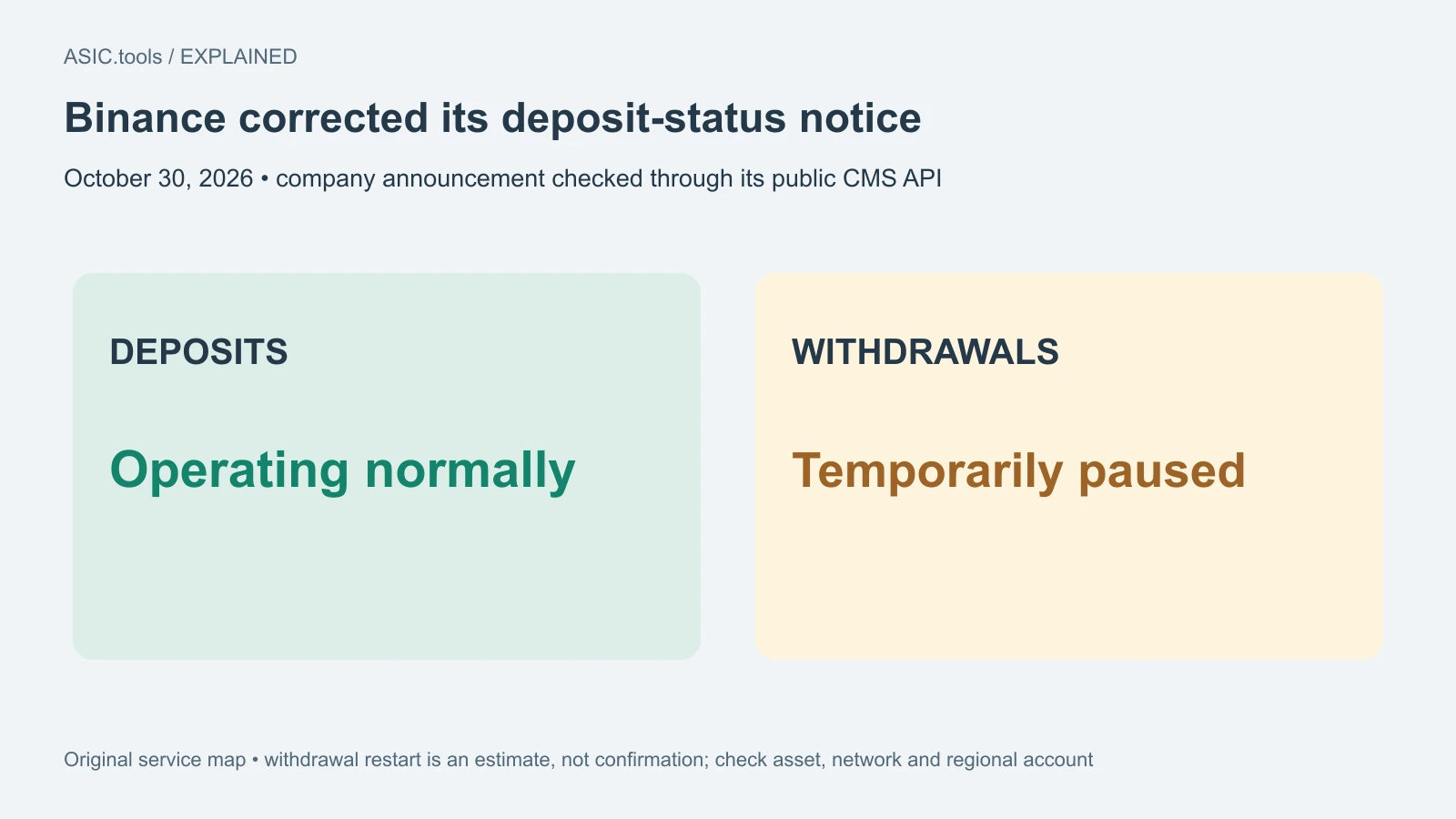
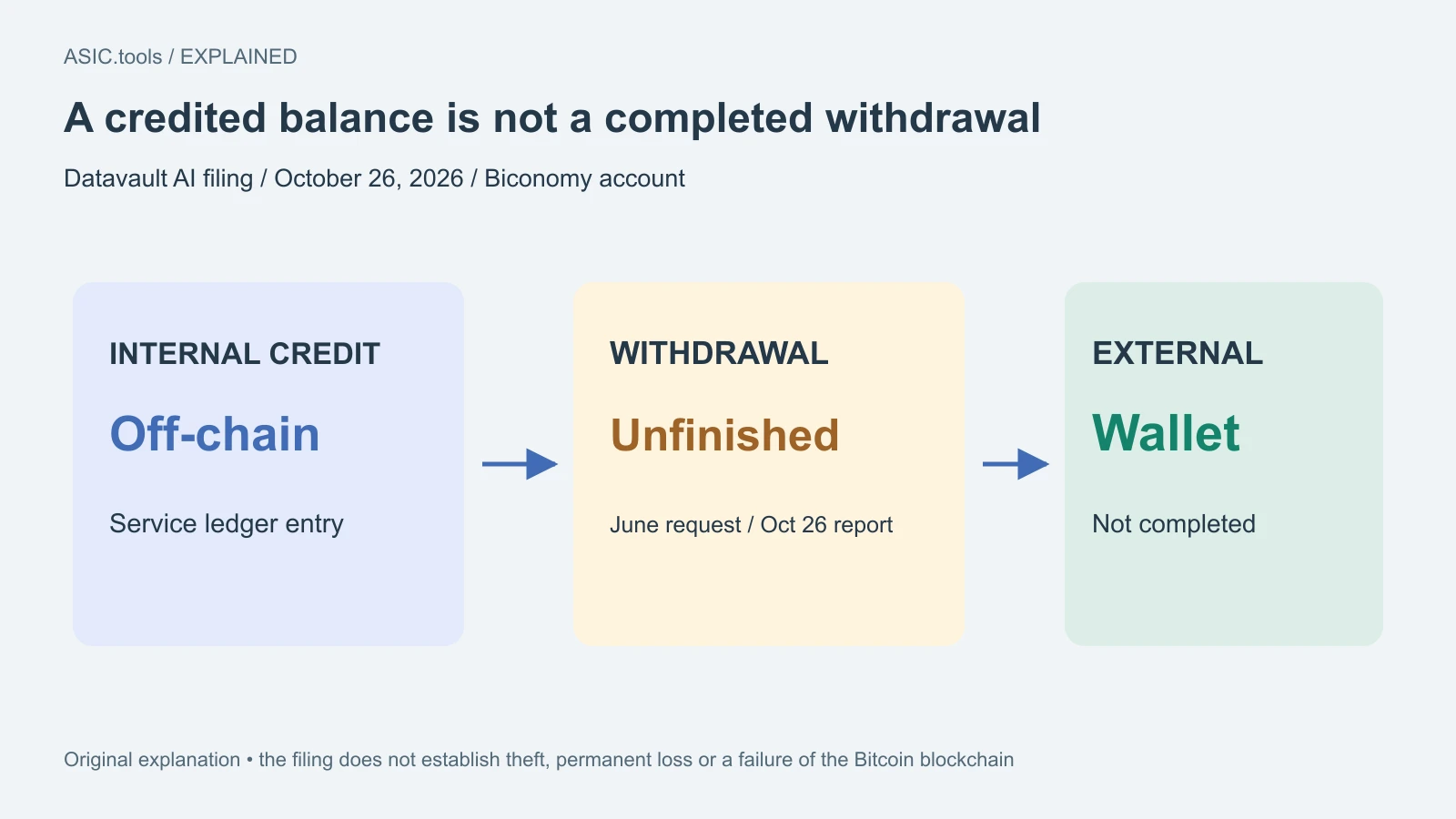
The exchange says deposits remain open. Depositing a pool payment, seeing a credited balance and withdrawing it are separate steps. A mining pool can finish its part of a payment while the recipient still cannot move the balance onwards. That distinction is useful when deciding which system’s records to check before assuming the pool has failed to pay.
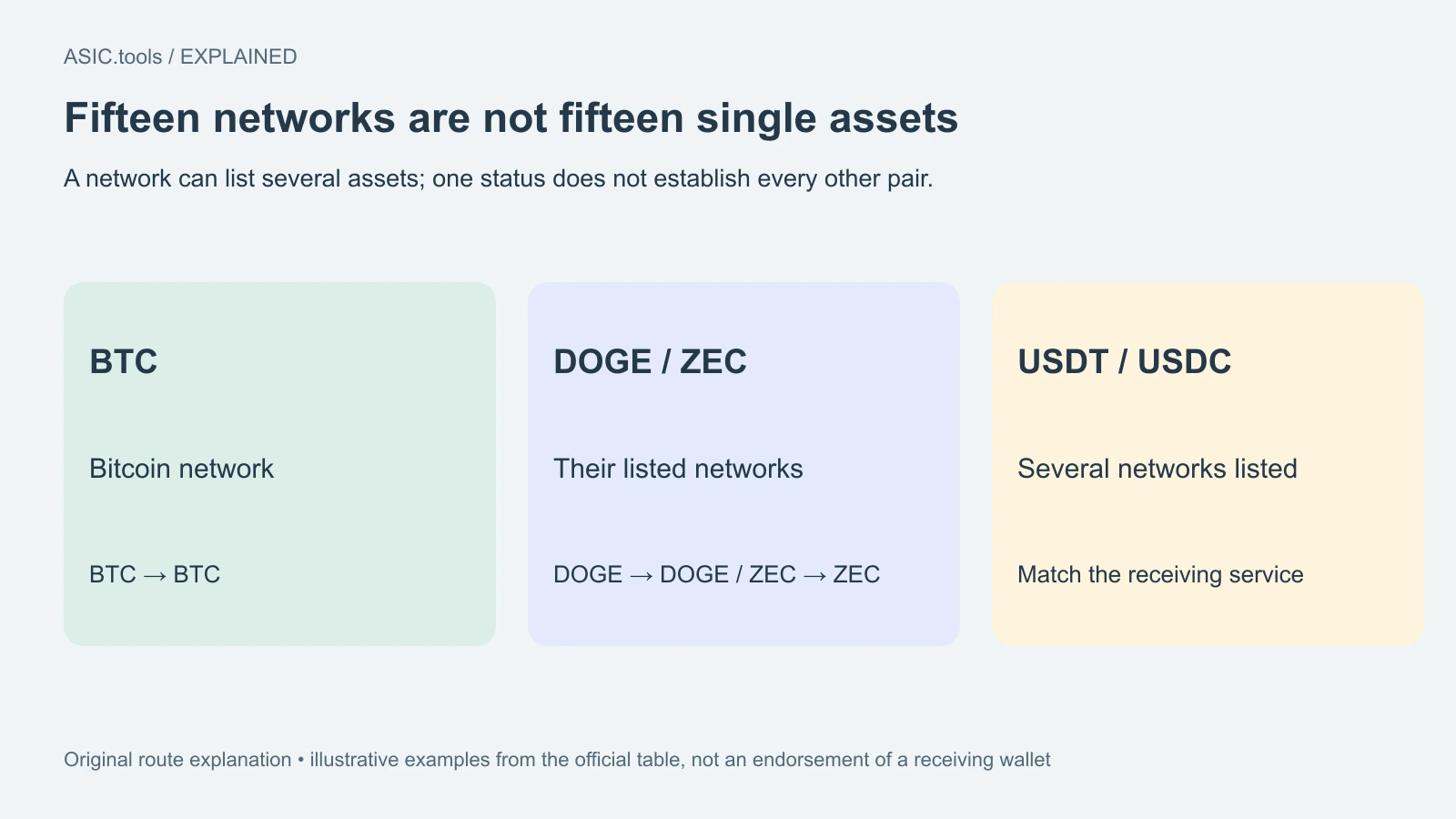
Fifteen networks, many asset pairs
The first-phase table lists BTC, ETH, BSC, TRX, SOL, XRP, ZEC, DOGE, TON, Polygon, Avalanche C-Chain, Arbitrum, Base, Optimism and SUI. These are fifteen networks, not a list of only fifteen individual coins. Some rows include several assets, so one network becoming available does not establish the status of every token on it.
For familiar mining coins, the table includes BTC on Bitcoin, DOGE on Dogecoin and ZEC on Zcash. It also includes stablecoins such as USDT and USDC on several networks. A stablecoin balance used to pay electricity or hosting still needs a supported withdrawal route, and the receiving wallet or service must accept that exact asset on that exact network.
Binance directs users to the withdrawal screen and its network-status page for current availability. Our text check of the public status page showed its interface but no populated coin rows. That empty extraction is not evidence that all networks are suspended or all are open. This report does not certify an individual account’s ability to withdraw; check the actual pair when preparing a transfer.
Allow time for processing, and follow the transaction
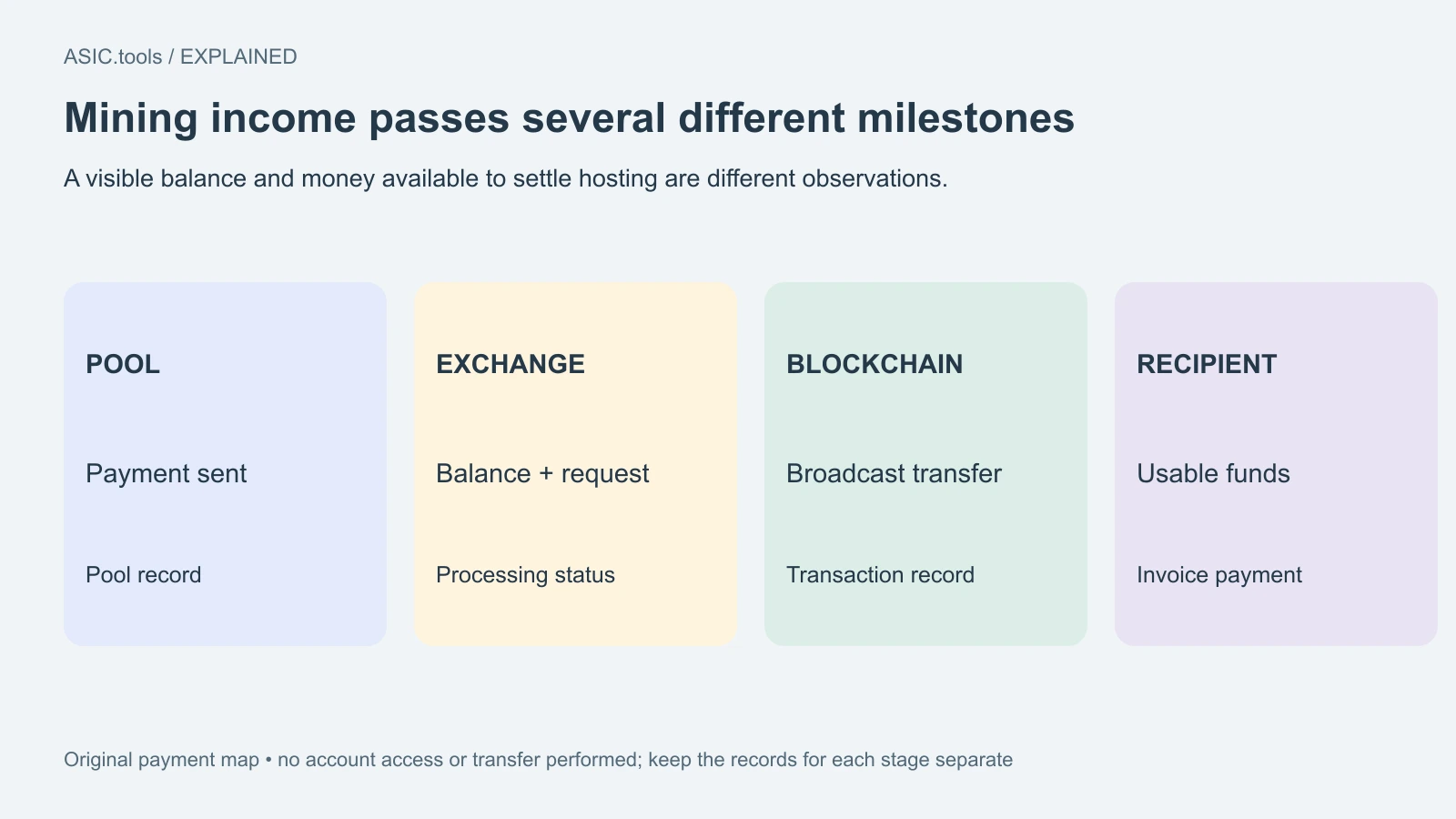
The notice warns that the initial rollout can bring delays and longer processing times as traffic returns. Keep the request status and any transaction identifier together. Before a transaction is broadcast, the exchange is the first place to check; after broadcast, the network’s record and the recipient’s crediting rules help explain what remains to happen.
For a mining operation, this makes a practical difference to cash planning. A balance on screen, a withdrawal request, an on-chain transaction and money available to settle a hosting invoice are different milestones. Compare the invoice deadline with funds actually usable for payment, rather than treating the announced restart window as a promise that a particular bill can already be paid.
What the recovery figures say
The latest part of the update says Binance has covered approximately 95% of the impacted amount, up from 90% in its previous update. It says the remaining 5% concerns less-liquid tokens outside the ten named fully backed balances. These are the company’s recovery statements, not figures we have independently audited or a percentage that a user must subtract from a displayed balance.
Binance names BTC, ETH, USDT, BNB, SOL, USDC, XRP, USD1, RLUSD and ZEC as fully backed and repeats that it will bear the financial impact. Replenishing assets with company resources is different from recovering every stolen token, and reserve backing is different from withdrawal availability. The company says a post-incident report will follow when the investigation is complete.
A careful restart for mining proceeds
Use the official application or a deliberately opened official website to check the selected coin and network. Confirm the receiving address and any required memo or tag, minimum withdrawal and displayed fee. If a small test is appropriate, account for those limits and costs first; a test on one network does not validate a different route or every later transfer.
Keep pool statements, exchange deposit records and withdrawal records separate. This helps reconcile what the miner earned with what reached a usable wallet, and avoids confusing exchange processing time with mining profitability. Where someone else handles treasury or hosting payments, make the selected network and expected receiving account explicit rather than passing around only a ticker symbol.
No recovery agent needs a wallet seed phrase to explain an exchange-status notice. Treat messages promising a special unlock, compensation form or faster queue with care, and reach support through the official service. The useful news today is the defined first-phase restoration process; for each miner, the result still needs to be confirmed through the actual asset/network path and payment record.
Source: Binance ↗ · Official deposit and withdrawal status ↗ · Earlier report: the withdrawal pause ↗
Mining calculator ↗