White House ratepayer pledge lists Bitdeer and sets five rules for data-centre power costs
Source report: 2026-09-22 · Editorial analysis published: 2026-09-27
Bitdeer appears among data-centre signatories to the White House Ratepayer Protection Pledge. The framework says large facilities should procure added supply, pay delivery upgrades and special rates, invest locally and support resilience. It is a public commitment, not a substitute for tariffs or permits.
Analysis and practical implications
This section is our analysis and illustrative calculations, separate from the source report.
Bitdeer is listed among the signatories
The White House Ratepayer Protection Pledge page lists Bitdeer in the data-centre developer group. Bitdeer said on September 22 that signing formalised its approach to funding power and infrastructure for Bitcoin mining and future AI and HPC expansion. The government page describes a broader coalition of utilities, cooperatives, state leaders, hyperscalers and developers. The listing is verifiable, but it should not be read as a regulatory approval for a particular mine, an electricity-price guarantee or proof that every future project already meets all local requirements.
The pledge starts with additional power supply
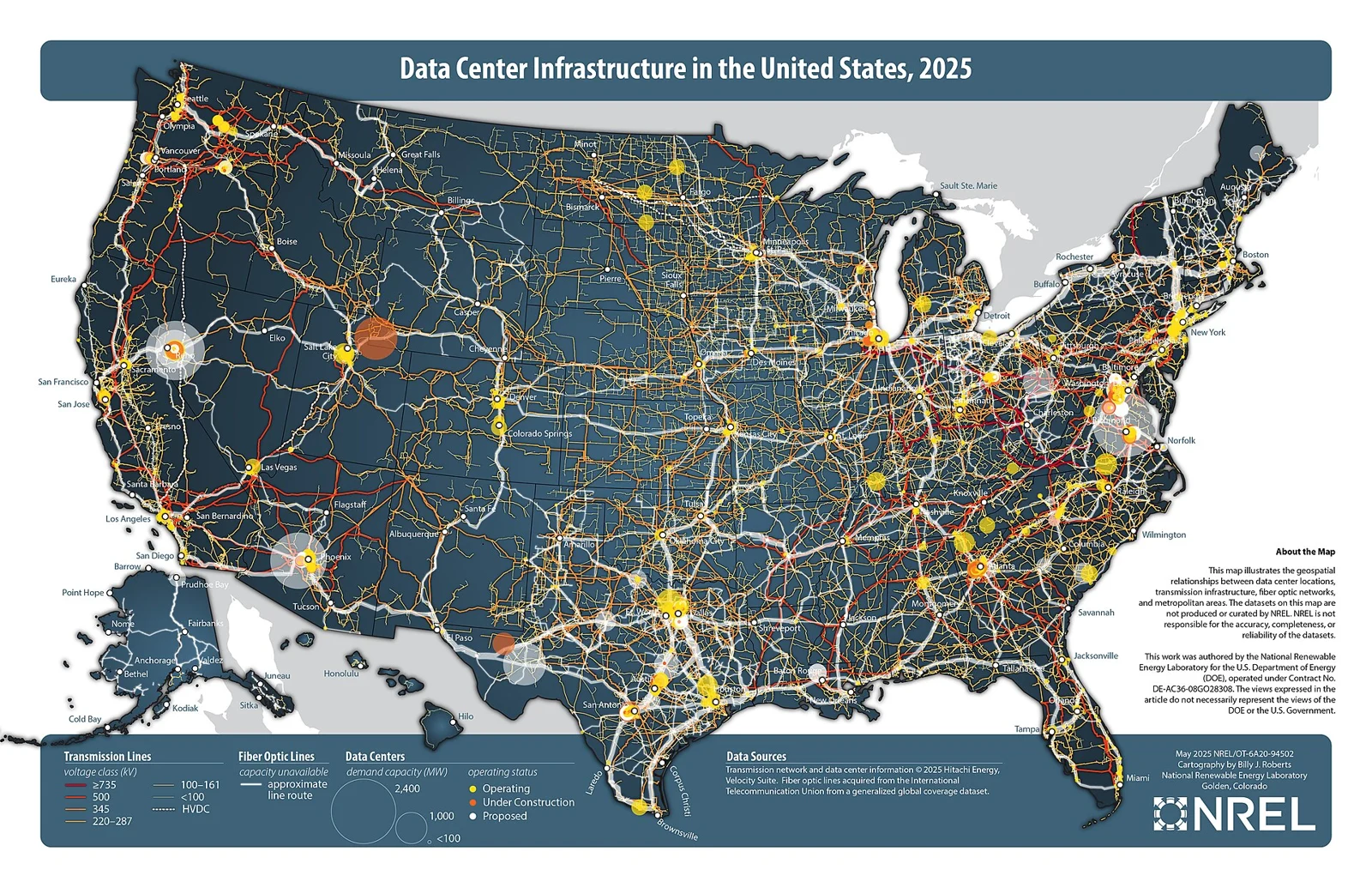
The first commitment asks signatories to build, bring or buy the generation resources required for new demand and cover the full cost, adding capacity for the public where possible. For a miner or AI data centre, that raises practical questions about which plant or contract is additional, when it becomes available and whether the facility operates before it does. Reviewers need project-specific megawatts, dates, transmission limits and an hourly energy balance rather than an annual certificate alone.
Developers commit to pay delivery upgrades
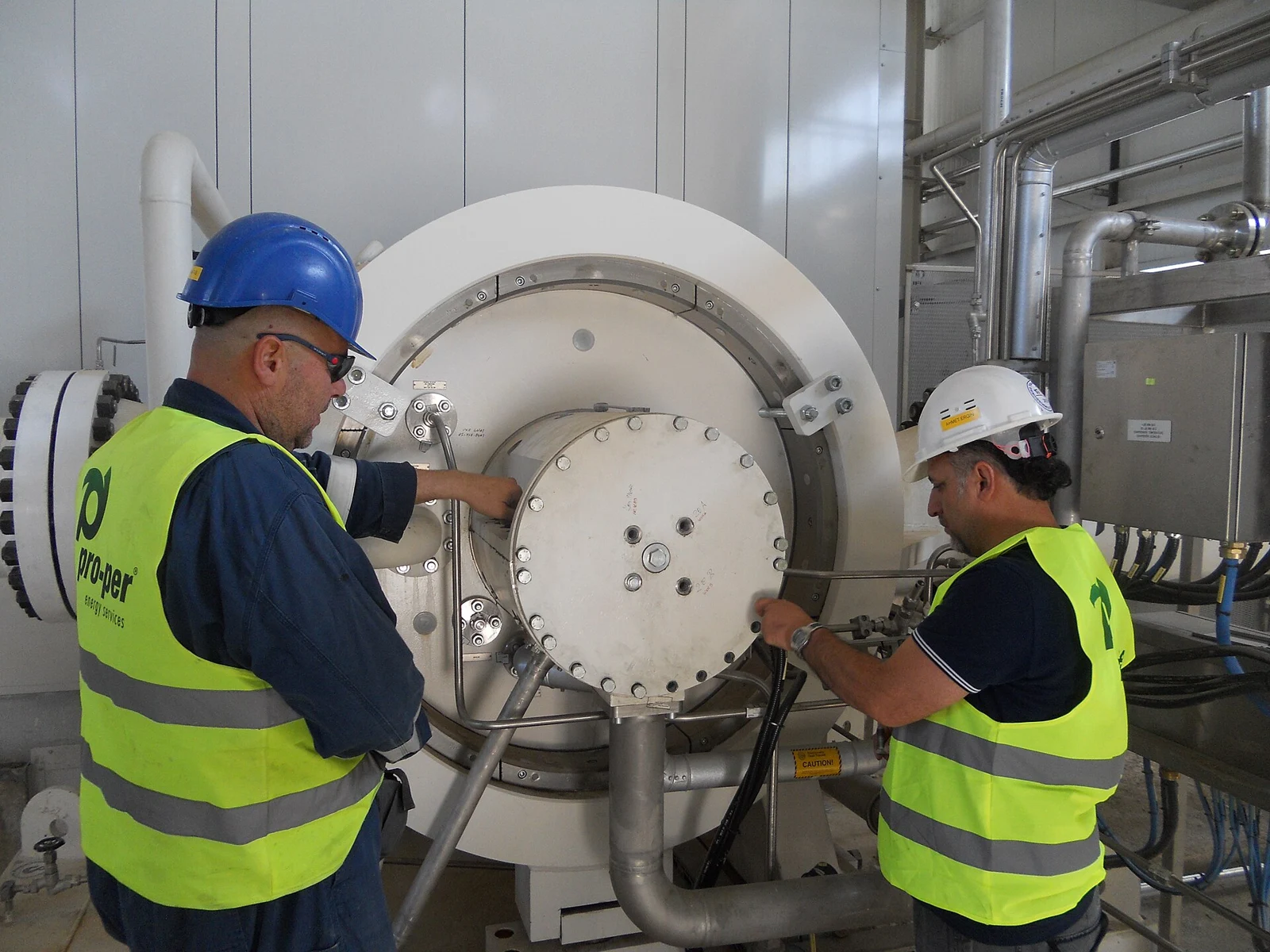
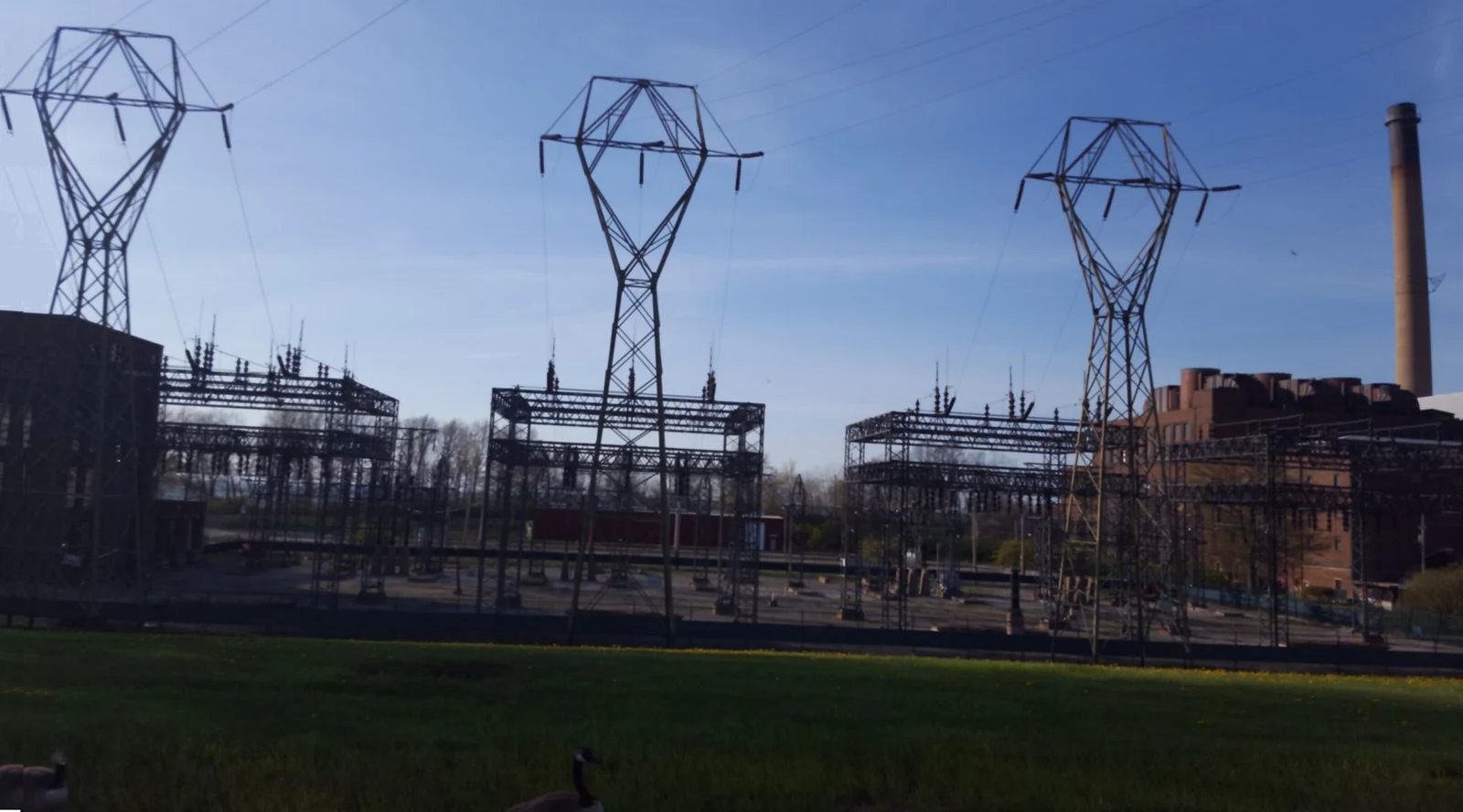
The second point says companies should cover new network upgrades needed to serve their facilities so those costs are not passed to households. A large load can require substations, transformers, transmission work, protection systems and studies. Allocation is normally implemented through utility agreements and regulatory decisions, so the pledge is a policy direction rather than an invoice. Communities should be able to see which assets are dedicated, which benefit the wider network, who owns them and how overruns or abandoned projects are handled.
Separate rates and payment obligations matter
The third commitment calls for new rate structures negotiated with utilities and state governments, with payment for power and infrastructure even when a facility does not use all of it. Minimum bills, take-or-pay clauses and demand charges can protect other customers from stranded assets. They also change mining economics because curtailment may reduce coin output without eliminating fixed charges. Operators should model both variable energy and contracted capacity costs, while regulators should disclose how those terms interact with emergency curtailment and demand response.
Local jobs and training are the fourth promise
Signatories commit to invest in host communities through local hiring and skills development. Construction can create many temporary roles, while a highly automated mine may require a smaller permanent operations team. Clear reporting should separate construction jobs from full-time positions, count local procurement, describe training programmes and publish the period measured. Tax revenue and philanthropy can add value, but they should be reported independently from employment so residents can compare promised and delivered benefits over the life of a site.
Grid and community resilience are included
The fifth point asks companies to coordinate with grid operators and, where possible, make backup generation available during scarcity events. Bitcoin mining can also reduce load quickly, but the pledge text focuses on broad data-centre resilience. A credible claim needs dispatch records, response time, megawatts curtailed or supplied, availability and the baseline used. Backup equipment must meet emissions, safety and interconnection rules. One successful event does not prove year-round reliability, so operators should publish repeated performance rather than slogans.
Bitdeer points to its Ohio substation
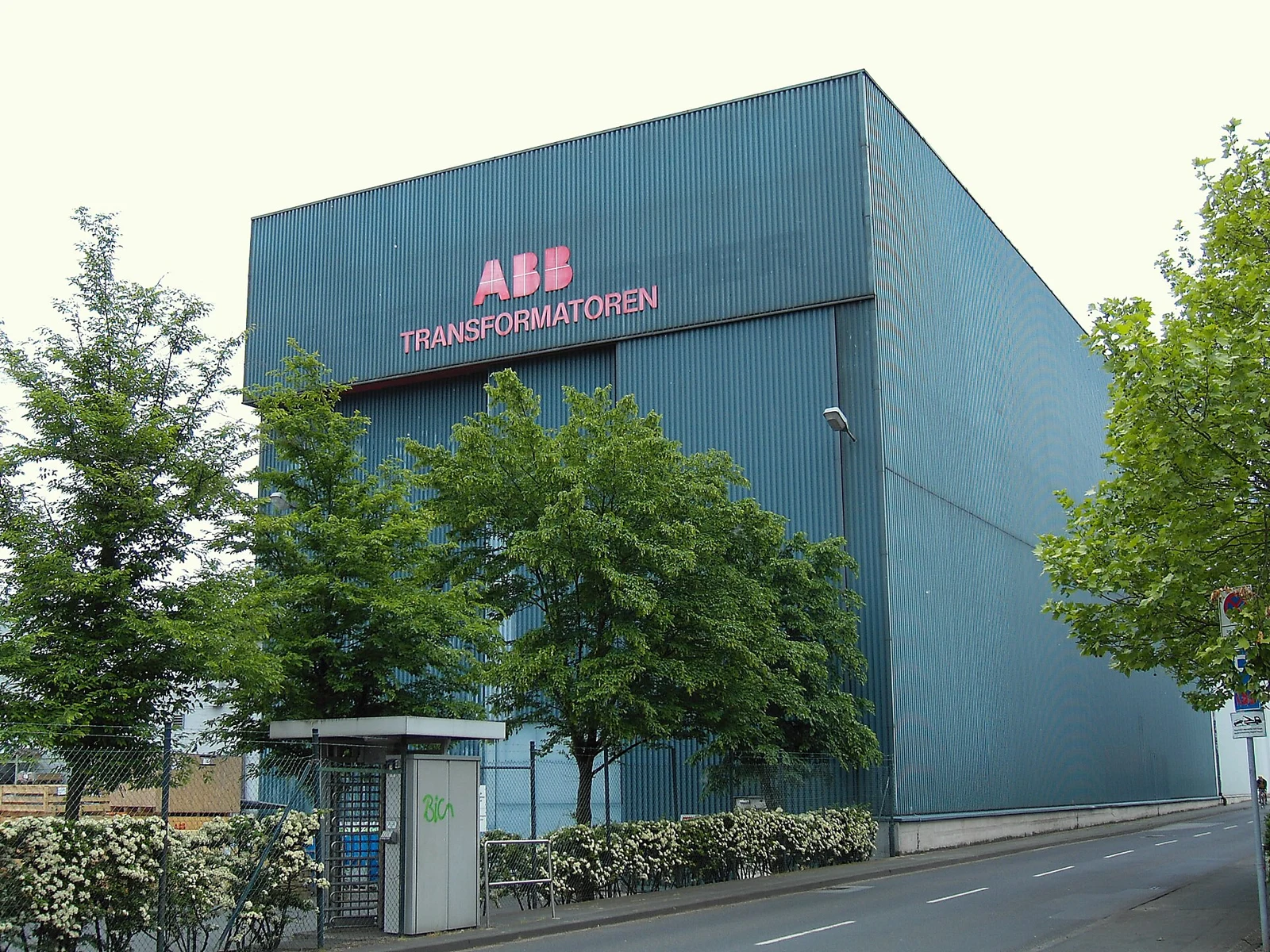
In its September statement, Bitdeer used a self-funded substation at Massillon, Ohio as an example of direct infrastructure investment. The company also said it secures power without drawing down existing ratepayer capacity, pays for tied substations, transformers and transmission upgrades and works with utilities on separate rate structures where applicable. Those are company claims that can be tested against site agreements and regulatory filings. The pledge does not independently audit historical costs or certify the Ohio project.
A public pledge is not the same as enforceable regulation
The White House page frames the initiative as a public commitment and notes that power prices are set through state regulators, buyers and sellers. Actual protection depends on tariffs, contracts, commission orders, permits and enforcement in each jurisdiction. A signatory can provide useful accountability, yet communities still need access to project documents and complaint processes. Investors and operators should not assume the label removes interconnection delays, local opposition, environmental review or the risk that a regulator later changes cost allocation.
What to watch at new mining and AI sites
For each Bitdeer or other signatory project, the useful evidence is the requested and approved load, source of incremental generation, utility upgrade budget, security posted for construction, tariff class, minimum payment, curtailment terms and local-benefit reporting. Compare the planned in-service date with power and transmission milestones. Track who pays if capacity is delayed or unused. These details determine whether the pledge protects ratepayers in practice and whether a large-load business can still operate economically under the promised structure.
Source: White House / Bitdeer ↗
Mining calculator ↗