Hitachi Energy and Ansaldo Energia sign generation-to-grid cooperation memorandum
Source report: 2026-10-16 · Editorial analysis published: 2026-10-16
The October 16 memorandum combines generation and grid capabilities for proposed integrated solutions in 50 Hz and 60 Hz markets. It does not announce an operating power plant or a named mining customer.
Analysis and practical implications
This section is our analysis and illustrative calculations, separate from the source report.
A signed memorandum, not delivered capacity
Hitachi Energy and Ansaldo Energia announced on October 16 that they signed a memorandum of understanding to develop and market integrated power solutions. The confirmed event is the cooperation agreement. The companies describe intended development and applications, rather than commissioning a particular power station.
The distinction is useful for readers tracking energy constraints on mining and data centers. A supplier partnership can broaden the engineering offering, but it is not itself new available megawatts, a signed electricity tariff or an approved connection for an individual site.
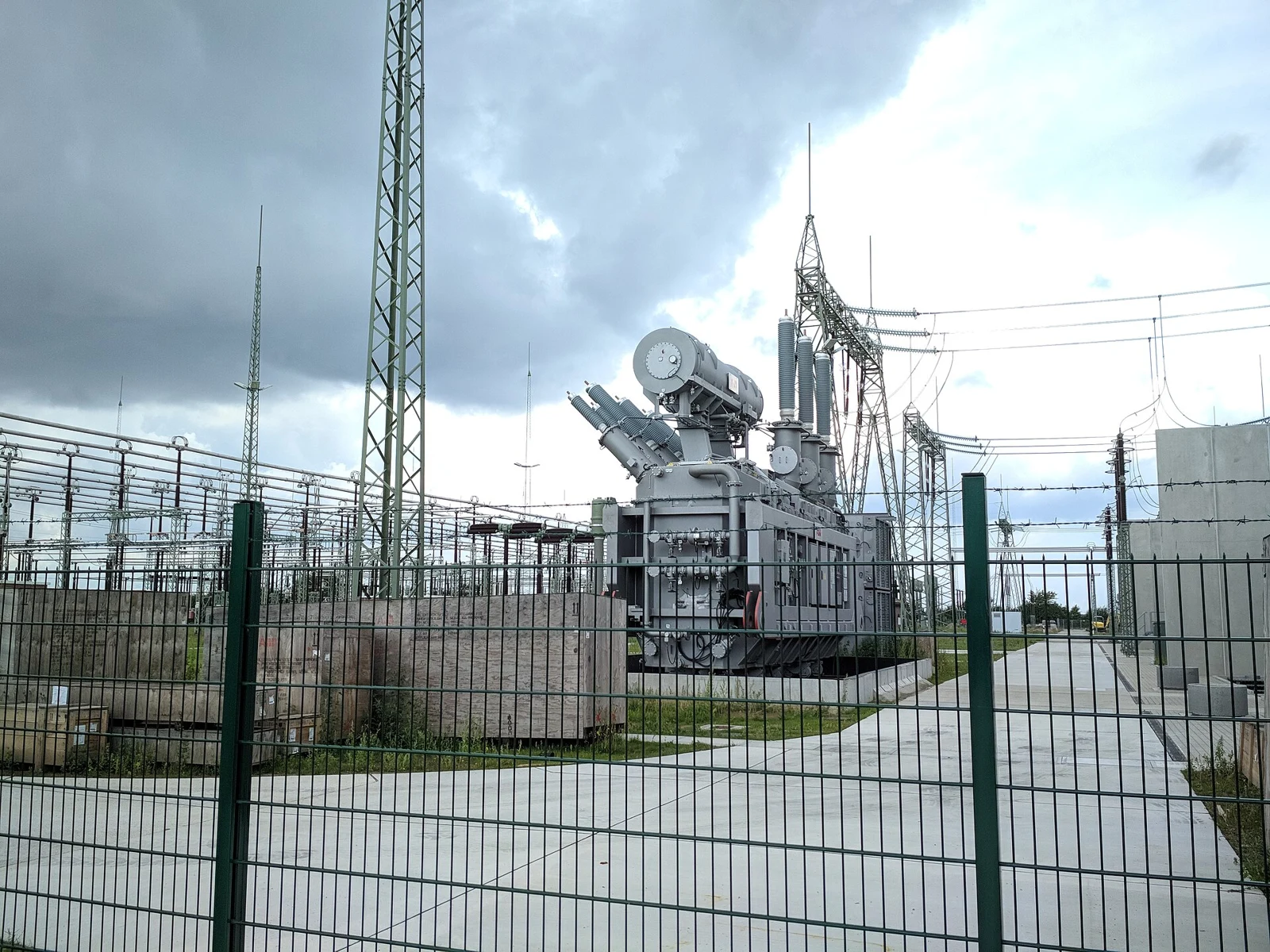
Generation and grid roles
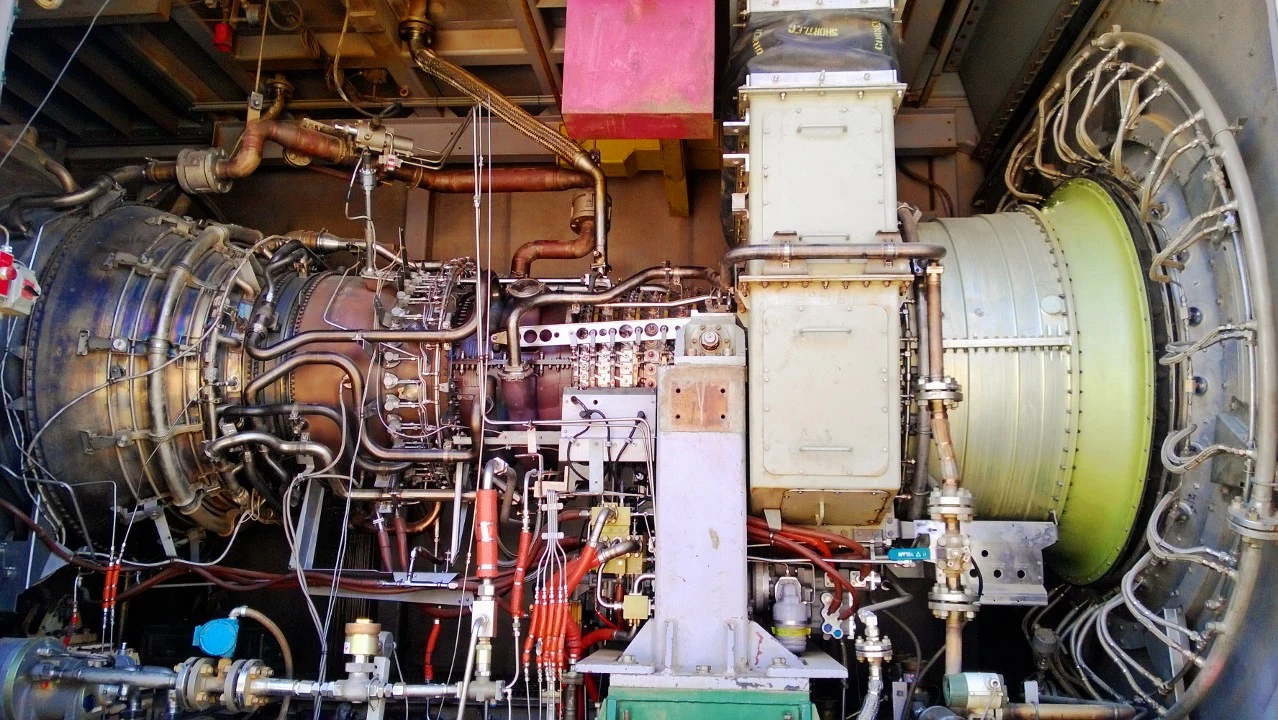
Ansaldo Energia contributes gas-turbine and generator technologies. Hitachi Energy contributes grid integration spanning high-voltage equipment, transformers, automation and power electronics. The announced aim is to connect generation and electrification expertise across a wider delivery chain.
These functions are complementary but remain technically different. A turbine generates shaft power for a generator; transmission and conversion equipment move and condition electrical power. A transformer's capacity should not be added to generating capacity as though the two were independent electricity sources.
Two frequency markets
The partners intend to develop solutions for both 50 Hz and 60 Hz markets, including data centers. This is a statement about intended market coverage, not confirmation that every proposed product can switch frequency on demand or operate unchanged on any grid.
A project still needs defined voltage levels, equipment ratings, protection settings and connection requirements. For an ASIC farm, compatibility of the final supply with the miner's power unit is a separate question from the nominal frequency of the upstream generation system.
End-to-end scope remains a development aim
The release describes integrating generation with the complete transmission system through to consumption, for energy hubs, data centers and other large electricity users. That scope explains why the announcement matters beyond a single turbine sale.
It does not disclose a selected site, a project megawatt rating, a customer order, capital cost, construction start or energization date. Readers cannot convert a broad integrated offering into an imminent supply commitment without those later project disclosures.
Power and energy are not interchangeable
For an illustrative facility drawing a constant 20 MW for 24 hours, electricity use would be 480 MWh. This arithmetic is an editorial example, not a rating, annual output forecast or delivered-energy guarantee for the partnership.
Actual annual energy depends on load, operating hours, outages and dispatch. Fuel supply, cooling and auxiliary loads also affect the net power available to computing equipment. A generation nameplate alone cannot establish the electricity budget of an occupied data center or mining farm.
Digital operations and resilience claims
Hitachi Energy says it aims to support autonomous and integrated data-center operation through One Hitachi by combining power solutions with HMAX Data Center. This is an intended integration path; the release does not publish a measured outage reduction or an accepted operating-site benchmark.
Automation can coordinate equipment, but it does not by itself create fuel, stored energy or a redundant physical supply. Resilience requires a specified architecture and tested operating modes. No guaranteed backup duration or uninterrupted-power performance follows from the memorandum alone.
Deployment speed needs a project baseline
Management frames the cooperation as a way to address growing electricity demand and accelerate access to reliable power. Those statements describe the business objective. No numerical schedule reduction, manufacturing slot allocation or comparison with a named conventional project is supplied.
For practical planning, generation procurement, network works and site acceptance must be tracked as distinct milestones. Integrating suppliers may reduce interfaces, but the release is not evidence that permits, transmission studies or construction obligations have already been completed.
What to watch next
A subsequent named project would make the commercial scope easier to assess: its contracted equipment, net output, delivery timing, grid connection and completion conditions. Those are the facts needed to evaluate whether the cooperation translates into usable electricity for a computing load.
For now the news is a new generation-to-grid partnership with intended 50 Hz and 60 Hz coverage. It belongs in infrastructure monitoring; it does not justify changing catalogue ASIC specifications, firmware compatibility or calculator electricity tariffs without separate site-specific evidence.
Source: Hitachi Energy ↗
Mining calculator ↗