Hitachi Energy plans CAD 479 million transformer-insulation factory in Ontario
Source report: 2026-10-16 · Editorial analysis published: 2026-10-17
The October 16 announcement targets completion by 2028 for a 21,000 m² London facility. Pressboard and laminates support transformer manufacturing; the project is not new generating capacity or an operating factory.
Analysis and practical implications
This section is our analysis and illustrative calculations, separate from the source report.
A materials investment with a future timetable
Hitachi Energy announced a CAD 479 million investment in a planned Transformer Insulation Factory in London, Ontario. The October 16 release describes a facility expected to be completed by 2028, not a factory already delivering materials. The announcement is separate from the company's generation-and-grid cooperation memorandum.
The planned site covers 21,000 square meters and is expected to create more than 100 permanent skilled jobs. Floor area and future jobs describe project scale; neither establishes annual production volume, confirmed current staffing or an amount of electricity available to computing customers.
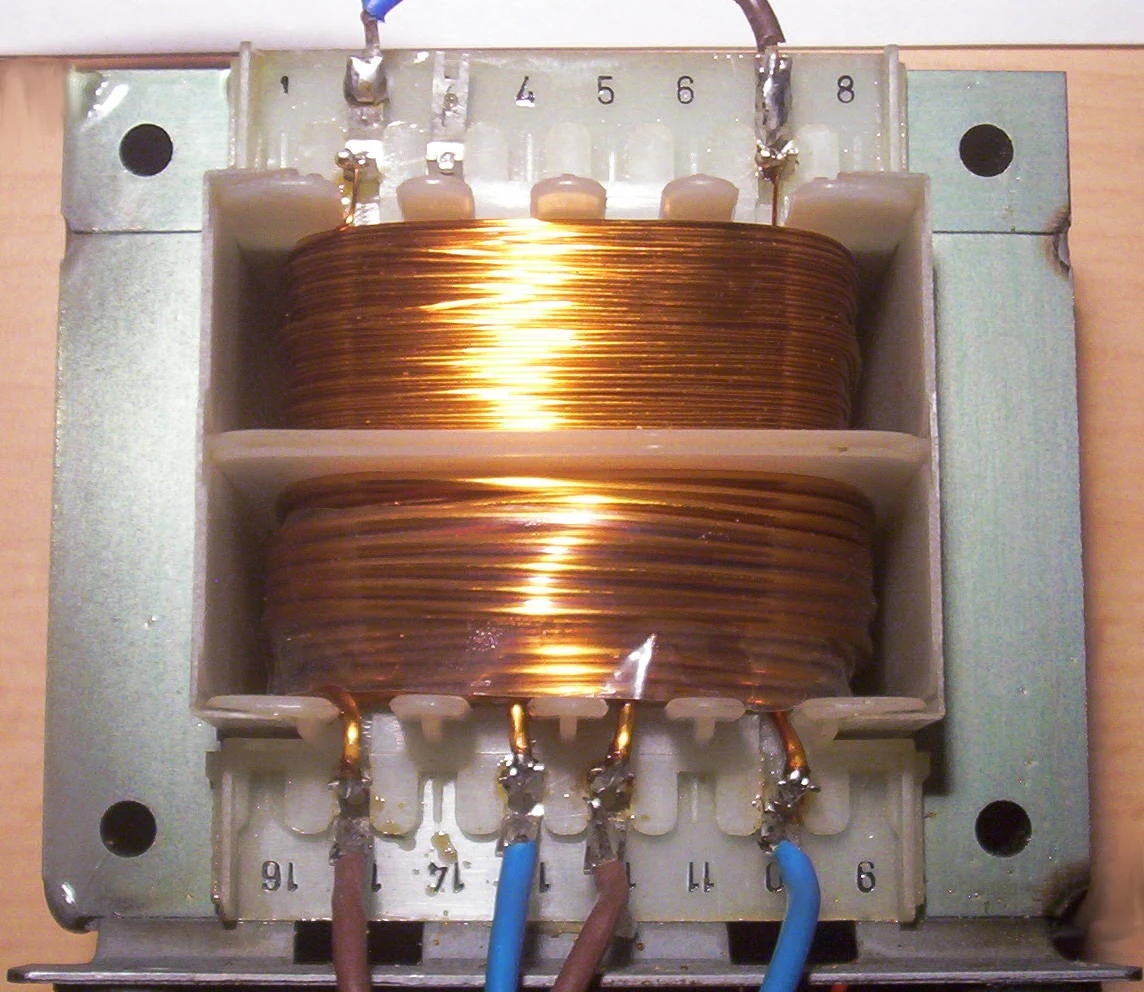
Why pressboard matters
The factory is intended to manufacture electrical insulation pressboard and laminates for transformers. The issuer describes these materials as important to electrical insulation, design, cooling and reliability. They are specialized transformer inputs, rather than ordinary packaging board or complete power-generation equipment.
This is a supply-chain story for mining and data centers because their electrical infrastructure depends on transformers as well as generators and network connections. More material production can address one manufacturing constraint, but cannot alone complete a substation or remove every equipment lead-time bottleneck.
Support amounts require careful accounting
The release lists CAD 20 million through Canada's Strategic Response Fund, up to CAD 20 million from Ontario's Invest Ontario Fund, and another CAD 10 million from Natural Resources Canada. The provincial amount is explicitly an upper bound rather than an unqualified fixed payment.
Adding the announced amounts gives up to CAD 50 million. This is not evidence that the entire amount has already been disbursed, and it should not automatically be added on top of the CAD 479 million headline or subtracted to declare the company's final net cost. The release does not provide that complete accounting reconciliation.
Currency figures are not a live conversion
Hitachi Energy describes CAD 479 million as more than USD 330 million. This report retains the issuer's stated currency relationship. It does not turn those rounded figures into an exact current exchange rate or use them to price a miner's electricity in another currency.
For illustration, CAD 50 million divided by CAD 479 million is about 10.44%, using the maximum support sum. That ratio is conditional arithmetic, not a verified public-funding share of final project costs or a statement that all grant conditions have been met.
A new line, not transformer megawatts
The company calls the project Canada's first pressboard manufacturing line and its first such line in the Americas. Those are attributed manufacturer claims about a planned industrial capability. They do not specify the number of finished transformers that customers will receive each year.
No output in tonnes, production ramp curve, allocation to a named data center or guaranteed transformer delivery slot is disclosed. It would be inaccurate to translate the factory's capital budget or square meters into new grid megawatts without a separate engineering and production basis.
Project dates and portfolio dates differ
The factory's expected completion by 2028 appears alongside a broader commitment to invest more than USD 2 billion in the North American supply chain through 2027. These are different scopes and time references, not proof that this particular facility must be fully operational in 2027.
The release also refers to the Canduct acquisition and a separate Canadian expansion in Varennes. Those are context for the manufacturing network. They must not be counted again as new projects announced by this single London factory release, or combined into an invented total capacity figure.
Implications for computing sites
For a mining farm, a transformer rating, available interconnection and energy contract are separate inputs to deployment. An upstream insulation project can improve future sourcing options, but the announcement does not give an individual farm a tariff, an approved service capacity or a commissioning date.
It also does not change ASIC power consumption or authorize a new electrical operating configuration. Device-level efficiency and site infrastructure should remain separately documented. A materials investment is relevant to planning without being a measured improvement in the profitability of an existing rig.
The next evidence to monitor
Construction milestones, equipment installation, commissioning and the start of production would show how the plan progresses. Later output specifications and qualified-customer deliveries would help assess whether local material supply is actually increasing and where it enters the transformer supply chain.
The confirmed news today is a sizable planned insulation investment with disclosed public support and a 2028 completion expectation. The practical significance is attention to an often less visible grid component; present availability, final cost and delivery benefits still require subsequent project evidence.
Source: Hitachi Energy ↗
Mining calculator ↗