Baker Hughes, Venture Global and GE Vernova set framework for up to 16 power islands
Source report: 2026-10-15 · Editorial analysis published: 2026-10-16
The October 15 framework covers potential equipment and service supply, with deliveries contemplated for 2028–2034. A first purchase order is expected by end-2026; 16 units are not confirmed operating plants.
Analysis and practical implications
This section is our analysis and illustrative calculations, separate from the source report.
A framework before the first purchase order
Baker Hughes announced a Power Frame Agreement with Venture Global and GE Vernova on October 15 for behind-the-meter generation in the United States. It establishes a supply framework for up to 16 power-island units. Venture Global expects the first purchase order by the end of 2026 and further orders beginning in 2027; contemplated deliveries run from 2028 through 2034. The framework is not a statement that 16 plants are already ordered, delivered or producing.
The stated applications are LNG production and related industrial operations, with potential future LNG-adjacent data centers. That last qualification matters: the announcement does not identify an operating mining tenant or establish that every unit is reserved for AI. The confirmed event is an agreement around a repeatable supply architecture; individual orders and project execution remain separate milestones that need their own evidence.
What the power-island scope includes
The framework covers gas turbines, steam turbines, associated equipment and services. Baker Hughes also describes controls and electrical integration, including the E-house and electrical control systems. A generation installation is thus more than one rotating machine. Its electrical interfaces and control integration determine how the supplied components serve the loads inside the project’s defined scope.
Listing those components does not provide a complete bill of materials for each eventual island. The release does not state identical equipment ratings, contract price or a universal net MW output per unit. A unit count should not be converted into a capacity total using an assumed standard turbine size. Product configuration, operating conditions and the site’s own requirements would have to be specified before such a total became meaningful.
Behind the meter is a boundary, not unlimited autonomy
Behind-the-meter describes the relationship between generation and a customer’s electrical accounting boundary. It does not, on its own, prove that a site is permanently disconnected from the grid, can black-start every load or has unlimited fuel. The phrase power island is part of the described architecture; it should not be turned into a blanket claim of uninterrupted independent operation.
For a comparable design, the useful evidence would identify the supply interface, protection, fuel availability, starting sequence, permitted operating modes and load that remains served during a disturbance. Those details are not supplied for every future project here. No outage duration or battery-like autonomy figure is inferred merely from a generation system being located on the customer side of a meter.
Sixteen units does not specify sixteen gigawatts
The up-to-16 number is a ceiling on units in the framework, not an energy measurement or a published GW rating. Likewise, dates from 2028 through 2034 describe the contemplated delivery window, not a completed build-out in 2028. A tracker should separately record framework coverage, purchase orders, deliveries, installation, acceptance and commercial operation.
A first order, if later announced, would update an order milestone rather than create a second copy of the framework’s capacity. Actual delivered units may have different dates and configurations. Without their ratings, even a complete count of units is insufficient to compute net available power. The current announcement supplies no basis for allocating a fixed MW share to mining or adding the framework directly to a present-day electricity-supply total.
Power, energy and fuel need separate inputs
As an illustrative example, a hypothetical 100 MW net output sustained for 24 hours would deliver 2,400 MWh. This is not a rating assigned to one of these power islands. A generating system’s output also depends on its actual operating level, maintenance and auxiliary consumption. A nameplate number and a calendar interval cannot guarantee that every hour was delivered.
A cost or emissions comparison would additionally require fuel use, prices, operating conditions and the relevant accounting boundary. The release gives no complete project-specific fuel curve, electricity tariff or measured emissions result. We do not infer zero emissions, a fixed cost per BTC or a payback period from the existence of a turbine framework. LNG operations and computing demand may share infrastructure context while still having different commercial arrangements.
Controls are part of delivery rather than evidence of acceptance
The described E-house and electrical control work place integration within the supplier’s scope. They do not establish that a future site’s acceptance testing has already happened. A useful commissioning record would identify what was tested, under which load, at what interface, and which protections and transitions were demonstrated.
This distinction is especially relevant for computing infrastructure, where a power interruption and a controlled reduction in load can have different operating consequences. A supplier’s architectural description does not determine a particular customer’s acceptable downtime. No ASIC power-supply compatibility or miner firmware change follows from this agreement. Those device-level requirements remain tied to their own manufacturer documents and the actual electrical installation.
The delivery horizon creates several checkpoints
The expected end-2026 first order, additional orders from 2027 and deliveries in 2028–2034 should each be followed on their own terms. A stated expectation can later change without retroactively making the original announcement a completed project. The release does not give a site-by-site schedule or state that every possible island will be built at the same time.
For infrastructure reporting, retaining a dated status is more useful than adding every announcement’s headline quantity to one growing capacity number. A signed order would establish more than a framework; successful acceptance would establish more than equipment shipment. This sequence allows real progress to be recorded while avoiding a repeated count of the same planned development across years of updates.
Why mining readers should follow the boundary
The agreement shows how industrial generation supply is being organized alongside potential large computing loads. Its relevance is the competition for equipment, integration and long delivery timelines, not a direct forecast of Bitcoin difficulty or an already available hosting tariff. A possible future data center remains a possible application until a specific project and load are confirmed.
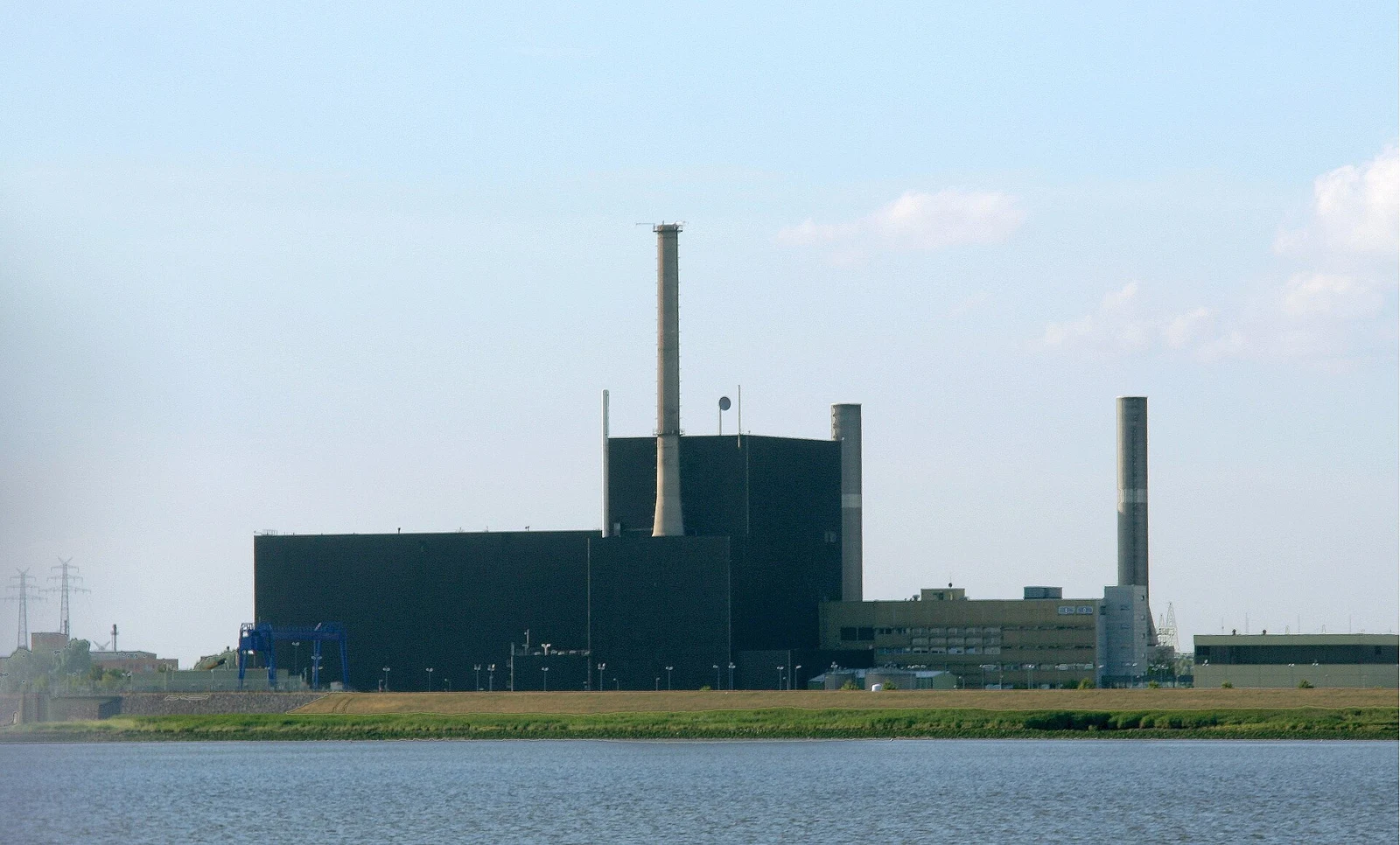
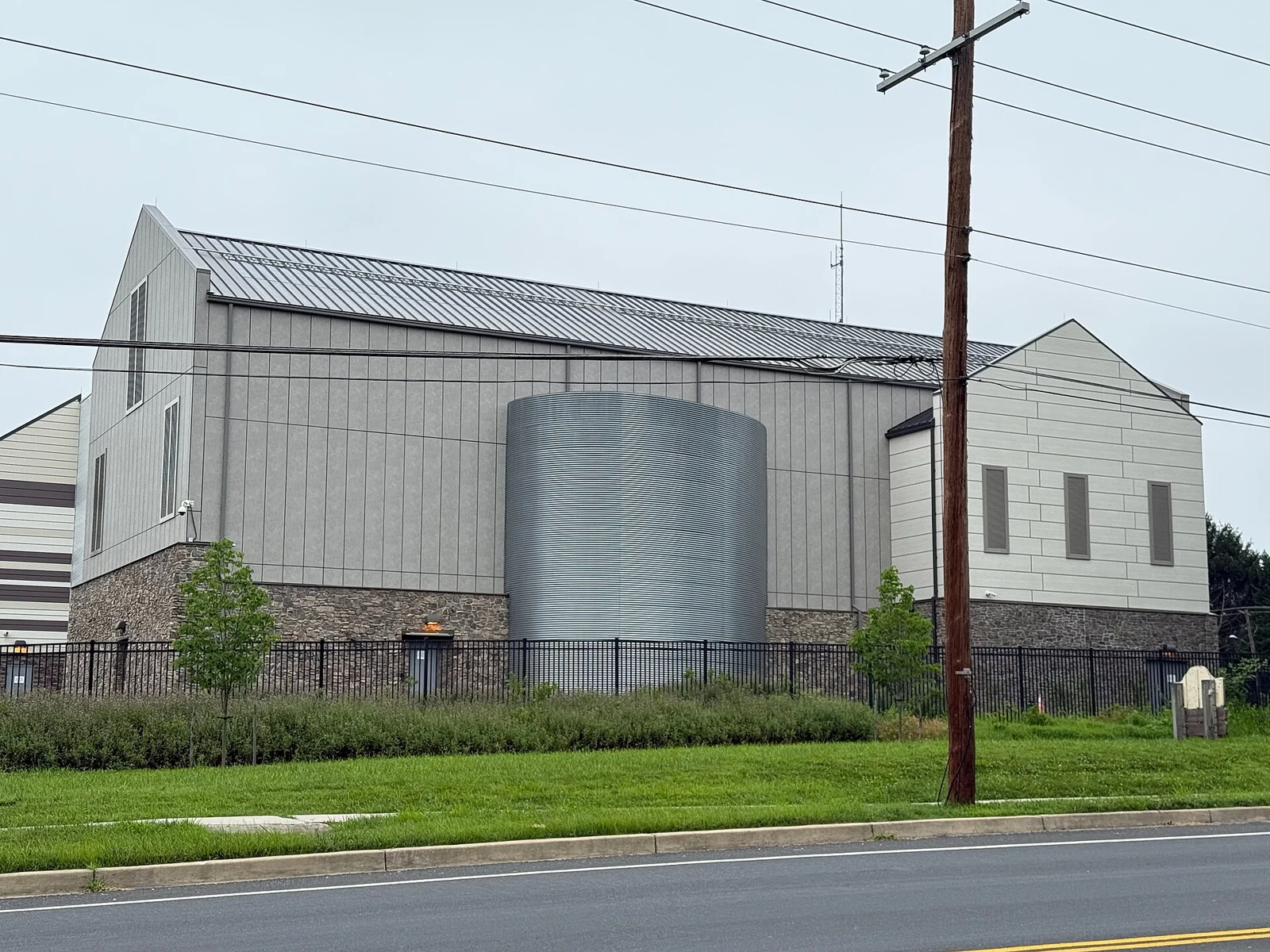
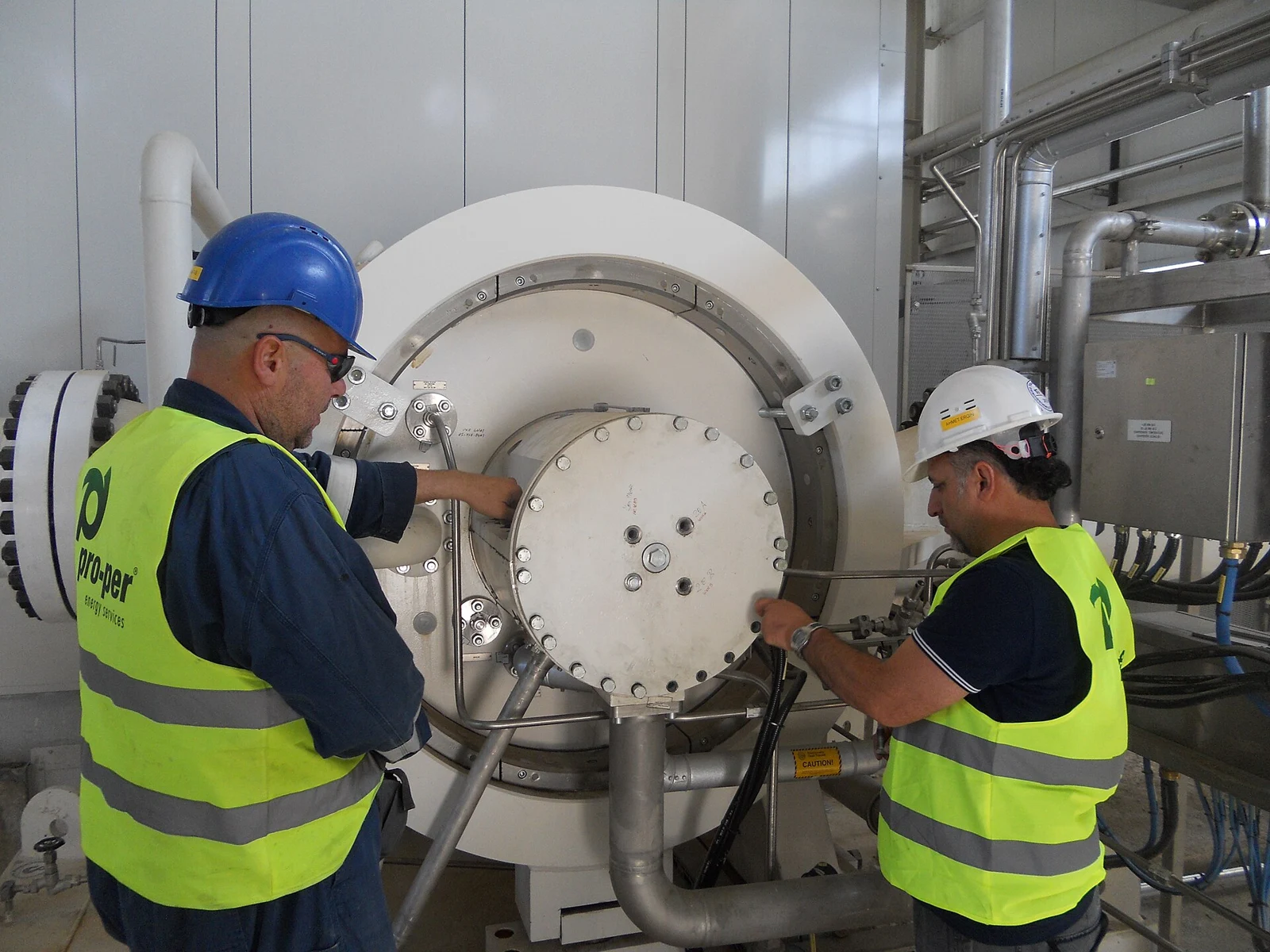
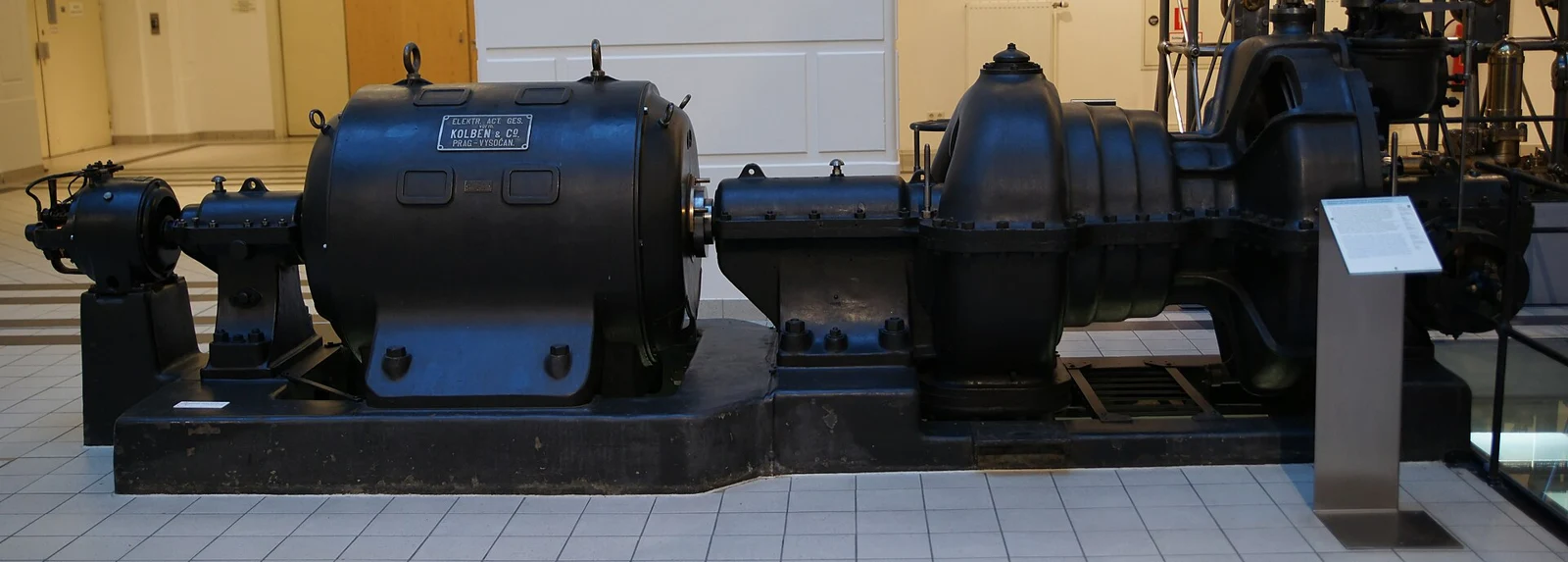
The photographs show historical turbine and electrical-generation equipment, not the newly announced units or a completed Venture Global data center. The numerical example is explicitly hypothetical. The confirmed news remains the three-party framework and its stated order and delivery expectations; current generating output, exact installed MW, customer economics and any mining deployment are not established by this release.
Source: Baker Hughes ↗
Mining calculator ↗