Wärtsilä, Schneider and Stanley present a generator-to-chip data-center model
Source report: 2026-09-30 · Editorial analysis published: 2026-10-02
The three companies propose coordinating onsite generation, electrical systems and engineering from the start; no customer, site, megawatt award or guaranteed schedule saving was announced.
Analysis and practical implications
This section is our analysis and illustrative calculations, separate from the source report.
Three companies introduced a coordinated delivery model
Wärtsilä, Schneider Electric and Stanley Consultants announced a generator-to-chip approach for U.S. data centers. The model aligns onsite power generation, electrical distribution, automation, engineering and project execution around the planned AI load. It is a commercial and engineering framework rather than a disclosed construction award. The release names no customer, location, contract value, megawatt total, groundbreaking date or commissioned facility using the combined approach.
The stated aim is to reduce handoffs
Traditional projects can divide generation, switchgear, controls, cooling interfaces and building works among separate packages. The partners argue that coordinating these interfaces from the outset can shorten schedules and improve execution certainty. The release does not quantify the reduction in months or provide a completed-project benchmark. Any actual saving will depend on design maturity, permitting, fuel and grid access, equipment lead times, contractor performance and the customer’s decision process.
Wärtsilä supplies modular engine power plants
Wärtsilä’s role is flexible modular engine generation that can start rapidly and scale with site demand. Such plants can serve as onsite prime power, support a grid connection or operate in an islanded design. Nameplate output is only part of the decision. A data-center operator must also evaluate efficiency at different loads, ramp rate, minimum stable load, scheduled maintenance, spare capacity, fuel pressure, emissions controls, noise, black-start capability and the consequences of one engine being unavailable.
Schneider connects generation to the IT load
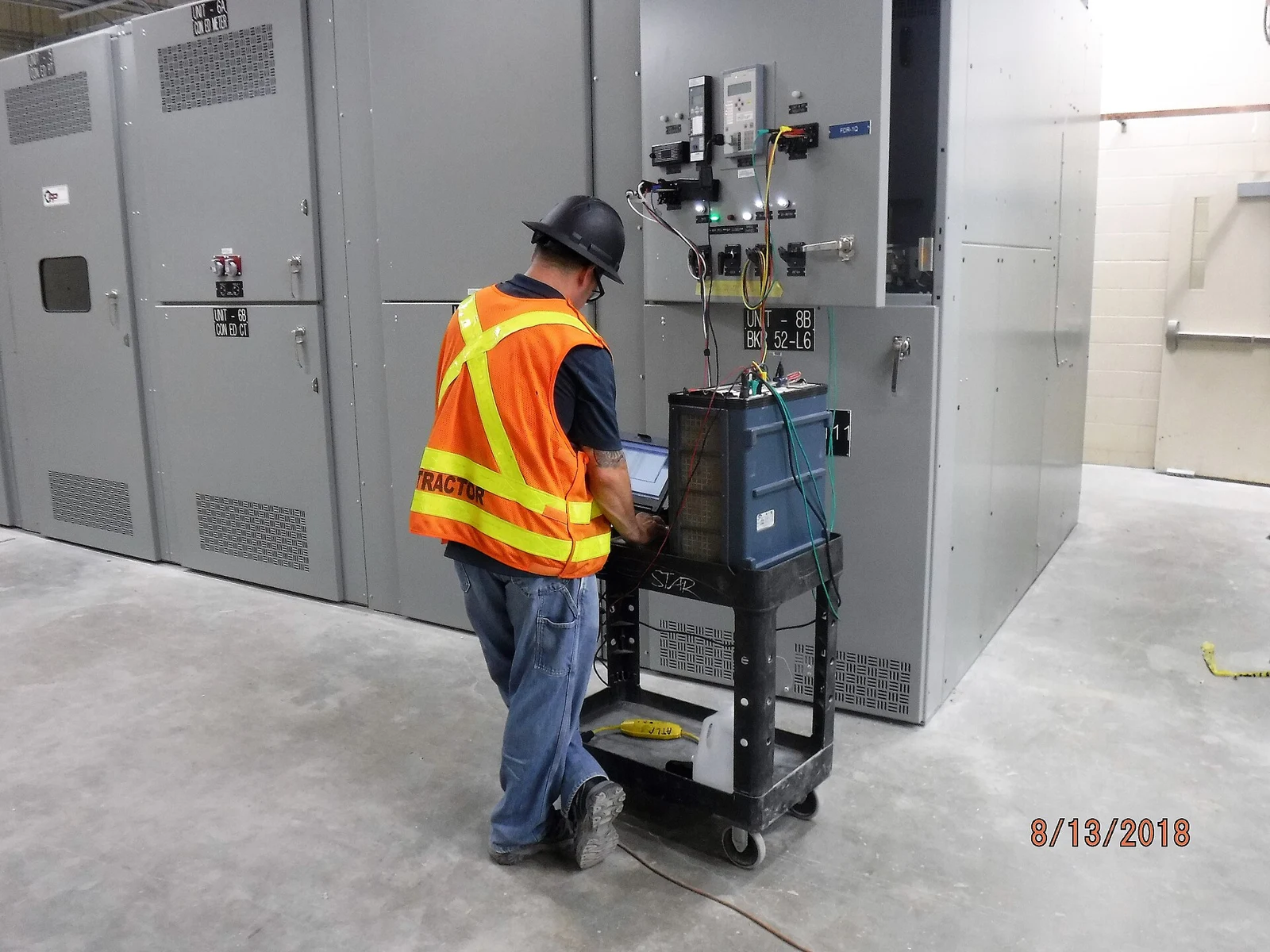
Schneider Electric contributes electrical architecture, automation and digital power management. This layer includes the path from generators through protection and distribution to the compute load. Coordinated controls can reduce interface errors, but the release does not specify switchgear models, voltage levels, redundancy, UPS topology, battery duration or rack density. Those details determine fault behavior, serviceability and how much generated power reaches servers after conversion and facility overhead.
Stanley covers engineering and project execution
Stanley Consultants provides advisory work, permitting, design coordination, construction management, commissioning oversight and climate-resilience expertise. These services address risks that a hardware-only announcement can omit. Commissioning should prove protection settings, control sequences, load steps, failover and cooling interaction before production workloads depend on the plant. The release describes available capabilities, while the scope and accountability for any future customer will be set by project contracts.
The architecture can be grid-connected, islanded or hybrid
The companies say the approach applies to grid-connected, islanded and hybrid configurations. A grid-connected site may import, export or use onsite generation during constrained periods, subject to utility rules. An islanded site must manage every disturbance internally and needs adequate reserve and black-start planning. A hybrid can combine both, but its protection and commercial arrangements are more complex. The announcement does not select one architecture or claim that a specific facility has received interconnection approval.
Mining sites can use the same integration discipline
ASIC facilities also join generation, distribution, ventilation or liquid cooling, network and workload control. Their ability to reduce load can make them more flexible than latency-sensitive AI services, but weak coordination still creates stranded megawatts or unstable operation. Mining developers can apply the generator-to-chip idea by defining electrical limits, curtailment logic, firmware behavior and commissioning tests together. They should demand measured efficiency and availability instead of assuming an integrated vendor team guarantees lower cost.
What the announcement proves
The release confirms that the three firms are offering a coordinated approach and identifies each company’s intended role. It does not establish a new data-center campus, equipment sale, operating capacity or binding performance guarantee. Evidence to watch includes a named customer, contracted megawatts, chosen engines and electrical design, permits, construction notice, commissioning results and a measured comparison with a sequential project. Those disclosures would show whether the framework produces the schedule and reliability benefits described by its sponsors.
Source: Wärtsilä ↗
Mining calculator ↗