Vera Rubin: start with the site
Source report: 2026-08-13 · Editorial analysis published: 2026-09-10
Luxor argues that electrical capacity, cooling and deployment readiness shape the purchase decision as much as processor specifications.

Analysis and practical implications
This section is our analysis and illustrative calculations, separate from the source report.
A purchasing decision begins outside the rack
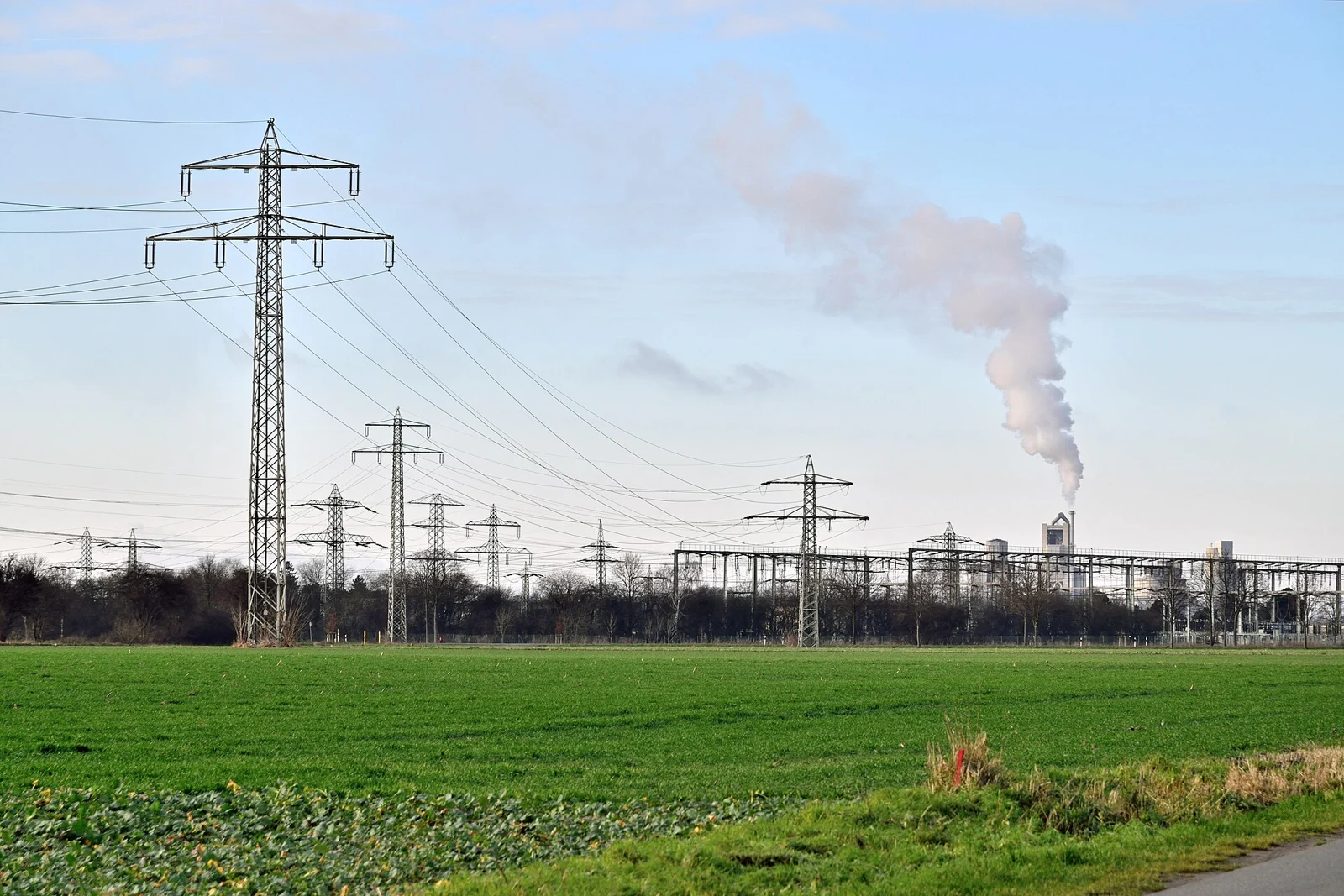
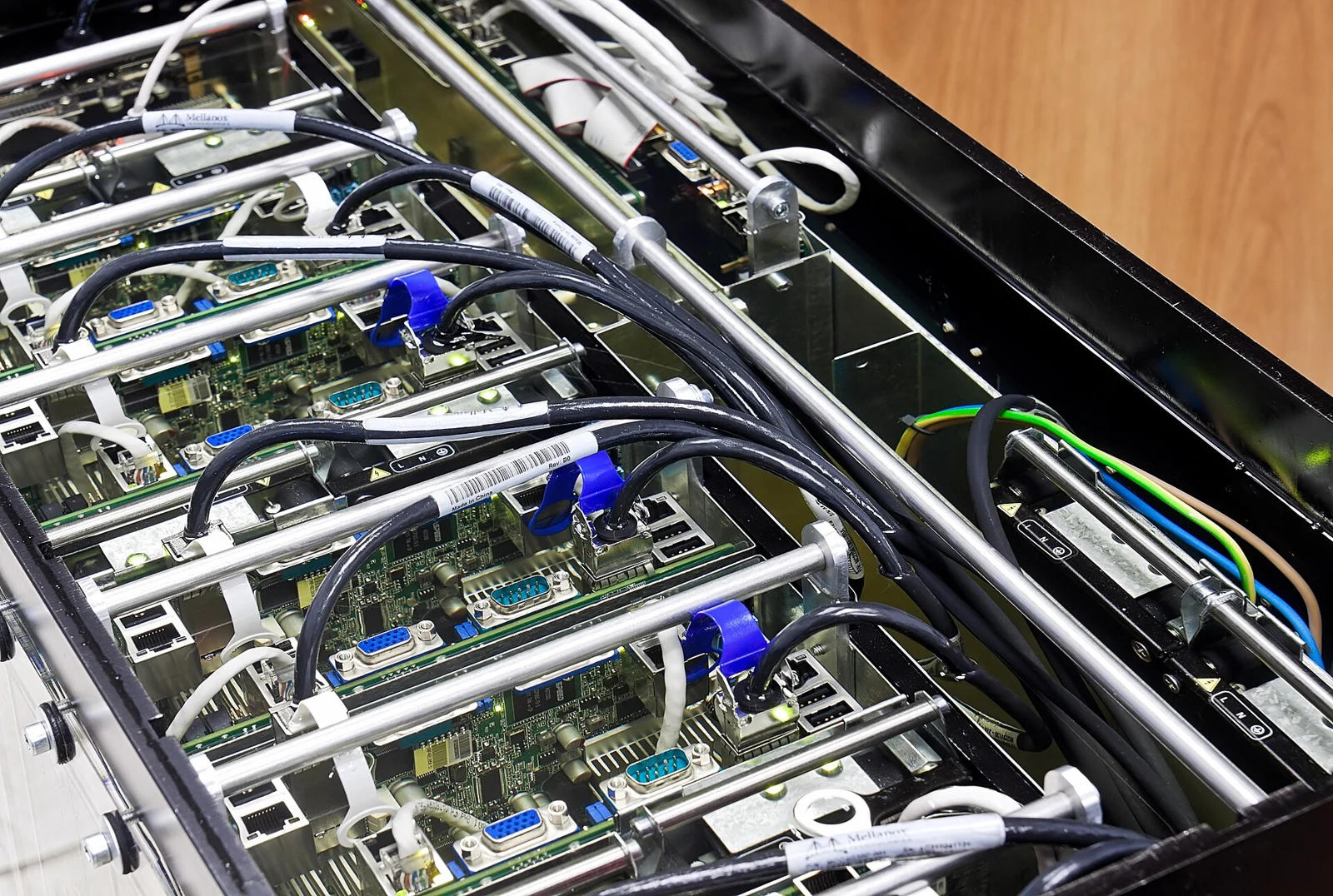
The attractive part of a new computing platform is the performance specification. The expensive surprises often sit elsewhere: the electrical connection, cooling distribution, network fabric, room layout and commissioning schedule. For a mining company investigating AI hardware, those systems deserve a separate feasibility study before the equipment order becomes binding.
A site can have sufficient total electrical capacity and still need major changes to distribute it to dense racks. Similarly, a cooling plant may have enough nominal capacity while lacking the temperature, flow or redundancy required by the proposed installation. The useful question is whether the complete system can operate within its limits on an unfavorable day, not whether the building once hosted an equivalent number of megawatts.
Convert the proposal into verifiable requirements
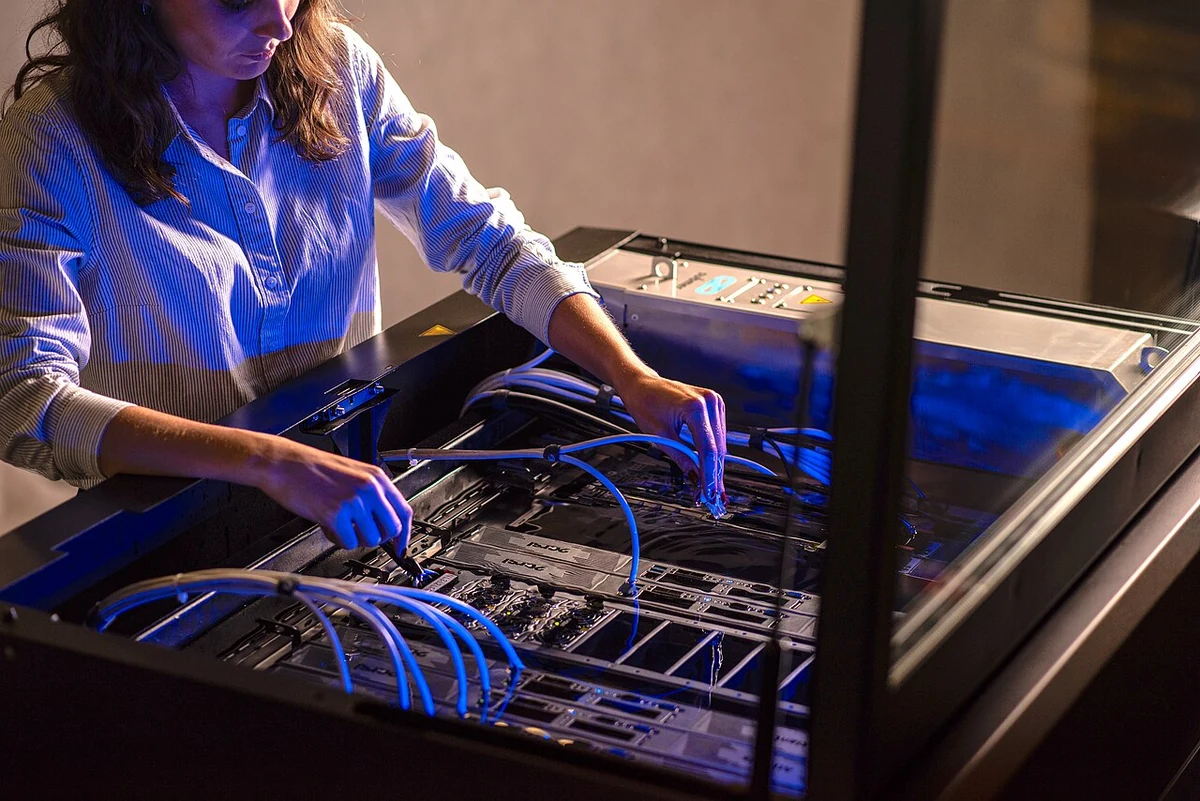
Ask the equipment supplier for a requirements matrix that separates mandatory conditions from recommendations. Match each condition with an engineering document or measured site capability. Assign an owner and completion date to every missing item. This transforms a discussion about readiness into a list of concrete dependencies.
Networking belongs on that list. A customer buying a computing service expects more than powered processors. The service may depend on storage throughput, network connectivity, scheduling software and support procedures. An installation that passes an electrical test can still fail to deliver the intended application performance.
Model the interval between delivery and revenue
Suppose equipment is delivered four weeks before the supporting infrastructure is ready. During that interval, financing and storage expenses may continue while customer billing has not started. Adding that delay to a financial model is more realistic than assuming revenue begins on the invoice date.
Run a second delay case caused by customer onboarding rather than construction. These are different risks and may require different solutions. A spare transformer does not solve missing customers, and a signed customer agreement does not complete a cooling installation. Keep the commercial and engineering schedules visible together.
Define acceptance before the purchase
Agree on the evidence required to accept the system: stable operation, workload performance, measured consumption, failure recovery and documentation. Identify which party is responsible for each test. A performance number from an unrelated demonstration cannot automatically serve as the acceptance criterion for your installation.
The purchase becomes easier to judge when the assumptions are explicit. If the project only works with immediate commissioning, full utilization and an unchanged selling price, it has little room for ordinary operating problems. A realistic plan explains how the site will reach commercial service and what happens when one dependency arrives late.
Source: Hashrate Index / Luxor ↗
Mining calculator ↗