Vattenfall selects Fluence for 254 MW Brunsbüttel battery project
Source report: 2026-10-14 · Editorial analysis published: 2026-10-15
The October 14 agreement covers a planned storage facility exceeding 1,000 MWh. Construction is expected in 2027, with operation and connection to the 50Hertz network planned for end-2028.
Analysis and practical implications
This section is our analysis and illustrative calculations, separate from the source report.
An agreement for a future storage asset
Vattenfall and Fluence announced an agreement on October 14 for a planned battery facility at the Brunsbüttel nuclear plant site, which is being decommissioned. The stated design is 254 MW with more than 1,000 MWh of storage. Construction is expected to start in 2027; operation and connection to the 50Hertz 380 kV network are planned for the end of 2028. This is a delivery agreement, not confirmation of an already operating battery.
Fluence describes a turnkey scope using its Gridstack Pro 5000 platform, including engineering, procurement, construction, commissioning and long-term service. Those responsibilities connect the agreement to a physical implementation rather than a standalone cell purchase. They do not erase the future construction and acceptance milestones. A project tracker should retain the contract date, planned start and expected operational date as separate fields.
Why the release uses both MW and MWh
The MW figure describes power, while MWh describes an amount of energy. Their ratio provides a nominal duration only when the quantities use a consistent boundary. Dividing exactly 1,000 MWh by 254 MW gives approximately 3.94 hours. Four hours at 254 MW corresponds to 1,016 MWh. The release says more than 1,000 MWh and calls the project a four-hour facility, so those descriptions should not be treated as an exact contradiction.
Neither calculation independently establishes the usable energy at a customer’s meter. Operating limits, auxiliaries, losses and reserve settings can affect delivered output. The reported figures should retain their qualifiers rather than becoming an invented exact battery inventory. No cell count, module configuration or guaranteed net four-hour delivery profile is derived from the rounded project headline. Such details would need a defined test boundary and project documentation.
A former generating site does not make storage generation
The project’s location gives it an energy-infrastructure context, but a battery and a nuclear generating unit perform different tasks. A battery shifts stored energy through time and can provide grid services; it requires charging. The announcement is not a reactor restart, a new nuclear power station or an assertion that the battery creates 1 GWh of fresh energy without an input source.
The planned 380 kV connection is also an interface description, not another 380 units of generating power. Voltage, power and energy cannot be added together into one capacity total. Reusing an energy site can be operationally relevant without proving which historic assets will be retained or what connection work is complete. The new release should be read as a storage delivery plan with its own implementation milestones.
Grid flexibility and a private backup contract are distinct
The companies frame the project around flexibility, renewable integration and grid resilience. A grid-connected storage asset can respond to system needs under its operating arrangements. That does not establish a dedicated backup entitlement for a nearby data center or mining farm. The release identifies no mining tenant, reserved industrial load or customer-specific islanded supply arrangement.
For a large load, the relevant questions would include the actual supply contract, connection constraints, dispatch priority and protection scheme. A battery located in the same region need not be electrically or contractually assigned to that load. The distinction matters when translating energy-sector news into operating assumptions: general flexibility may be relevant context, but it cannot be entered into a farm budget as free backup hours or a guaranteed electricity-price reduction.
Charging losses belong in the energy balance
As an illustrative calculation, delivering 100 MWh through a storage cycle at an assumed 90% round-trip efficiency would require about 111.11 MWh of charging energy under a consistent boundary. This is not the Brunsbüttel system’s published efficiency. It shows why a storage discharge total cannot be evaluated as though charging and losses were absent. The release does not disclose a measured project-specific round-trip result.
The energy balance should state where charging is metered, where output is measured and whether auxiliaries are included. Otherwise two apparently similar efficiency numbers may describe different scopes. A financial comparison would also need the actual charging and discharge prices and any other contracted revenues or costs. We do not manufacture a daily margin from the project’s nominal energy capacity or assume that every cycle will be a complete charge and discharge.
Power support is not a universal autonomy guarantee
Using exactly 1,000 MWh as a hypothetical energy quantity, a constant 100 MW load would consume that amount in ten hours before losses and other constraints. This is not a Brunsbüttel backup commitment. A valid calculation must also check that the permitted discharge power, remaining state of charge and operating reserve can supply the proposed load throughout the interval.
For a mining operation, even a correctly calculated energy duration would not identify how many ASICs can run without the machines’ actual measured demand and site overhead. Data-center power numbers and miner nameplate totals cannot silently share the same meter boundary. The project supplies no new ASIC efficiency, no miner-specific operating profile and no authorization to attach equipment directly to high-voltage transmission infrastructure.
What would demonstrate progress toward 2028
The useful next milestones are construction evidence, equipment delivery, completion of installation, connection readiness and acceptance results. These can occur at different times. A partial delivery or a construction start should not be relabelled as all 254 MW entering operation, and each later update should avoid counting the same project capacity a second time.
The release also describes this as Vattenfall’s largest battery project to date and says it will nearly double its existing battery storage capacity. Those are company portfolio descriptions; the announcement does not supply a complete asset-by-asset denominator for an independent reconstruction. The specific project remains the clearer comparison unit: its stated power, approximate energy, service scope, location and planned dates can be followed without inventing a new portfolio total.
The relevance for compute infrastructure
The agreement illustrates how utility-scale storage is being procured alongside an evolving electricity system. For operators of power-intensive computing, its relevance is the distinction between a future flexibility asset and electricity available under their own contracts today. An announced storage project is not a direct forecast of Bitcoin difficulty, mining revenue or the price paid by a particular facility.
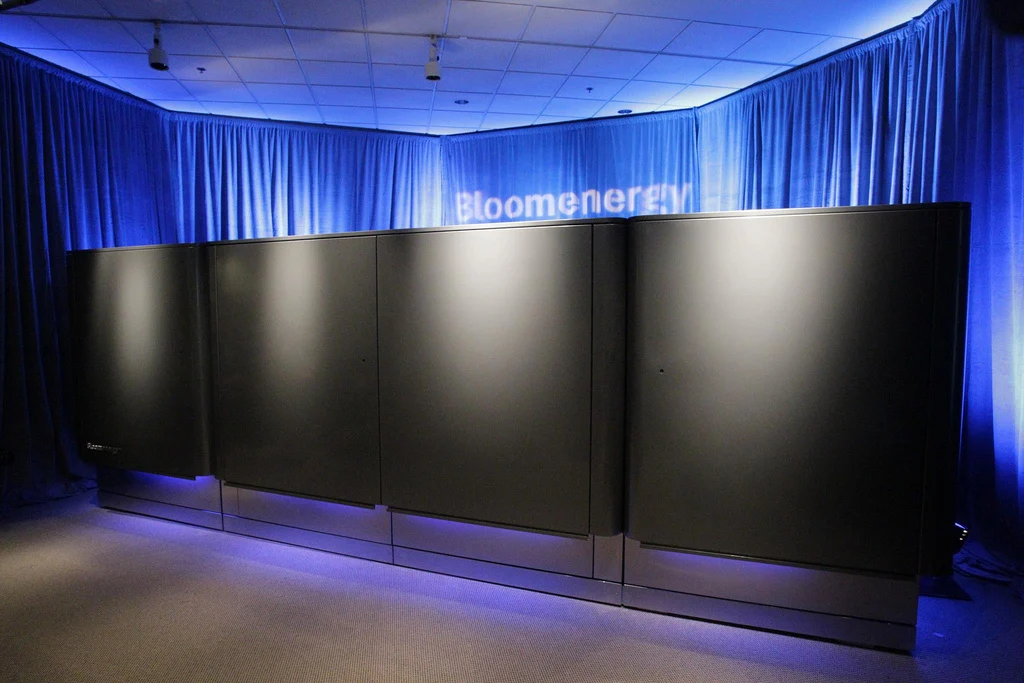
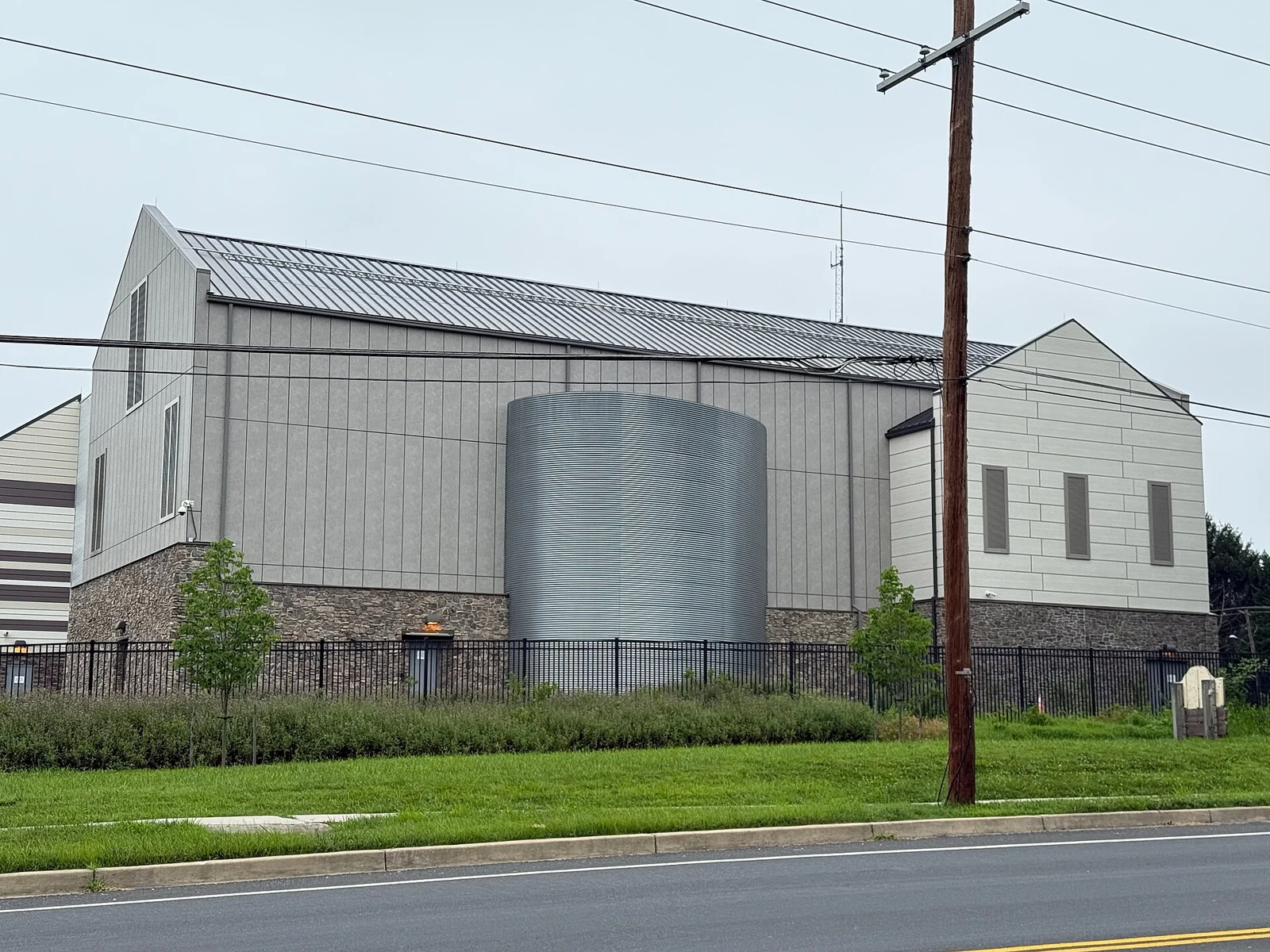
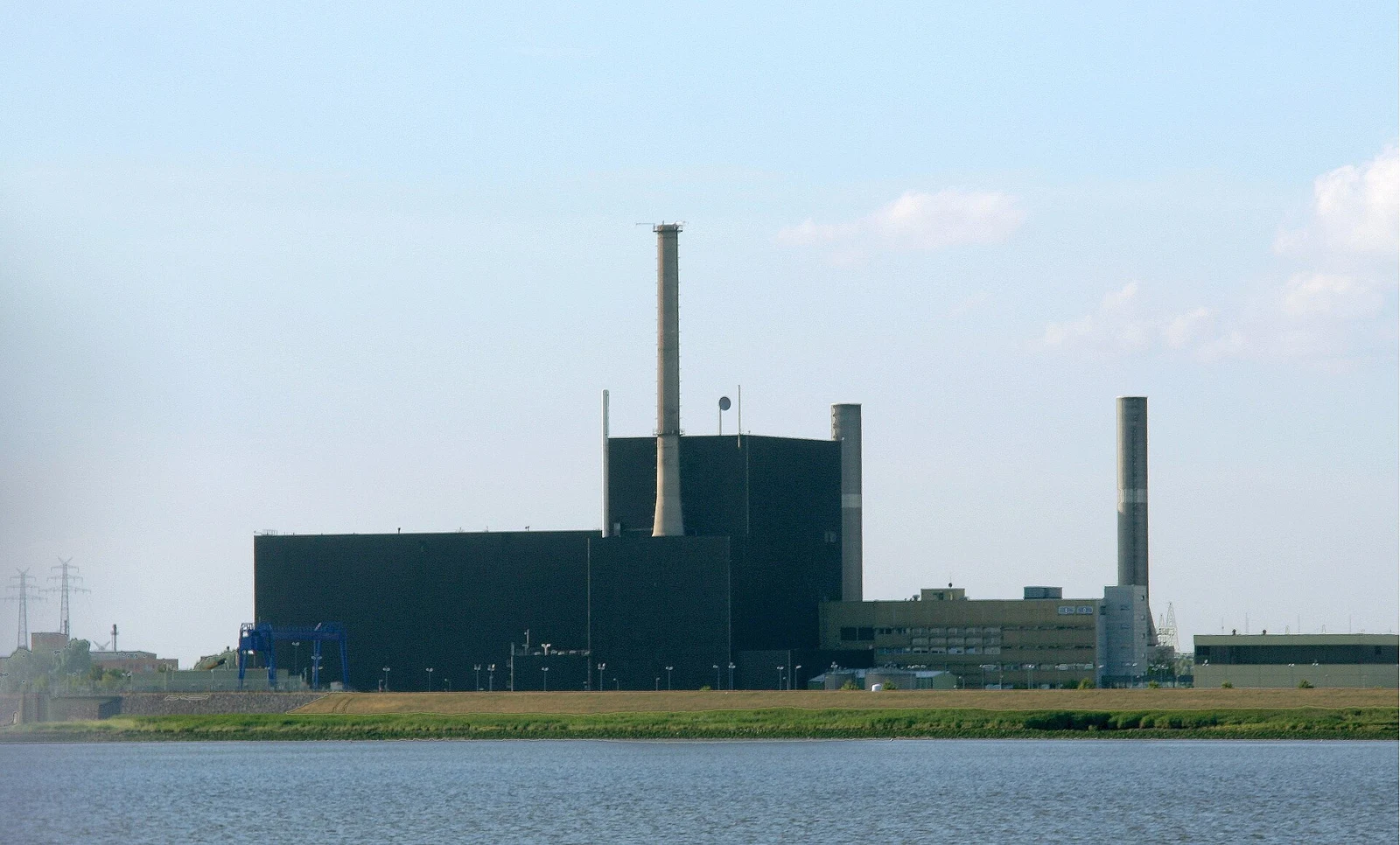
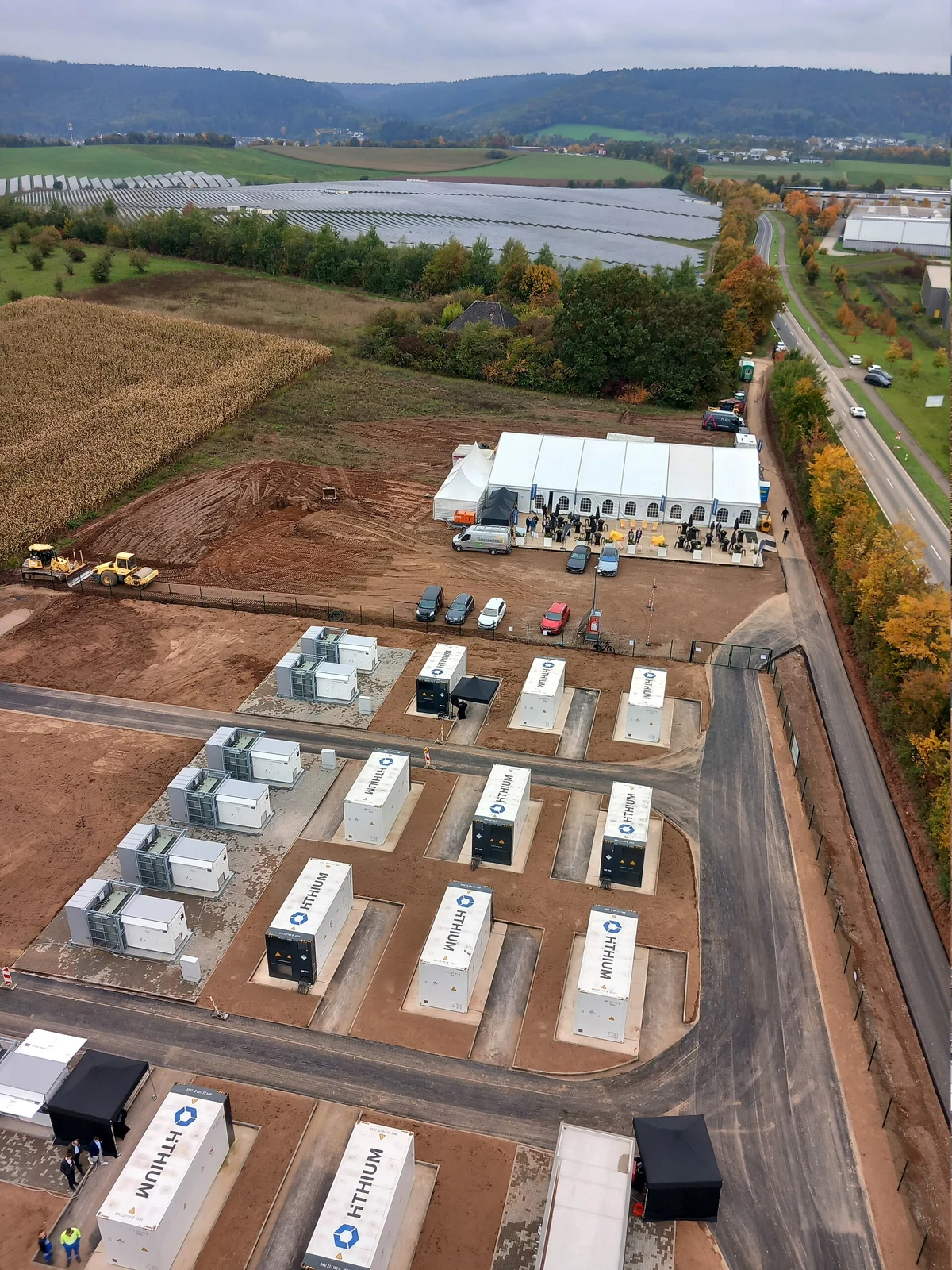
The accompanying photographs are archival site and electricity-infrastructure illustrations, not photographs of the planned battery already completed. Arithmetic examples are ours and use stated hypothetical assumptions. The confirmed change is the delivery and service agreement. The expected 2027 construction start, end-2028 operation and actual accepted performance remain future evidence to be checked as the development progresses.
Source: Fluence / GlobeNewswire ↗
Mining calculator ↗