Valeo reports aluminum heat-exchanger tests ahead of OCP 2026
Source report: 2026-10-07 · Editorial analysis published: 2026-10-08
The October 7 announcement reports 38% more cooling capacity and 25% lower fan electricity use in the stated comparison. These are supplier validation claims, not a measured reduction in an entire mining farm’s bill.
Analysis and practical implications
This section is our analysis and illustrative calculations, separate from the source report.
What Valeo announced before the summit
Valeo announced on October 7 that it will present aluminum heat-exchanger validation work with OVH Cloud at the OCP Global Summit scheduled for October 12–15. The proposed application includes rear-door rack cooling and fan-wall arrangements. Against its stated traditional copper comparison, the supplier reports 38% more cooling capacity, 65% greater power density and 25% less fan electricity consumption. These are attributed supplier results. The announcement precedes the event; it does not establish completed customer deployments at that summit.
For ASIC.tools readers, the useful question is how a component result translates into an operating installation. Our analysis keeps the claimed improvement attached to the exchanger and comparison being described. A farm’s electrical bill also includes computing hardware, pumps, other fans and supporting equipment. A lower draw in one component cannot establish the same percentage reduction in the site total. This boundary makes the news relevant to cooling procurement without presenting it as an automatic profitability improvement for every miner.
The efficiency boundary changes the interpretation
In the detailed announcement, the 25% figure concerns fan consumption. The headline uses a broader electrical-consumption description, so our coverage follows the more specific component boundary. An illustrative fan group drawing 4 kW would draw 3 kW after a 25% reduction under otherwise identical conditions. If the complete installation initially drew 100 kW, that isolated change would reduce its total by 1%, assuming every other load remained unchanged. These are independent arithmetic examples, not Valeo’s published test values.
The example also shows why a percentage should be accompanied by a baseline and operating point. A reduction measured at one flow, temperature or load does not prove the same result at every other condition. For purchasing comparisons, record both the component’s watts and the total power measured at a consistent site boundary. This avoids counting the same claimed saving twice, once as an exchanger improvement and again as a broad reduction attributed to an unspecified cooling system.
Cooling capacity is not computing output
An exchanger’s cooling capacity describes heat transfer under specified conditions. It is distinct from a Bitcoin miner’s accepted work or an AI system’s completed computation. Our interpretation is that better heat rejection can be valuable where thermal limits constrain operation, but no mining benchmark is supplied here. The announcement should therefore not be used to modify an ASIC catalogue hash rate or to infer that a particular device can safely operate at a higher frequency.
A thermal review needs the actual air and coolant conditions, allowable temperatures and pressure losses. Matching a device’s heat output to an exchanger’s capacity requires checking the installation arrangement as well as the nameplate rating. A rear-door rack concept and a purpose-built hydro ASIC loop may have different interfaces. The useful follow-up is a compatible design and measured behavior at its intended operating point, rather than assigning a generic percentage gain to every cooling technology.
Material endurance needs its own evidence
Valeo says accelerated coating tests have reached an equivalent of more than ten operating years, with testing toward fifteen years still in progress. It also describes several months of real-condition testing by OVH Cloud. An accelerated equivalence and months of field exposure are different forms of evidence; neither should be rewritten as fifteen years of completed customer operation. The announcement provides a durability claim whose test method and conditions matter to interpretation.
For an operator comparing materials, the next questions concern coolant chemistry, permitted contaminants, inspection intervals and compatibility with the remaining circuit. These are our procurement questions, not assertions that this product has a demonstrated fault. Mixing materials or changing treatment practices can alter the behavior of a liquid loop. A durability headline should lead to a review of the specified conditions and maintenance requirements before it is turned into a replacement schedule or a guarantee for a different installation.
Retrofitting involves the entire flow path
An existing site cannot evaluate a cooling change from an exchanger photograph alone. Our analysis would compare physical space, connection layout, service access and the path by which heat ultimately leaves the building. The arrangement must support maintenance while preserving the required operating capacity. A lighter component or denser design may help, but it does not prove that existing piping, pumps or electrical protection are suitable for a conversion without additional work.
A useful retrofit record separates the equipment being retained from the equipment being replaced. It should identify who is responsible for interfaces, testing and control settings. That distinction is especially relevant where a mining site is considering another computing workload: a cooling component that serves a rack is not evidence that the entire facility meets a different customer’s requirements. The news presents a possible technology direction; a site-specific design remains a separate engineering task.
PUE is a site ratio, not a component label
Power usage effectiveness compares total facility energy with IT equipment energy over a consistent measurement period. A lower fan load can influence that ratio, but the resulting change depends on the installation’s other loads. Our independent example is a site using 120 energy units in total while its IT equipment uses 100: the ratio is 1.20. Saving one unit in supporting equipment, with the IT value unchanged, produces 1.19. It does not produce a 25% reduction in PUE.
This distinction is useful when a product announcement connects component efficiency with facility metrics. Buyers should ask which result was measured directly, which was calculated and which is an expected outcome after integration. Carbon-related results additionally depend on the electricity accounted for and the chosen reporting boundary. Our coverage makes no universal carbon saving claim and does not convert a supplier’s component comparison into a certified site result that the source has not demonstrated.
What should be checked before procurement
The practical next evidence is a complete specification: performance curves, test conditions, supported fluid, electrical requirements, integration instructions and commercial availability. Our analysis also asks whether service parts and cleaning access fit the planned installation. A presentation scheduled for October does not provide those answers automatically. A purchaser should distinguish a validated engineering sample, a production product and equipment with a documented delivery date, rather than treating all three as interchangeable stages.
For mining farms, evaluate the option against current measured cooling consumption and the actual operational constraint. If electrical capacity limits the number of running machines, a confirmed supporting-load saving can have a different value than it would at a site with spare capacity. If maintenance access is the main problem, physical layout may matter more than a laboratory percentage. A comparison grounded in the farm’s own measurements is more useful than importing a supplier headline into a generic payback calculation.
The follow-up after OCP
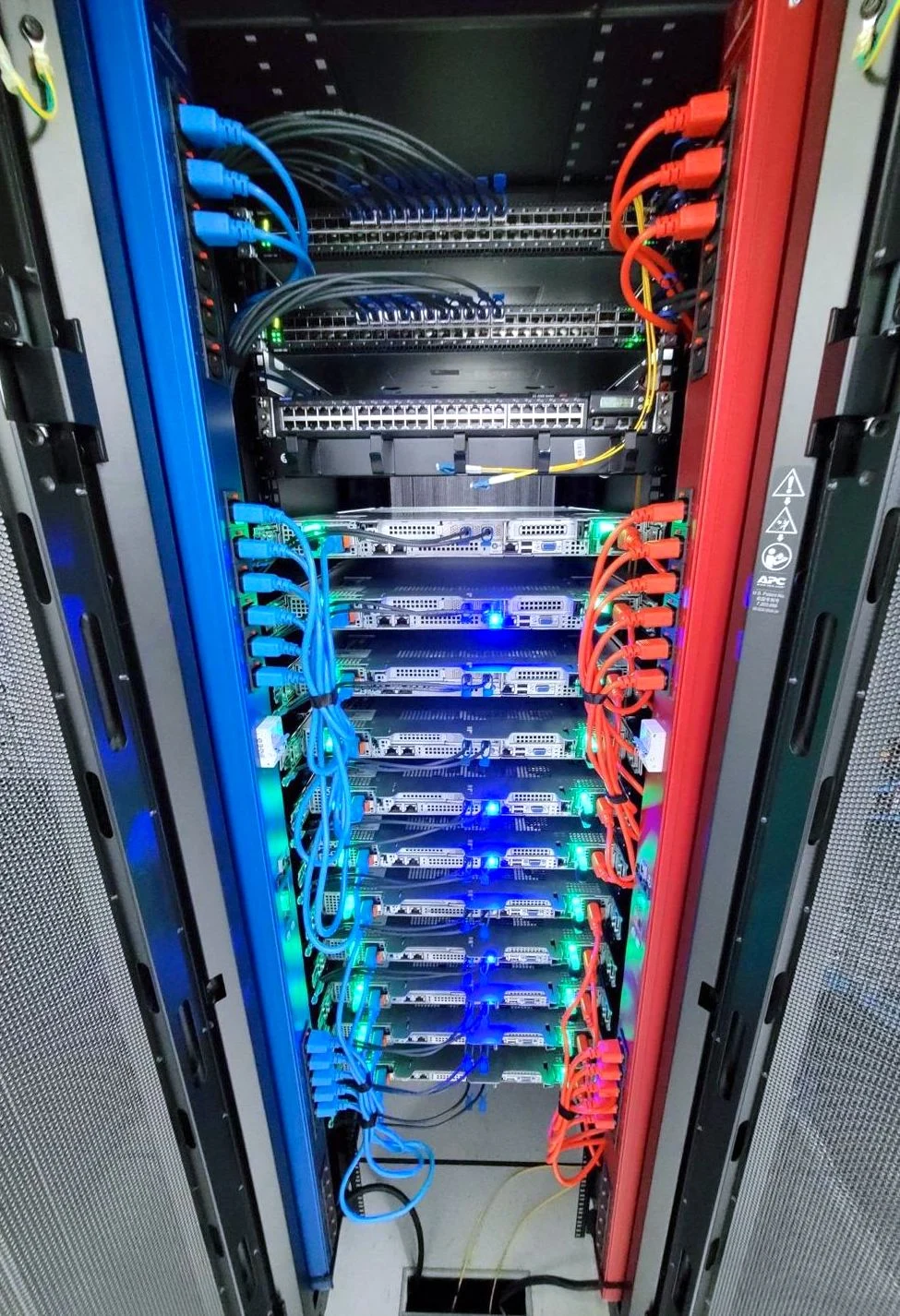
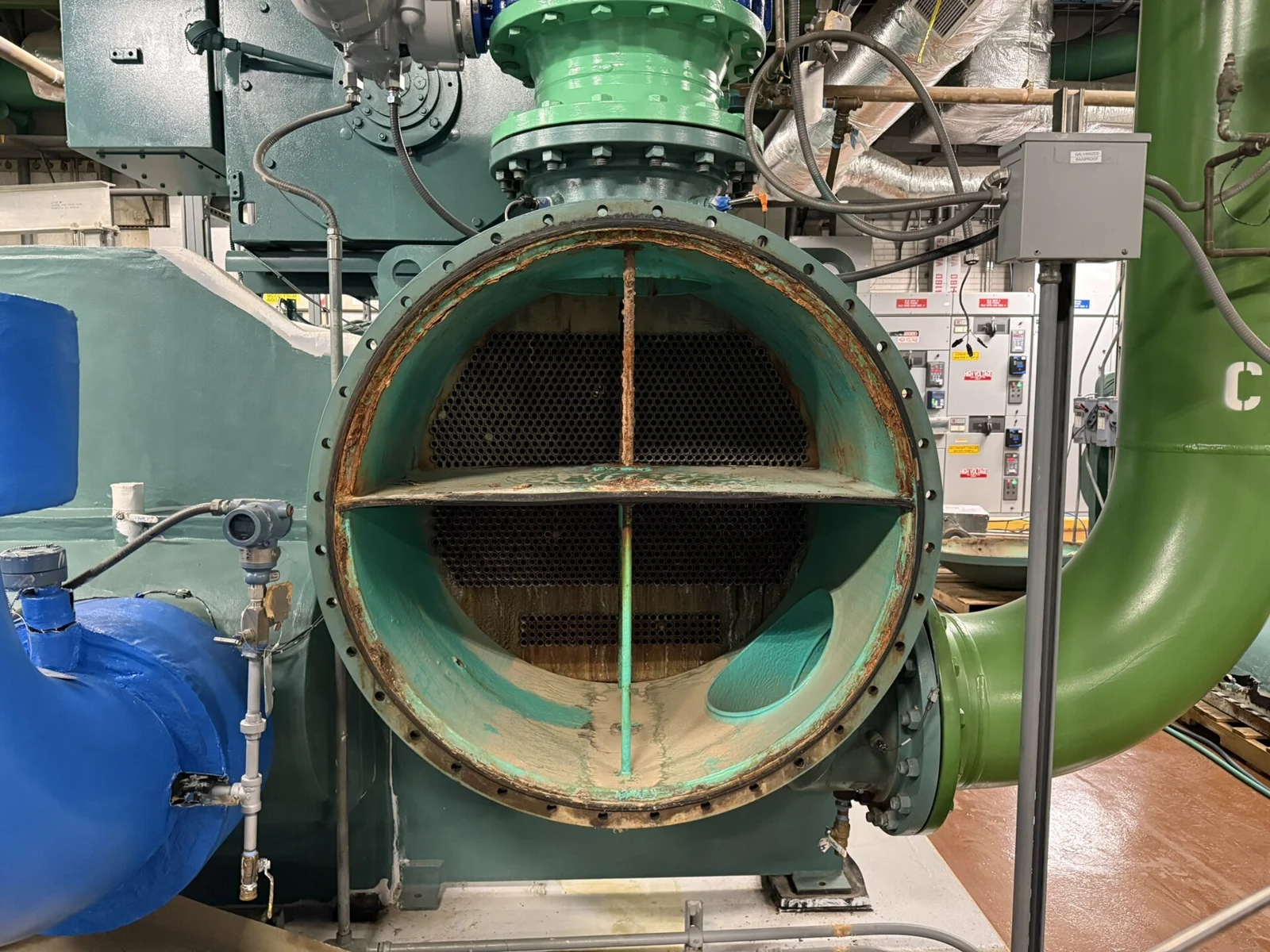
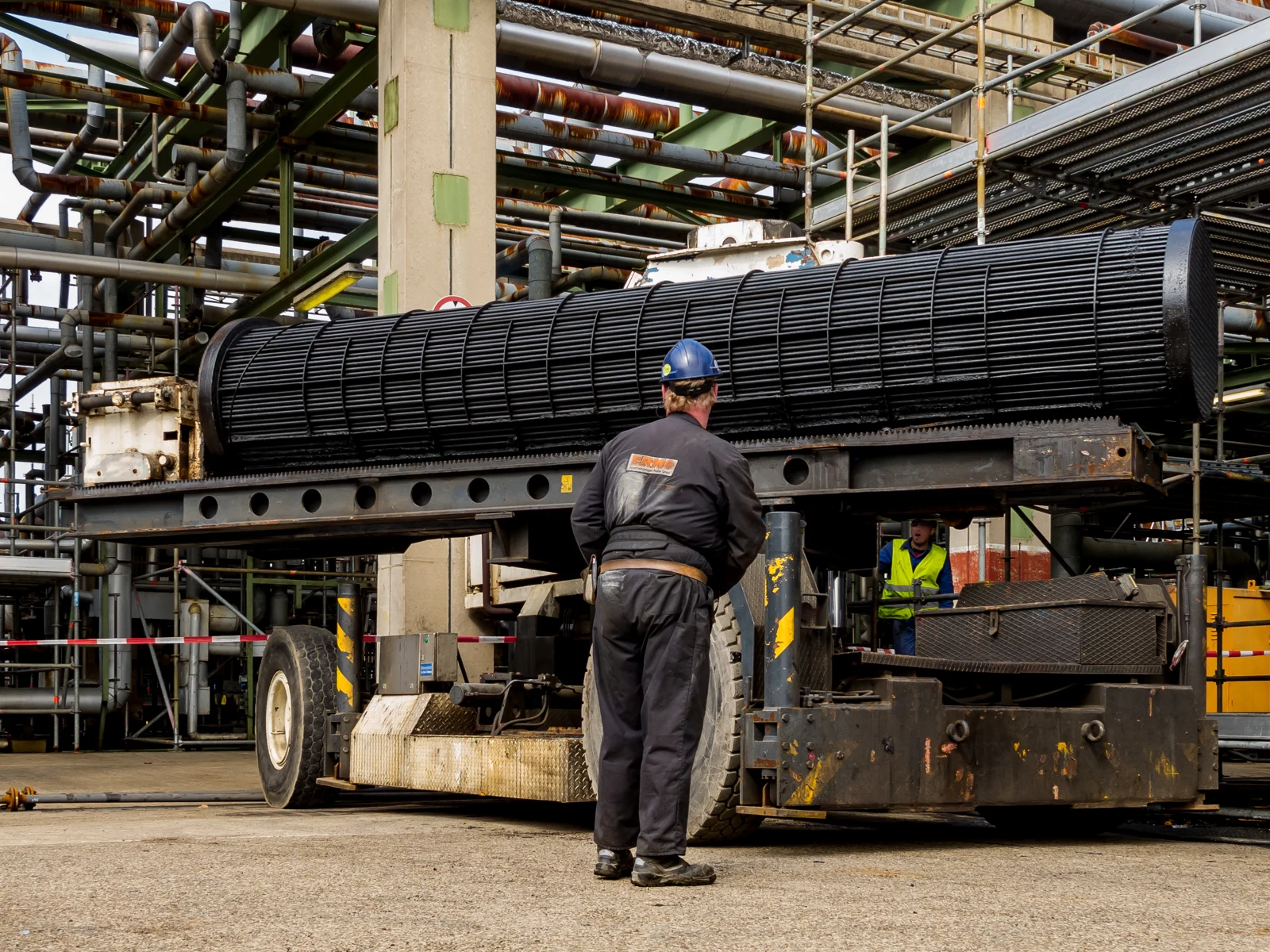
The relevant follow-up will be technical documentation and a clear account of deployment or production status after the planned summit. Our article retains October 7 as the announcement date and does not describe the October 12–15 event as already completed. The source is the manufacturer’s own release, linked for readers to inspect its claims. Archive photographs illustrate cooling equipment and heat transfer; they are not presented as photographs of the newly announced Valeo exchanger.
The confirmed news is a supplier’s reported validation milestone and upcoming presentation. The value for operators lies in asking better questions about energy boundaries, coolant compatibility and reliability evidence. ASIC.tools has not independently repeated the tests or established compatibility with every ASIC model. This distinction preserves a useful engineering story while leaving site performance, final availability and customer commissioning as matters requiring their own evidence.
Source: Valeo ↗
Mining calculator ↗