Taylor Technology Campus advances its development agreement for planned on-site power
Source report: 2026-10-09 · Editorial analysis published: 2026-10-10
The October 9 developer release describes potential capacity of up to 1 GW and targets first power in early 2028. Agreement approval is a planning milestone, not an energized campus.
Analysis and practical implications
This section is our analysis and illustrative calculations, separate from the source report.
The new development milestone
Big Watt Digital and PowerHouse Data Centers announced on October 9, 2026 that their Taylor Technology Campus development agreement had secured approval. The proposed Texas campus covers approximately 664 acres, has potential to reach up to 1 GW of data-center capacity and targets first power availability in the first half of 2028. Those are the developers’ project descriptions and target dates, rather than measured operating capacity or a commissioning certificate.
The primary announcement was distributed by Business Wire; its attributed syndicated version was used for this review because direct retrieval of the original was unavailable. The City of Taylor’s October 2 publication separately records the preceding proposed agreement and scheduled vote. Reading the documents in date order makes the change clear: the earlier proposal is background, while the October 9 release reports a later milestone. It does not establish that construction, annexation and energization are all complete.
Approval and commissioning are different stages
A development agreement establishes a framework for a project, but operating equipment needs additional physical and administrative milestones. Land rights, design, construction, utility arrangements and commissioning records can have separate dates. The safest project tracker attaches a document to each stage rather than collapsing them into one label such as “ready.” Approval of an agreement should therefore not be counted as newly available computing capacity in an operating-market total.
For an ASIC deployment, the difference is practical. A shipment can arrive before power and cooling are available, creating a period of storage and an idle investment. Conversely, an electrical connection can exist before the data hall is ready. Align equipment delivery, service agreements and commissioning plans around the earliest usable operating date. The Taylor announcement describes infrastructure development; it is not an offer of immediate mining hosting or evidence that a particular miner can be installed there today.
Behind-the-meter power still has dependencies
The developers describe dedicated generation serving the campus directly. That arrangement changes where electricity is produced and delivered, but the words “behind the meter” do not disclose every engineering or commercial condition. Fuel supply, generation maintenance, protection systems and any grid interface remain questions for the project documentation. An on-site power concept should not automatically be labelled completely independent, renewable or immune to interruption simply because the generators are near the computing load.
When evaluating a comparable mining site, request a description of the operating modes and the boundary of each service obligation. Check whether the load can remain powered during maintenance, what happens after a generator trip and whether any external connection is required for normal operation. These questions are our analytical checklist, not claims about faults or missing permits at Taylor. The new release does not provide enough engineering detail to calculate the campus’s actual future availability.
A gigawatt target needs a measurement boundary
One gigawatt equals 1,000 MW, but a capacity headline must still identify what the number measures. Generation nameplate power, gross facility demand and usable IT power are different quantities. Cooling and electrical support can sit outside the server-load boundary. A project that plans phased development also may not reach its maximum capacity on the first energization date. The Taylor release’s upper target should therefore retain its description as potential data-center capacity.
For illustration, a steady load of 10 MW running for 24 hours consumes 240 MWh. This simple multiplication explains the difference between power and energy; it does not describe Taylor’s planned equipment or fuel use. A larger nameplate number cannot reveal an hourly electricity price, annual utilization or mining hashrate. Those calculations require separately evidenced load profiles and hardware efficiency. Avoid importing an infrastructure headline into an ASIC profitability model as if it were a complete operating specification.
Water and noise are part of siting
The city’s earlier proposed-agreement publication discusses reclaimed-water cooling, noise and other site conditions. The developer’s later release also describes project-specific development standards. These documents make clear that computing infrastructure has local effects beyond the electrical connection. Their summaries should not be mistaken for a complete engineering design, a record of water already consumed or proof that a future facility will meet every operational target without monitoring.
For a farm plan, document cooling architecture, water source, treatment and monitoring where relevant, then assess noise at the location where it matters to the surrounding community. A device’s laboratory noise rating is not a prediction of a whole site’s boundary noise. Likewise, a closed loop can need filling, servicing and occasional replenishment even though the fluid is recirculated. Keeping those quantities distinct produces a better operating budget than equating recirculation with an unconditional claim of zero water demand.
Planned schedules and equipment commitments
The first-half-2028 power target remains a project target. It should be updated only when later evidence establishes a revised schedule or a completed milestone. A target date can help coordinate design and procurement, but it does not remove delivery, construction or commissioning uncertainty. Readers comparing infrastructure announcements should check whether a date refers to construction start, first power, the first customer installation or completion of the full planned campus.
An equipment order placed too early can create storage and warranty questions, while one placed too late can delay the use of an available connection. A staged procurement plan can tie each commitment to a verified readiness milestone. Keep the responsibilities of the developer, electrical contractor, equipment supplier and operator explicit. These are general planning considerations, not a claim that Taylor has already ordered a particular server or ASIC fleet, which the reviewed announcement does not identify.
Infrastructure is not interchangeable across workloads
A site designed for AI and cloud computing does not automatically provide a compatible turnkey environment for ASIC mining. Electrical distribution, cooling connections, network services and commercial agreements need to match the intended equipment. The ability to accommodate a large electrical load is only one part of compatibility. A hydro ASIC can have different fluid and temperature requirements from a server cold-plate loop, and an air-cooled fleet has different airflow needs.
When comparing possible sites, start with the device’s current manufacturer documentation and then check the host’s actual connection and service offer. Confirm allowable operating settings, auxiliary loads and maintenance access. Do not convert a planned AI campus into a mining-catalogue entry, and do not assume every MW headline is available for Bitcoin production. The Taylor development is relevant as evidence of a power-led infrastructure strategy, while its future customer workload and operating characteristics require their own disclosures.
What would establish the next stage
Useful follow-up records include the executed agreement, subsequent planning and construction actions, engineering details for power and cooling, and eventual energization evidence. Each answers a different question. A new project announcement can establish developer intent without proving completed construction. Keep the October 9 milestone in that context and compare later publications against it, rather than repeatedly counting the same planned gigawatt as newly commissioned capacity.
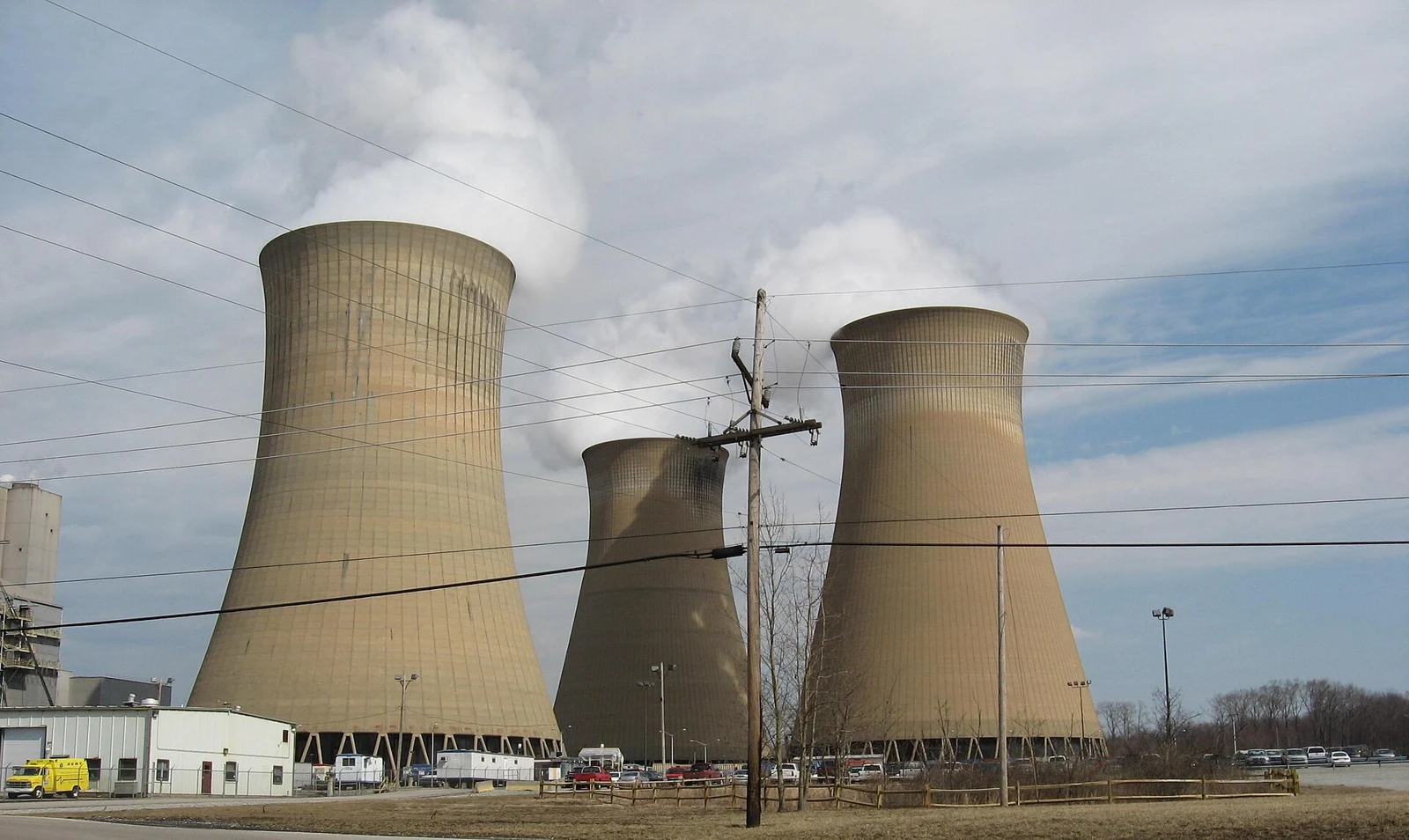
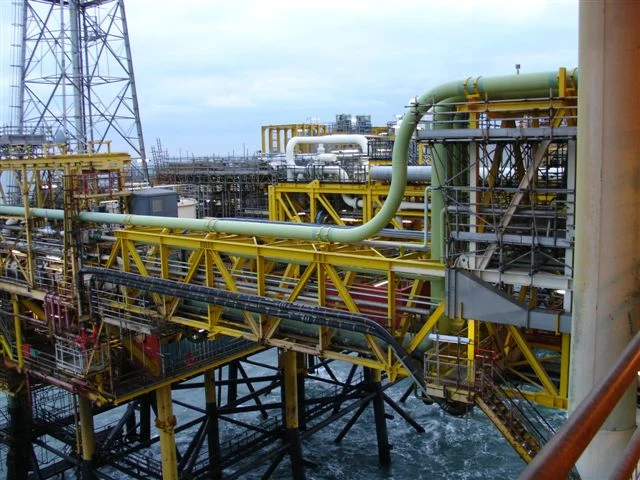
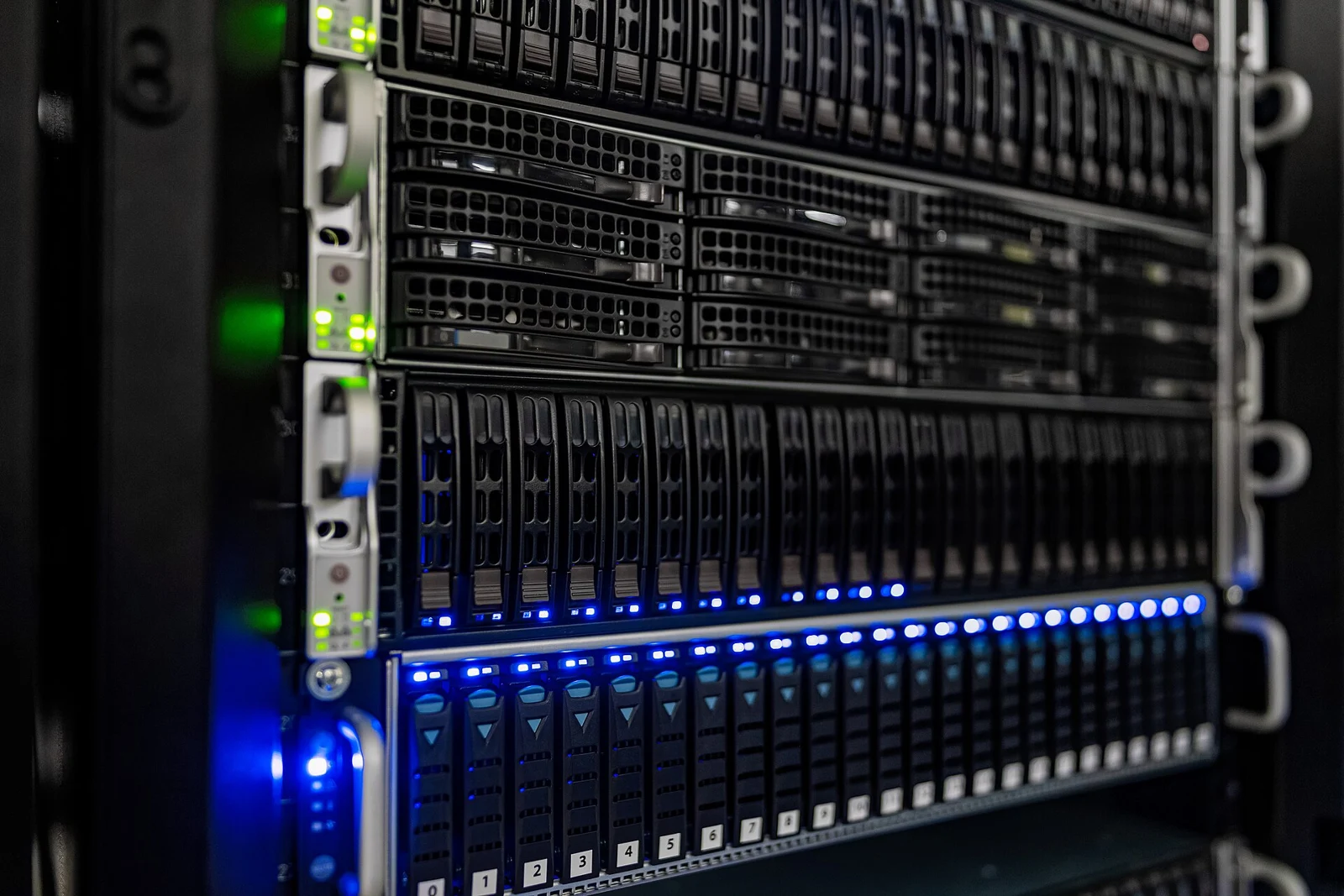
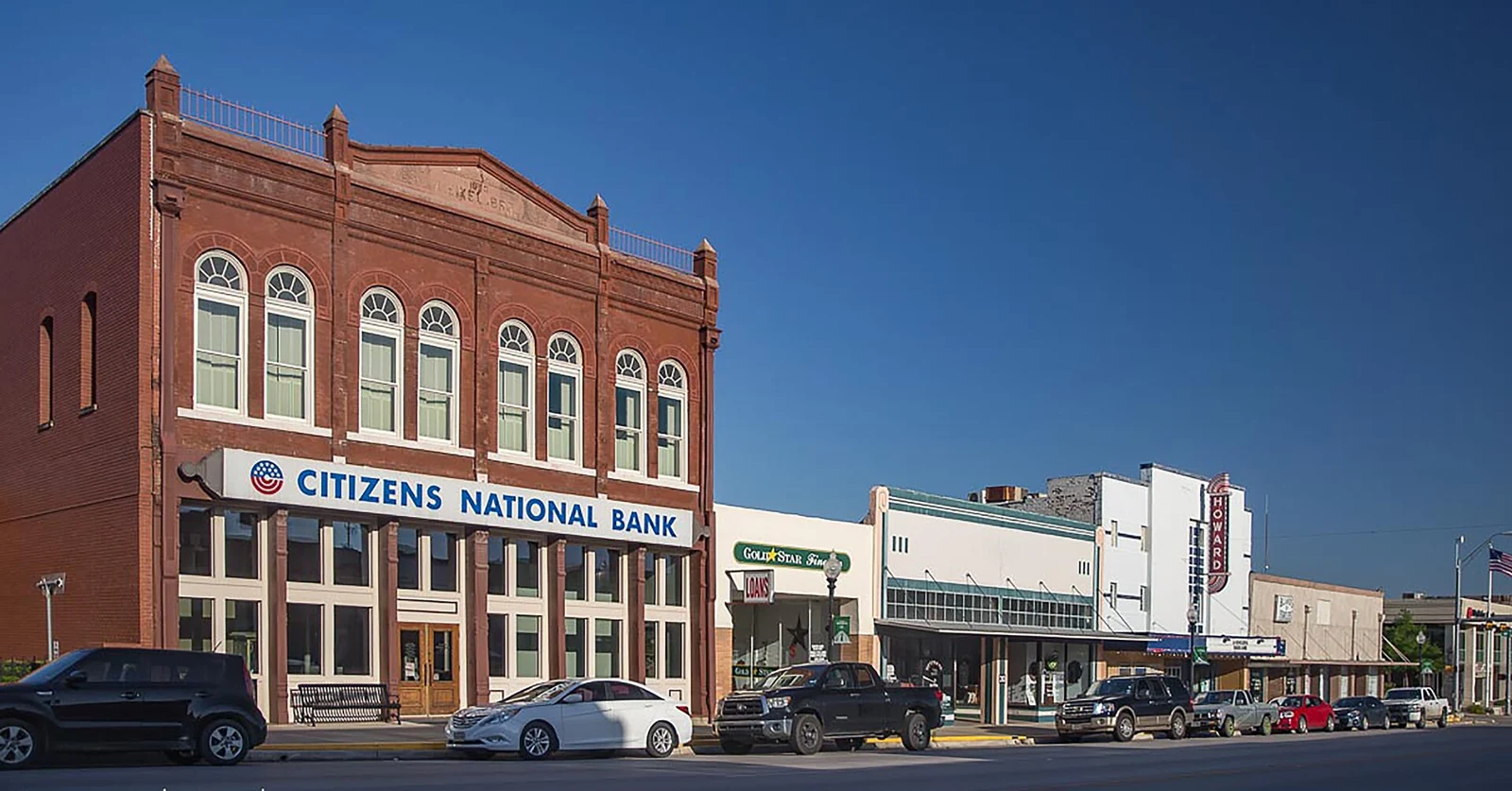
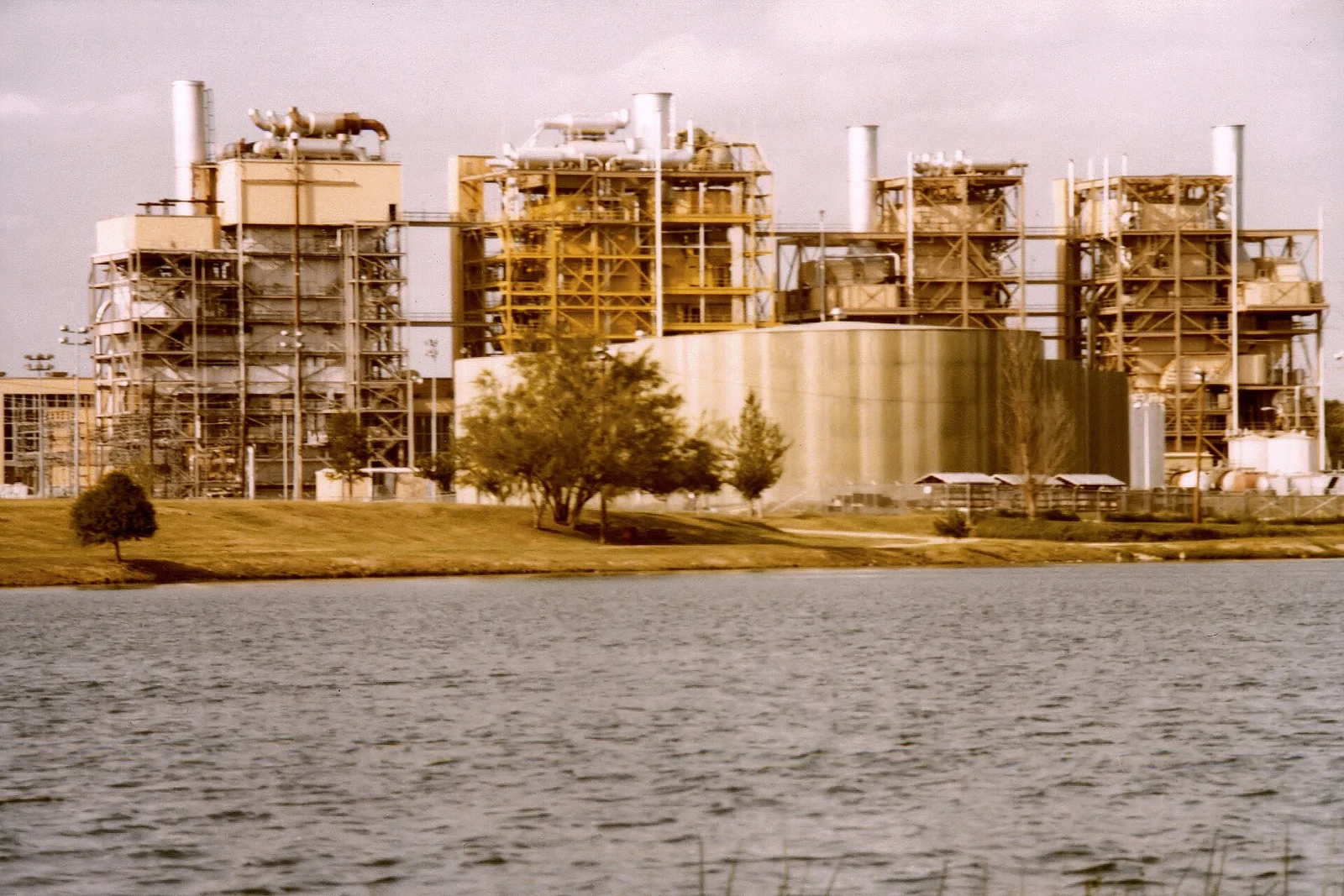
Two different licensed archival photographs illustrate the Texas setting and energy infrastructure. They are not official campus renderings or photographs of construction at Taylor Technology Campus. For mining operators, the practical lesson is to join the land, electrical, cooling and equipment schedules before committing to an operating date. The new approval advances the project’s development framework; actual usable computing capacity will need to be confirmed when the relevant physical stages are complete.
Source: Big Watt Digital / PowerHouse ↗ · City of Taylor: October 2 proposed development agreement ↗
Mining calculator ↗