Schneider Electric puts system reliability alongside AI cooling capacity
Source report: 2026-10-07 · Editorial analysis published: 2026-10-08
An October 7 technical commentary argues for coordinating cooling, power, controls and maintenance. It is an operational assessment, rather than a new ASIC launch or a quantified guarantee of fewer outages.
Analysis and practical implications
This section is our analysis and illustrative calculations, separate from the source report.
A fresh operational argument rather than a hardware launch
Schneider Electric published Marta Canals’s technical commentary on October 7, focusing on reliability across cooling, electrical supply, controls and service practices. It describes AI racks reaching 200–300 kW and beyond, alongside the increased complexity of liquid cooling. The central argument is that adequate thermal capacity alone does not establish reliable operation. The piece is a supplier-authored operational assessment; it provides neither a newly launched ASIC specification nor an independently measured universal reduction in outages.
Our analysis for mining operators starts with the difference between having equipment installed and sustaining useful output. A pump may be running while a flow path is unsuitable, or the electrical system may be healthy while a cooling alarm prevents the workload from continuing. The useful lesson is to follow dependencies across the installation. This does not imply that every farm needs AI-scale equipment: it means that the limiting condition must be identified at the system level rather than assumed from one component’s status light.
Nameplate capacity and usable reserve differ
Installed capacity should be assessed against the load that remains supported during the relevant operating event. Our illustrative example is a system with two equal cooling units, both required to meet the full heat load. The installed total may be sufficient during normal operation, but taking one unit out for maintenance reduces usable capacity. This example is independent of Schneider’s products and does not establish a particular site’s redundancy arrangement. It shows why maintenance conditions belong in capacity planning.
The operator should identify whether reserve capacity is available, whether it can be brought into service in time and whether shared dependencies can defeat apparently separate units. A pair of devices connected to the same essential electrical or hydraulic path can still have a common failure point. Our interpretation is that equipment counts are only one input. The useful evidence is the tested operating state during planned maintenance and recovery, including how much load remains supported and for how long.
Monitoring needs measurements that can be compared
A monitoring view becomes more informative when temperature, electrical load and coolant behavior can be related to the same period. Our operational analysis would preserve timestamps and measurement locations, because a reading at one point in the circuit does not necessarily represent another. A rising temperature accompanied by unchanged computing load can prompt a different investigation from rising temperature during a planned load increase. The comparison requires enough context to distinguish a trend from a single unexplained number.
This is not a claim that a particular monitoring product can diagnose every failure. Sensors can drift, communication can fail and a value can remain stale while the physical system changes. Operators should know how missing or invalid readings are represented. An alarm policy that interprets an absent signal as a healthy value can conceal a problem. Reliable data collection and clear error states therefore matter alongside the number of measurements displayed on a dashboard.
Condition-based maintenance requires a reference state
Schneider’s commentary favors maintenance informed by equipment condition, performance trends and operating context. Our interpretation is that this requires a meaningful reference: how the equipment behaves when known to be healthy under a comparable load. Without that reference, a threshold can be too sensitive or fail to detect gradual deterioration. Calendar-based requirements and manufacturer service instructions still matter; a trend view does not by itself authorize skipping required inspections or changing a maintenance interval.
For a farm, a useful record connects an observed change with the inspection or service action and the result afterward. That helps distinguish a corrected fault from an improvement caused by weather or reduced load. The maintenance history should retain enough detail to inform the next decision, rather than simply marking an alarm as closed. This is an operating discipline that can apply to different equipment scales; it is not a guarantee that predictive analytics will eliminate unplanned work.
Maintenance itself changes the risk picture
A planned intervention may temporarily reduce reserve capacity or alter a flow path. Our analysis therefore treats the maintenance state as a separate operating configuration. The team needs to know which equipment remains available, what load is permitted and which alarms require stopping work. A procedure should identify the return-to-service check as well as the removal step. Merely restoring a valve or breaker position does not establish that the intended performance has been recovered.
For mining operations, this review can include the effect on accepted work during the interruption and the thermal behavior after restarting. Those are different questions from whether a maintenance task was completed on schedule. The useful outcome is documented return to the intended operating state. The source does not publish a farm-specific procedure, and our article does not replace the manufacturer’s instructions; it explains why planning should account for the configuration that actually exists while equipment is being serviced.
Availability percentages need an observation period
A statement about uptime should specify the measured period and what counted as unavailable. Our independent arithmetic example uses a 30-day interval of 720 hours: six hours unavailable corresponds to about 99.17% time availability. A different accounting rule, such as counting reduced output rather than only complete shutdown, can produce a different result. The calculation is illustrative and is not a performance figure from the Schneider commentary or a benchmark for any ASIC model.
This distinction matters because a machine can remain reachable while contributing less useful work. A network ping and an accepted-share record describe different aspects of operation. Our analysis would report both the equipment’s observed availability and the workload outcome when those boundaries are relevant. A monitoring system should make its definition visible, especially when its figures inform service agreements or purchasing decisions. A high percentage without that definition can conceal exactly the operating issue that maintenance is intended to address.
Responsibility at interfaces deserves explicit ownership
Electrical, mechanical and control teams can each maintain a healthy component while a fault remains at their interface. Our interpretation is that the response plan should assign responsibility for diagnosis across those boundaries. An alarm should lead to a known escalation path, with enough information for the next person to continue the investigation. This reduces the chance that an issue is passed between teams without establishing which measurement, command or physical condition is preventing normal operation.
The operational record can include the event time, affected equipment, recent changes and the actual action taken. These details help separate a new fault from a recurring condition and make later review useful. More service coverage can support that process, but coverage alone does not establish an effective handoff. For smaller farms, the same principle may involve fewer people and simpler tooling. The purpose is clear ownership of the whole recovery task, scaled to the installation.
What this changes for miners considering AI infrastructure
The article is relevant to miners evaluating higher-density computing because it highlights operational readiness alongside equipment choice. Our reading is that a change of workload should be reviewed against cooling response, controls, maintenance access and service capability. An existing electrical connection and server room are useful assets, but they do not prove suitability for every new rack design. The published rack-density examples should not be applied as new power ratings for Bitcoin mining devices.
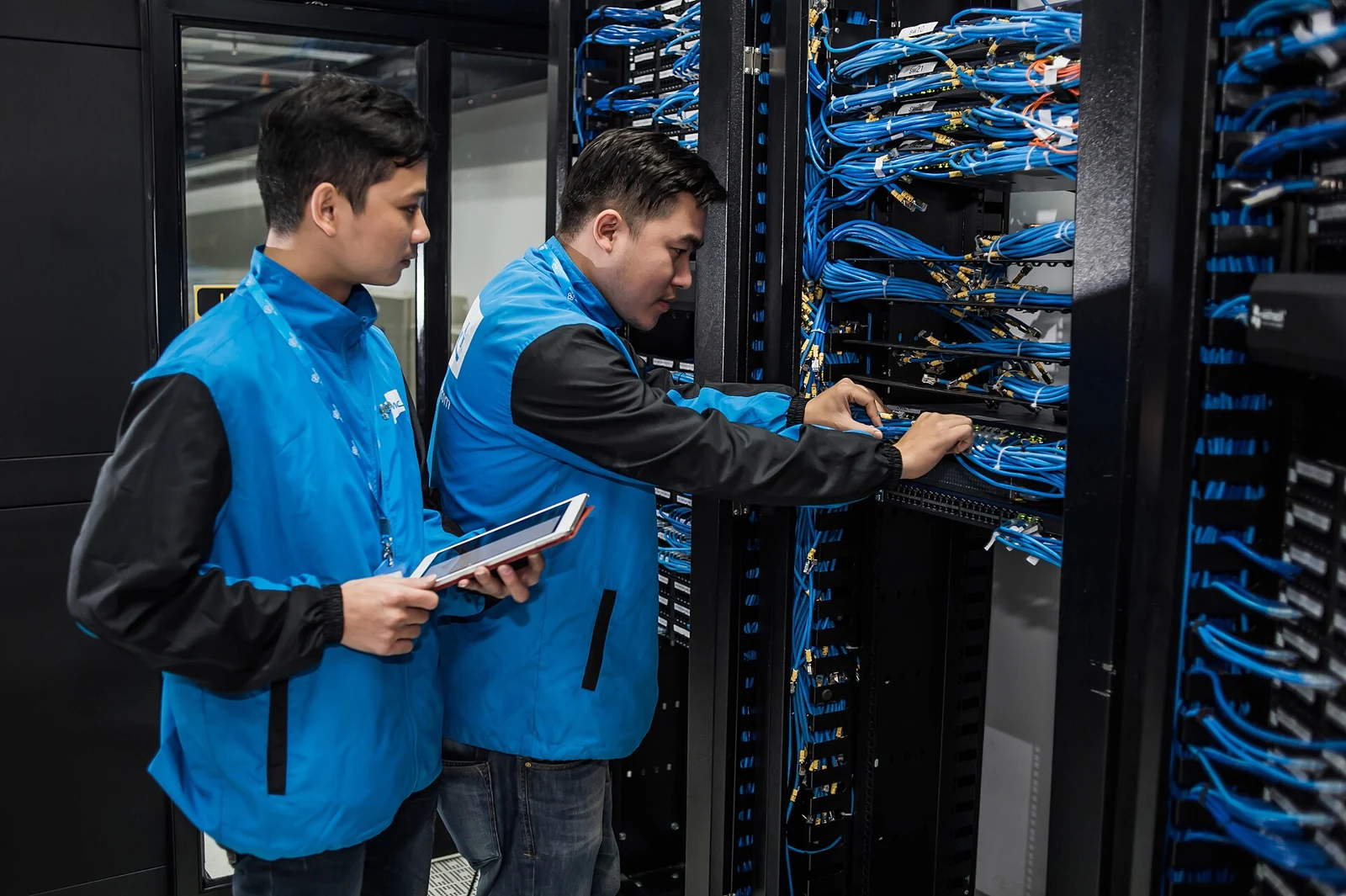
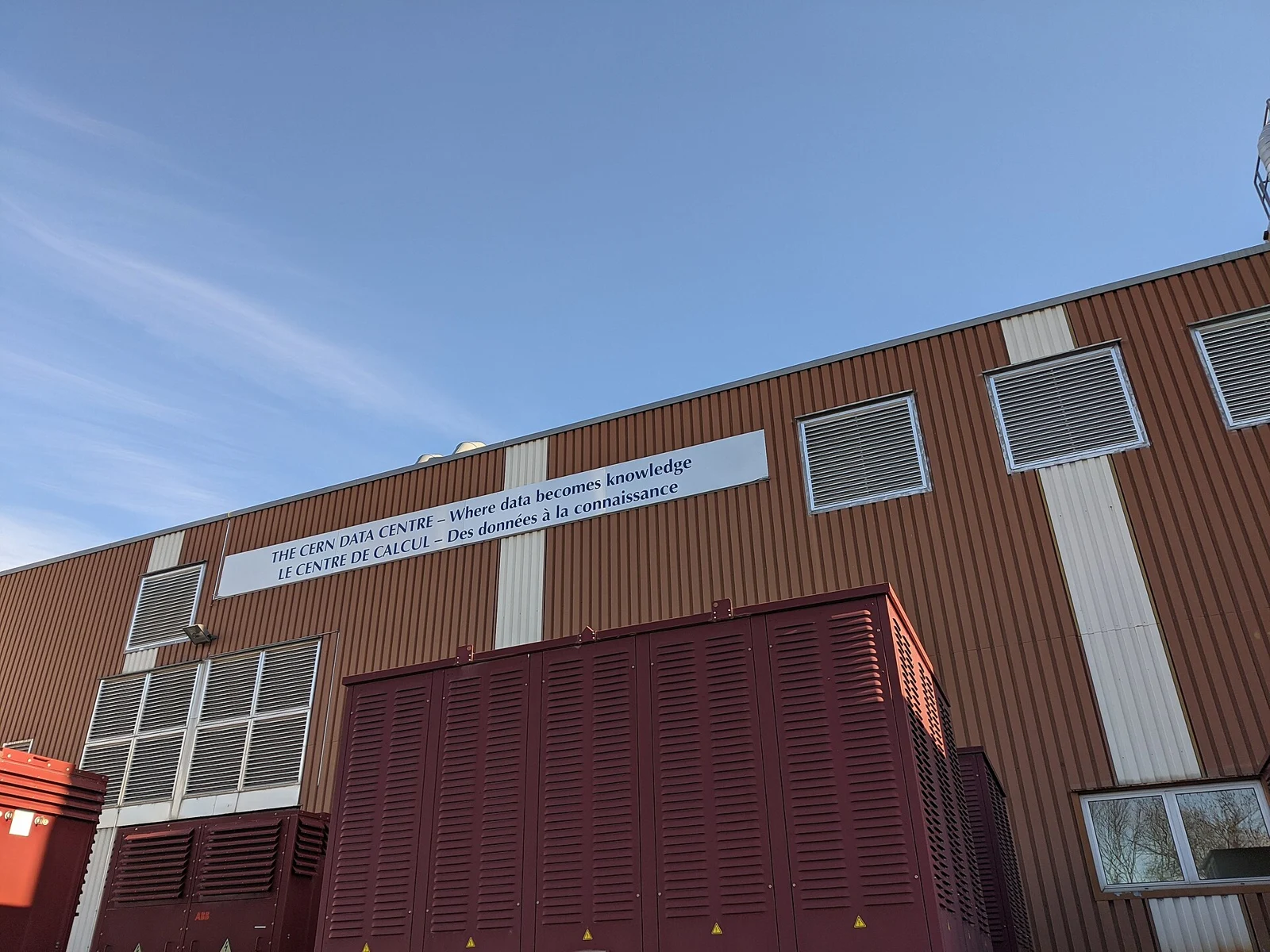
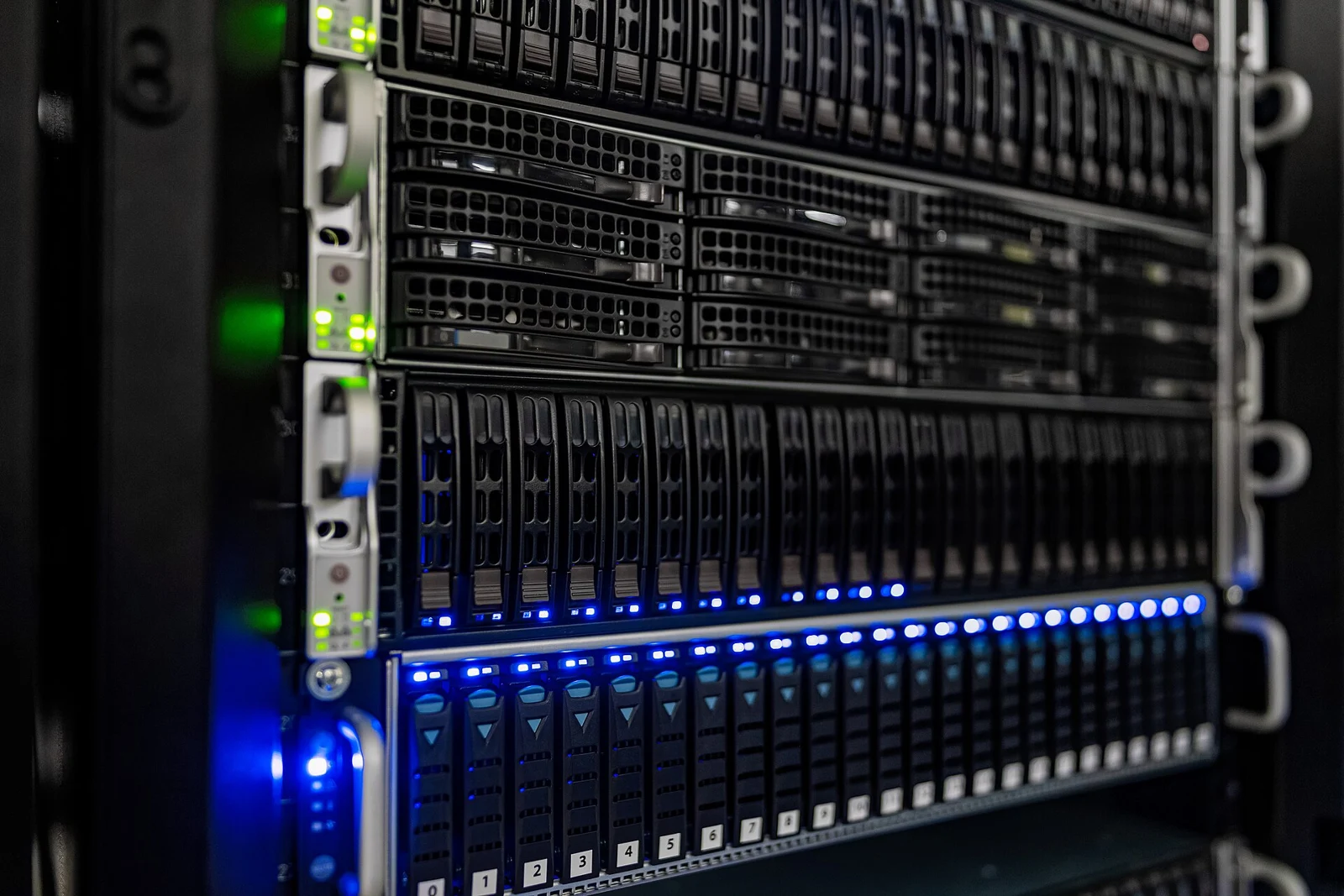
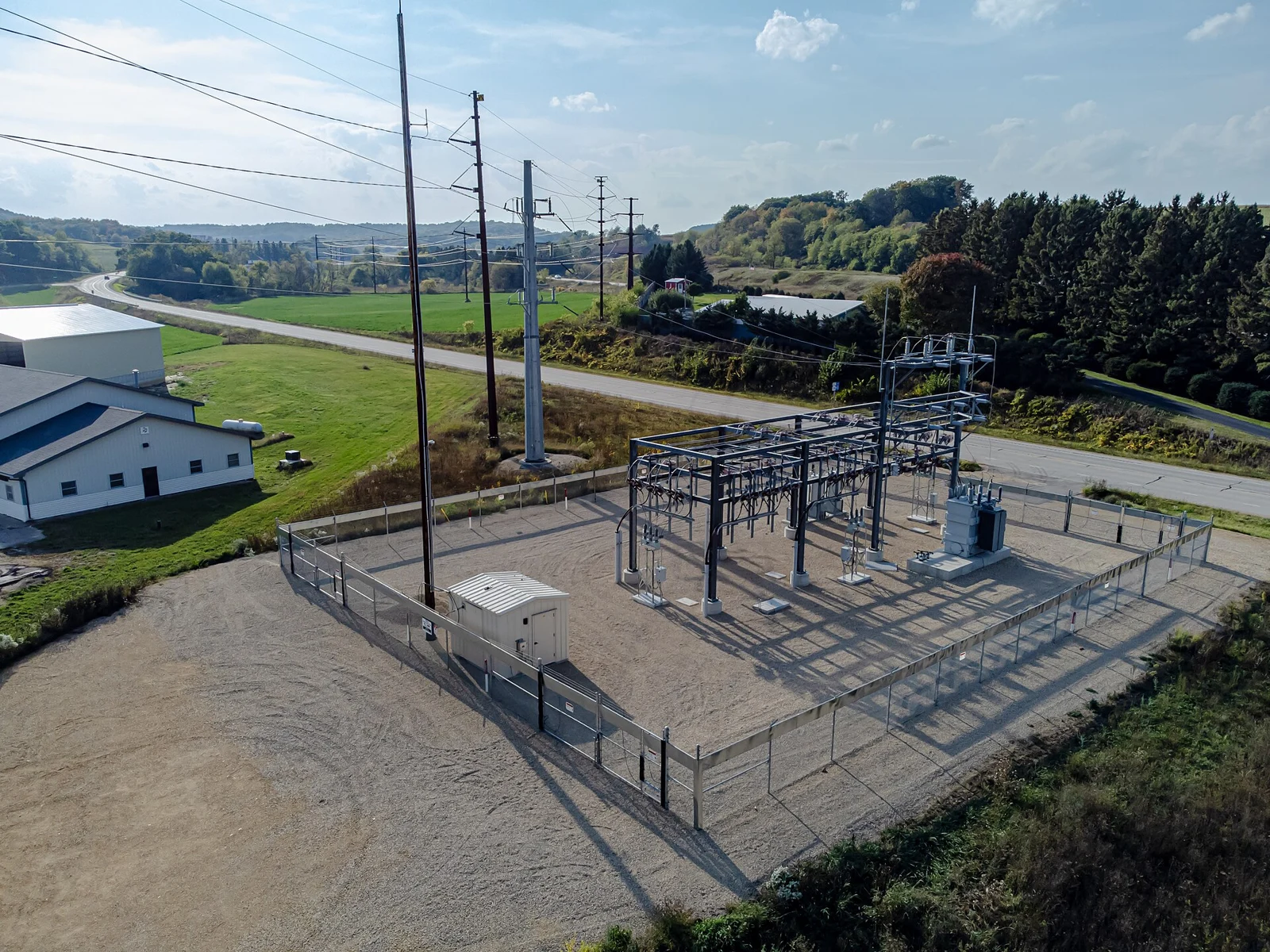
ASIC.tools links the October 7 commentary as its primary source and distinguishes its commercial service perspective from independent field evidence. Our archive photographs show infrastructure and maintenance context, not a documented new Schneider installation. The actionable follow-up is a dependency review and clear measurement boundaries for the reader’s own facility. There is no promised hashrate gain or catalogue modification in this report; its subject is keeping an infrastructure system useful through changing loads and maintenance conditions.
Source: Schneider Electric ↗
Mining calculator ↗