Strive reports 3,311 BTC bought and separately proposes SATS preferred shares
Source report: 2026-10-13 · Editorial analysis published: 2026-10-14
Strive’s October 13 filing reports purchases during October 5–9 and 32,773 BTC held on October 9. A separate SATS offering remains proposed; its 15% dividend rate is not a guaranteed Bitcoin return.
Analysis and practical implications
This section is our analysis and illustrative calculations, separate from the source report.
A reported purchase with an earlier execution window
Strive’s October 13 Form 8-K reports that it bought 3,311 BTC during October 5–9 at an approximate average of $84,500 including fees and expenses. Its reported holdings rose from 29,462 BTC on October 2 to 32,773 BTC on October 9. The event is a corporate purchase, not coins produced by mining, and the disclosure date is not the date of every trade.
Multiplying the reported quantity by that rounded average gives approximately $279.8 million. This calculation describes historical acquisition cost; it is neither an exact disclosed cash-flow reconciliation nor the current market value of the coins. Keeping those three measures separate prevents an apparently precise headline from implying that Strive executed every transaction at the same price or that its balance has been independently verified through a public wallet.
Total coins and coins per share answer different questions
The filing also lists effective common shares rising from 100,938,986 to 110,387,204. Using only that stated denominator, our calculation gives about 0.2919 BTC per 1,000 effective common shares before the update and 0.2969 afterward. The resulting increase is approximately 1.72%, whereas total BTC grew approximately 11.24%. More coins and more shares can therefore change exposure at different rates.
This is a limited comparison of two disclosed balances, not a valuation model or a shareholder’s guaranteed claim on a particular wallet. It excludes additional dilution scenarios, preferred securities and changes after October 9. A useful treasury dashboard keeps the denominator’s definition beside the ratio. Mixing common-share counts, diluted counts and a preferred-share issue in one time series can create an artificial improvement or decline that the underlying figures do not support.
Cash and securities are separate balance-sheet entries
The same table reports cash and equivalents in thousands of dollars: 284,700 became 310,300, corresponding to $284.7 million and $310.3 million. STRC securities are listed separately at a fair value of $50.328 million on October 9. These are different assets; the STRC figure is not Bitcoin held, and the units shown in the table must not be read as individual dollars.
Our analytical takeaway is to reconcile asset types before interpreting a treasury total. A higher cash balance alongside purchases does not, by itself, identify which funding source paid for each transaction. Establishing that would require a cash-flow bridge and the relevant financing records. A reader can retain the reported snapshots without inventing a causal explanation from two endpoint balances or assuming every other asset was sold to fund the purchase.
The separate SATS proposal is not another completed Bitcoin purchase
Later on October 13, Strive announced a proposed offering of 5 million Series A Perpetual SATS preferred shares. Their stated amount is $100 each, with a cumulative annual dividend rate of 15%. Payments require board declaration and legally available funds. The issuer intends to use proceeds for several purposes, potentially including Bitcoin, working capital, other assets or repurchases. The proposal does not prove another completed coin acquisition.
The preliminary prospectus leaves the public offering price and proceeds fields blank. Multiplying 5 million by the $100 stated amount gives $500 million of stated amount, not confirmed money raised. Likewise, the name SATS does not make these shares satoshis, a mining reward or a token held in a Bitcoin wallet. It identifies a proposed corporate security whose conditions need to be read in its own documentation.
Explain the dividend arithmetic with its actual boundary
At the announced rate and stated amount, 15% of $100 is $15 per share for a full year of accrual. For 5 million shares, the arithmetic would be $75 million annually if that whole quantity were issued and the stated terms applied. These calculations show the size of the rate; they do not establish that every dividend will be declared, that an investor earns 15% on their purchase price or that Bitcoin generates that return.
The proposed reserve equals $22.50 per share for 18 months, or $112.5 million for the proposed 5 million shares. The release says it would be funded with existing cash and securities at closing. That is a proposed reserve arrangement, not evidence of a new cash deposit already completed. Keep an accrual formula, available liquidity, declaration and an actual payment as separate events when checking later announcements.
Why the market story matters to miners
Corporate purchases are demand for existing Bitcoin; mining is the process that contributes proof of work and receives block-related rewards. Those mechanisms should not be collapsed into one capacity metric. Adding 3,311 BTC to a corporate treasury does not add 3,311 units of hashrate to the network, install a particular ASIC model or change the difficulty rules used by the mining calculator.
An ASIC operator watching this report can distinguish market exposure from operating cash flow. A miner’s budget still needs its accepted work, power bill, fees and settlement terms. A treasury strategy can have a different financing profile from a farm even when both hold Bitcoin. We make no unsupported claim that this purchase caused a specific price move, increased another miner’s revenue or guarantees recovery of equipment costs.
Read the two announcements in chronological order
The acquisition report describes activity ending October 9; the preferred-share announcement describes a possible later financing step. Treating them as one already completed transaction would erase the time boundary. A record should preserve the filing date, measurement date, execution window and status of the proposed security issue. Future proceeds may support future activities, but the proposal alone cannot be used to retroactively identify the funding of all earlier trades.
For monitoring, keep separate fields for announced quantity, priced quantity, issued quantity and net cash received. Follow the relevant later filing before filling an unknown field. Similarly, a later BTC balance can confirm another period’s change without proving that all newly issued financing went to coins. This chronology is particularly useful when several classes of common and preferred shares have similar names or are updated on the same reporting day.
What would resolve the remaining unknowns
For the proposed SATS issue, the useful follow-up is a final pricing document and closing disclosure. For the treasury, it is a new dated holdings and share-count update. Neither document should be substituted with a social-media estimate. Our article preserves the issuer’s reported amounts and clearly labels the calculations, so readers can update the record without silently converting a conditional proposal into an accomplished financing event.
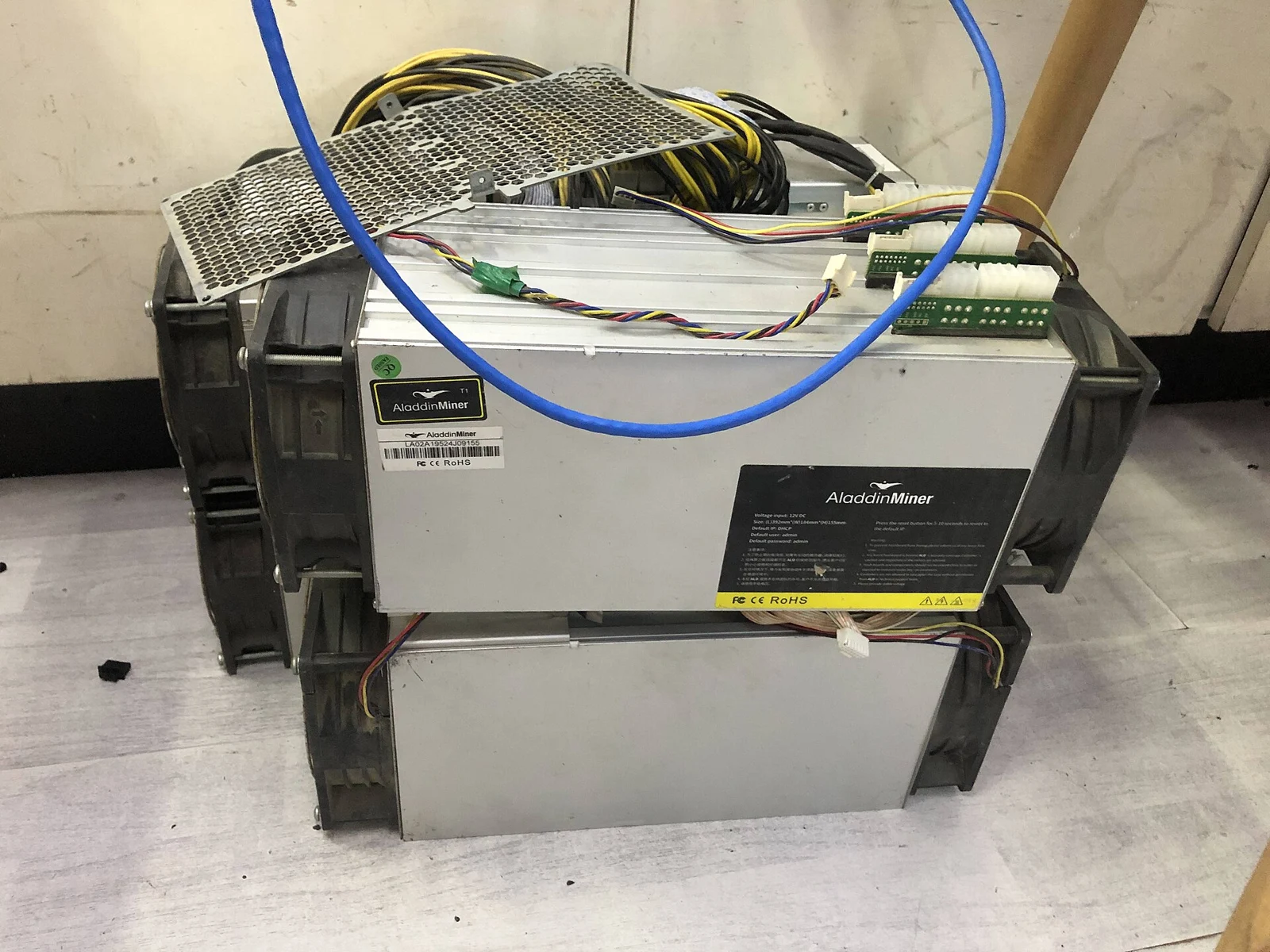
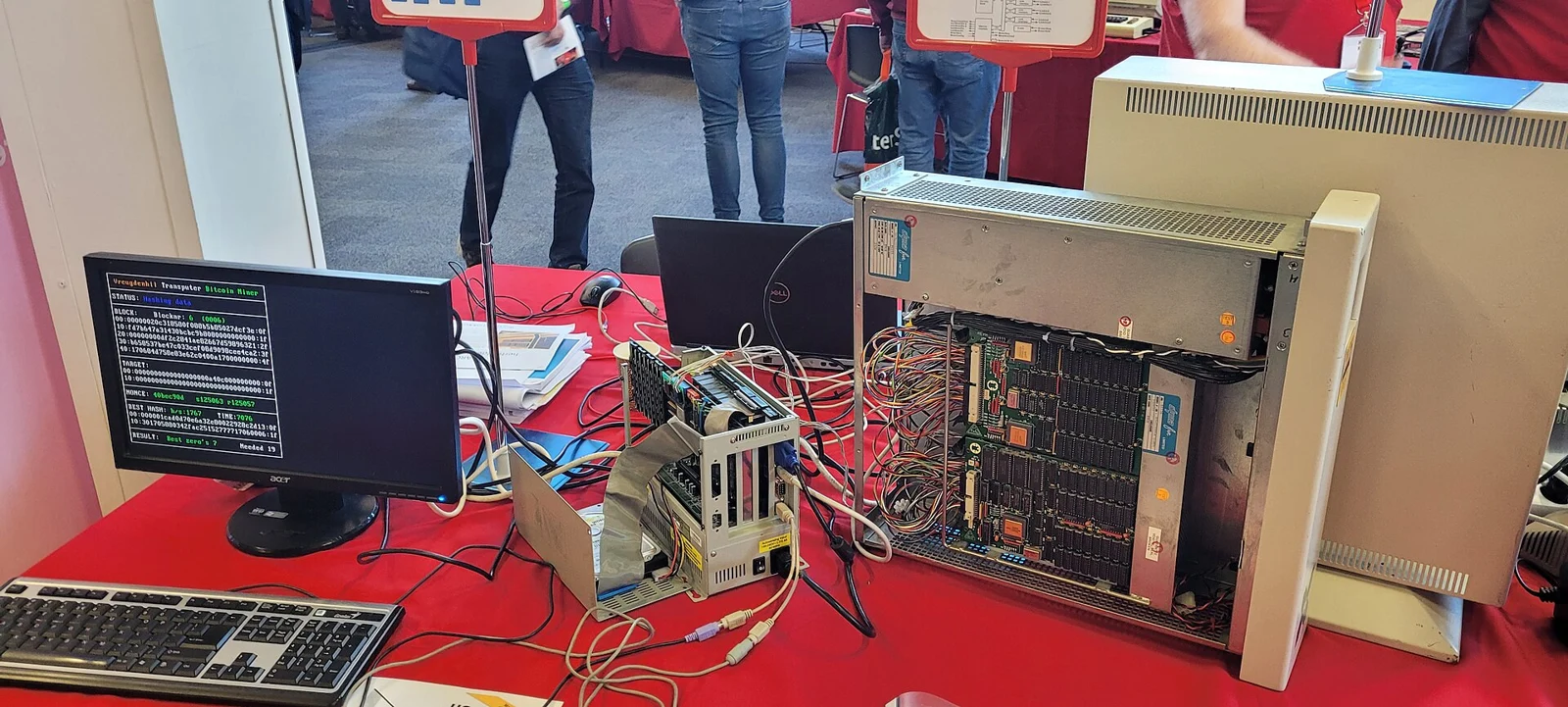
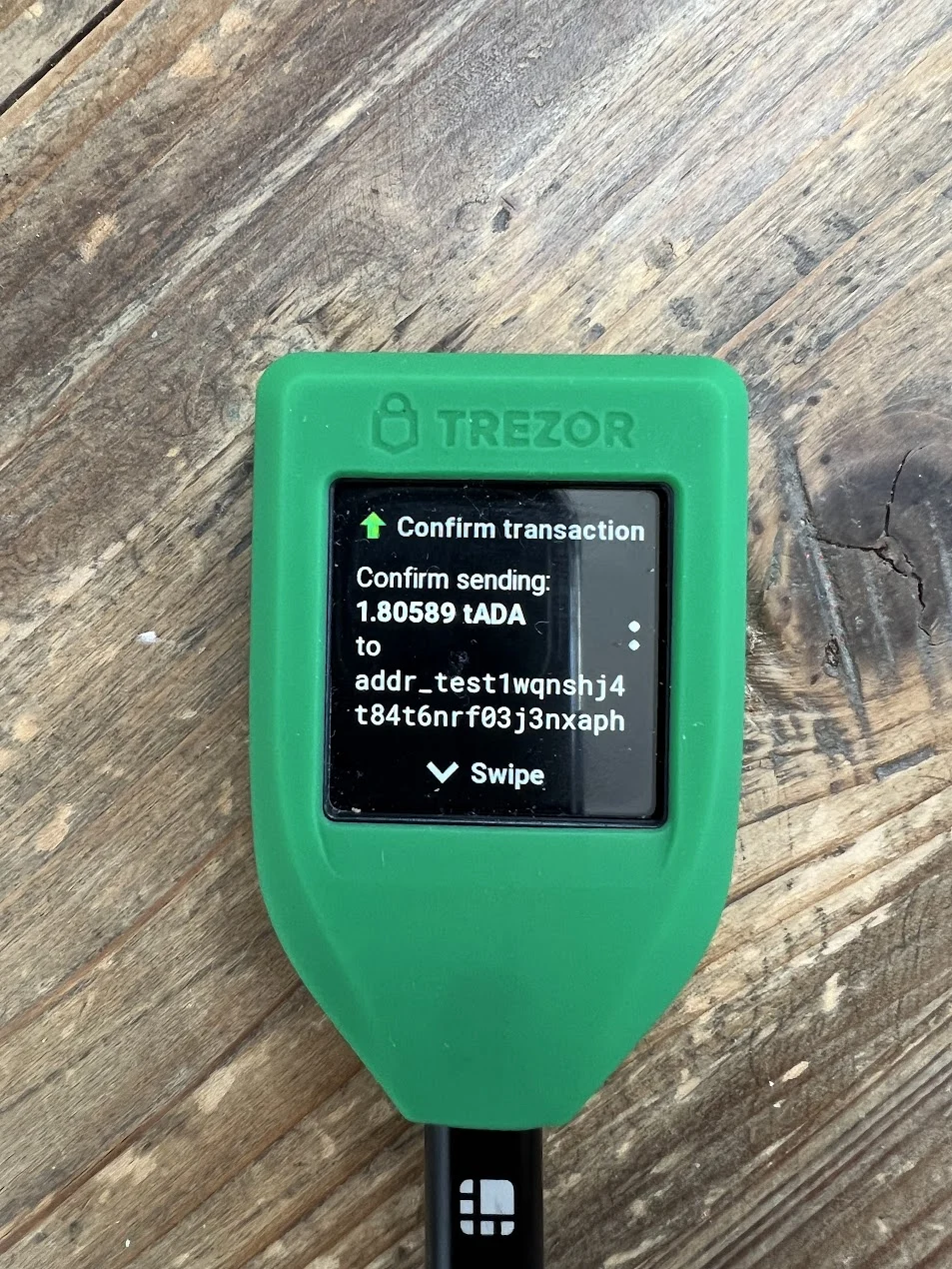
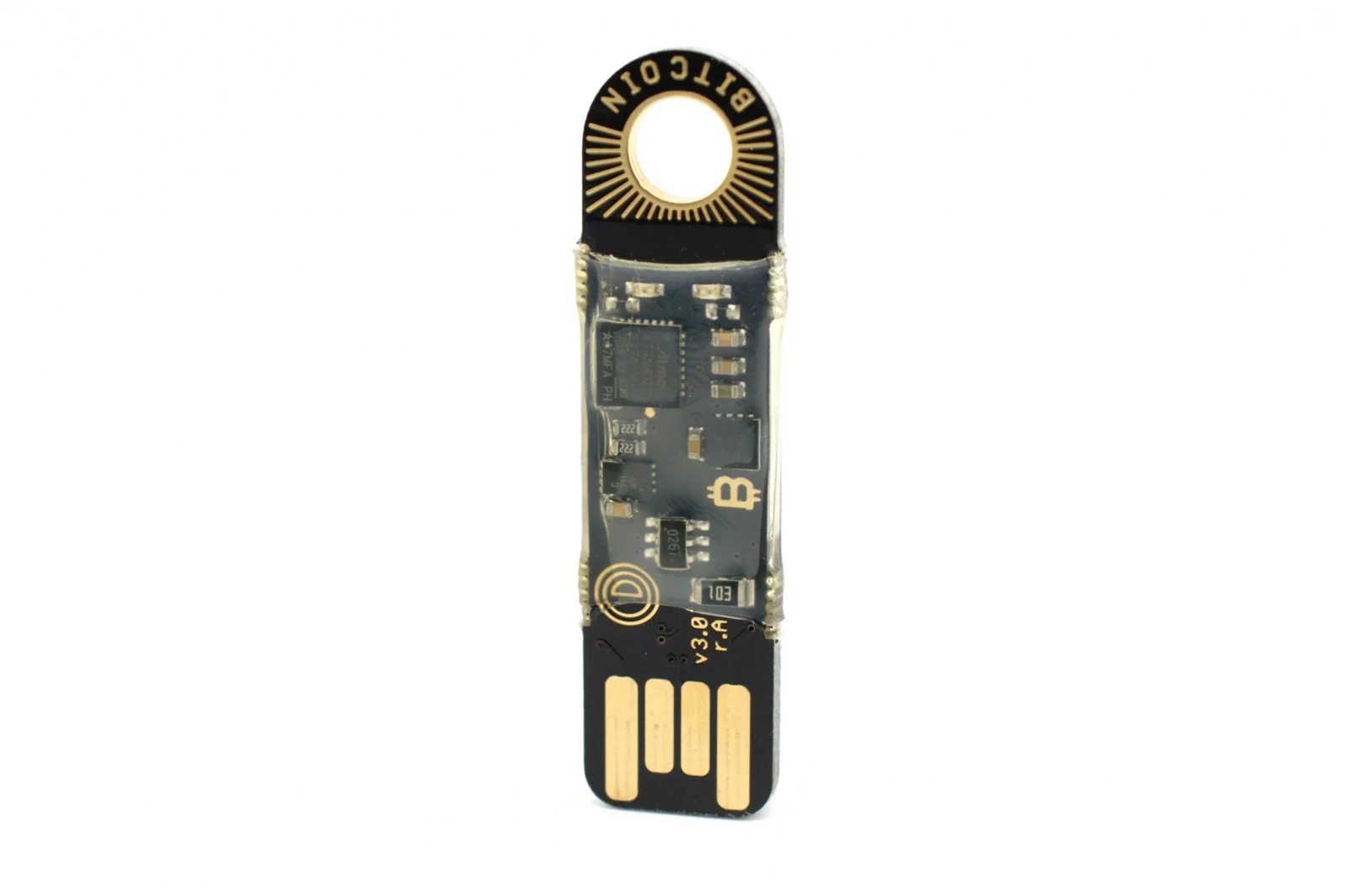
The photographs are archival examples of Bitcoin custody hardware, not Strive’s wallets or proof of its storage arrangements. The October 13 filing is the source for the reported purchase, and the separate release and preliminary prospectus support the financing discussion. Together they show a larger reported treasury and a proposed capital instrument, while leaving actual future purchases, final offering proceeds and individual investment returns unresolved.
Source: Strive / SEC ↗ · Strive SATS proposal, SEC Exhibit 99.1 ↗ · SATS preliminary prospectus, October 13 ↗
Mining calculator ↗