Soluna’s Dorothy gets conditional ERCOT status for 100 MW
Source report: 2026-09-14 · Editorial analysis published: 2026-09-16
Soluna reports conditional Base Load classification for Dorothy and a separate 50 MW request under study. What these milestones mean for a wind-linked mining campus.
Analysis and practical implications
This section is our analysis and illustrative calculations, separate from the source report.
A new interconnection milestone for Dorothy
On September 14, Soluna announced that ERCOT conditionally classified the 100 MW Project Dorothy campus as Base Load in Batch Zero. A separate request for another 50 MW is under study. The word conditional is central: the announcement describes a stage in an interconnection process, not unconditional delivery of an extra block of electricity. For a miner choosing a location, such news is useful when it is read alongside dated operating evidence. It should not be translated directly into a guaranteed number of continuously running ASICs or a promised energy price.
Do not add different project stages together
Soluna places Dorothy alongside the previously announced 166 MW conditional classification at Kati, giving 266 MW across those classifications. Its release also states that verification remains pending. Keep that scope distinct from energized capacity, measured load and the separate expansion request. A project register can assign each value a status and date rather than use one undifferentiated MW total. This is particularly important when the same campus appears in several announcements. Repeating a capacity figure at a new administrative milestone does not necessarily add that amount again to physical consumption.
A power limit does not determine daily energy
Consider an independent hypothetical site that operates at 20 MW for twelve hours and 5 MW for the next twelve. Its daily energy use is 300 MWh, compared with 480 MWh if it stayed at 20 MW all day. Both profiles have the same 20 MW peak, but different energy use and potential productive hours. These figures are illustrative, not Dorothy operating data. A capacity allocation is measured in MW; an energy bill covers MWh or kWh over time. Keeping both units visible helps an operator evaluate curtailment, maintenance windows and changing generation without treating peak capacity as a continuous guarantee.
Wind nameplate capacity needs a time profile
In a second editorial example, a hypothetical 40 MW wind installation with a 40% average capacity factor would average 16 MW, or 384 MWh over a day at that average. This is arithmetic, not a weather forecast or a Soluna performance estimate. Average output does not say when electricity arrives: a variable profile can produce the same daily energy as a steady one. A mine therefore needs an interval-level view of available supply, operating limits and alternative supply arrangements. Quoting a generator’s nameplate rating alone cannot establish the number of miners that can run through every hour.
Co-location does not make electricity free
Putting computing near generation can reduce some physical distance, but the commercial value of energy still needs to be calculated. In an illustrative instant with 80 MW generated and a 50 MW computing load, the remaining 30 MW is an electrical balance before losses and other uses. It does not tell us whether the energy is exported, curtailed, stored or contractually reserved. Nor does it assign a price. An operator should connect meter boundaries and settlement rules to its operating model, rather than infer a zero tariff from the phrase behind the meter. This is a general analytical point, not an assertion about Dorothy’s commercial arrangements.
Curtailment should be visible in the operating record
An energy-aware mining plan needs to record when work stops, why it stops and how long recovery takes. Scheduled reduction, an upstream outage and a device fault have different explanations even if all reduce accepted hashrate. Metered power, pool-side work and event timestamps should cover the same interval. Keep auxiliary and standby consumption where it is actually measured, avoiding double counting. These records show whether a planned reduction behaved as intended and whether a restart restored useful work. A lower monthly electricity total on its own does not establish improved efficiency if productive output also fell.
Expansion is an engineering sequence
A studied request, agreed connection conditions, installed equipment, energization and acceptance are different milestones. An operational review should track which of them has been evidenced and identify shared dependencies such as an upstream connection or cooling system. This does not require assuming that any specific project will be delayed; it simply prevents a planning-stage figure from being recorded as live capacity. Existing mining equipment also does not become AI-ready solely because an expansion has an AI label. The intended workload, cooling and networking requirements should be matched to the phase that is actually being delivered.
How to follow the next update
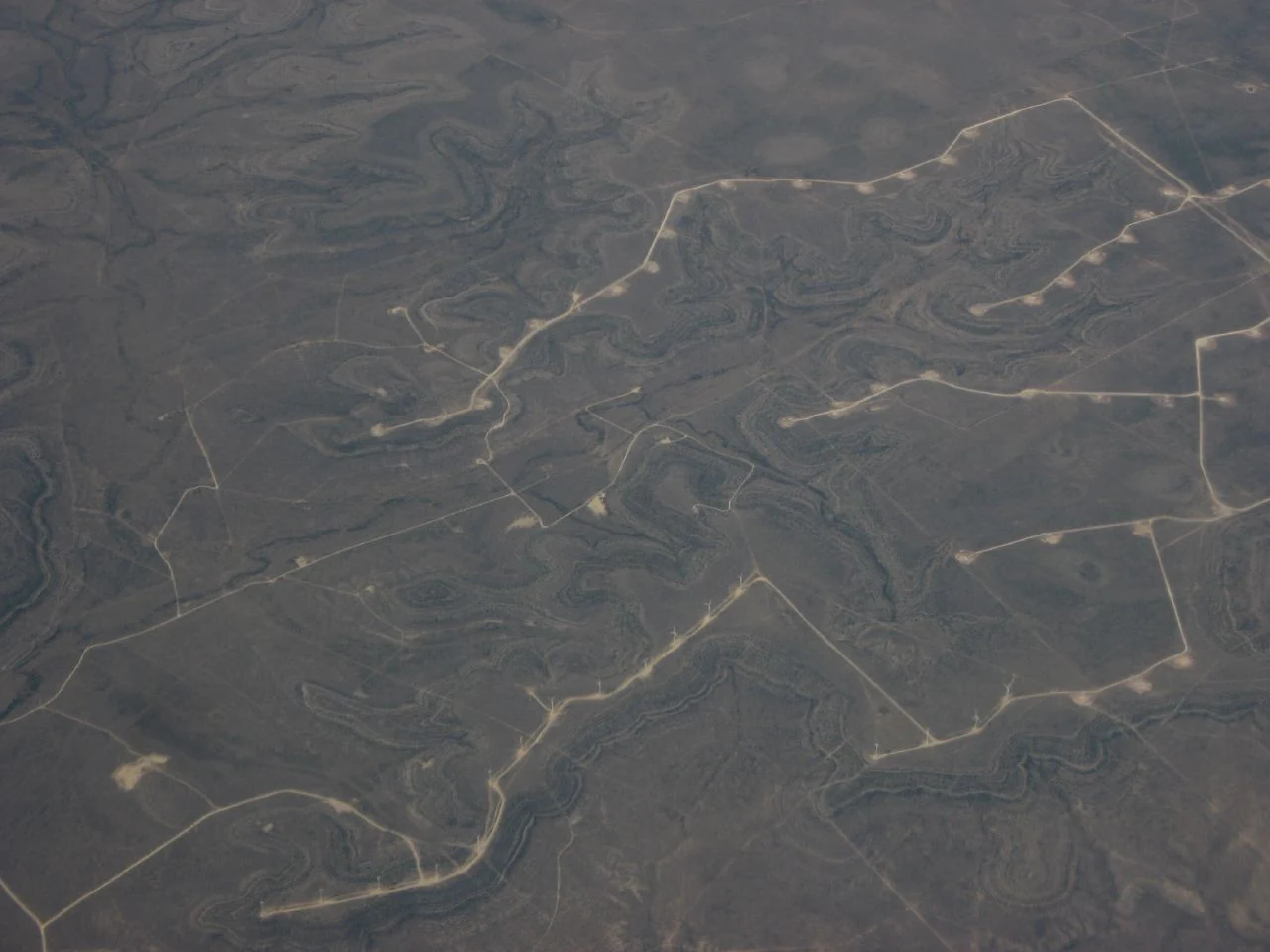
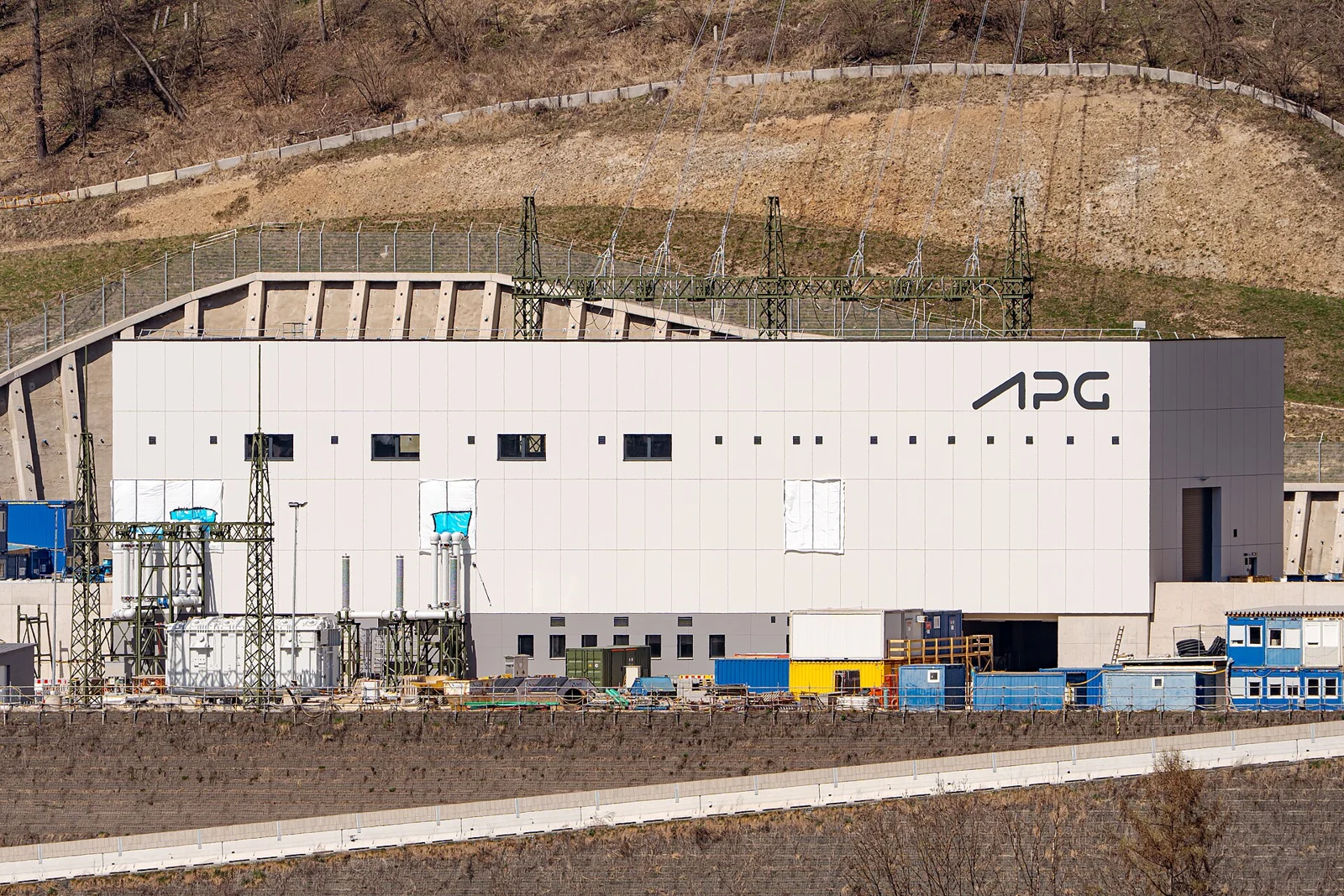
The next useful evidence would identify the outcome of verification, the status of the separate request and the amount of capacity actually brought into service. Compare like-for-like values and keep the announcement date attached to each one. Our calculations are original hypothetical examples that explain MW, MWh and variable operation; they are not a model of Soluna’s finances or a recommendation to select a hosting provider. The two licensed archive photographs show a wind farm in Stirling County, Texas, and a substation in Austria. They illustrate generation and grid infrastructure and are not photographs of Project Dorothy or ERCOT facilities.
Source: Soluna ↗
Mining calculator ↗