Shanghai Electric presents two-phase cooling above 200 kW per rack at CIIF
Source report: 2026-10-15 · Editorial analysis published: 2026-10-19
The October 15 supplier release describes a rack-cooling capability, energy controls and turbine equipment. Its figures concern different systems and do not establish a completed mining installation.
Analysis and practical implications
This section is our analysis and illustrative calculations, separate from the source report.
An exhibition with several engineering layers
Shanghai Electric's October 15 release describes nineteen integrated solutions shown at CIIF in Shanghai, an event running October 12–16. For computing infrastructure, the most relevant items are a two-phase liquid-cooled rack and an energy-management system. The wider display also covers industrial robotics, battery manufacturing and power-generation equipment.
These are separate product and application scopes. Nineteen solutions do not mean nineteen newly commissioned data centers or power plants. The report retains the original English release date rather than treating October 16 translations as independent hardware launches or additional orders.
Cooling capability is not IT consumption
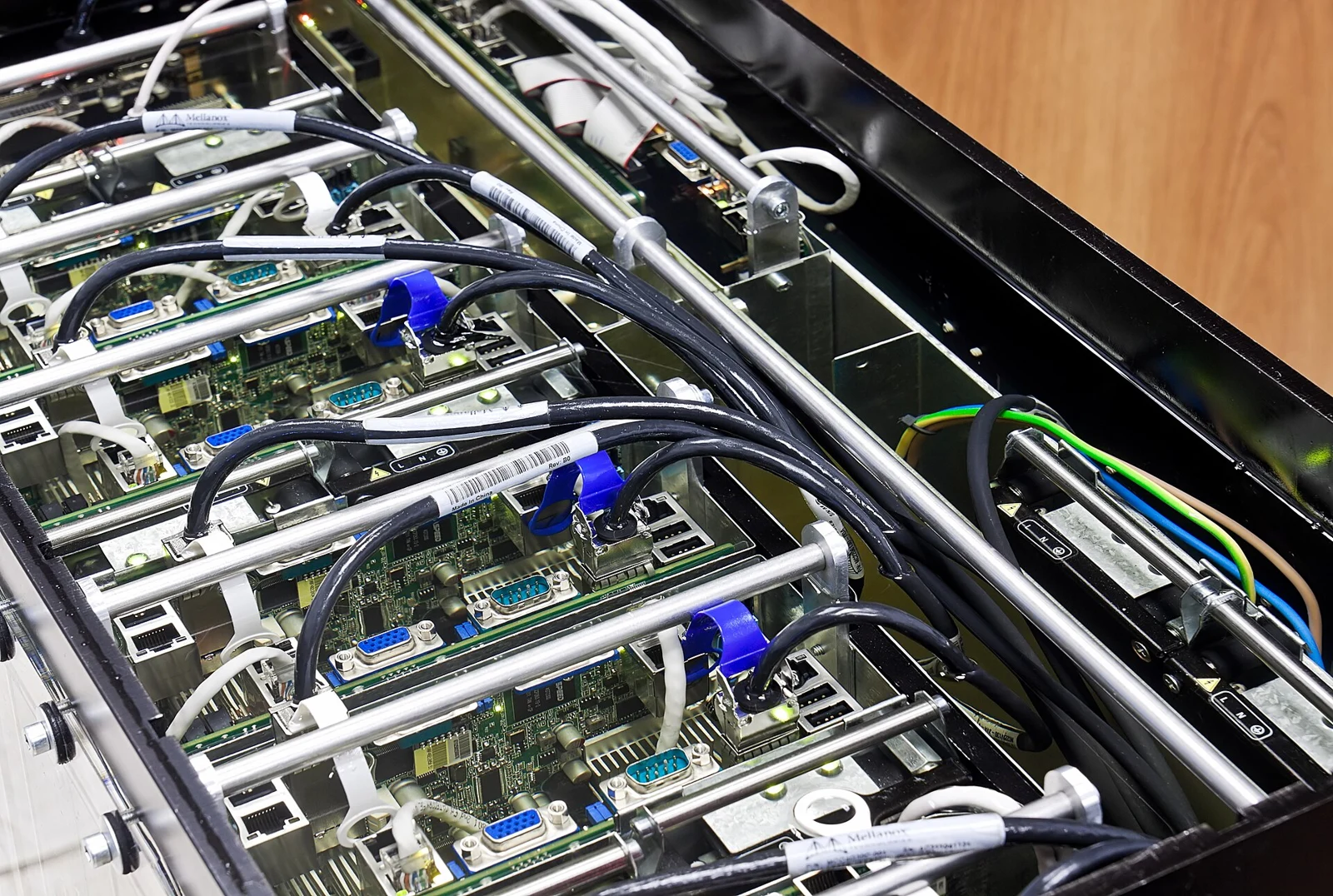
The supplier states that its rack uses two-phase liquid cooling, with cooling capability above 200 kW per rack and a fivefold increase in computing density. These are company claims. The release does not provide an independent test setup or a complete baseline against which the density comparison can be reproduced.
A thermal-removal rating is not automatically the rack's measured electrical draw. Nor is fivefold computing density a fivefold improvement in performance per watt. Comparing racks requires the server population, workload, temperatures, auxiliary cooling power and physical boundary used in the test.
Two-phase operation and site integration
Two-phase cooling uses a coolant's phase change as part of heat transfer. The announcement places that technique at chip level and says the rack can also support retrofits. It does not establish that every existing room can accept the same rack without changes to electrical distribution, heat rejection or operating procedures.
A computing site needs to match thermal capacity to the equipment's actual heat load and its external cooling system. The release does not specify a universal coolant, pressure envelope or an ASIC compatibility list. Operators should obtain the applicable engineering documentation rather than infer a supported miner from the rack's headline rating.
Digital control is not stored energy
Shanghai Electric describes a cloud-edge-device energy-control architecture using generation and demand forecasts to optimize dispatch across energy resources. It also cites continuous off-grid operation in applications including oilfield microgrids. The latter is an attributed application statement, not an independently timed endurance test for a data center.
Control software coordinates available resources; it does not create fuel, battery energy or an electrical connection. The release gives no common autonomy duration or reserve inventory for those applications. A site requiring backup must separately define the resources, operating limits and failure conditions behind the control system. As a separate hypothetical illustration, 40 MWh of usable stored energy could support a steady 10 MW load for four hours before losses and reserve constraints. If that store were not charged, the same software could not provide those four hours merely by forecasting demand. These are invented scenario inputs for explaining resource accounting, not an oilfield project specification or a Shanghai Electric battery offering.
Retrofit and maintenance claims need baselines
The company links rack integration with an Internet of Things platform to energy savings and predictive maintenance. It does not publish a measured whole-facility percentage in this release. Neither the existence of monitoring nor the cooling rating supplies the missing baseline for a site's electricity comparison.
A useful acceptance plan would record IT load, cooling auxiliaries, inlet conditions and availability over an agreed period. Predictions of maintenance needs should also be assessed against actual faults and interventions. These measures can evaluate the offered functions without assigning unreported savings to every installation.
The turbine news has a different date
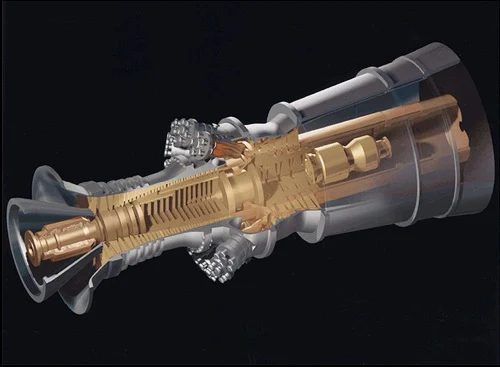
Shanghai Electric also says its internally developed gas-turbine control system was commissioned at Shenzhen Energy's Ganlu project in June 2026 and was exhibited for the first time at CIIF. June commissioning and October exhibition are different events. The booth display does not make that system a newly energized October project.
Its stated 75–800 MW simple-cycle and combined-cycle offering describes a range of power-solution classes, not the output of one named new generator. It cannot be added to the rack's thermal rating to form a site capacity. The hydrogen-blending demonstration mentioned in the release also does not establish zero-emission operation.
A hypothetical rack calculation
For illustration, a steady 200 kW heat load corresponds to 4,800 kWh of heat in twenty-four hours. That is an energy calculation at a stated constant load, not the electricity consumed by the cooling equipment. The actual cooling-system input would need a separately defined efficiency or performance coefficient.
The calculation is not a Shanghai Electric field measurement, and the supplier's stated capability is above 200 kW rather than an exact reading at that point. It helps explain why thermal power, energy over time and electrical auxiliary demand should appear as separate values in a computing-site budget.
Why the portfolio matters to miners
The exhibition shows a supplier connecting cooling, controls and energy equipment in its infrastructure offering. Mining operators face those same site-level constraints even when their workloads differ from AI servers. Relevance to deployment planning does not establish that these products change an ASIC's factory hashrate or power specification.
The next useful evidence would be covered equipment models, installation requirements, customer acceptance results and defined performance measurements. Until then, the confirmed event is the CIIF presentation and its attributed capabilities. It is not a new miner, a completed universal retrofit or a guaranteed reduction in mining cost.
Source: Shanghai Electric ↗
Mining calculator ↗