Sazmining uses contracted hashrate while physical ASIC miners ship
Source report: 2026-09-15 · Editorial analysis published: 2026-09-18
A September 15 case study explains the seven-day hashing promise. We distinguish virtual hashrate, physical delivery, contract costs and unproven retention claims.
Analysis and practical implications
This section is our analysis and illustrative calculations, separate from the source report.
A newly published case, not a new launch
Braiins published the Sazmining case on September 15, 2026. It describes rented hashrate covering the gap before a purchased ASIC is installed. The custom OTC arrangement began in June; the public contract product launched in August. Sazmining says customers start hashing within seven days, using device-sized slices redirected to their payout addresses, then move to physical miners. These are the companies’ descriptions, not an independent service audit.
Network work and hardware delivery differ
Our reading separates first mining activity from delivery acceptance. Seeing a pool payout does not demonstrate that a specific serial-numbered ASIC has arrived, passed inspection or started at the intended site. Keep freight tracking, asset ownership, installation acceptance and temporary-hashrate records separately. A seven-day activity promise should be evaluated against its own stated scope, rather than silently treated as a seven-day physical-delivery guarantee.
Fixed speed is not fixed Bitcoin output
For our operational analysis, separate the amount of computational work from the amount and fiat value of rewards. Difficulty, pool settlement and transaction-fee conditions belong in a different ledger from delivered hashrate. When comparing a temporary bridge with the eventual machine, use matching time windows and pool-accepted work. Do not price an order on the assumption that yesterday’s Bitcoin-per-day figure remains constant throughout shipping.
Keep a clean handoff ledger
Our suggested handoff record identifies the last temporary period and the first physical-miner period, with time zones and payout destinations. That prevents double-counting overlapping activity or overlooking a gap. Attach the physical unit’s identity and commissioning report to the transition. A shared wallet can simplify payment collection, but it cannot by itself identify which source generated every reward; the pool or operator records need to supply that attribution.
Separate supplier cost from customer terms
Our cost checklist asks who pays during a prolonged delay, how an extension is approved, which charges remain due after handoff and what happens if an order is cancelled. These are questions for the actual agreement, not answers established by a marketing case. Public product terms must not be copied over a bespoke OTC arrangement without evidence. Keep the hardware invoice, hosting terms and temporary-service charges independently reconcilable.
Proof of activity versus proof of retention
The case acknowledges that it lacks a clean before-and-after comparison for retention. Our editorial conclusion is therefore limited: it describes a delivery process, not a proven causal improvement in customer loyalty. To test that claim independently, an operator would need comparable order cohorts, delivery durations, cancellations and repeat purchases over consistent periods. Anecdotes and an active wallet are useful observations, but do not replace that design.
Future outage coverage remains a proposal
The source discusses outage coverage and demand response as possible next uses, and explicitly says Sazmining does not perform demand response today. Our analysis would evaluate any future version against the site’s repair commitments, power-curtailment rules and verified replacement work. Temporary network hashrate does not repair a failed ASIC or energize an offline facility. Keep service continuity and the physical recovery timeline as separate obligations.
What to keep in an order file
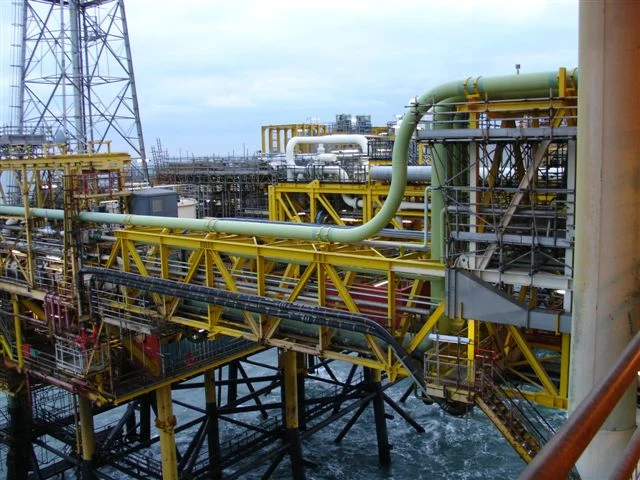
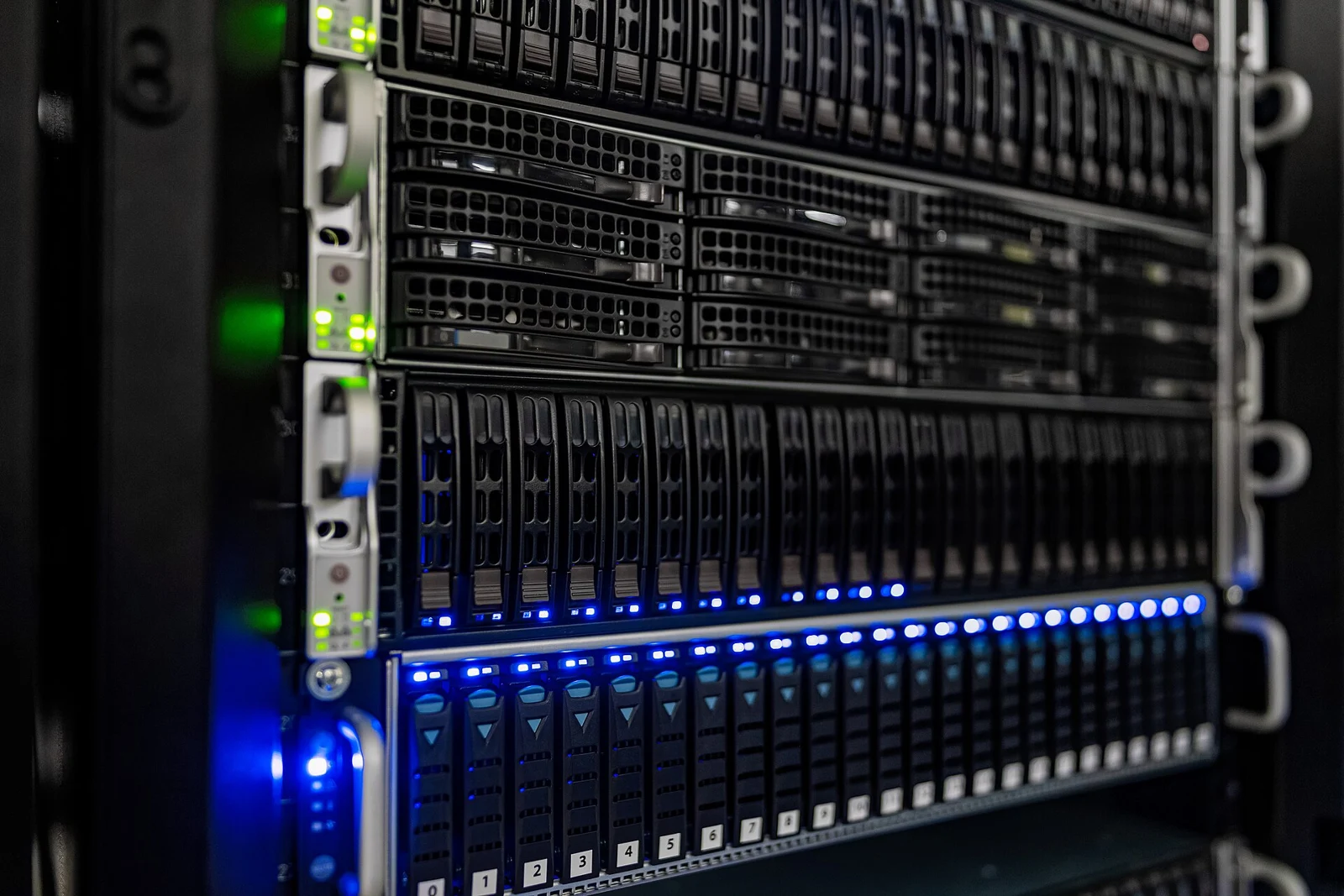
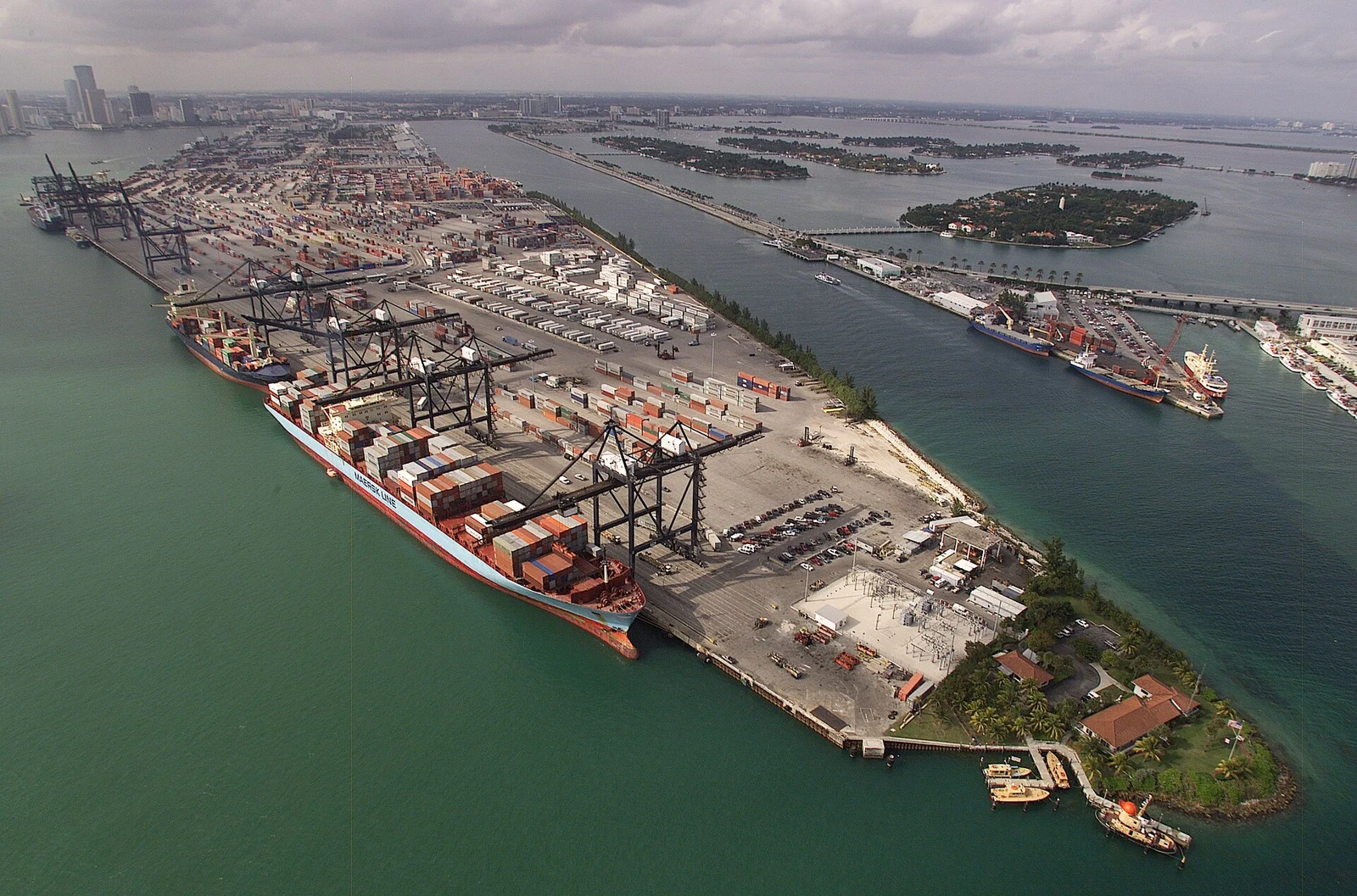
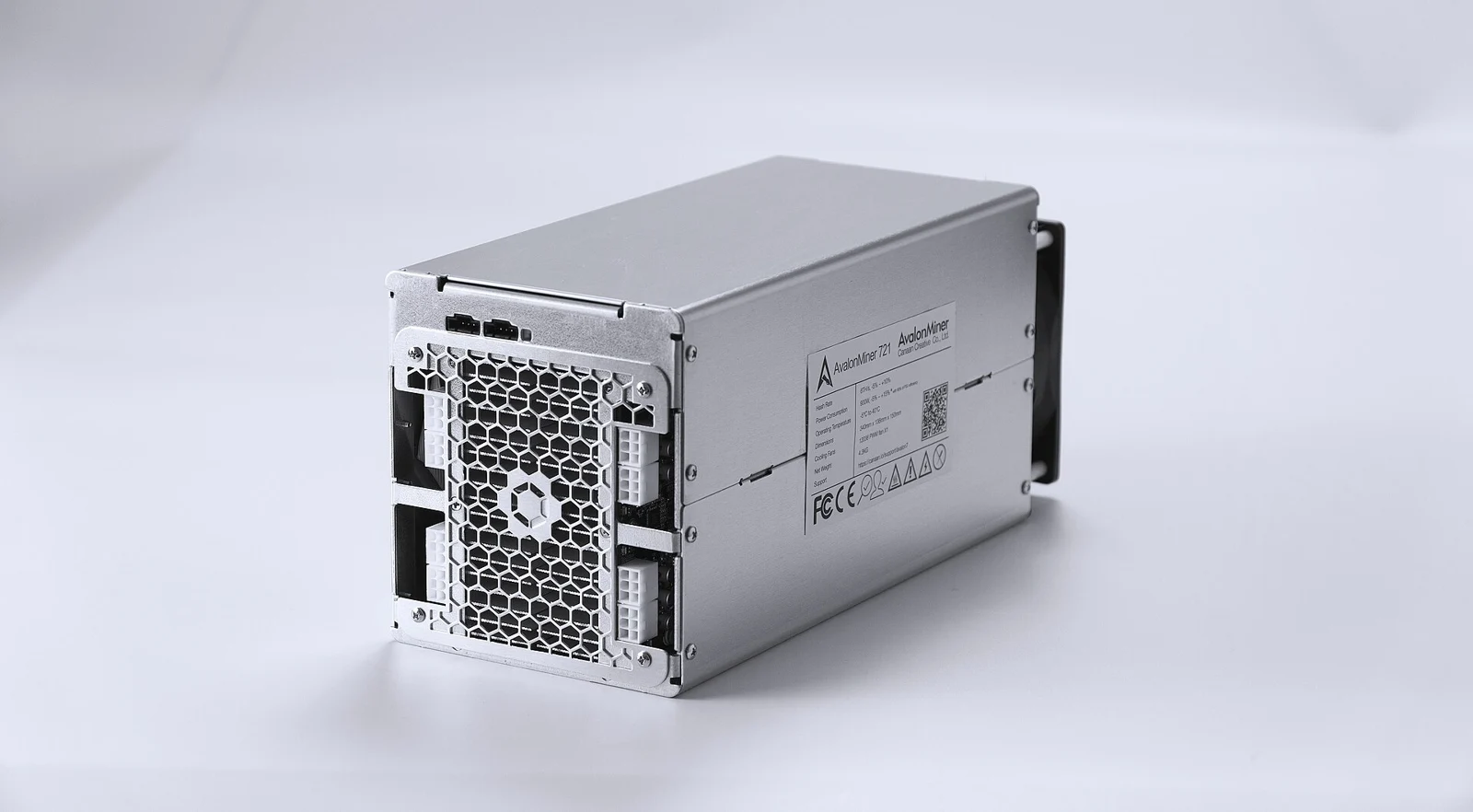
Our practical takeaway is an order file linking the purchase date, explicit temporary-service scope, payout destination, transport events and physical acceptance. Confirm the ending condition for rented coverage and document any extension separately. That file makes the bridge understandable without confusing a contract with equipment ownership. The two licensed archival images illustrate freight and mining hardware; they are not photographs of Sazmining’s actual delivery or facilities.
Source: Braiins ↗
Mining calculator ↗