atNorth plans FIN05 in Finland: 75 MW first phase, 230 MW campus
Source report: 2026-10-05 · Editorial analysis published: 2026-10-06
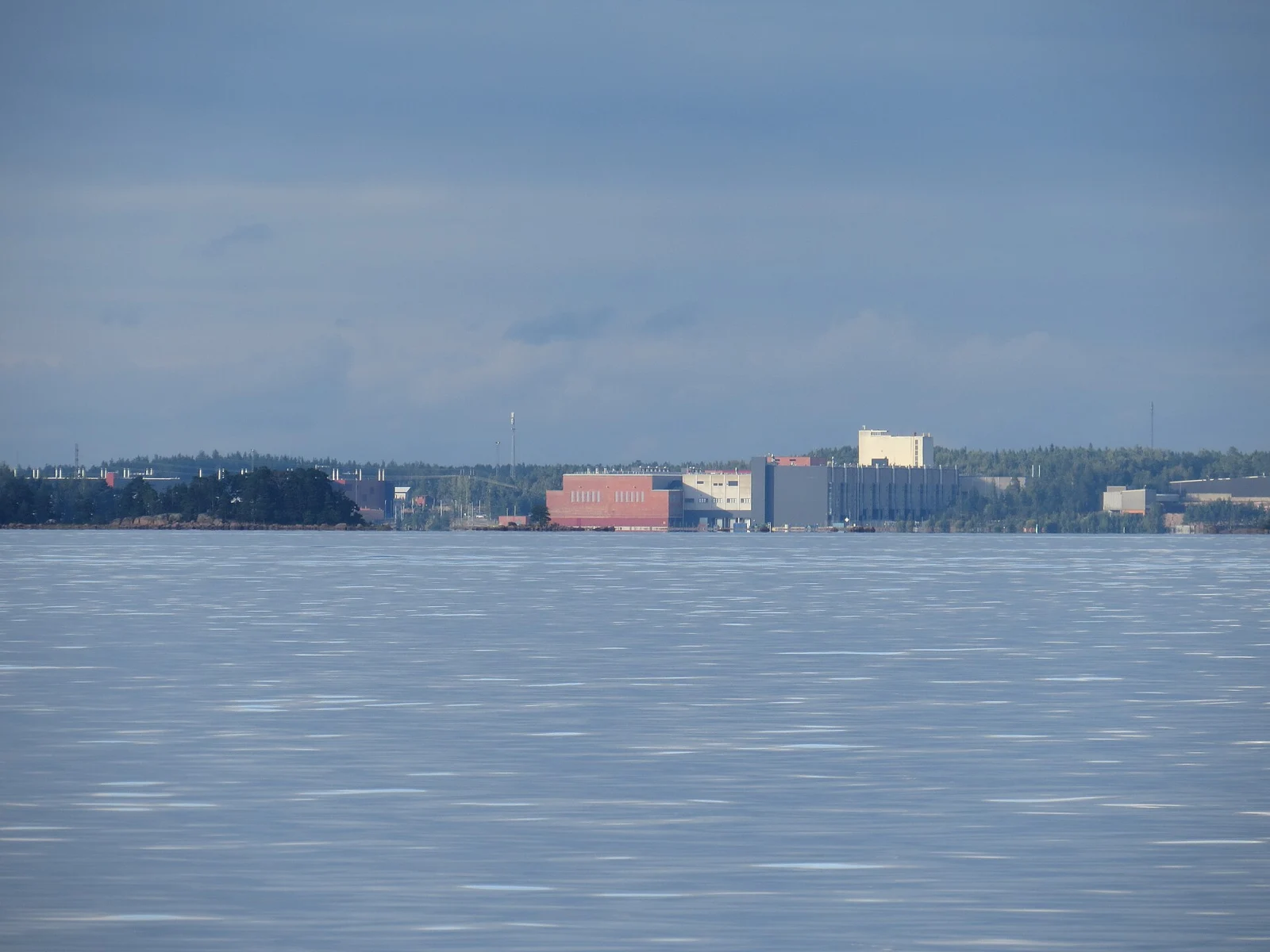
atNorth announced its Salo campus on October 5. The first phase has secured power; the site page targets Q3 2028 availability and distinguishes 60 MW of IT capacity from 75 MW of gross power.
Analysis and practical implications
This section is our analysis and illustrative calculations, separate from the source report.
A new project, rather than an operating campus
atNorth announced FIN05 in Salo, Finland, on October 5, 2026. The proposed 28.6-hectare campus has power secured for a planned 75 MW first phase and a route toward 230 MW for the broader development. A Fingrid substation is the planned connection point. These are company statements about a development, not evidence of machines already producing revenue. Our coverage therefore classifies FIN05 as planned infrastructure. An allocation of power is an important milestone, but it should remain separate from completed construction, commissioning and the acceptance of customer workloads.
For ASIC operators, the useful distinction is between a location that can accommodate a future fleet and a location that can accept powered equipment today. A planning announcement can influence competition for electrical capacity without establishing immediate hosting availability. A customer comparing sites should ask for the date when a specified electrical service can be delivered, the contractual remedy for delay and the physical boundary of that service. Those questions are our assessment framework; they are not additional FIN05 commitments disclosed by atNorth.
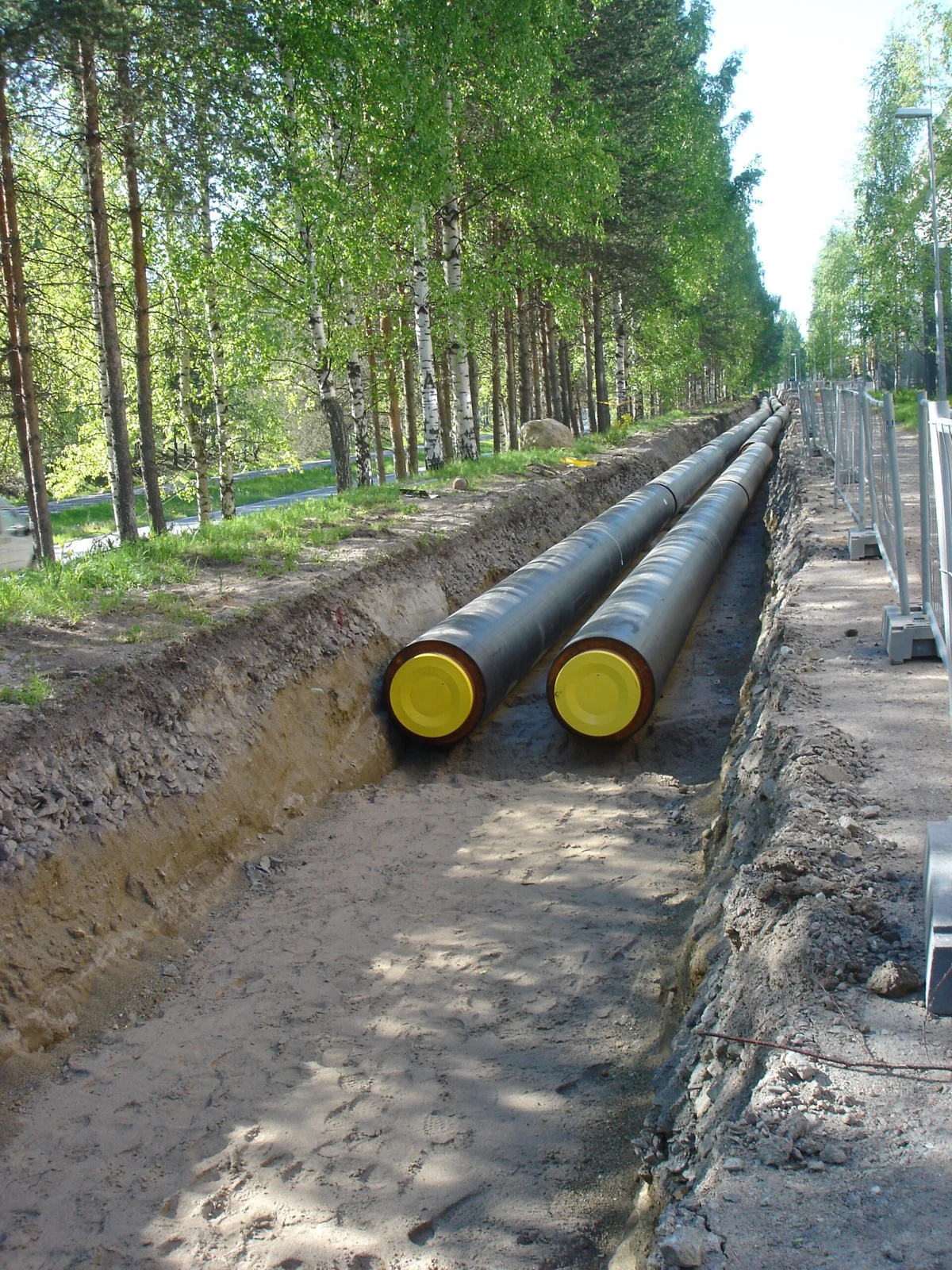
The site page adds an IT-capacity and timing boundary
The FIN05 site page, checked alongside the announcement, lists 230 MW of gross campus power and up to 160 MW of IT capacity. It describes 60 MW of IT capacity for the first phase, with power availability planned for the third quarter of 2028. This supplements the announcement with a target window; it does not turn the project into a commissioned facility. The announcement estimates approximately €2 billion of site investment, excluding customer servers and installation, which it estimates could add up to €10 billion.
The figures must keep their labels. Gross electrical capacity and the amount available to computing equipment are different measures, while a maximum development envelope is different from a first phase. Dividing one advertised capacity by another would not by itself establish measured power usage effectiveness. A measured efficiency ratio needs matching energy boundaries and a defined operating period. Likewise, potential customer equipment expenditure should not be added to site investment and presented as financing that has already been committed or spent.
Grid flexibility is an operating capability
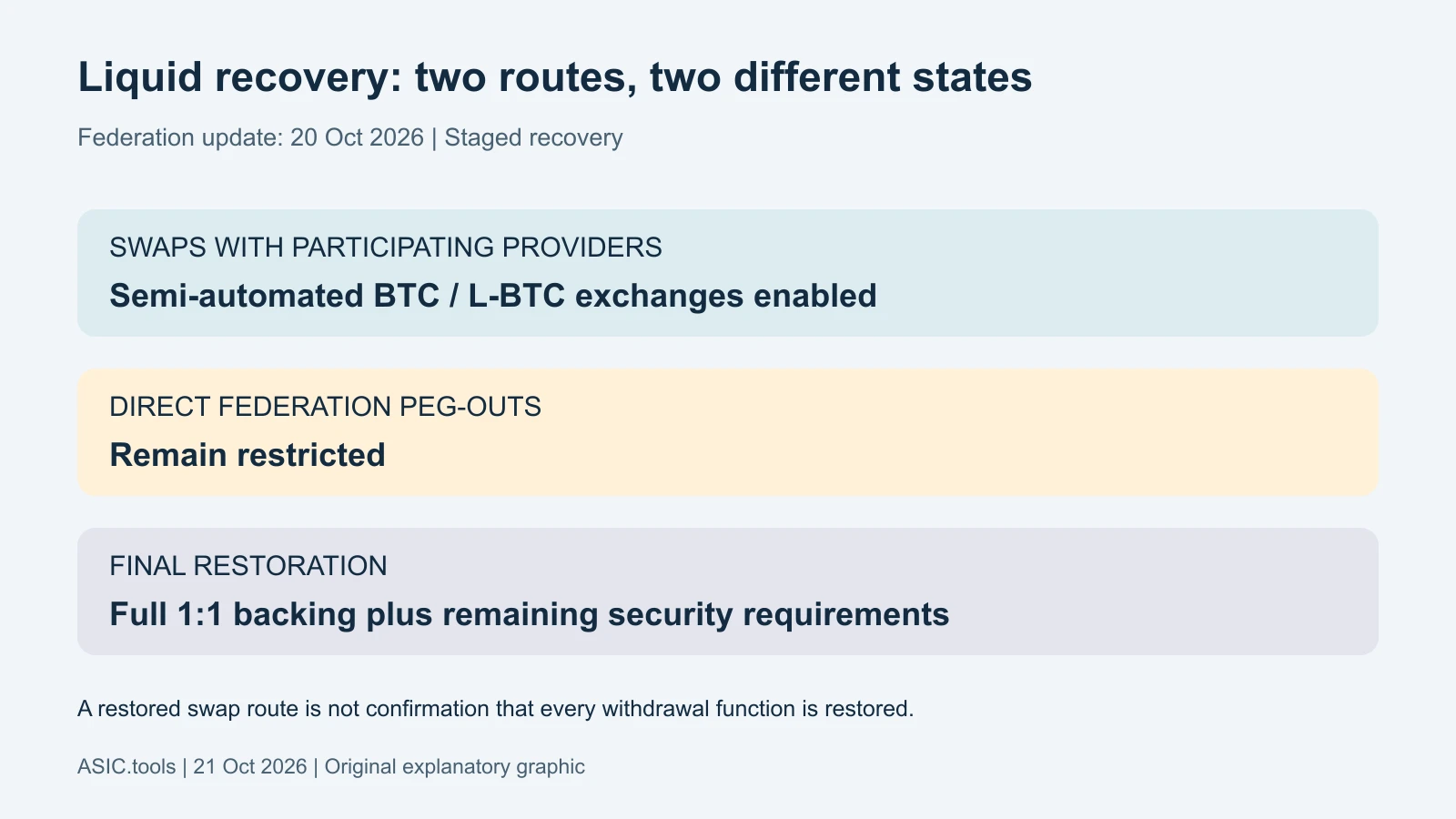
atNorth says it plans local long-term power purchase agreements and will explore flexibility and heat reuse with regional stakeholders. The announcement does not provide a signed heat customer contract, quantified dispatch obligations or a measured reuse result. We interpret these as parts of the proposed operating approach that still need specific commercial and engineering terms. A reader should not infer that every megawatt of future compute demand has already been matched to a particular new generator or a contracted recipient of waste heat.
A mining operator assessing flexibility would examine how quickly equipment can reduce load, how often it can do so and what production or contractual revenue is forgone. An AI service may have a different interruption budget because customers reserve compute availability. Both workloads can participate in an energy system, but neither is automatically flexible merely because it is digital. To compare proposals, the site needs a baseline load profile, dispatch rules, metering and a settlement mechanism that distinguishes saved electricity from compensation for providing a grid service.
Heat reuse needs a buyer and a usable temperature
Heat leaving computing equipment can have economic value when its temperature, quantity and timing fit a nearby demand. This is an engineering implication, not a claim that FIN05 has already sold heat. A useful design review would identify the receiving network, the temperature required by that network, the distance to it and the equipment needed to transfer or upgrade the heat. An annual total alone cannot show whether supply is useful during the hours when the receiving system needs it.
The same reasoning applies to a home ASIC heater and a large campus, although their scale and customers differ. A heat pump, circulation pumps or seasonal storage can change both capital cost and electricity consumption. A contract should explain who owns those assets, who maintains them and what happens when computing load or heat demand falls. Without this boundary, gross heat produced may be mistaken for useful heat delivered. FIN05 remains a proposal whose heat reuse opportunities are being explored, rather than a published operational heat balance.
A Nordic climate changes cooling design, not every cost
Cool outdoor conditions can create opportunities to reduce mechanical refrigeration, but outdoor temperature does not determine the complete cost of cooling a high-density facility. Engineers still need to assess humidity, allowable inlet conditions, filtration, heat exchanger performance, redundancy and the load on pumps or fans. These are general design considerations relevant to northern campuses. We do not infer a particular annual cooling efficiency, water consumption or power tariff for FIN05 from its location in Finland or from the capacity figures in the announcement.
For miners using hydro-cooled ASICs or immersion equipment, the heat rejection system must also fit the miner manufacturer’s permitted temperature and flow range. A cold climate can require freeze protection and controlled startup procedures. For GPU racks, liquid delivery and the final rejection of heat to the environment are separate parts of the cooling chain. Comparing sites therefore requires an equipment-specific design basis and an annual operating profile. A geographic advantage becomes a practical benefit when the whole system meets the workload’s requirements.
Connectivity and readiness belong in the deployment plan
A data centre needs more than an electrical connection before it can provide a commercial service. Operators need network routes, security arrangements, maintenance access and a commissioning process. Mining pool connectivity can be relatively modest compared with tightly coupled AI clusters, but reliability and latency still affect the operation. Our interpretation is that infrastructure buyers should evaluate these requirements alongside the power availability target. The October 5 announcement is not a guarantee that every customer configuration will be ready at the same time.
A procurement schedule should connect the site’s acceptance date with the arrival of servers, cooling components and electrical distribution equipment. Hardware paid for too early may sit unused; hardware arriving too late may leave a contracted site underutilized. These timing risks are separate from the physical capacity of the finished campus. A contract can address them through staged acceptance, clearly defined interfaces and accountable delivery milestones. None of those specific customer arrangements should be assumed from a high-level development announcement.
Mining and AI should be compared through delivered service
FIN05 is a high-density digital infrastructure development, not a newly announced ASIC model. We have not converted its power figures into an assumed Bitcoin hashrate, because that would require a confirmed fleet, device efficiency and the share of electrical capacity actually assigned to mining. An AI campus cannot be valued as an ASIC farm simply by expressing its power in megawatts. The two businesses have different equipment, utilization patterns, customer obligations and revenue measures, even when they draw electricity from similar infrastructure.
A fair economic comparison would put net service revenue, capital requirements, maintenance, energy consumption and utilization into the same time period. Bitcoin hashprice and a GPU-hour rental rate are inputs to different operating models. Neither is sufficient to turn an announced campus capacity into cash flow. Readers considering a conversion of a mining site should first specify the intended workload and delivery requirements, then estimate the cost of adapting the electrical, cooling and network systems. An available power envelope is the beginning of that analysis.
The next milestones will show execution
The evidence to watch includes construction milestones, a detailed commissioning schedule, binding customer commitments and disclosure of the energy and heat reuse arrangements. Those records would show how the announced development becomes a usable service. The current source material supports a planned first phase and a longer-term campus envelope; it does not establish that the full development is funded, built or occupied. We retain the distinction between the October 5 announcement and the target availability window stated on the site page.
For the mining and infrastructure audience, FIN05 is a useful example of why power, IT capacity, investment estimates and readiness dates need separate fields. A project can make progress in one without completing the others. Our conclusion is limited to the verified announcement: atNorth is extending its Finnish development pipeline, while the commercial and technical delivery of FIN05 remains a future undertaking. The supplemental site information is available at https://www.atnorth.com/nordic-data-centers/finland-data-centers/salo-fin05/ so readers can check its capacity labels and target window.
Source: atNorth ↗ · atNorth FIN05 — capacity and target availability ↗
Mining calculator ↗