PowerCompute mines 8.1 BTC in September and reports $89,000 in energy sales
Source report: 2026-10-08 · Editorial analysis published: 2026-10-09
The October 8 preliminary update separates Bitcoin production from heat-related power sales. We examine the operating comparison and what the figures cannot establish.
Analysis and practical implications
This section is our analysis and illustrative calculations, separate from the source report.
September production and a separate electricity business
PowerCompute released preliminary, unaudited September operating figures on October 8, 2026. It reported approximately 8.1 BTC mined, compared with 7.9 BTC in August and 5.9 BTC a year earlier. Energy sales generated approximately $89,000 during September and $312,000 for the three months ended September 30. The company attributes those sales to seasonal heat-related curtailment at its Oklahoma and Mississippi sites. These are company-reported results, rather than independently measured fleet performance or a forecast for the rest of the year.
The useful new information is the combination of monthly Bitcoin output and a separate power-sales stream. A farm can have productive electrical infrastructure while its ASICs are temporarily idle, but only if its contracts and market arrangements allow that alternative use. The analysis below explains the accounting and operating questions behind the figures. It does not assume that every hosting customer can resell power, or that a small farm receives the same settlement terms as an infrastructure owner.
How to read the monthly comparison
The release describes production growth as 37% year over year and 2.7% month over month. Those are the issuer’s percentages. The displayed Bitcoin amounts are approximate: calculating the monthly percentage directly from the rounded 8.1 and 7.9 values gives about 2.53%. That difference is a reason to preserve the distinction between the release’s calculation and a calculation using its rounded table, rather than reporting either figure as an exact measurement of unrounded production.
A monthly total also includes the number of days in the reporting period. September has 30 days and August has 31. Using the rounded figures, the simple daily averages are approximately 0.270 BTC and 0.255 BTC respectively. This is our arithmetic, not an additional company metric or an estimate of hashrate. It is useful when comparing output, but it still cannot isolate the effects of downtime, pool results, network difficulty or equipment changes without the underlying operational records.
Revenue from power is not mining profit
Energy-sales proceeds describe a revenue stream. They do not, on their own, disclose the amount of electricity sold, its acquisition cost, the relevant demand charges, transaction costs or the profit retained. Dividing the reported dollars by the Bitcoin mined would produce a ratio between two different businesses, not a measured mining electricity cost. Likewise, adding a hypothetical Bitcoin sale value to the power proceeds would require a clearly stated valuation date and would still not produce net profit.
For a farm’s own accounts, keep a separate record of mining proceeds, power settlements and hosting charges. Match each entry with its observation period and units: Bitcoin received, electrical energy in MWh, reserved capacity in MW and money in the settlement currency. Where a contract combines several services, document how charges are allocated. This prevents a positive power settlement from hiding an expensive mining hour and prevents idle ASICs from being counted as both producing Bitcoin and releasing the same electricity for sale.
The operating decision is marginal
An operator deciding whether to keep hashing during an expensive hour needs the incremental economics of that hour. Expected pool revenue should be adjusted for fees, rejected work and actual uptime, then compared with the power expense and any contractual value of reducing consumption. Some costs remain payable in both states; others change when the equipment stops. The decision cannot be made from the site’s headline annual revenue or from an ASIC’s nominal hashrate alone.
Consider a hypothetical load of 1 MW that runs for one hour. Its electrical use is 1 MWh, or 1,000 kWh. At an illustrative energy price of $0.10 per kWh, the energy component is $100 before other charges. This example explains units; it is not PowerCompute’s tariff or an estimate of its sales. If the operator can earn a separate payment by reducing load, the comparison must use the contract’s actual settlement rule, including obligations, baseline measurement and any penalties.
Curtailment needs an equipment procedure
Curtailing a load is an operational change as well as an economic choice. Fans, pumps, controls and monitoring may not all stop together, and the safe shutdown and restart sequence depends on the installed hardware. A hydro-cooled miner can require a different procedure from an air-cooled rack. The relevant instructions come from the manufacturer and the facility’s commissioning documentation; a successful power-market decision does not establish that an improvised electrical switching procedure is safe.
For maintenance records, log the reason for each interruption, the start and end times, the affected machines and the return to stable accepted hashrate. Separating planned curtailment from faults makes availability reports more useful. Otherwise a staff member might treat a profitable scheduled pause as a hardware failure, or excuse an actual failure as market-driven downtime. The same record helps identify whether repeated restarts, high inlet temperatures or a cooling alarm require attention independent of electricity prices.
Infrastructure capacity does not measure active hashpower
A connection rating is expressed in electrical power, while Bitcoin mining output depends on computing work over time. Converting MW into hashrate requires the actual fleet’s efficiency and operating settings, plus auxiliary power and uptime. A farm with several hardware generations cannot be represented accurately by assuming that every machine has the efficiency of its newest model. The September release therefore should not be used to manufacture an undisclosed active hashrate or a performance claim for a specific ASIC.
A useful fleet report joins four observations: the electrical meter, the active machine count, pool-accepted hashrate and the operating period. Each answers a different question. The meter captures facility consumption; the device inventory identifies installed capacity; the pool reports useful submitted work; the time record explains interruptions. Comparing these records can expose a calculation based on installed machines that were actually offline. It also separates a device’s specification from what the complete site achieved.
Earlier announcements are context, not new output
ASIC.tools has already covered PowerCompute’s earlier hardware-refresh, debt-repayment and Mississippi power-contract announcements. This article concerns the newly released September operating update. An earlier plan to replace equipment does not prove that all ordered miners are commissioned, and a debt transaction does not itself increase the amount mined. Reading the documents together is useful, but each claim should retain its own date and its status as a plan, transaction or reported operating result.
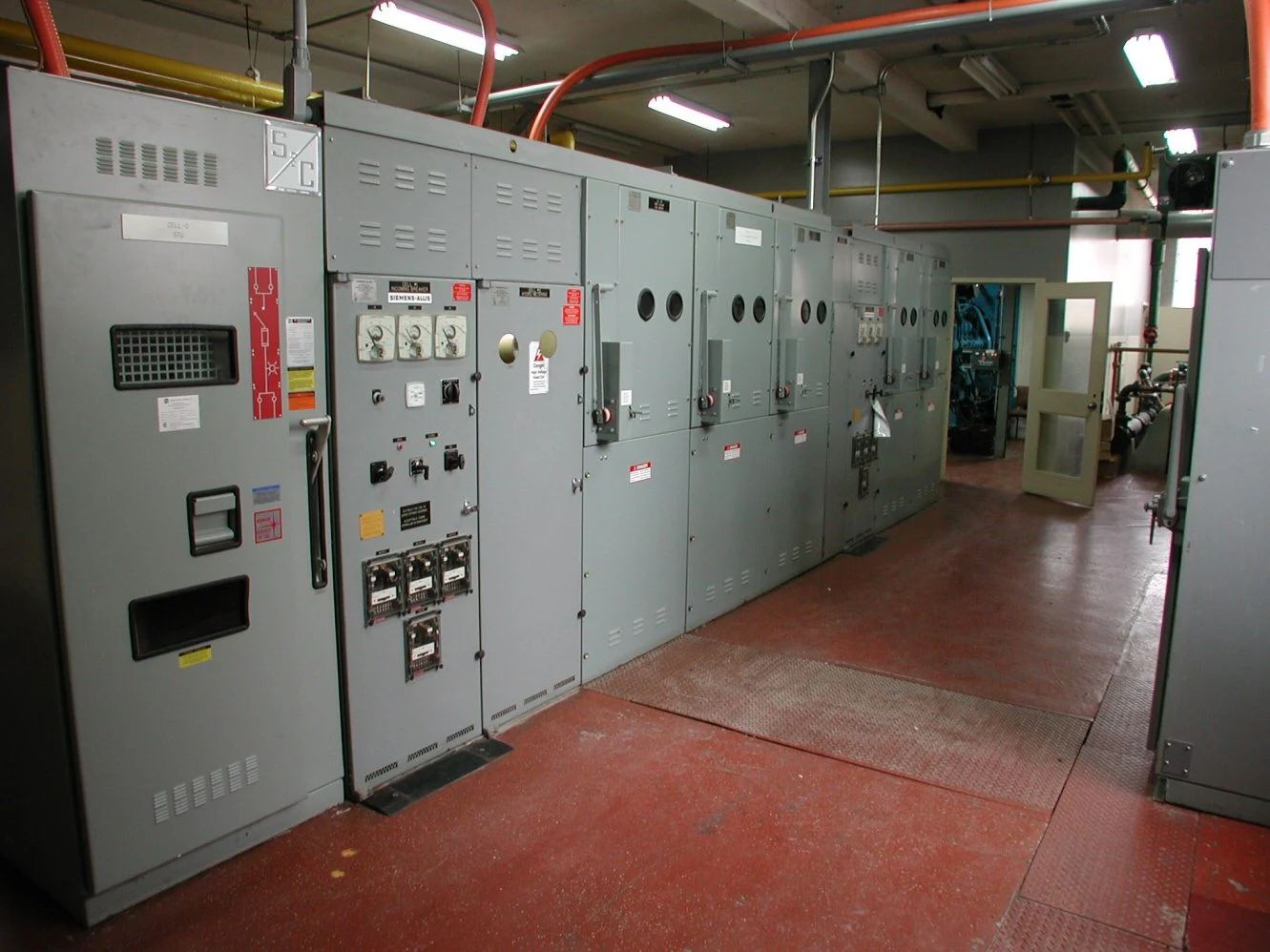
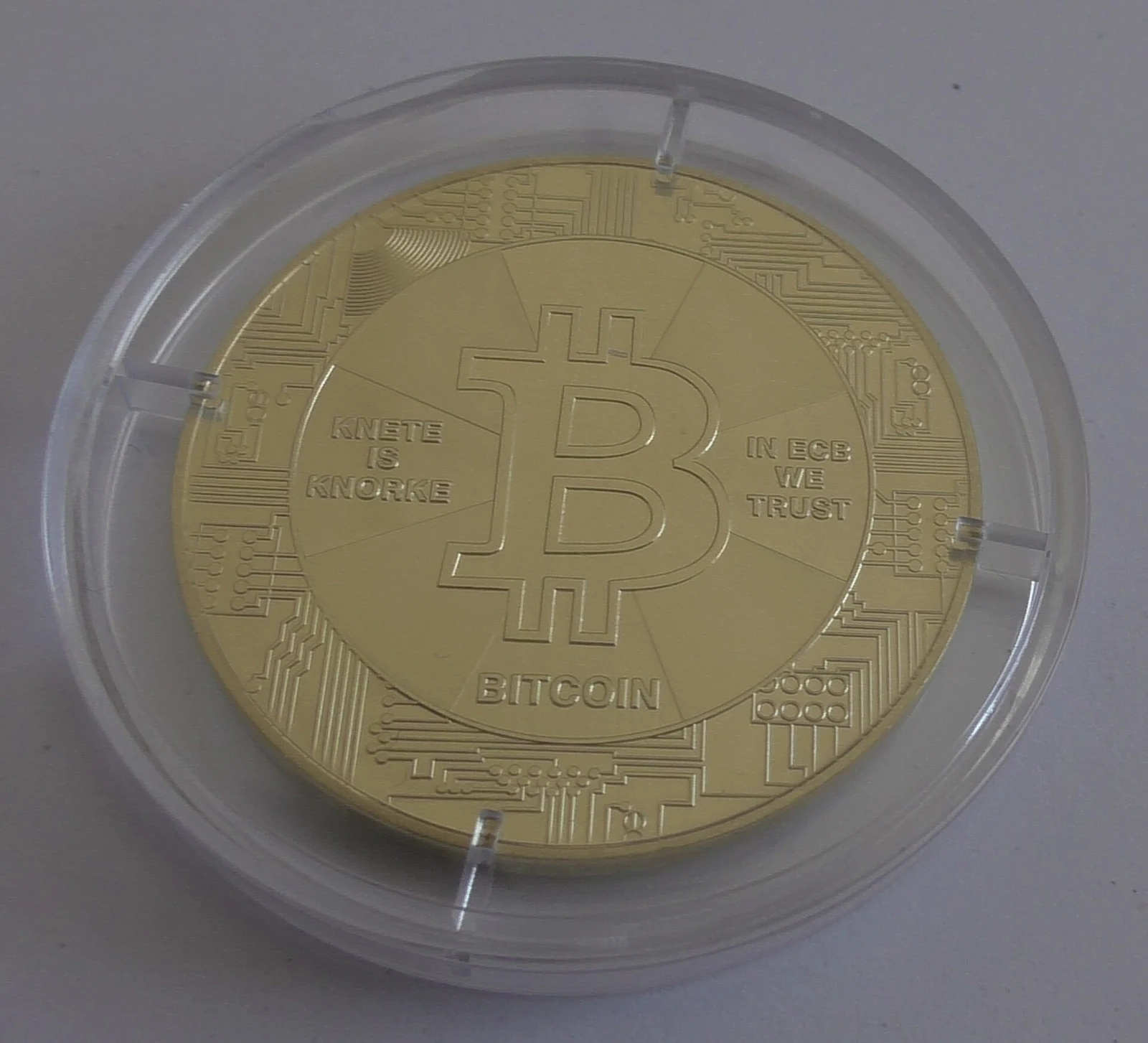
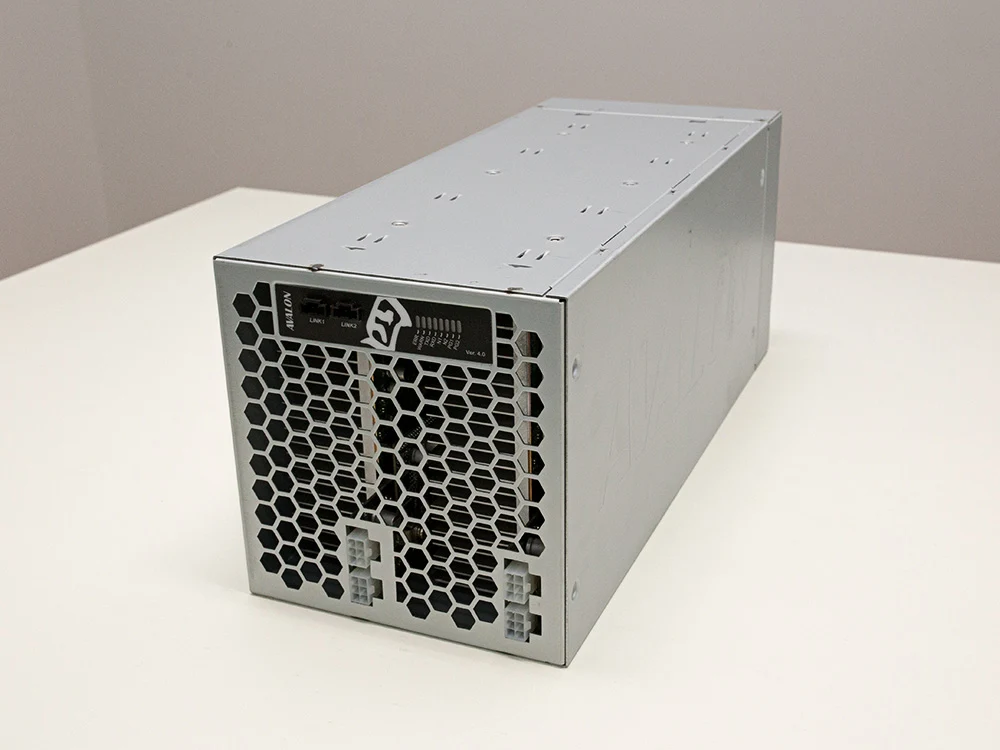
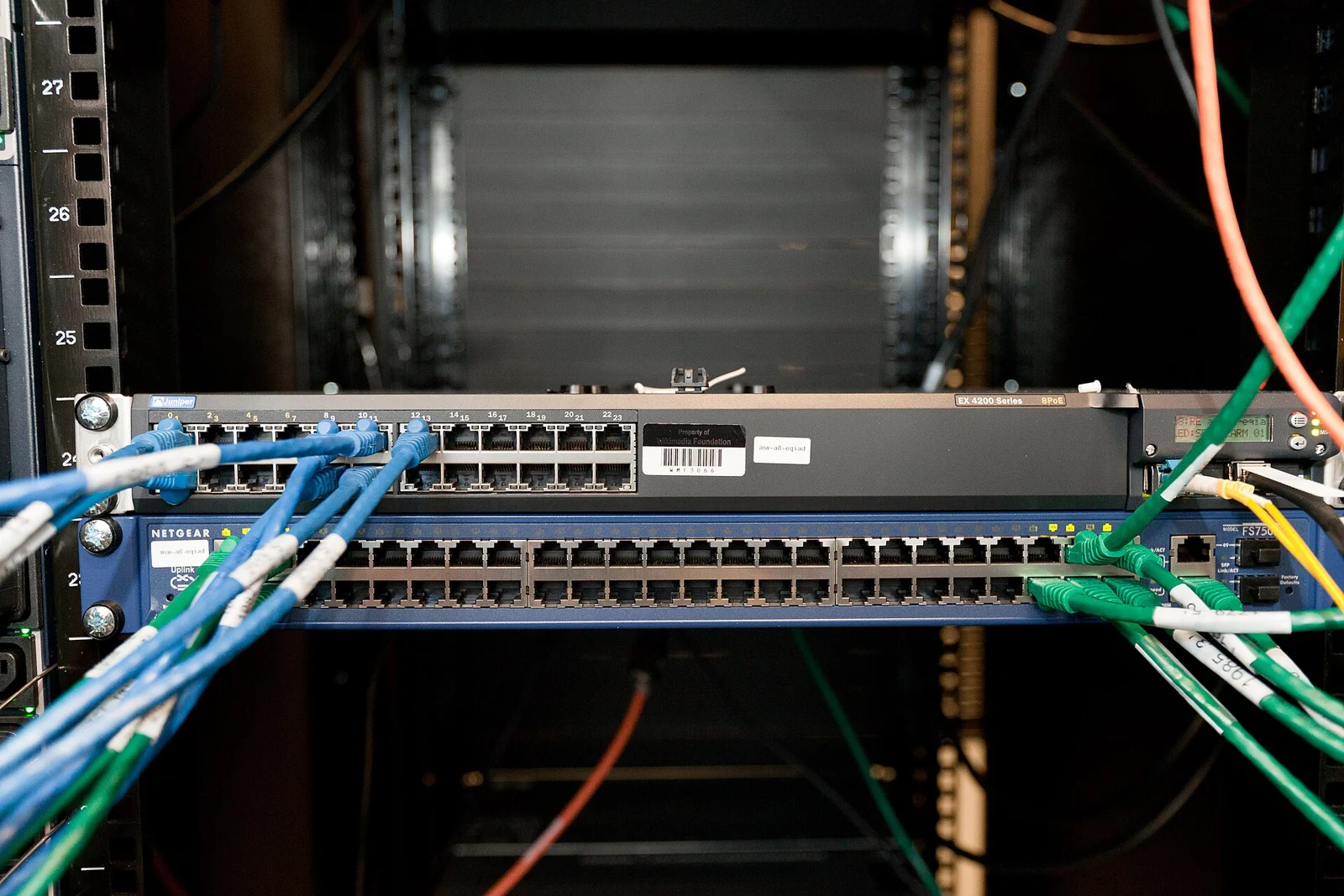
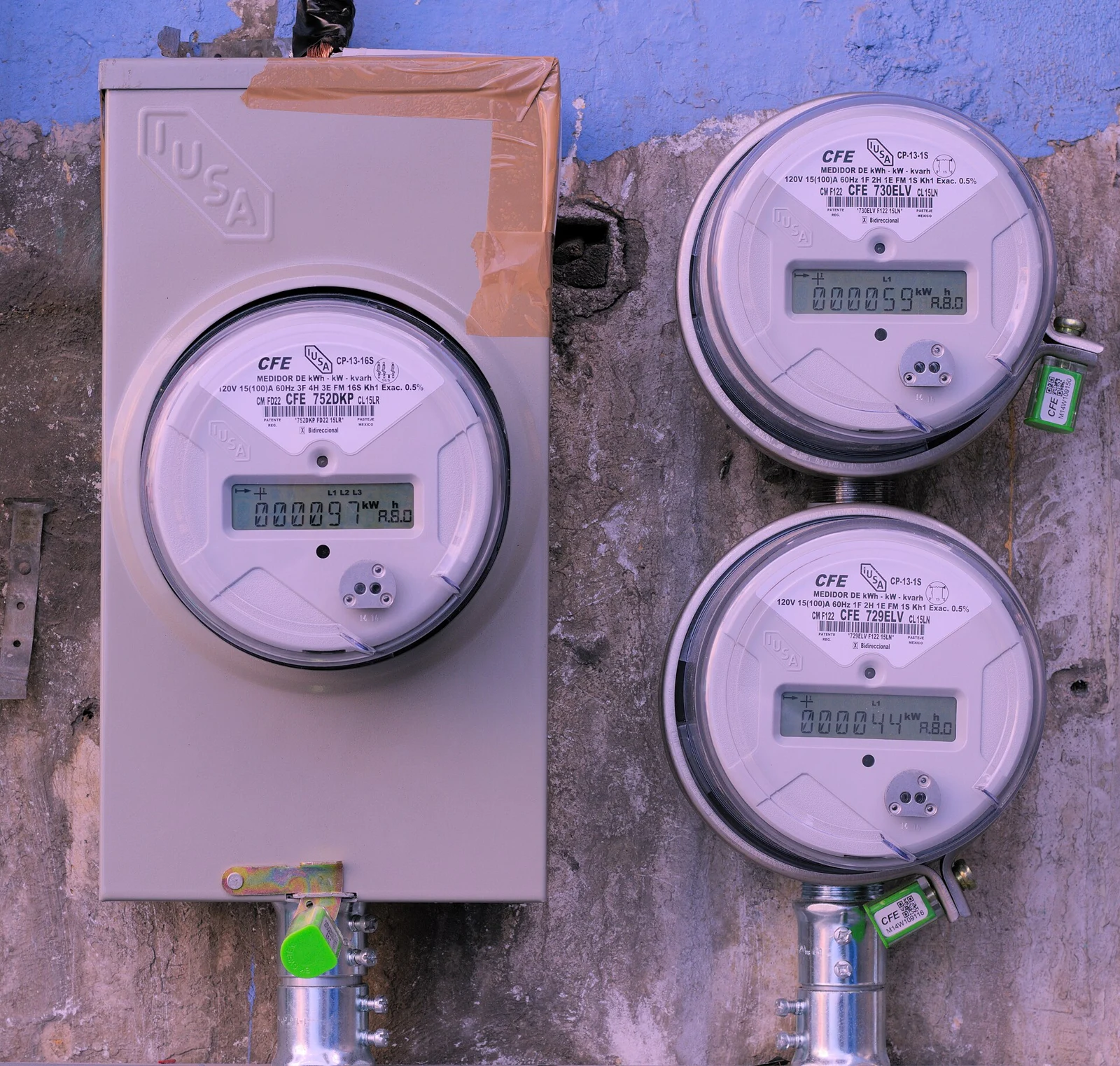
The two licensed archival photographs accompanying this report illustrate computing infrastructure and electricity measurement. They do not show PowerCompute’s September operations and cannot establish which machines were active. This distinction also applies to financial records: a month-end Bitcoin balance measures holdings, whereas a production figure measures coins mined during the period. Purchases, sales, repayments and transfers can change holdings without changing the fleet’s output, so the balance should not be used as a substitute production metric.
What to look for in the next operating report
The most useful follow-up would connect future production with active hashrate, operating time, efficiency and power settlements on a comparable basis. Until those observations are available, one monthly increase cannot establish a permanent improvement in profitability. Seasonal heat, changing network competition and equipment availability can affect the next period differently. A reported power-sales total also cannot be extrapolated into a fixed monthly income for winter or for another location with a different contract.
For a miner using ASIC.tools, the practical lesson is to keep calculator assumptions attached to measured inputs. Enter the actual tariff and equipment power, identify whether the revenue estimate represents mining alone, and keep optional power-market income in a separate scenario. The September release provides a concrete example of why that separation matters: Bitcoin production and electricity revenue can both contribute to a business, while remaining different quantities that need different evidence and cost calculations.
Source: PowerCompute ↗
Mining calculator ↗