Bluebird reports Texas Bitcoin revenue and closes its hashrate contracts
Source report: 2026-10-05 · Editorial analysis published: 2026-10-05
Bluebird’s October 5 update reports $43,881 of additional Bitcoin-denominated Texas revenue for July–September. A separate contract test produced $13,929 against about $15,004 of costs and was terminated.
Analysis and practical implications
This section is our analysis and illustrative calculations, separate from the source report.
The update separates operating streams
Bluebird Mining Ventures published its September operational update on October 5, distinguishing its Texas Bitcoin stream, a not-yet-operating miner deployment and a completed test of hashrate-linked contracts. The distinction is important because ownership of equipment or a commercial arrangement does not demonstrate production. We treat the figures as company-reported operating information, not an independently audited project income statement. The update gives a useful snapshot of what has generated revenue and what remains pending, but it does not provide the same cost detail for every transaction.
The comparison is best maintained as three separate records: an active revenue stream, an unenergized deployment and a discontinued test. Adding their headline sizes into a single operating fleet would conceal their different readiness states. A machine owned by a company and a contract linked to mining economics are also different forms of exposure.
Texas has generated Bitcoin rather than sale proceeds
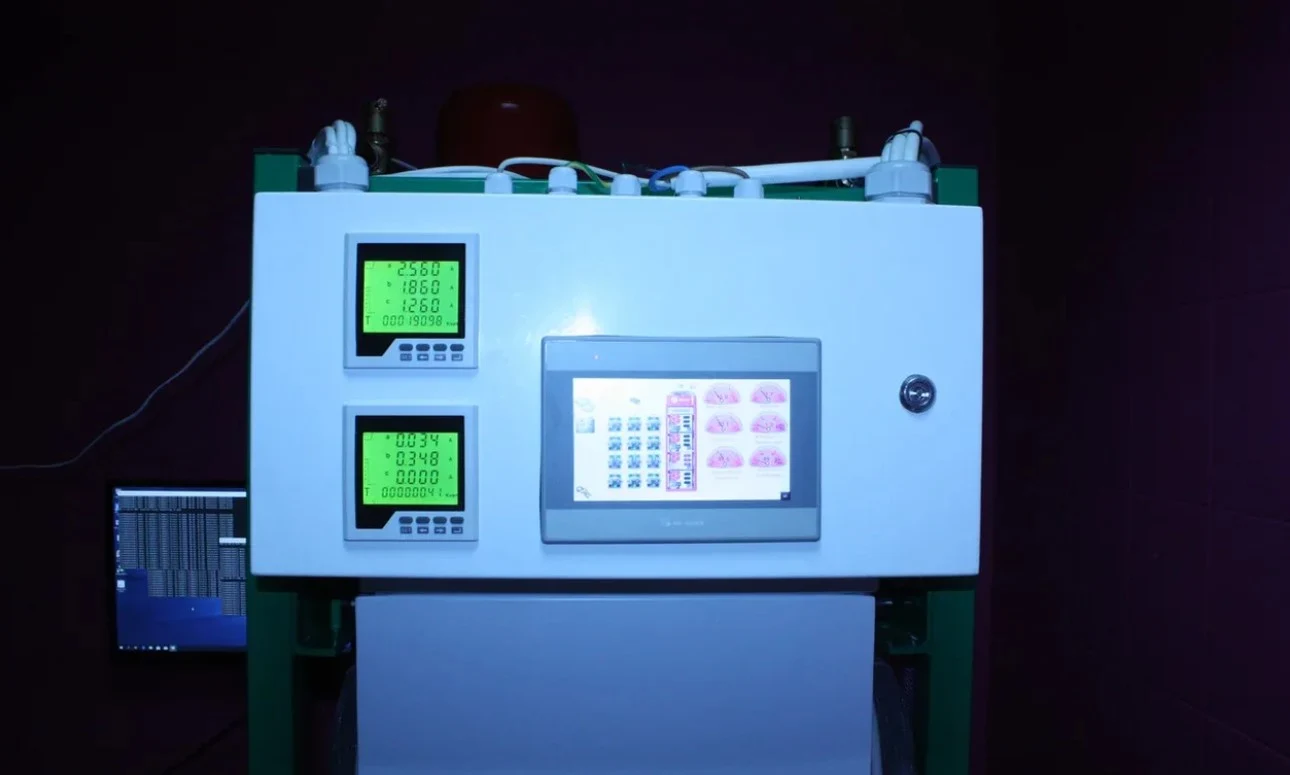
For the Digital Carpenters Texas project, the company reports $3,379 of initial commissioning revenue and another $43,881 from July 1 through September 30. Revenue since commissioning exceeded electricity costs reported by the operator. Bluebird says the bitcoin was retained and not sold. The dollar figures represent its value when earned, not cash proceeds from bitcoin sales. That means the reported amount cannot be used as a cash balance available for expenses without checking settlement and treasury records. It also does not establish a full accounting profit after every project and corporate cost.
The disclosed Texas amounts add to $47,260 from commissioning through September 30, subject to the reporting scope described by the company. This addition combines a commissioning period with the following quarter; it is not a standard monthly run rate. Dividing the total by an assumed full operating period would therefore introduce an unsupported utilization assumption.
The contract trial has been terminated
The separate three-contract hashrate trial generated $13,929 in Bitcoin-denominated revenue against approximately $15,004 of associated costs. Management says market conditions made attractive risk-adjusted returns difficult and manual oversight limited scalability, so it terminated the contracts. Our arithmetic gives a negative difference of about $1,075 between those disclosed amounts. Because the cost figure is approximate and the release does not present a complete audited allocation, that difference is a limited comparison of the two published numbers. It should not be presented as the company’s total loss or the result of its Texas mining stream.
The disclosed difference is approximately 7.2% of the reported associated costs, calculated as $1,075 divided by $15,004. It is not an annualized return, and the update does not give a comparable time-weighted investment basis. The arithmetic shows why revenue alone is an incomplete performance measure even when the underlying payment is denominated in bitcoin.
About 750 miners are still a pending deployment
Bluebird also states that approximately 750 company-owned miners under the Cascadia arrangement are not yet operational and have generated no revenue. A proposed operating structure is therefore distinct from energized equipment. We do not convert that machine count into an assumed hashrate because the update does not identify the relevant device models and confirmed performance. A meaningful deployment report would reconcile installed, powered, connected and pool-accepted machines. Until those measurements appear, neither an anticipated hosting structure nor ownership alone is enough to count the fleet as contributing production.
A future activation announcement should include its measurement date and the stage reached by the machines. Installation, energization and accepted pool work can occur at different times. Reporting all three helps explain whether delayed production comes from construction, commissioning or connectivity instead of implying that the equipment has failed.
Energy margin and business profit are different
Our interpretation of the Texas comparison is narrow: bitcoin revenue exceeded the electricity cost reported by the operator. Depending on the contract, other relevant expenses can include hosting, maintenance, network services, equipment depreciation, administration or financing. The release does not establish that all such costs are included in the comparison. A farm comparing itself with this stream should use the same cost boundary on both sides. Otherwise, a site with fully loaded costs can appear less efficient merely because another report compares revenue with electricity alone. The appropriate benchmark is consistent realized revenue against consistently allocated operating and capital costs.
The absence of a full cost table does not establish that unlisted costs are zero. It simply limits the conclusion the reader can draw. A like-for-like farm comparison should document included expenses, exclusions, the revenue period and the treatment of equipment value before using a headline electricity margin to choose a hosting arrangement.
Retained bitcoin changes the treasury exposure
Keeping earned bitcoin means that later movements in its price affect the value of the retained inventory. It also means a company may need a separate source of cash to pay bills denominated in fiat currency. This is an economic implication of retaining production, not a claim about undisclosed Bluebird funding requirements. Operators should distinguish coins earned, coins sold, transaction proceeds and closing coin balances. A dollar equivalent at the time of production answers a different question from the market value of the same coins today. Combining those measures without dates can obscure both operating performance and treasury risk.
Treasury records can preserve both the number of coins earned and their value at receipt. A later revaluation answers a separate question about inventory exposure. Keeping those records distinct also avoids describing an unrealized change in held bitcoin as additional coins mined or as cash generated by a sale that did not take place.
Scalability includes the work needed to run a contract
The contract test highlights management’s stated concern about manual oversight. Our broader assessment is that a mining-linked product needs repeatable measurement, reconciliation and exception handling to scale. A quoted hashrate exposure does not tell an operator how many support hours, settlement checks or intervention steps are required. When evaluating a similar offer, useful records include delivery periods, accepted work, fee treatment, interruptions and dispute procedures. These operational requirements can determine whether a small trial can expand without eroding its economics. They are considerations for assessing future contracts, not newly disclosed Bluebird expenditure figures.
An operator planning to repeat a trial can record the time spent on reconciliations alongside transaction costs. Automated monitoring reduces routine work only if anomalies can be diagnosed and resolved. A service that looks attractive per unit of hashrate may be less attractive after the personnel effort required to keep its records and settlements reliable.
Future updates should reconcile revenue and delivery
The next useful evidence would be a dated deployment milestone for Cascadia, consistent Bitcoin quantities alongside dollar equivalents, fuller project cost boundaries and a reconciliation of retained production. Those disclosures would allow readers to compare the active Texas stream with pending capacity and the discontinued contract trial without mixing their results. The October 5 announcement demonstrates that commercial tests can produce different outcomes under the same corporate strategy. For ASIC operators, its clearest lesson is to track each site and contract separately, and to distinguish a positive electricity comparison from a fully costed return on invested capital.
The announcement does not justify transferring the contract trial’s result to the active Texas project or assuming that all future mining arrangements will have the same outcome. Each structure has its own delivery, cost and counterparty conditions. Subsequent reports will be most informative when they preserve those boundaries and reconcile changes over comparable periods.
Source: Bluebird Mining Ventures / RNS ↗
Mining calculator ↗