CBI reports 150 S21+ miners offline in September and plans share buybacks
Source report: 2026-10-08 · Editorial analysis published: 2026-10-08
The October 8 mining update identifies a technical outage in Missouri and a planned October 12 buyback. Its annualized cash yield excludes depreciation; the release also contains month and currency inconsistencies.
Analysis and practical implications
This section is our analysis and illustrative calculations, separate from the source report.
The September update identifies an actual outage
Crypto Blockchain Industries reported on October 8 that a technical problem prevented 150 S21+ mining servers at its Missouri site from operating during September. The company says these machines produced no Bitcoin and incurred no electricity charges, and that relocation is likely to be necessary. The cause is described only as a technical problem. The release does not identify a defective component, a repair date, a destination or a confirmed return to production, so none of those details should be inferred.
This makes the update useful to mining operators beyond the company’s investment story. Installed machines, machines drawing electricity and machines submitting accepted work describe different operating states. An inventory count can remain unchanged while productive capacity falls. Our interpretation is that this outage belongs in an availability record with its own start date, affected device count and recovery status, rather than being hidden inside a monthly electricity bill or presented as a normal change in mining efficiency.
Zero electricity charges do not establish zero economic loss
CBI’s statement that the idle servers were not billed for electricity helps explain the cash calculation, but it does not mean the machines had no economic cost. Their purchase capital remains committed, and they did not earn Bitcoin during the reported period. The release does not disclose a separate loss estimate for these 150 units. It would be misleading to calculate their missed revenue using an arbitrary S21+ specification, current hashprice or an assumed number of operating hours.
For a farm reviewing a similar incident, separate avoided variable electricity expense from foregone mining receipts and any fixed hosting, financing or transport costs. A relocation may restore access to production, but it can introduce another period without output. That is our operating analysis, not a claim that CBI has incurred a particular relocation charge. Keeping these categories separate prevents an attractive energy-cost figure from concealing the time during which the investment was unable to generate work.
The reported return is annualized cash yield
The announcement’s headline and opening paragraph report an annualized mining yield above 16% for September, while a later sentence calls the corresponding month August. CBI defines the calculation as Bitcoin receipts less the monthly electricity bill, divided by the capital invested in servers, then expressed on an annual basis. Depreciation and the eventual resale price are excluded. We retain the September context while explicitly identifying the inconsistent month label; this is not a verified full accounting return.
The difference matters when comparing a mining operation with a simple payback calculator. Annualizing a month expresses that month’s conditions on a yearly scale; it does not prove those conditions will continue for twelve months. Our illustrative calculation is a $100,000 equipment investment with $1,500 monthly receipts after electricity: $1,500 multiplied by twelve and divided by $100,000 gives 18% on a simple annualized cash basis. It remains incomplete if other costs or depreciation are excluded, and it is not CBI’s result.
Currency conversion can obscure a weaker Bitcoin result
CBI says its Bitcoin-denominated return was lower than in August, again citing occasional restrictions on access to the electricity grid. The company associates the dollar-denominated headline with Bitcoin’s rise above $80,000 during the reported period. This is a historical reference in the issuer’s October 8 statement, not a live Bitcoin price supplied by ASIC.tools. The release does not provide enough site-level information to attribute all of the change to the Missouri machines or to quantify each restriction.
Our interpretation is that currency value and mining output should be tracked independently. A stronger conversion price can improve the monetary value of a smaller quantity of Bitcoin, while an unchanged conversion price would expose the production decline more directly. A useful monthly comparison therefore retains coin receipts, electricity expense, effective operating hours and the exchange-rate basis. It should avoid treating a currency-driven rise in estimated cash yield as evidence that equipment reliability or accepted hash rate improved.
The electricity invoice can change the estimate
The company says its preliminary monthly electricity invoice is established by hosting partner Blockware Solutions and that estimates are adjusted retroactively when actual consumption changes the bill. The figure therefore has a settlement boundary as well as a production boundary. A preliminary estimate and a reconciled monthly result are different records. Our coverage does not convert the preliminary figure into an audited final margin, and the release supplies no revised invoice amount for readers to independently recalculate.
For a site with hosting invoices, retain the meter period, tariff components and date of reconciliation alongside each margin estimate. If the bill is later corrected, update the relevant historical period instead of silently changing the assumptions for all future months. The same principle applies when a miner moves between facilities with different tariffs or downtime rules. This is an accounting and operational control question; it does not establish that Blockware’s preliminary bill was incorrect in this particular month.
The buyback is scheduled rather than completed
The release states that a share repurchase program approved at the September 24 general meeting is scheduled to begin on October 12 and run until March 31, 2027. Its detailed program section sets a maximum price of €1 per share, a total ceiling of €1 million and an allocation of at least 25% of Bitcoin mining profits. An earlier paragraph incorrectly uses a dollar sign for the per-share ceiling. We follow the detailed euro-denominated terms and disclose that inconsistency instead of reproducing the conflicting figures as equivalent.
These are program parameters, not evidence that shares have already been acquired. The company also says the program may be suspended around restricted windows associated with financial-statement publication. The maximum total is a ceiling, not a mandatory immediate expenditure. Our analysis separates the authorization, intended start, funding rule and any future executed purchases. A mining reader should similarly distinguish cash generated by operations from a board’s intended use of that cash.
A buyback does not repair the affected miners
The buyback announcement and the technical outage appear in one release but describe different decisions. Returning capital to shareholders does not itself confirm restored production in Missouri. Conversely, the existence of idle equipment does not prove that every other hosted server is offline. The statement supplies a specific affected count without an exact recovery schedule. We therefore keep the operational event separate from the capital-allocation program and avoid constructing an unsupported total fleet utilization percentage.
A practical follow-up would ask for the affected devices’ restoration or relocation date, any new operating conditions and the next reconciled production result. For an operator, a transport plan is not the same as verified accepted shares after installation. Device identity and pool-side records can help establish that production resumed rather than merely that a machine arrived at another site. These are suggested checks for future evidence, not additional developments announced by the company.
What this report changes for mining comparisons
Our conclusion is that CBI’s report is primarily an availability and reporting-boundary story: 150 named-series machines were idle, grid access also constrained the period, and the issuer’s cash metric excludes important ownership costs. It does not justify changing the catalogued specifications of the S21+ family or assigning a guaranteed return to another farm. We also preserve the date of the historical price reference and identify the English release’s conflicting labels so readers can evaluate the original source themselves.
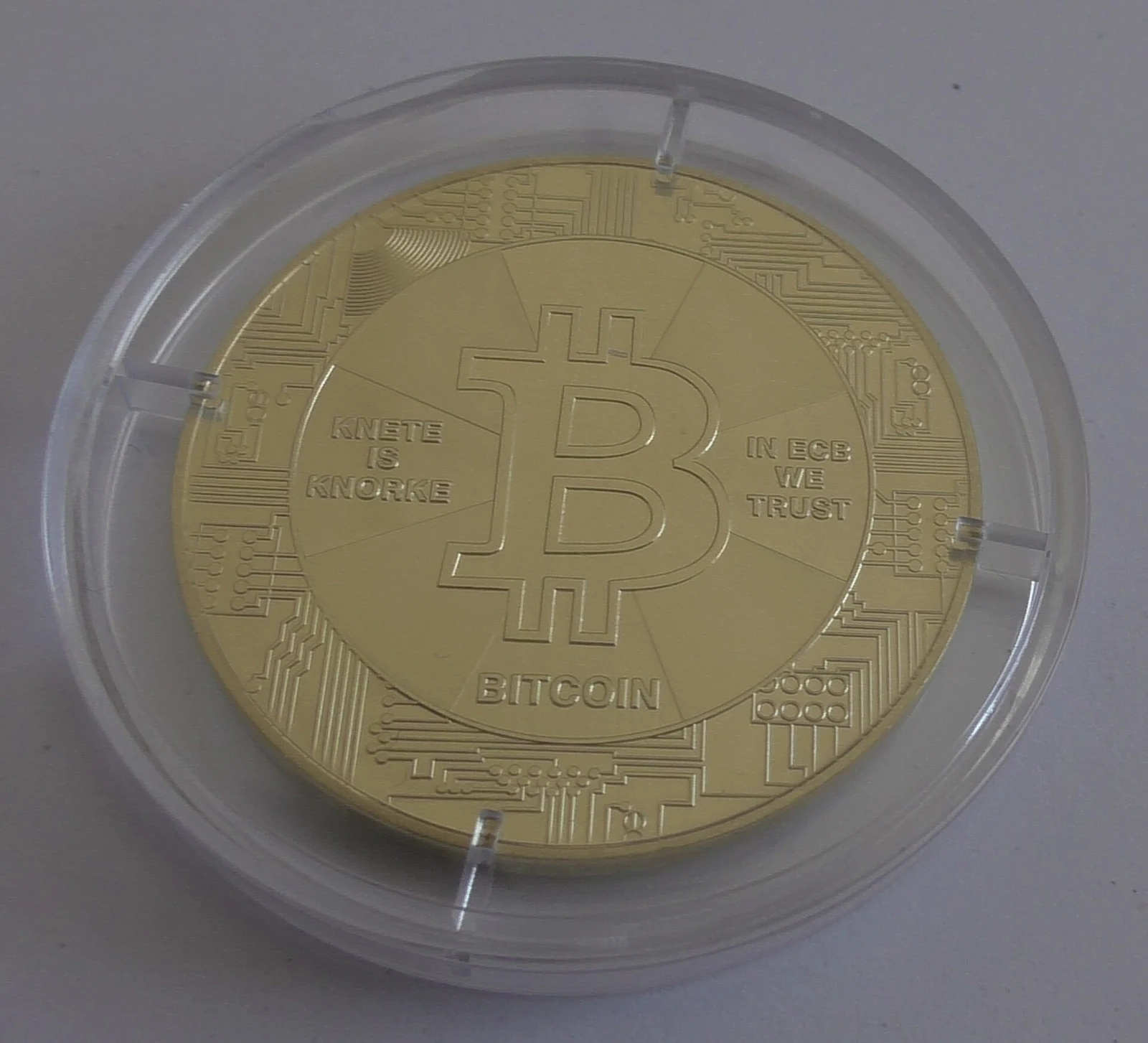
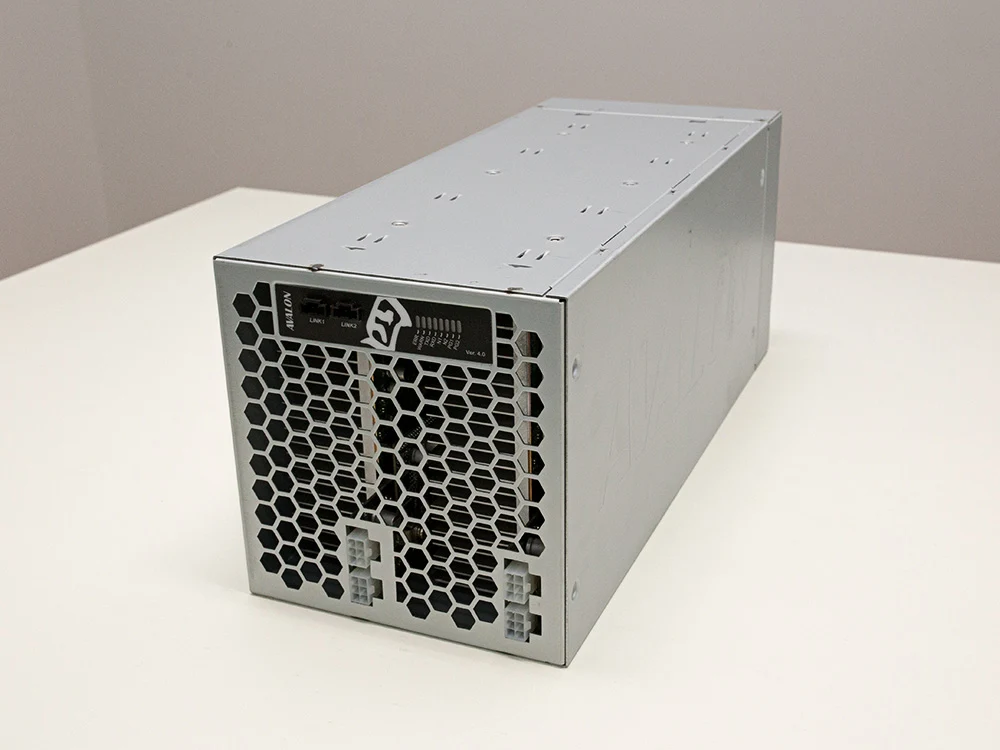
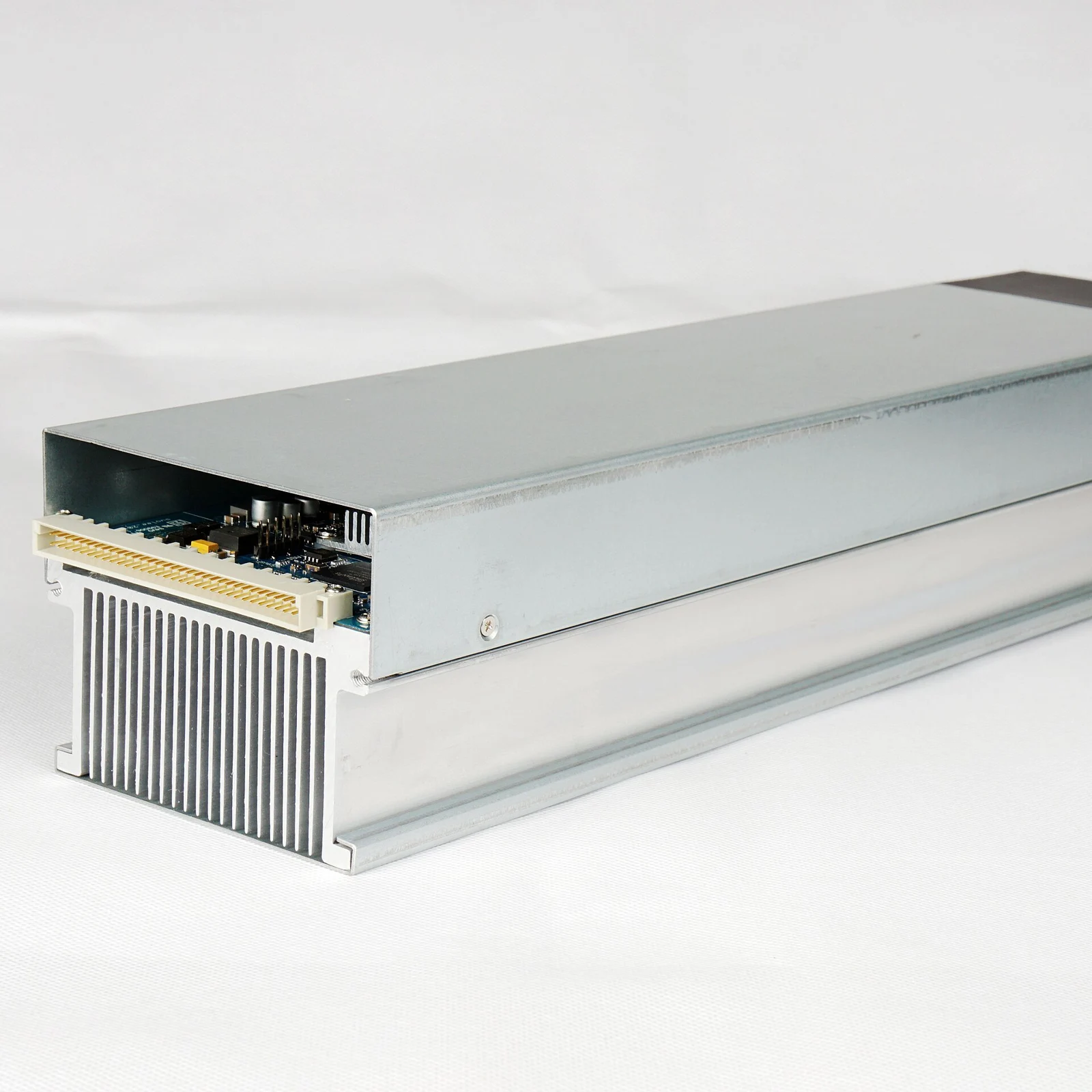
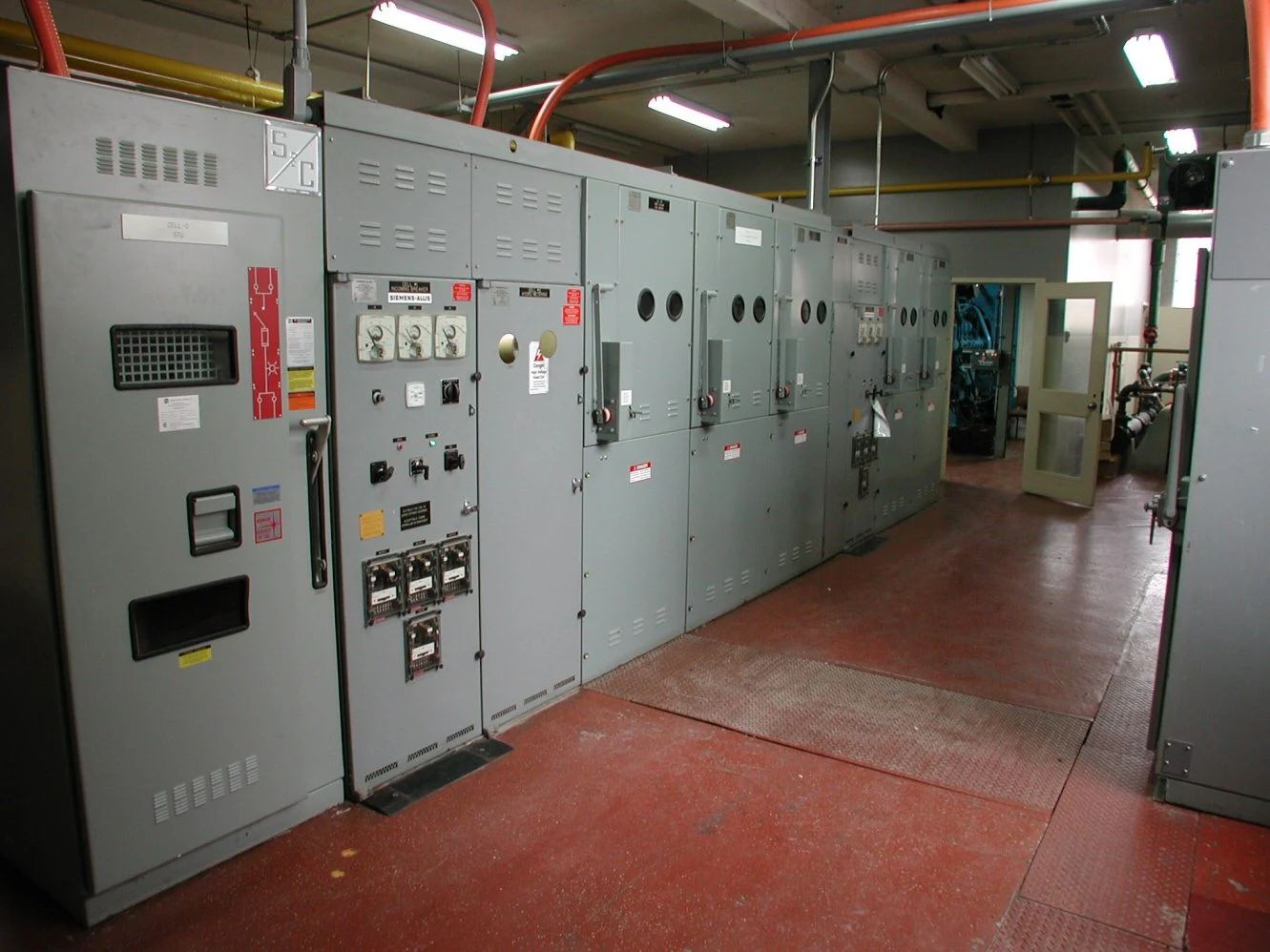
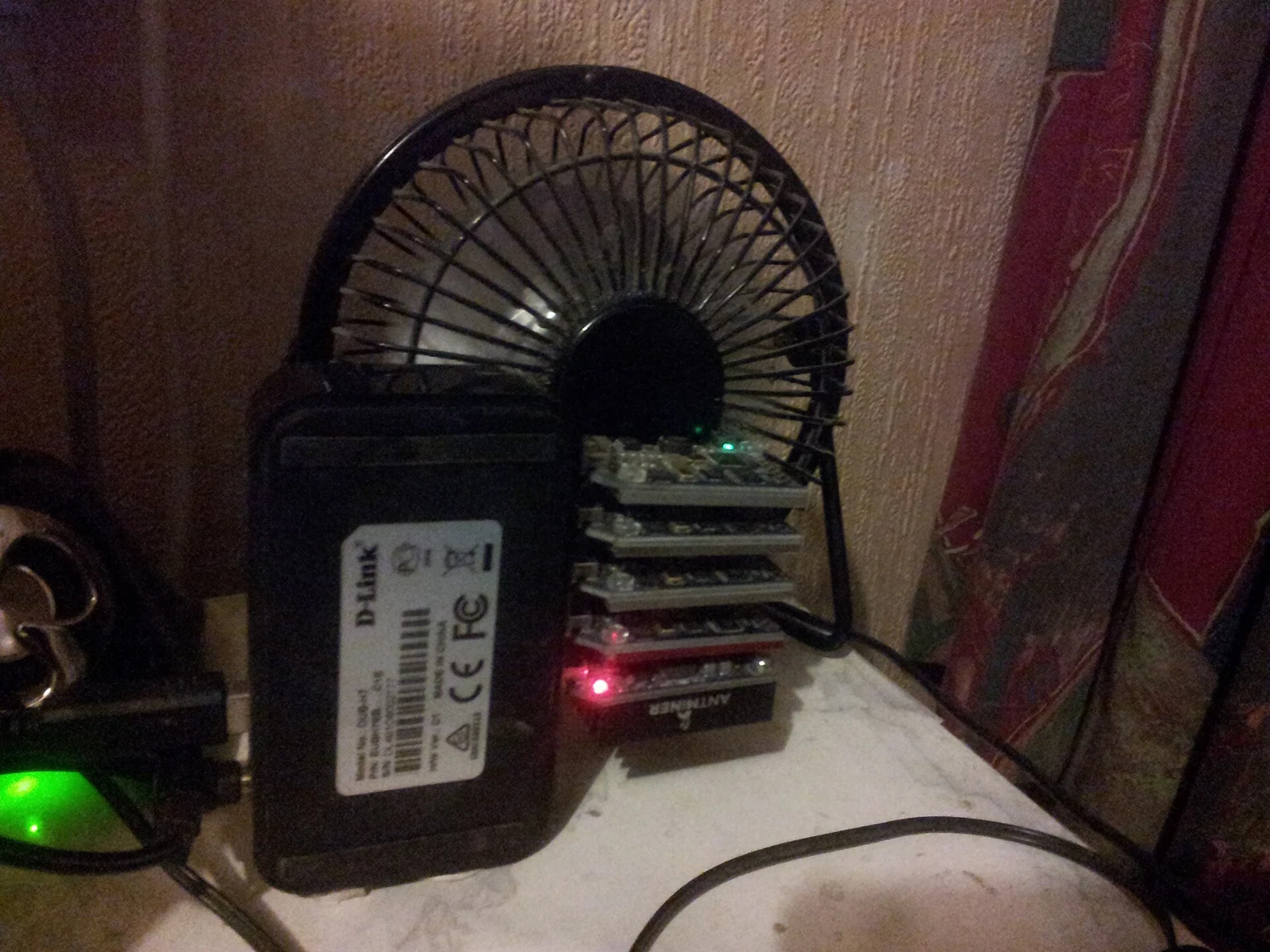
In ASIC.tools calculations, compare scenarios using the actual device profile, tariff, fee and uptime assumptions relevant to your installation. Keep forecast income separate from confirmed monthly results and do not substitute a listed company’s annualized yield for an ASIC’s measured revenue. The two accompanying licensed archival photographs illustrate mining equipment and electrical infrastructure; neither depicts the affected Missouri installation. Subsequent operating disclosures are needed before the outage can be described as resolved.
Source: Crypto Blockchain Industries ↗
Mining calculator ↗