Pacific Rubber joins OCP to work on liquid-cooling seal cleanliness
Source report: 2026-10-09 · Editorial analysis published: 2026-10-11
Pacific Rubber’s October 9 announcement says it has joined OCP as a Bronze member and plans to contribute seal-contamination research. This is a supplier-led standards initiative, not an adopted universal rule or verified cooling upgrade for every hydro ASIC.
Analysis and practical implications
This section is our analysis and illustrative calculations, separate from the source report.
The announcement is membership and planned standards work
Pacific Rubber & Packing’s October 9 release, distributed by EIN Presswire, says the sealing supplier has joined the Open Compute Project as a Bronze member. It plans to work in the cooling community on incoming particulate cleanliness for elastomeric seals used in liquid-cooled infrastructure. The confirmed announcement is the company’s membership statement and intended contribution. It does not present a newly adopted OCP standard, a universal inspection limit or a completed upgrade to a mining facility.
The relevance to miners is maintenance of liquid-cooling loops and the difference between a part being chemically suitable and being acceptably clean at installation. Our discussion applies that distinction to procurement and operating records. It does not assert that every hydro ASIC has the same channel geometry or needs this particular supplier’s products. The announcement is a commercial supplier’s release, and its technical claims should retain that attribution.
Material compatibility and surface condition answer different questions
A seal material specification can address whether a component is intended for a fluid and operating environment. Surface condition concerns what is present on the part when it enters the circuit. A compatible material can still require documented handling and cleanliness checks. Conversely, a visually clean component does not establish chemical compatibility with the coolant selected for a particular equipment model. The two properties should be recorded independently in a purchasing decision.
For a farm maintenance log, identify the approved material, part revision, supplier batch, packaging condition and inspection evidence. Link the record to the device and loop receiving that part. This makes a later contamination investigation more specific than a note saying all seals were replaced. The purpose is traceability, not an assumption that the source has established an approved seal list for each miner in our catalogue.
A filter rating is not a complete contamination inventory
PRP argues that some seal-surface particles can pass through typical loop filtration and contribute to small-channel fouling. That is a supplier explanation, not an independent measurement performed by ASIC.tools. An operator should ask which particle classes and size intervals were measured and where sampling occurred. The installed filter specification alone does not report the cleanliness of every new component before it is fitted.
A useful investigation keeps incoming-part measurements, circulating-fluid samples and collected filter material as separate evidence. Combining them into one undocumented cleanliness score can hide the origin of a problem. Any acceptance threshold must come from the actual equipment, fluid and agreed inspection procedure. This article does not invent a maximum particle count, a replacement interval or a filter micron rating absent from the source.
Percentage reduction needs a baseline and method
The supplier advertises a process removing up to 95% of surface particulates and says its parts receive documented cleanliness verification. Up to describes the claimed upper result, not a guaranteed reduction for every part or a 95% reduction in site cooling failures. The source does not establish an independent test of a miner installation. A purchaser should obtain the relevant test method, baseline and batch documentation before converting the claim into a maintenance expectation.
As an independent arithmetic example, a 95% reduction from an assumed count of 1,000 particles would leave 50 in the same defined sample. It would not show whether those 50 are acceptable or whether their sizes are important to the actual channels. Changing the starting count changes the residual even with an identical percentage. This hypothetical example illustrates why a relative reduction cannot replace an absolute acceptance criterion.
The installed loop can add contamination after an initial flush
The release describes a proposed mechanism in which pressure cycles move seals and expose surfaces not reached during an initial flush. This is PRP’s account of its research, not a universal failure diagnosis. The practical editorial question is whether a commissioning sample represents the later operating state. Any investigation should preserve operating pressure, temperature, fluid and sample timing rather than assume every later particle originated in the same component.
When investigating an actual cooling problem, retain the chronology of component changes, flushing, filter work and observed symptoms. A rise in temperature or pressure difference can have several causes, and the announcement does not establish a diagnostic shortcut. Follow the equipment manufacturer’s maintenance procedure and use competent service assessment. Replacing a seal without identifying the cause can change the system without producing evidence that the original issue has been resolved.
Cooling performance and mining performance remain separate
A cooling intervention can affect thermal conditions, pump demand or uptime, while it does not directly redefine a miner’s advertised algorithm and hashrate. Keep actual accepted pool work, device power and separately powered cooling equipment in the farm record. An improvement in one boundary should not be written as an identical improvement in another. The source contains no before-and-after Bitcoin production result for a hydro mining fleet.
Consider an unrelated hypothetical loop whose pump demand falls from 5 kW to 4 kW over a full 24-hour day: the direct energy difference would be 24 kWh. This is only arithmetic for assumed values, not a result claimed for PRP’s seals. Whether accepted work, temperatures or repair costs change would require separate records. The example helps prevent a component-cleanliness headline from becoming an invented site-profitability percentage.
What a standards initiative still has to establish
Future community work would need defined scope, measurement procedures, acceptance levels and a published adoption status before being described as a usable industry rule. A supplier’s entry into a standards community is an opportunity to contribute evidence, rather than proof that its proprietary process is required by the community. Different fluids, component geometries and operating conditions may need different qualification records. The current release does not settle those choices for each installation.
For procurement, ask which documents actually apply to the supplied part and which describe a proposed future framework. Keep a version and date for each requirement agreed with the supplier. If a later OCP document is published, compare its scope with the mine’s equipment documentation before altering an acceptance procedure. The October 9 announcement supplies no date by which a universal standard must be adopted, and this report does not invent one.
What is confirmed and what remains supplier-reported
The primary source is the company announcement distributed through EIN Presswire on October 9. Membership, intended community participation and the quoted process claims are reported with their supplier attribution. The numerical residual and pump-energy scenarios in this article are independent illustrations. No new coolant, guaranteed hashrate increase, universal seal approval or completed miner installation is established by the announcement.
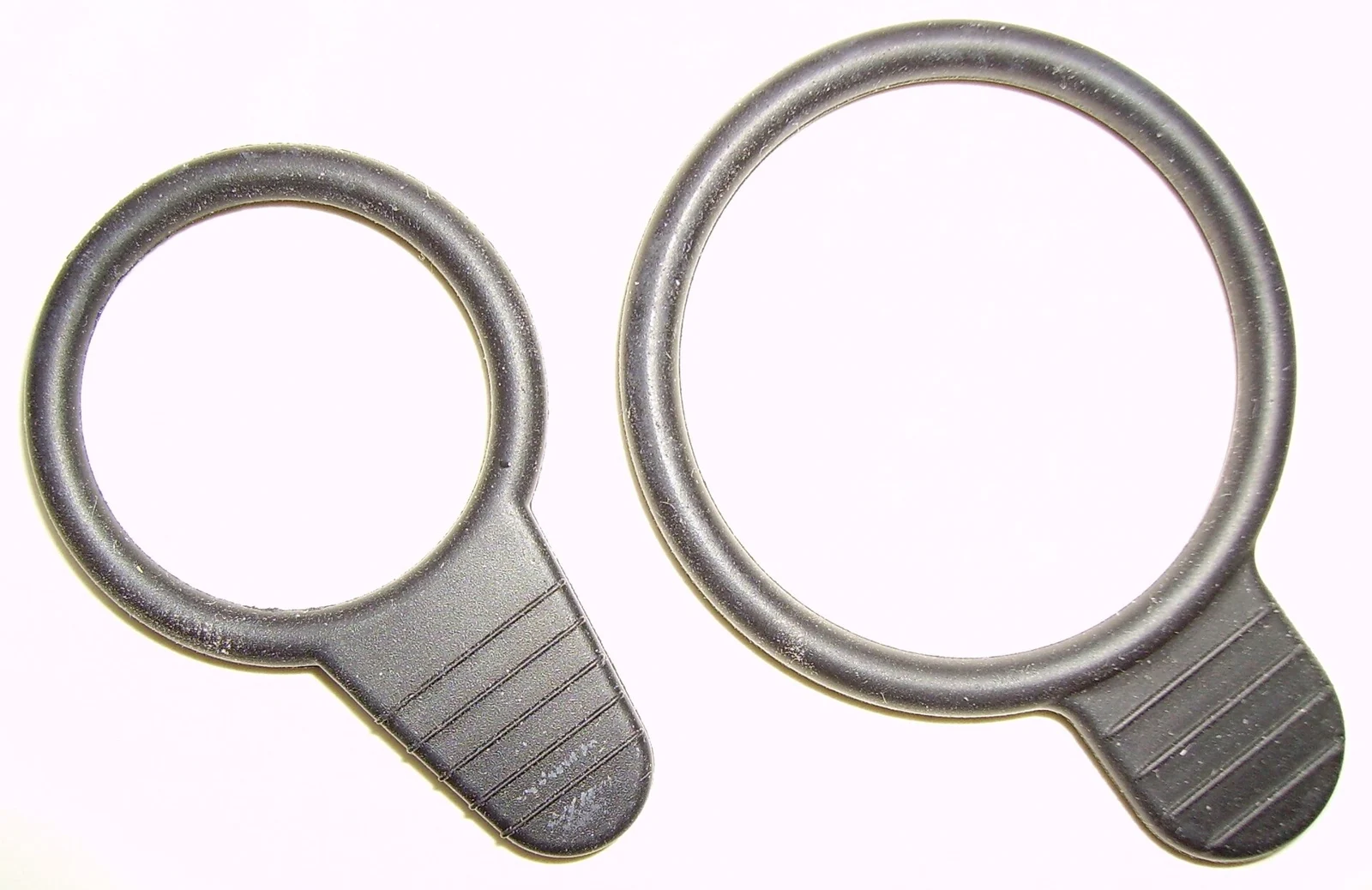
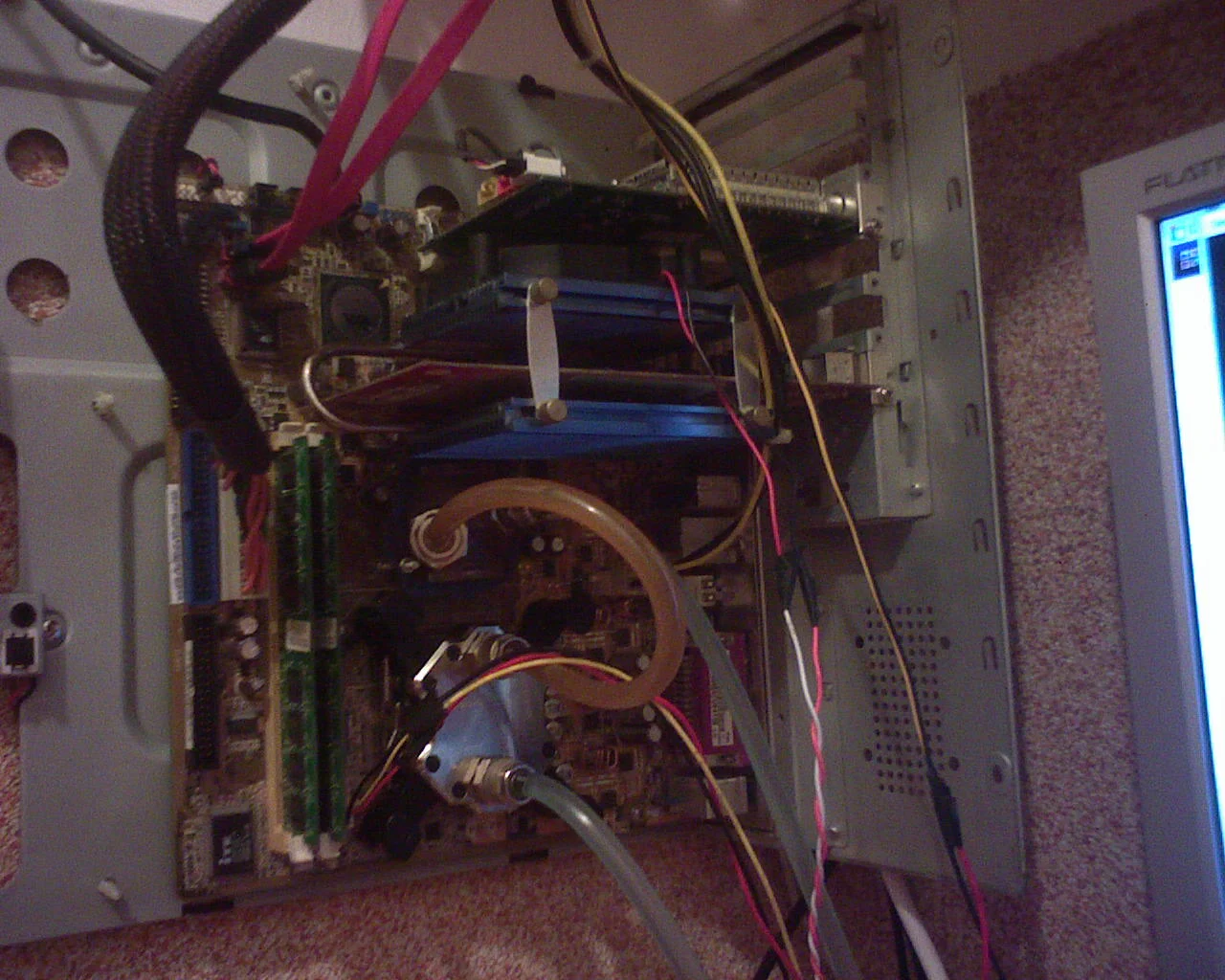
Two different licensed archive photographs illustrate elastomeric sealing parts and a cooling circuit. Neither is identified as a PRP production line, the advertised treatment process or an OCP validation test. The useful development is attention to incoming component cleanliness alongside compatibility and loop filtration. For a particular ASIC, the actual manufacturer’s permitted cooling configuration and documented service requirements remain the basis for an operational change.
Source: Pacific Rubber & Packing / EIN Presswire ↗
Mining calculator ↗