NVIDIA announces $1 billion in US science commitments over five years
Source report: 2026-10-08 · Editorial analysis published: 2026-10-10
NVIDIA’s October 8 announcement covers scientific AI, quantum research and energy security. The five-year commitment is distinct from an already commissioned computing site or a new mining ASIC.
Analysis and practical implications
This section is our analysis and illustrative calculations, separate from the source report.
A new scientific-computing commitment
NVIDIA announced commitments valued at $1 billion over the next five years on October 8, 2026. The company identifies scientific AI, quantum computing, healthcare and energy security among the supported areas. The announcement was made at the Science: A New Golden Age event in Washington, D.C. It is a company statement about a multiyear programme, rather than evidence that the full amount has already been spent or that a particular computing site has entered service.
For the mining and infrastructure sector, the useful development is an additional programme involving advanced compute. Its importance should be assessed through actual implementation milestones rather than a headline spending total alone. Our analysis below separates the announced commitment from hardware delivery, electrical capacity and usable service. Those distinctions matter to readers who track both mining infrastructure and the wider competition for computing resources.
What the company says the programme covers
The release describes support for US higher-education research institutions, quantum leadership and cloud providers serving government mission needs. NVIDIA also identifies participation in phase-two Genesis Mission projects involving quantum computing, fusion, accelerator design and microelectronics. These are research directions and programme relationships; the release does not provide a single new operating megawatt figure that can be inserted into a data-center capacity total.
A programme can support more than one kind of resource. A grant, equipment contribution, cloud service and engineering collaboration are not interchangeable accounting categories. When a later update quantifies a component, retain what was counted and which period it covers. Adding unlike commitments into an operating-capacity chart can produce a number with no coherent physical meaning. A project tracker should therefore attach the implementing document and its scope to each milestone.
A commitment does not identify delivered capacity
A dollar commitment is a financial or commercial description. A megawatt describes a rate of power, while an installed-device count describes an inventory. None of these alone measures the amount of useful computing delivered to a user. A future programme can move through procurement, site preparation and acceptance on different schedules. Keep the announced value separate from commissioned infrastructure, especially when the work spans several institutions or more than one generation of equipment.
For an independent arithmetic illustration, dividing $1 billion evenly over five years would give $200 million per year. That equal allocation is only arithmetic; the announcement does not establish that spending schedule. Do not present the result as an annual budget or cash outlay. A similar caution applies to dividing a financial total by an assumed device price: the resulting machine count is a scenario, not an equipment order disclosed by NVIDIA.
Scientific workloads and mining require different comparisons
A scientific computing task and SHA-256 mining cannot be compared merely by counting their processors. They execute different workloads and use different performance measures. A mining ASIC is designed for a defined algorithm; a scientific platform may be evaluated on the time and accuracy needed for a particular simulation or analysis. A performance claim needs the workload, software and measurement method before it can support an equipment comparison.
This is why the announcement does not justify adding a new hashrate to the ASIC catalogue. A product entry requires an identified mining model, confirmed algorithm, rated computational output and power profile. An AI or quantum research commitment provides none of those fields on its own. For an owner planning an infrastructure conversion, first identify the actual customer workload and service requirements rather than assuming that existing mining hardware can become a scientific-computing system through a firmware change.
Power availability is only one part of service readiness
An electrically capable building may still need suitable distribution, cooling, networking and operating procedures for a new workload. A service agreement can also specify acceptance criteria that differ from an equipment manufacturer’s nominal ratings. Record the point where responsibility passes between developer, equipment supplier and operator. That helps distinguish a completed electrical stage from an accepted computing service, without assigning an operating status based on a financial announcement.
For a mining site considering another use, begin with an inventory of confirmed capabilities. Record available power at the relevant boundary, cooling configuration, network connections and the condition of the building. A generic statement that a site has megawatts available is not enough to establish compatibility with an unknown rack design. The scientific programme may create future opportunities, but the October release does not identify a particular mining property as a selected delivery location.
Energy research is not a measured farm efficiency gain
A research programme concerned with energy security can support work whose results take time to develop and test. That is different from demonstrating a saving at an operating mining farm. Do not reduce an ASIC’s power consumption in the calculator based on a research announcement. A device efficiency change needs a documented profile or a controlled measurement tied to that model. A facility improvement needs a consistent power and workload boundary before its savings can be evaluated.
A practical comparison retains the before-and-after workload, observation interval and meter locations. If the workload changed, report that change rather than assigning the entire energy difference to improved technology. Separate the device’s electrical input from auxiliary facility consumption where the meters permit it. This measurement discipline makes later research results more usable: an announced direction can become an engineering finding only when its conditions and evidence are available.
Quantum research does not establish a Bitcoin security event
The word quantum in a programme announcement does not establish an attack on Bitcoin or demonstrate that a cryptographic system has failed. Research support, a usable quantum application and a proven attack have different evidential requirements. The October release reports a programme commitment; it does not document a compromise of Bitcoin keys or mining. Avoid turning a research direction into an immediate security claim without a technical demonstration that supports that conclusion.
For a catalogue or farm operator, continue to base firmware and access decisions on the actual device documentation and confirmed security notices. A broad research announcement is not a substitute for a model-specific patch or a manufacturer advisory. If a future technical report changes a relevant risk assessment, retain the experiment, assumptions and affected systems. This approach allows significant computing research to be followed closely while keeping present operational claims tied to verifiable evidence.
Which milestones deserve follow-up
Useful future confirmations would identify implemented projects, resources delivered and the criteria used to accept them. Procurement and site commissioning can be tracked separately from scientific outcomes. A platform can be installed before a particular research objective is achieved, and a programme relationship can exist before hardware delivery. Dates and definitions make these stages comparable and prevent the same financial commitment from being counted repeatedly as several new infrastructure events.
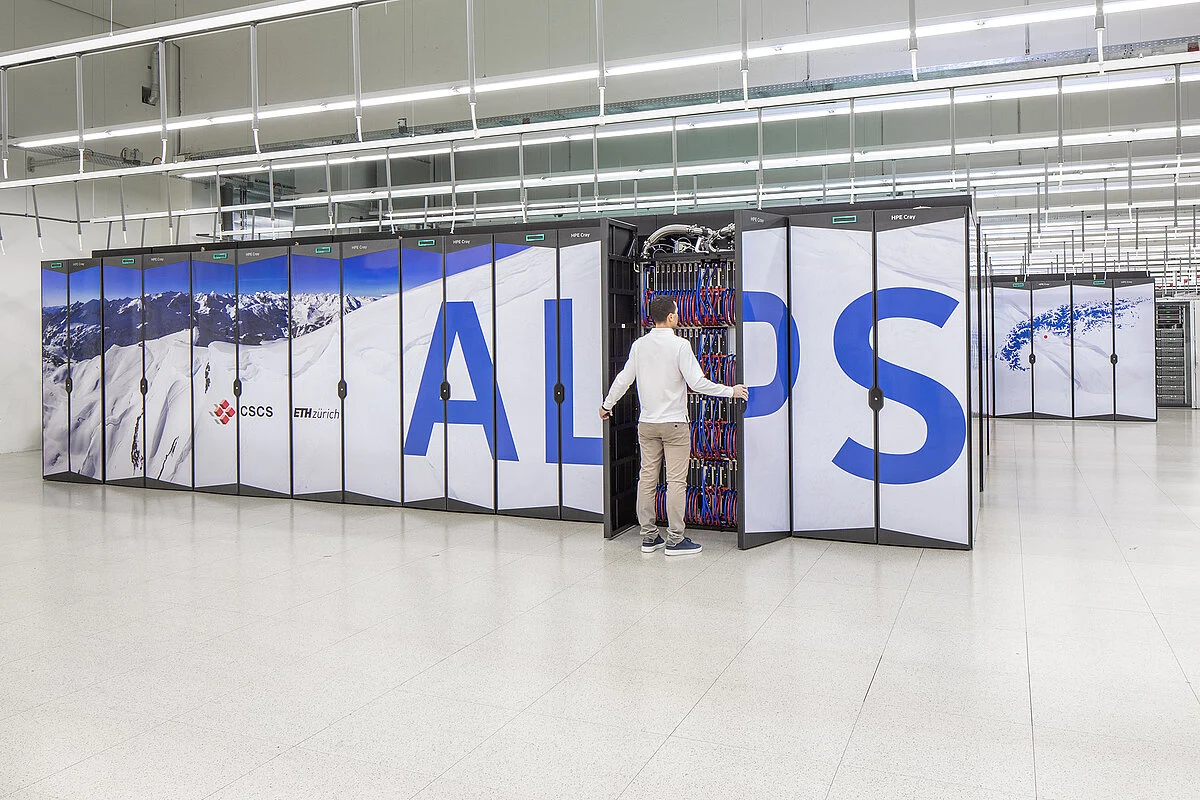
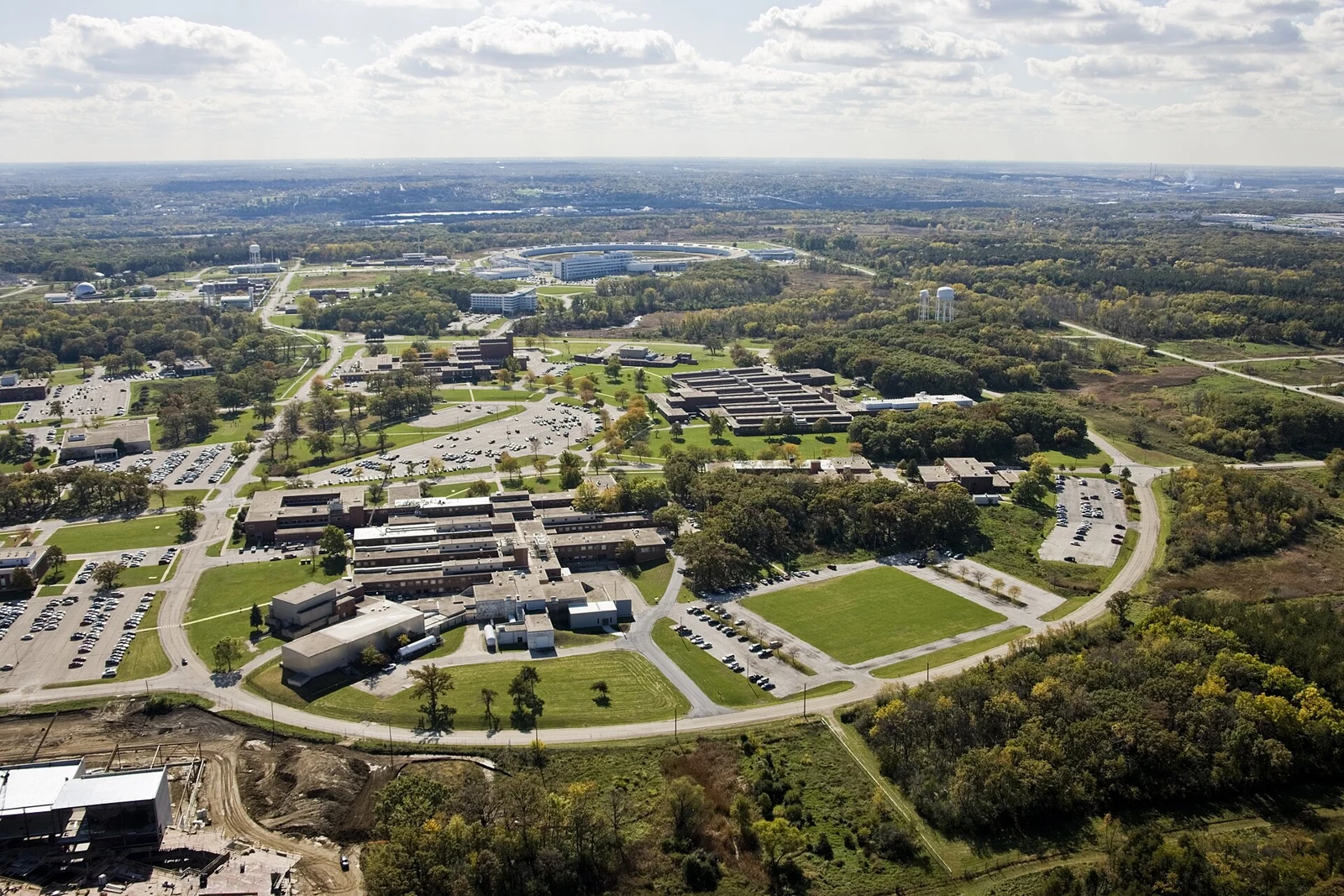
The licensed archival photographs illustrate scientific computing and a research laboratory. They do not depict a new system delivered under the October commitment. ASIC.tools will treat the announcement as a dated infrastructure development while keeping catalogue specifications unchanged unless a confirmed mining product emerges. The source link leads to NVIDIA’s original release so readers can distinguish the programme’s stated scope from our practical interpretation of what would constitute delivery.
Source: NVIDIA ↗
Mining calculator ↗