Lookonchain flags 996 BTC linked to MARA; a sale is unconfirmed
Source report: 2026-10-09 · Editorial analysis published: 2026-10-12
An October 9 wallet-monitoring post shows 996.105 BTC moving between addresses labelled MARA and Galaxy Digital. It does not establish a completed sale or cash proceeds.
Analysis and practical implications
This section is our analysis and illustrative calculations, separate from the source report.
What the original post actually shows
Lookonchain published a wallet-monitoring observation on October 9. Its accompanying Arkham graphic highlights 996.105 BTC leaving an address labelled MARA: Miner and reaching a destination labelled Galaxy Digital, with another destination indicated. The post rounds the amount to 996 BTC and gives a contemporaneous dollar valuation of $81.13 million. These are the tracker’s figures and entity labels, not a new financial disclosure signed by either company.
The important distinction is between observing movement and establishing its business purpose. The graphic supports the existence of a reported transfer between labelled wallets; the author’s suggestion that coins were dumped is an interpretation. ASIC.tools has verified the original dated post and its graphic, but has not independently reconstructed the transaction from a complete transaction identifier. The report therefore retains attribution instead of presenting a confirmed treasury sale.
A wallet label is an attribution layer
Bitcoin records transactions between scripts and outputs. Company names displayed beside those records come from an analytics provider’s attribution system. Such a label can be useful for following activity, yet it is not part of the Bitcoin consensus rules and does not by itself identify the legal owner, the account beneficiary or the commercial agreement governing a movement. The label MARA: Miner is evidence about how this tracker classifies an address.
The same boundary applies to the destination. A service-associated address may handle customer assets alongside other operational flows. Observing coins arrive at a labelled service is not enough to determine who controls the receiving account or what service was requested. For a stronger conclusion, an analyst would need reproducible transaction data plus independent information establishing the relevant ownership and transaction purpose.
Why a transfer cannot prove a sale
Custody changes, internal consolidation, collateral movements and transfers for execution can all create visible Bitcoin activity. These are possible explanations of a wallet movement in general, not claims that any particular one occurred here. A sale requires an additional economic event: a counterparty acquires the asset for agreed consideration. Neither a destination label nor the transferred coin amount reveals that consideration.
Even an actual deposit to a trading service does not tell an outside observer when execution occurred, whether the order was filled, at what price or whether coins remained under the depositor’s beneficial ownership. Describing a suspected transfer as completed liquidation collapses several separate stages. The current evidence permits a carefully attributed monitoring report; it does not support treating an inferred trade as a booked corporate result.
The dollar figure is a dated valuation
The $81.13 million shown beside the highlighted movement is the dollar value used in the original monitoring display. It must not be read as the actual cash amount received by MARA, a verified invoice or today’s Bitcoin quotation. Market value, execution proceeds and accounting carrying value answer different questions. A valuation is only meaningful together with its time and method; the graphic does not supply an executed trade confirmation.
Likewise, rounding 996.105 BTC to 996 BTC is suitable for a headline but should not erase the distinction between the two figures inside a technical report. The more detailed amount here remains attributed to the screenshot, rather than upgraded to independently verified blockchain precision. We have not inferred transaction fees, exchange commissions, realized gains or taxes from the displayed valuation because none of those quantities follows from it.
Treasury movement and mining production are different
A miner’s treasury can contain coins accumulated across many periods. Moving those coins is therefore a different event from producing new Bitcoin through proof of work. Hardware hash rate and power consumption describe the operating fleet; a wallet transfer describes asset movement. There is no sound conversion from the observed transfer amount into a fleet size, a new ASIC deployment or a change in the company’s network share.
For the same reason, the amount is not a measure of daily mining profitability. Operating profit requires revenue, electricity costs, hosting charges and other expenses for a defined period. A treasury transaction may affect liquidity without changing the underlying machines’ efficiency. An operator comparing equipment should continue to use actual device specifications and its own energy tariff instead of inserting this wallet figure into a mining-return calculation.
How to check a stronger follow-up
A reproducible follow-up would identify the complete transaction hash, block inclusion and outputs, then distinguish transferred value from change returned to a sender. The on-chain record could independently establish amounts and timing. It would still not establish the off-chain purpose of the transfer on its own. A company filing, a statement from the parties or a suitably documented execution record would be needed to resolve the commercial question.
The graphic’s relative timestamp should also be handled carefully. It describes the age of a movement when the screen was captured, not a universal clock for every later reader. The source date used for this article is the October 9 publication date. We do not relabel it as a transaction made today, nor infer an exact calendar time for the highlighted movement from a cropped display without a complete underlying record.
What remains unknown
The verified original post does not establish the current balance of MARA’s entire treasury, the number of coins sold during October or a new liquidation policy. Subtracting the transfer from an earlier reported holding would mix dates and assume there were no other inflows, outflows or custody changes. That would produce an apparently precise number without a complete reconciliation. No such current balance is calculated in this report.
It also does not establish that the movement caused any later market-price decline. A causal market claim would require evidence about execution and timing as well as other trading activity. The observation is relevant to monitoring a public miner’s potential liquidity activity, but it is not a stand-alone signal for a price forecast. Uncertainty about ownership attribution and commercial purpose remains part of the report rather than hidden in the headline.
What ASIC.tools will track next
The next useful update would clarify the purpose of the movement or provide enough transaction detail for independent verification. If company reporting confirms a sale, the sale amount, reporting period and proceeds can then be presented as separate verified facts. If it instead confirms custody or financing activity, the monitoring record should be interpreted in that context. Until then the accurate description remains a tracker-reported transfer linked to MARA.
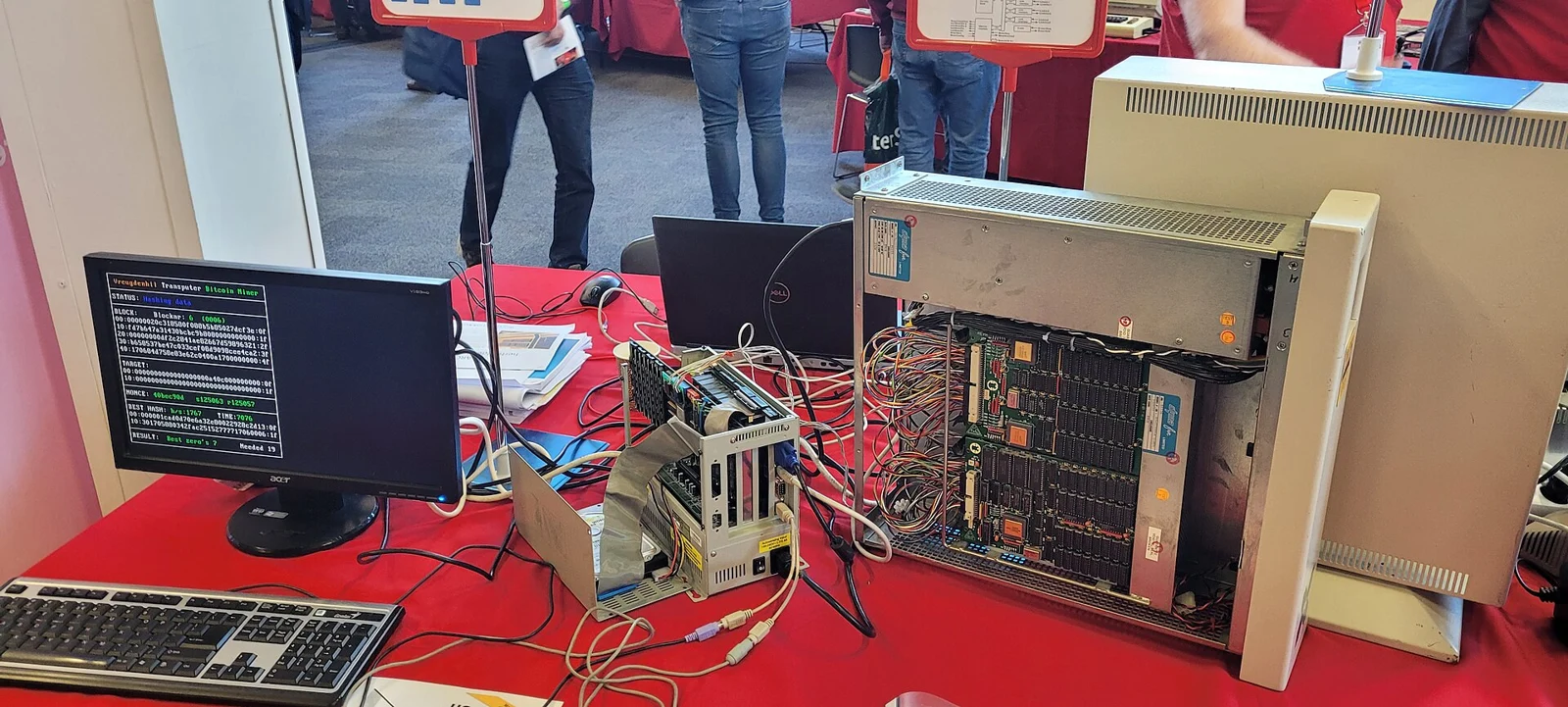
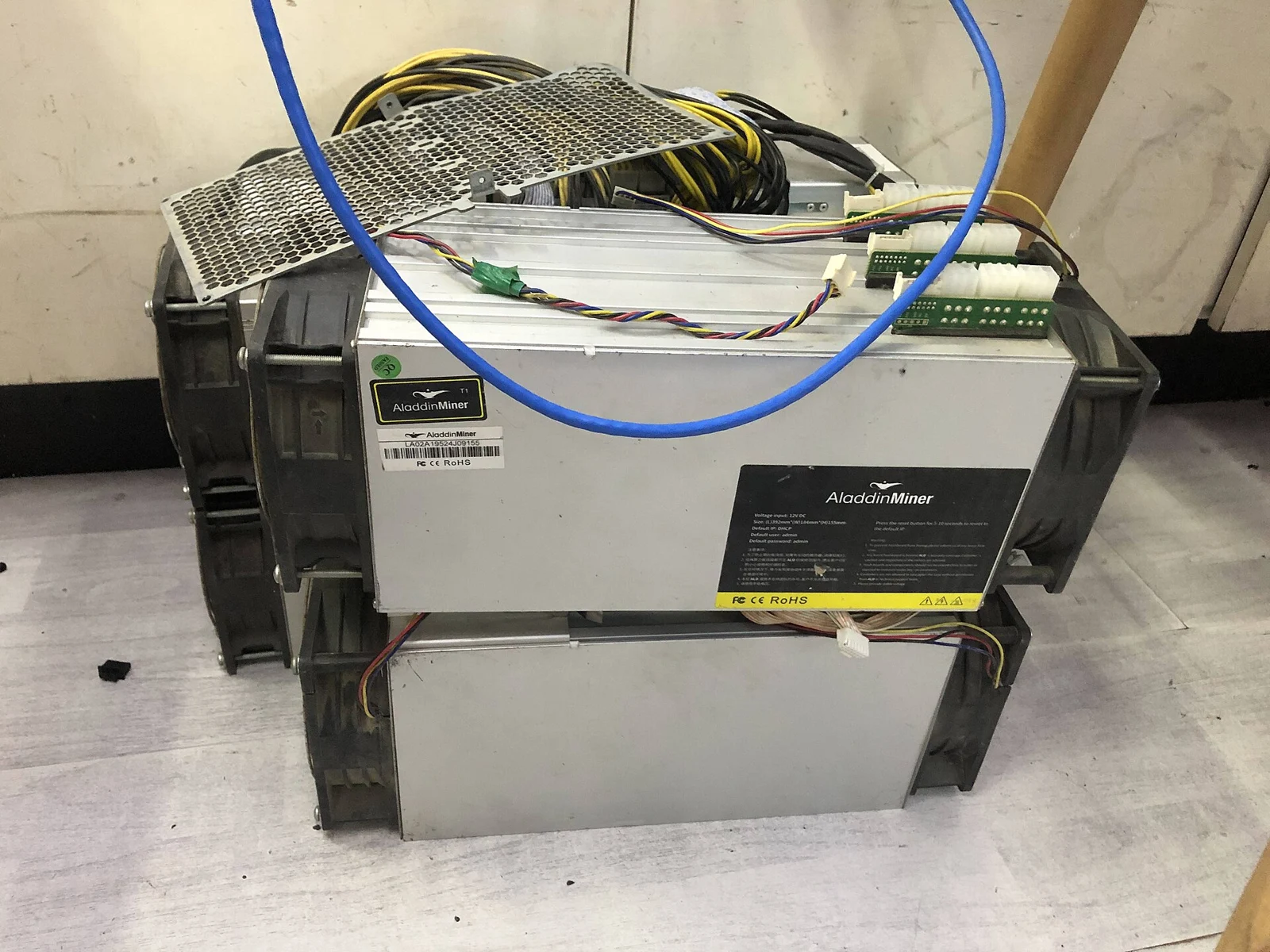
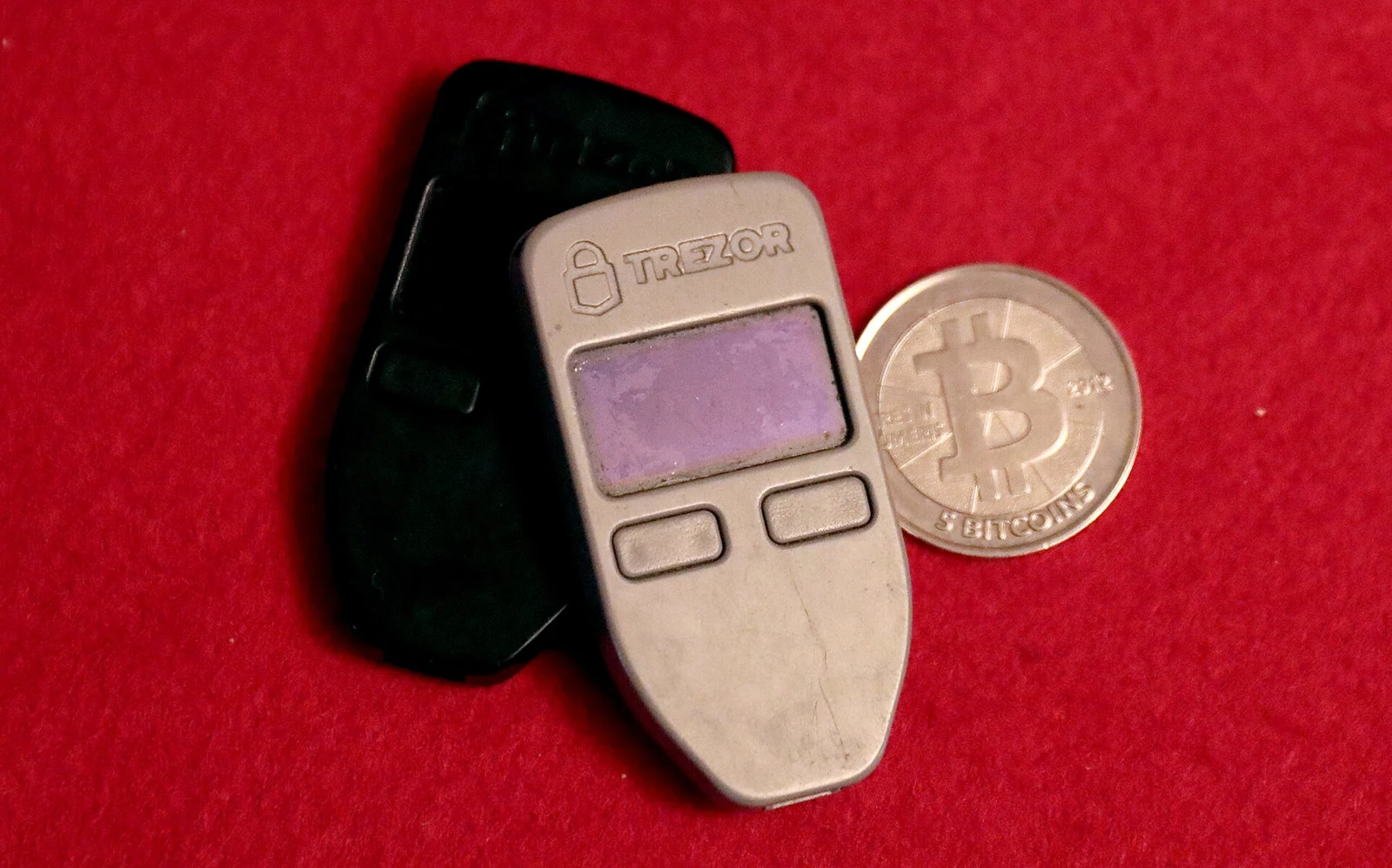
The photographs accompanying this article are licensed archival images of Bitcoin mining hardware and hardware wallets. They illustrate the industry context and are not identified as MARA’s equipment, the hardware behind the transferred coins or evidence of a Galaxy transaction. The original tracker graphic was inspected as source evidence; it is not republished as a freely licensed photograph. Readers can reach the original dated monitoring post through the source link on this page.
Source: Lookonchain ↗
Mining calculator ↗