Karman and Legrand plan embedded rack-power control for mid-2027 products
Source report: 2026-10-06 · Editorial analysis published: 2026-10-07
The partnership targets intelligent AC PDUs and DC power shelves. Karman’s estimate of additional AI output depends on each installation; it is not a demonstrated increase in ASIC hashrate.
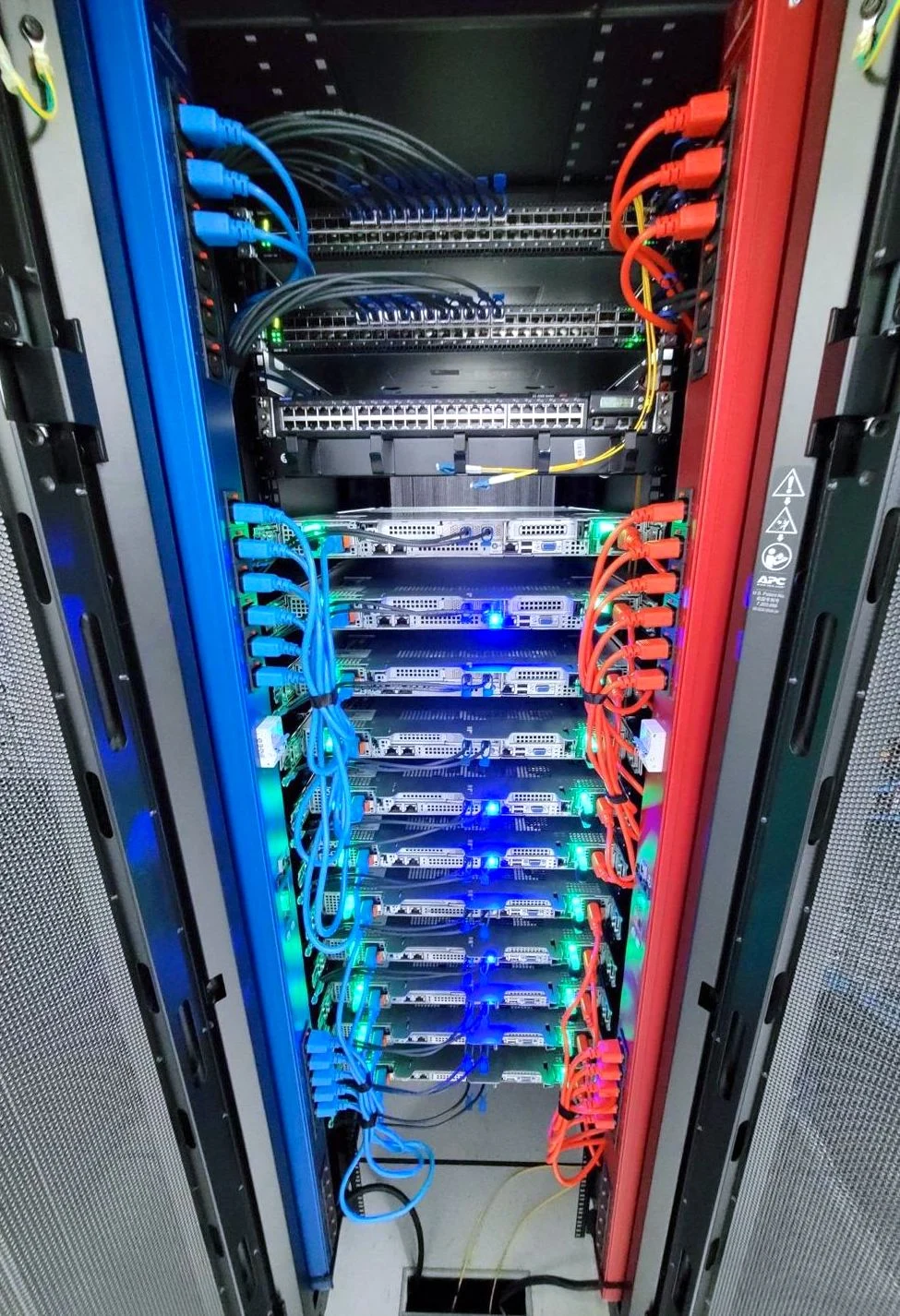
Analysis and practical implications
This section is our analysis and illustrative calculations, separate from the source report.
The agreement puts control closer to electrical distribution
Karman and Legrand announced a partnership on October 6 to integrate Karman’s platform into intelligent AC rack power-distribution units and DC power shelves for high-density AI data centers. Raritan, Server Technology and ZPE Systems are named as the first Legrand brands expected to feature it. The first enabled products are anticipated in mid-2027. This is a product-integration roadmap, rather than a confirmation that the new Legrand devices are available for installation or have already increased output at a named mining farm.
Our interpretation is that embedding telemetry and control in power-distribution hardware can make the electrical boundary more visible to the systems that schedule computing work. That is relevant to operators who have reserved electrical capacity but cannot consistently use it because workloads produce short peaks. The announcement does not remove the installation’s supply limits or identify a new source of generation. It concerns utilization within an existing power budget. A buyer should therefore compare the integrated product’s control and compatibility features, not treat the partnership as an offer of additional contracted grid capacity.
Microsecond visibility is not the entire response time
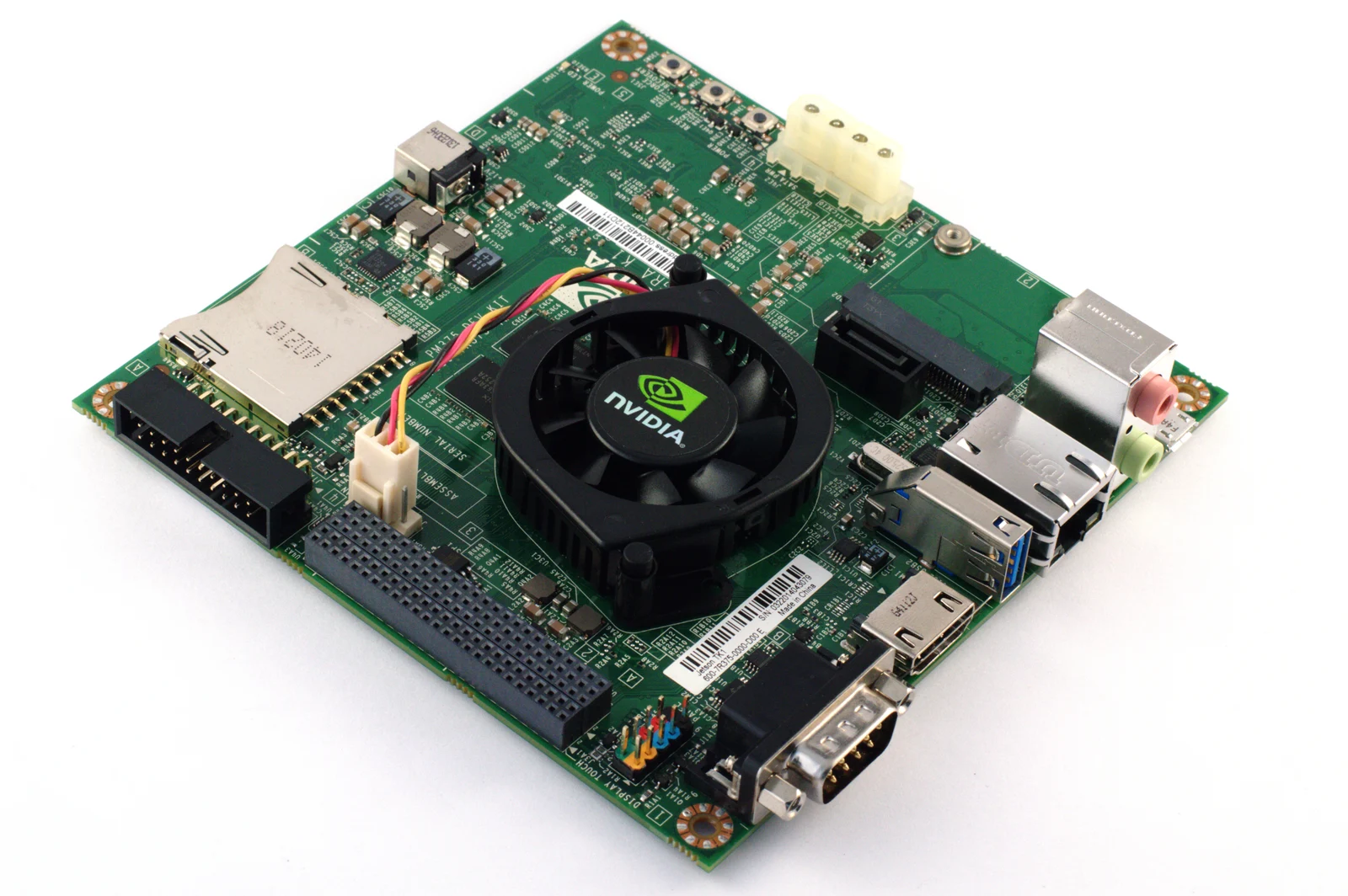
The platform uses a custom NVIDIA Jetson Orin Nano module. Karman describes microsecond-resolution power visibility in the release, while its technical FAQ distinguishes measurement, local processing, command delivery and the server’s response. The FAQ says the command path can be under 2 milliseconds, with estimated end-to-end response varying by server between 20 and 100 milliseconds. These are manufacturer descriptions. They are not interchangeable timing measures and do not establish independent benchmark results for the forthcoming Legrand products.
A useful control evaluation follows the whole loop: observe an electrical event, process it, send a command and confirm that the load changes. Reporting only the sampling resolution can hide the time needed for the equipment to react. Our analysis is that the relevant metric depends on the electrical risk and the workload being controlled. A rapid meter is valuable, but it should be paired with a documented actuator and response behavior. Operators need measurements for the installed hardware and firmware rather than assuming a microsecond telemetry headline means all server power can change within a microsecond.
The 50% figure needs its denominator and conditions
The partnership release advertises 50% or more additional AI-token output with the same provisioned power. Karman’s technical page describes its 50% figure as an estimate whose result varies with power infrastructure and server configuration. We report it as a vendor estimate, not a guaranteed improvement for every installation. Provisioned power is the electrical capacity available to a facility; it is not automatically the amount of energy consumed during a benchmark. Token output also depends on the AI workload and the quality or service conditions of the test.
A 50% increase in output would mean 1.5 times the original output for the stated comparison, but it does not by itself prove a 50% reduction in energy per task. Actual energy needs time-integrated consumption data, while a capacity figure describes a power boundary. Our reading is that buyers should ask for the model, workload, duration, power measurements and service targets used in any demonstration. Comparing output under different latency or quality requirements can mislead even when the power allocation is identical. There is no basis for applying the AI-token estimate directly to SHA-256 or Equihash hashrate.
GPU power controls do not establish ASIC compatibility
Karman’s technical FAQ describes local rack-level power limits and GPU power caps through NVIDIA NVML. That identifies a computing control path for supported GPU environments. It does not identify an interface to every ASIC miner or establish support for a particular Antminer or WhatsMiner firmware. The custom Jetson module is used for local metrology and processing within the platform; its presence should not be mistaken for a replacement for the workload GPUs or a new mining accelerator advertised in the partnership.
For a mining installation, compatible telemetry is only part of the question. The devices must also expose a supported control that changes consumption predictably without losing configuration or creating unstable operating cycles. Our analysis would require a model-specific control description, validated operating modes and a recovery procedure before treating the platform as an ASIC solution. We have not added an ASIC firmware package or a hashrate uplift on the basis of this news. The partnership is relevant to electrical infrastructure, while miner-specific applicability remains a separate technical claim that needs its own evidence.
Rack measurements need to reflect the limiting electrical path
The technical page lists current and voltage measurements, real and reactive power, power factor and rack or phase-level metrics. These are useful because an aggregate campus wattage can hide a constraint at a particular distribution path. Our interpretation is that operators should map each measurement to the circuit and equipment it represents. A rack can be limited by a branch, a phase or a distribution component even when the site’s overall contracted power is not fully used. A total capacity figure alone cannot establish that all of the unused budget is available to every rack.
The operating comparison should also retain the distinction between watts and apparent power, together with the applicable equipment ratings. Moving work to use spare capacity on one path does not increase the rating of a different path. These are general electrical-review considerations rather than specifications claimed for an unreleased Legrand unit. The practical value of more detailed telemetry is to identify where headroom exists and where a physical limit is binding. A deployment proposal should connect its utilization target with those limits and with the protection arrangements approved for the installation.
Dynamic allocation still needs a safe failure state
Karman describes dynamic power oversubscription as allocating more computing demand against a power budget through fast control, rather than leaving a large static buffer unused. Its FAQ also describes a reduced rack-power envelope if a control node fails. Those statements explain the intended architecture but do not replace a site-specific acceptance test. Our reading is that normal operation, loss of telemetry and loss of control should all be considered when assessing how much computing work can safely share an electrical allocation.
A practical test should show what happens when a command is delayed, a server does not respond or the local module restarts. It should identify the fallback power setting and the scope of the affected equipment. Electrical protection remains a distinct part of the installation; a software utilization feature is not permission to exceed a component’s rating. These are criteria for reviewing a future integrated product, not evidence that a particular Legrand device has already passed them. The capacity benefit is useful only if the operator can preserve a predictable electrical boundary during both ordinary workload changes and failures.
Higher output and lower unit cost are related but not identical
If an installation produced 150 units of useful work instead of 100 at an unchanged total cost, the cost per unit would fall by one third: the new unit cost is 100 divided by 150 of the old value. This is an explicitly hypothetical arithmetic example, not a Karman customer result. It shows why a 50% output increase should not be rewritten as a 50% unit-cost reduction. In a real deployment, additional energy use, integration cost and the price of the control hardware can also change the numerator of that comparison.
Our analysis is that a buyer should compare useful completed work, the complete operating cost and the service target over the same interval. An infrastructure purchase can improve utilization while creating new maintenance or integration expenses. Benchmark conditions should include the workload mix and any effect on latency or throughput consistency. For miners, the analogous review would compare accepted pool work and total site cost rather than substitute an AI-token metric. The announced partnership does not publish a delivered product price or a measured payback period, so we do not calculate either from its output estimate.
The integration roadmap will need product-level evidence
The next useful disclosures are the specific enabled product models, their supported interfaces, installation requirements and results under documented customer workloads. Availability around mid-2027 remains an expectation in the release. Operators considering the roadmap can prepare a telemetry and compatibility inventory now without assuming that the future devices have already been commissioned. The partnership establishes a route to integrate control into distribution equipment; it does not provide an independent test report for every proposed product or every computing environment.
For ASIC.tools readers, the development is relevant because power utilization is becoming a product feature inside the electrical chain, rather than only a scheduler setting in the computing stack. Its practical value will depend on how the meter, control path, supported load and fallback behavior work together at a site. Our coverage retains the vendor’s estimate and its technical conditions while keeping them separate from measured mining performance. Product-level specifications and verified deployments will be the evidence that turns the announced integration plan into a comparable infrastructure option.
Source: Karman / Legrand ↗ · Karman technical FAQ and estimate conditions ↗
Mining calculator ↗