Infineon details a 27 kW three-phase PSU reference design for AI racks
Source report: 2026-10-08 · Editorial analysis published: 2026-10-11
Infineon’s October 8 release describes a 27 kW reference design, with peak efficiency above 98% at 480 VAC and half load. It targets server designers and an upcoming OCP demonstration; the announcement does not establish compatibility with a mining ASIC.
Analysis and practical implications
This section is our analysis and illustrative calculations, separate from the source report.
A reference design aimed at server power engineering
Infineon’s October 8 technology release describes a 27 kW three-phase power-supply reference design for server equipment developers. The company presents it in the context of denser AI racks and changing high-voltage power architectures. This is a manufacturer design announcement with an exhibition planned for October 12–15, not a completed mining installation. A reference design and a commercially qualified power supply installed in a particular system are different stages of evidence.
For ASIC.tools readers, the relevance is the engineering of conversion losses and rack power delivery. The release does not identify a supported Antminer, WhatsMiner or other miner connector. It should therefore not become a new ASIC catalogue entry or a recommended replacement for a manufacturer’s mining PSU. The practical questions are the exact electrical boundary, the conditions behind performance numbers and the qualification needed before a design can serve a real workload.
Peak efficiency belongs to a stated operating point
The company reports peak efficiency above 98% at 480 VAC input and 50% load. Those conditions are part of the claim and must remain attached to it. They do not establish the same efficiency at every input voltage or at full output. A comparison with another supply requires a comparable load point, input conditions and measurement method. An attractive peak number alone cannot determine the electricity bill of a complete rack.
An independent example at exactly 98% efficiency clarifies the scale without claiming a test result: delivering 13.5 kW of DC output would require approximately 13.776 kW of input, with about 0.276 kW lost in conversion. The 13.5 kW figure is half of 27 kW; exactly 98% is our illustrative assumption, while the source says more than 98% at its stated point. These numbers describe a power-conversion boundary, not cooling energy or miner hashrate.
Output rating is not the building-meter demand
A supply’s output rating describes power delivered after conversion. The incoming electrical service must also cover conversion losses and separately powered facility equipment. This matters whenever a rack count is derived from a megawatt allocation. The data-center meter and the summed DC loads need not be equal, and neither should be treated as a substitute for the other when calculating required service capacity.
For another hypothetical example, ten loads each requiring 27 kW of DC output would total 270 kW at the output boundary. At an assumed constant 98% efficiency, input would be about 275.51 kW before external cooling or other site demand. This full-load assumption is not an inference from the published half-load peak claim. It is a deliberately separate scenario that shows why a known efficiency curve is needed for an actual operating plan.
Brief ride-through is not long-term backup power
The release specifies a 20-millisecond hold-up capability from an integrated energy buffer. This describes very short disturbances, not hours of backup operation. A farm still needs to distinguish the local conversion buffer from any wider UPS, generator or restoration plan. The company also discusses rapid GPU load changes, but the announcement does not measure the transient behaviour of a particular mining rig.
Twenty milliseconds equals 0.02 seconds. At an assumed constant 27 kW load, that interval corresponds to 540 joules, or 0.15 watt-hours, as a simple power-times-time illustration. This is not a measured capacity of the actual buffer and does not include operating constraints. The unit conversion makes the duration clear: it cannot be expanded into a promise that a rack will continue mining through a prolonged site outage.
Power density is a component-level comparison
Infineon gives a power-density figure of 116 watts per cubic inch against a cited ORV3 minimum of 94. Our numerical comparison is approximately 23.4% above that stated minimum. A density ratio compares rated power with volume; it does not imply the same increase in Bitcoin production, reduced noise or a proportional improvement in rack-level efficiency. The source’s design claim needs its own physical and test boundary.
A smaller supply may change how a server designer allocates space, while service access, connectors, airflow and thermal arrangements still affect the complete system. Compare dimensions and maintenance needs alongside a density number. A hypothetical rack with an already constrained cooling path cannot be declared upgradeable solely because one power component occupies less volume. The system design has to establish what can actually be installed and serviced.
Three-phase input does not establish miner compatibility
The manufacturer states a three-phase input range of 311 to 528 VAC and discusses operation in an 800 VDC or split ±400 VDC architecture context. These are engineering boundaries, not a generic instruction to connect this design to existing ASIC equipment. A named miner needs its own permitted input, output rails, control interface, connectors and protection requirements. Neither an advertised kilowatt rating nor a similar-looking cable is enough to establish interchangeability.
A useful compatibility record identifies the exact finished supply, system revision and manufacturer-approved configuration before procurement. High-voltage integration belongs to qualified electrical and equipment engineering, with the actual product documentation. This article does not provide a wiring procedure. The difference between a component reference design and a tested commercial assembly is particularly important when an existing mining installation is evaluated for a change of workload.
How operators should evaluate the next evidence
The next useful evidence would include complete load-dependent test results, qualified system implementations and documentation for the finished products using the design. An upcoming trade-show demonstration is not evidence that those implementations have shipped or that every operator can purchase a compatible assembly today. Our report retains the October 8 announcement date and treats the October 12–15 exhibition as a future event at verification.
For an operating comparison, keep delivered DC power, AC input, site auxiliary demand and accepted computational work separate. Measure the same workload and interval before attributing a bill change to the PSU. A hypothetical supply improvement can reduce conversion losses while leaving pool revenue, electricity tariff and fixed site costs unchanged. Conversely, an added compute workload can change total site demand even if the conversion stage becomes more efficient.
What the announcement changes for mining readers
The confirmed news is the manufacturer’s new detailed reference-design announcement and its planned exhibition. Performance figures are manufacturer-reported, with their conditions preserved; our ratios and unit examples are explicitly independent. This is a power-engineering development relevant to infrastructure, rather than a new mining algorithm, miner hashrate specification or downloadable ASIC firmware. No mining-device compatibility has been established by the source.
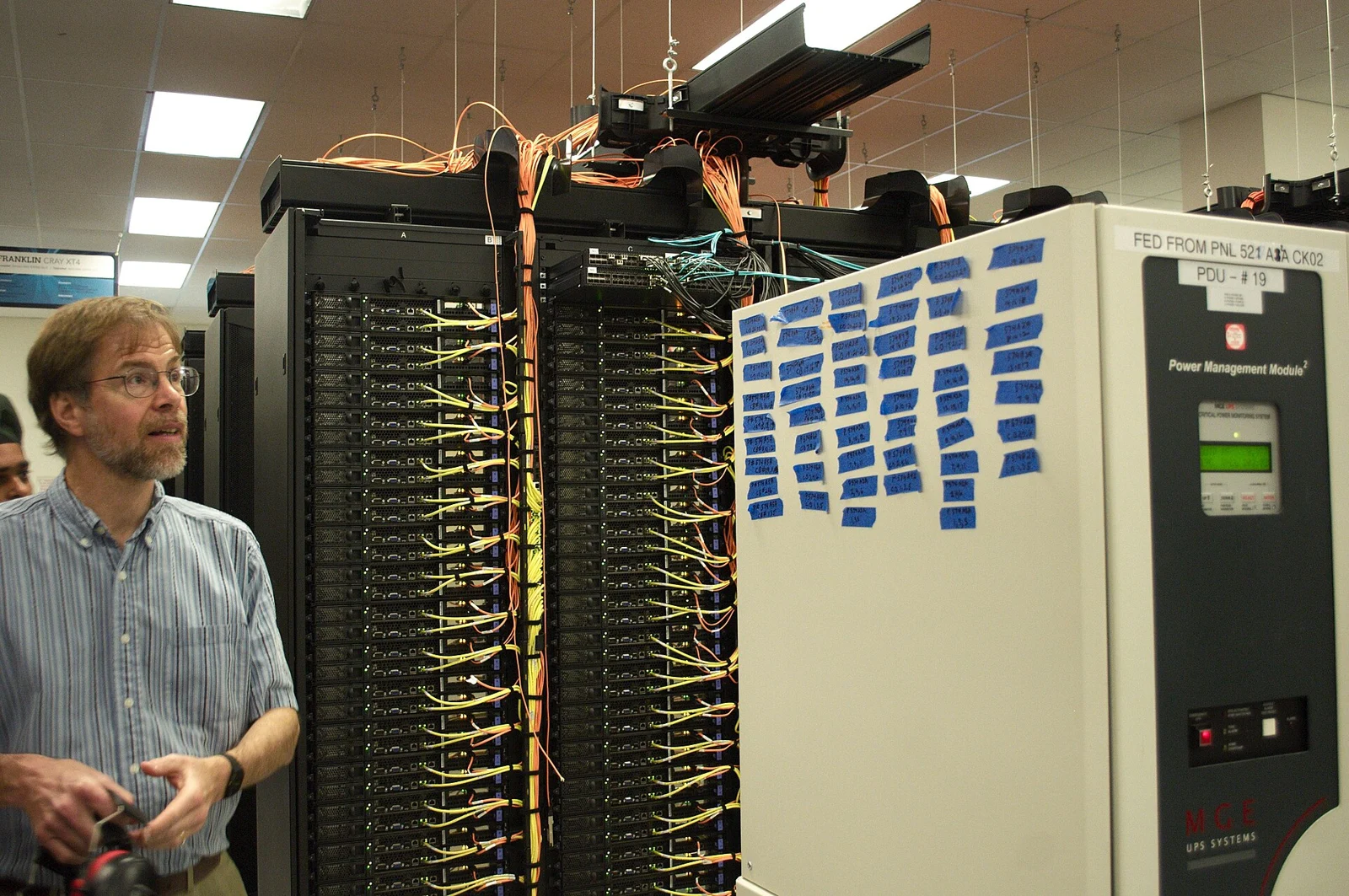
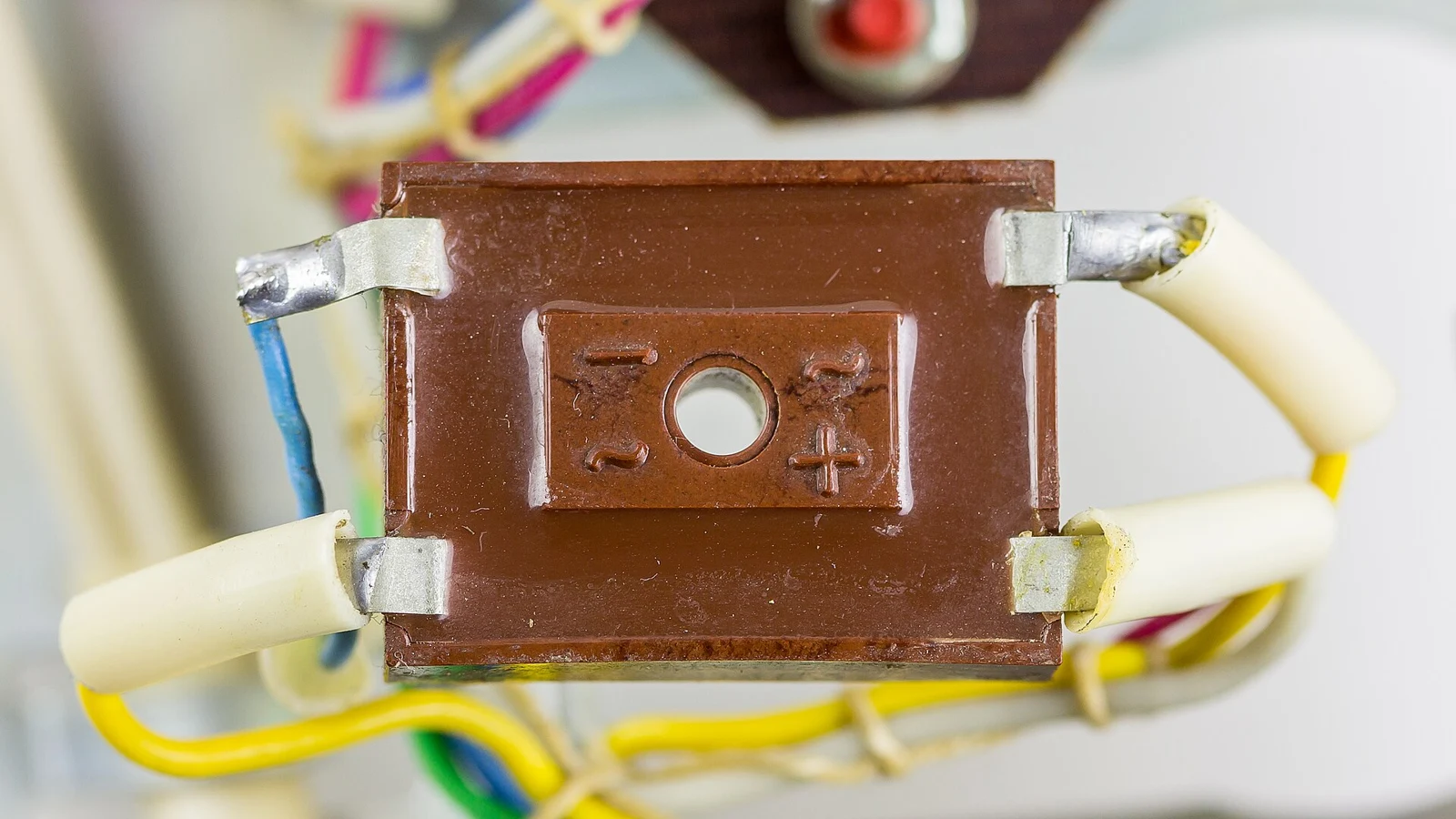
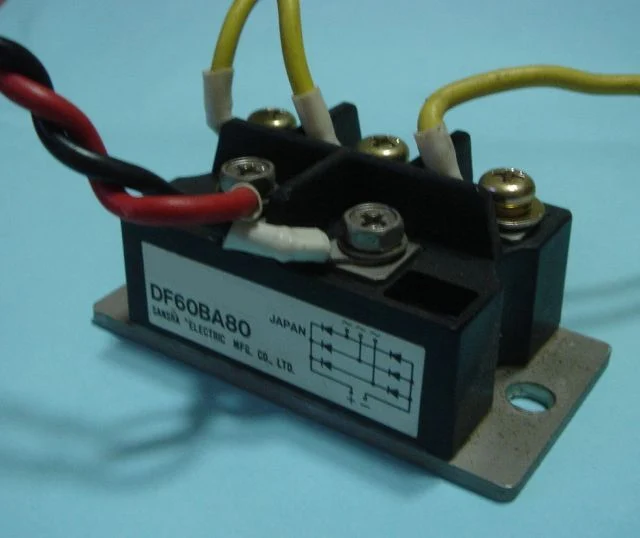
The two licensed archive photographs illustrate power-supply electronics and electrical conversion hardware. They are not presented as photographs of Infineon’s newly announced 27 kW design. The source link below leads to the original manufacturer release. A catalogue or farm scenario should be changed only when a specific supported product and its actual operating data are available, instead of importing a server reference-design rating as a miner specification.
Source: Infineon Technologies ↗
Mining calculator ↗