IEA sets out a digital toolkit to use existing power grids better
Source report: 2026-09-21 · Editorial analysis published: 2026-09-24
A new IEA report explains how monitoring, control systems, grid-enhancing technologies and carefully governed AI can increase the safe use of transmission and distribution networks.
Analysis and practical implications
This section is our analysis and illustrative calculations, separate from the source report.
The grid problem is now a capacity and information problem
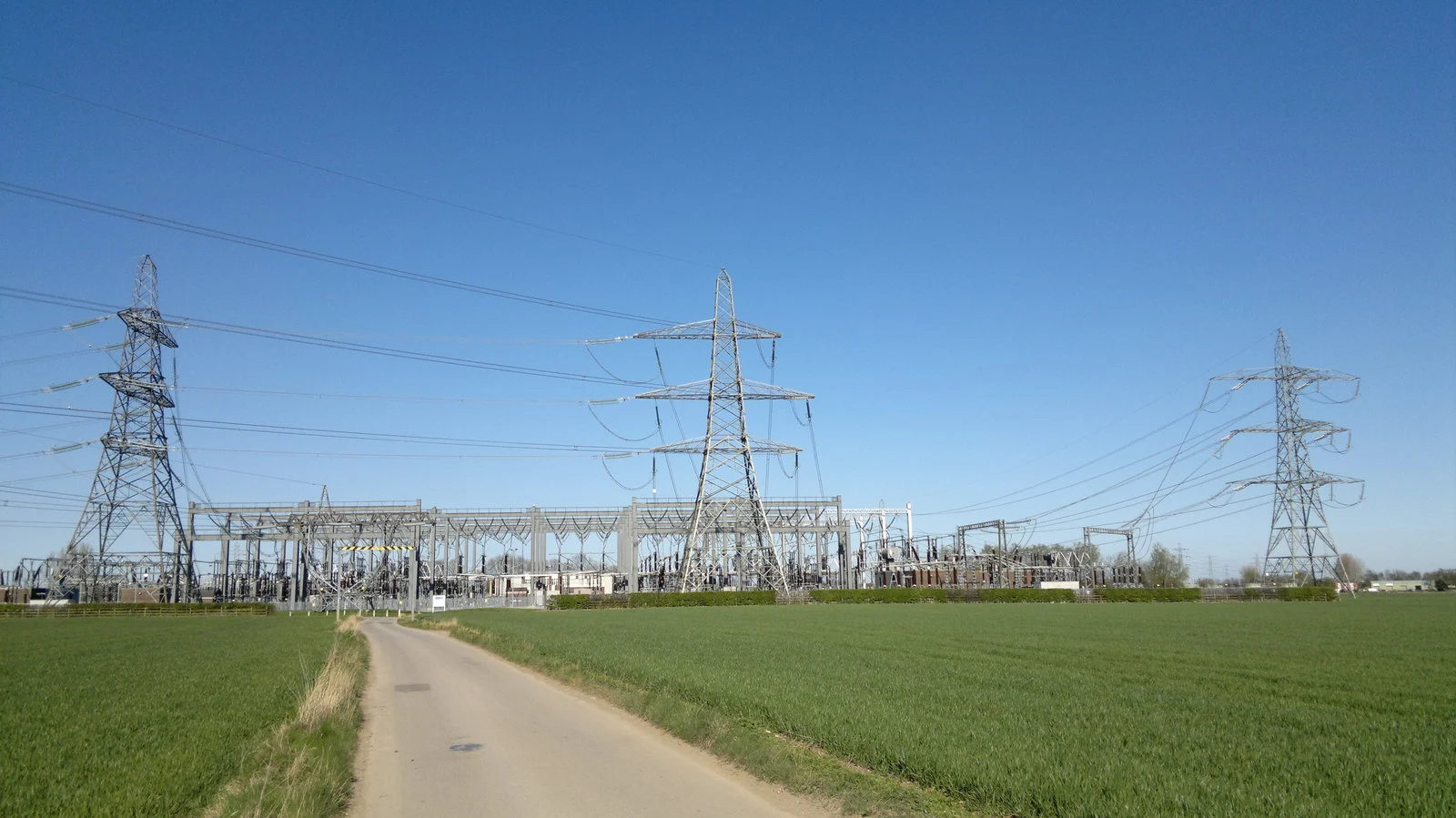
The IEA report Modernising Grids in the Age of Electricity was published on 21 September under a CC BY 4.0 licence. It argues that electricity demand is rising while supply and demand are becoming more variable, yet new lines and substations take years to plan, permit and build. Expansion remains essential, but existing assets must also be used more effectively. This distinction matters for mining projects: an area may have enough annual generation and still lack deliverable capacity at the connection point. Better sensors and operating tools can reveal headroom, but they do not create unlimited megawatts or replace a signed interconnection study.
The digital grid toolkit joins several layers
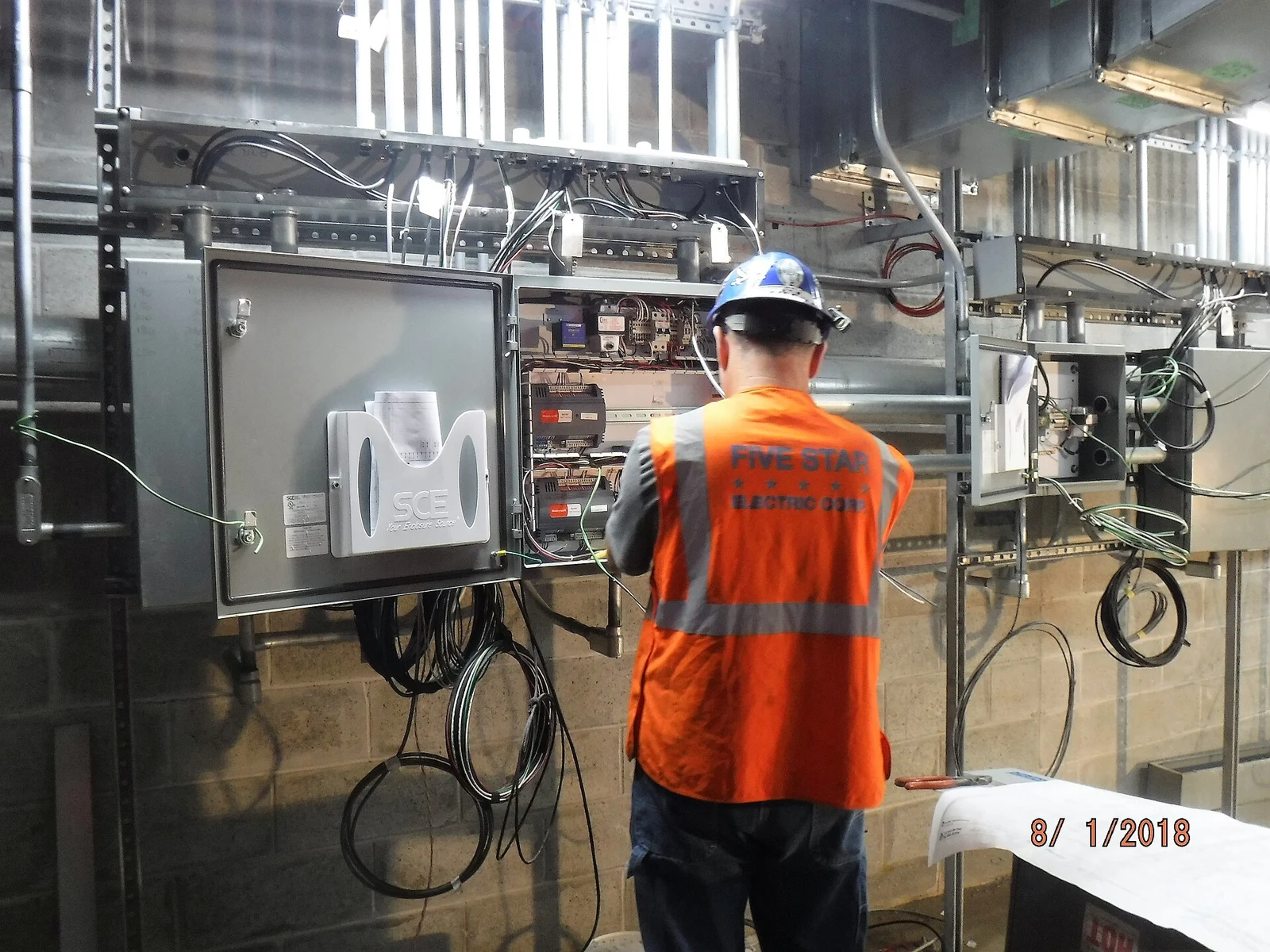
The report organizes a portfolio of technologies across planning, construction, maintenance and real-time operation. Monitoring devices produce data; communications carry it; analytical and control systems turn it into decisions; grid-enhancing technologies change how existing infrastructure is used; AI can improve selected forecasts and workflows. Benefits appear when those layers are integrated with clear responsibility, not when a utility buys an isolated dashboard. A large flexible load should ask which signal is authoritative, how quickly it arrives, who can issue a curtailment command, what happens when communications fail and how performance will be measured.
Monitoring and control improve situational awareness
Wide-area measurement, digital substations, dynamic equipment monitoring and advanced distribution-management systems can help operators see voltage, temperature, congestion and faults earlier. Higher visibility may support more accurate limits and faster restoration, especially where renewable output changes quickly. Data quality is a prerequisite: a delayed, mis-scaled or missing sensor can produce confident but wrong conclusions. ASIC sites participating in demand response should keep their own revenue-grade meter, synchronized timestamps and event logs, then reconcile those records with the utility. That evidence protects both parties when a dispatch or settlement is disputed.
Grid-enhancing technologies can unlock specific bottlenecks
Dynamic line ratings, topology optimization, advanced power-flow control and related tools can raise the usable capacity of particular corridors under appropriate conditions. For example, weather data may show that a line can safely carry more current when cooling conditions are favourable. The additional capacity is conditional, not permanent nameplate capacity, and can fall during adverse weather or outages. A mining investment must therefore distinguish firm service from interruptible access. Economics should survive the actual connection contract, expected curtailment and recovery sequence rather than assuming that every digital improvement becomes continuous power for the site.
AI has valuable but bounded grid applications
The IEA highlights AI applications in optimization, forecasting, situational awareness, resilience and risk management. Models may help predict demand, renewable production, component failures or vegetation risk, and they can screen more operating states than manual processes. They still require representative training data, validation, human oversight and a safe fallback. A high accuracy score does not prove good performance during rare emergencies. Utilities and large-load customers should document model version, decision rights, confidence thresholds and incident response. Cybersecurity and governance belong in the design rather than being added after automation is connected.
Data centres affect the same networks they can help optimize
The report notes the two-way relationship between AI and electricity: data centres are a fast-growing source of demand that can worsen congestion, while AI applied to energy systems may improve reliability and efficiency. Cryptocurrency mining is a different workload, yet its power electronics and concentrated demand interact with the same substations and transmission constraints. Mining can sometimes respond faster than conventional industry, but flexibility is valuable only when it is contracted, observable and dependable. Public claims about supporting the grid should state response time, available megawatts, duration, notice requirements and baseline method.
Flexibility and storage are complementary, not the report’s main scope
The IEA explicitly says demand-side flexibility and storage are important routes to higher network utilization but are treated in other work. That boundary prevents an exaggerated reading of this report. Modern monitoring can show a constraint and AI can forecast it, while a separate market or bilateral agreement must pay a load to react. Batteries may smooth ramps or provide backup but add capital cost, losses and operating limits. For a mine, the decision should compare foregone hash revenue, restart risk, equipment temperature and incentive payments across realistic events, including the possibility of several dispatches in one day.
A practical due-diligence sequence
Before relying on digital-grid benefits, obtain the utility’s hosting-capacity evidence, protection requirements, service class and curtailment rules. Map site controls from the revenue meter to individual mining zones; test command latency and fail-safe states; separate firm from non-firm load; and store time-series records in a format that can be audited. Run commissioning exercises for lost communications, incorrect signals, abrupt restoration and simultaneous equipment restart. The IEA’s toolkit provides categories and international examples, not a promise that a specific connection can proceed. Local studies and contracts remain decisive.
Source: International Energy Agency ↗
Mining calculator ↗