Hyperscale switches off Michigan miners for AI conversion
Source report: 2026-09-02 · Editorial analysis published: 2026-09-14
The company reports a September 1 shutdown at its Michigan site. The $1.2 billion contract estimate assumes both extension options are exercised.
Analysis and practical implications
This section is our analysis and illustrative calculations, separate from the source report.
An operating change, not just an ambition
Hyperscale Data announced on September 2 that all Bitcoin miners at its Michigan facility had been switched off effective September 1. The stated purpose is to prepare the site for a California-based neocloud customer’s AI infrastructure. This is a report of a completed mining shutdown at the named facility, while readiness for the new workload remains a separate development task. The announcement should not be expanded into a claim that every company operation has stopped mining.
The contract figure has conditions
The company describes an initial 20 MW deployment under a ten-year agreement with two five-year customer extension options. Its estimate exceeding $1.2 billion applies if the maximum term is used. An option for another 32 MW, exercised within the first two years and continuing through the extensions, underlies the larger estimate exceeding $3 billion. These are conditional revenue scenarios, not cash already received, annual revenue or net profit. The distinction materially changes how the headline numbers should be read.
Capacity is not a single interchangeable number
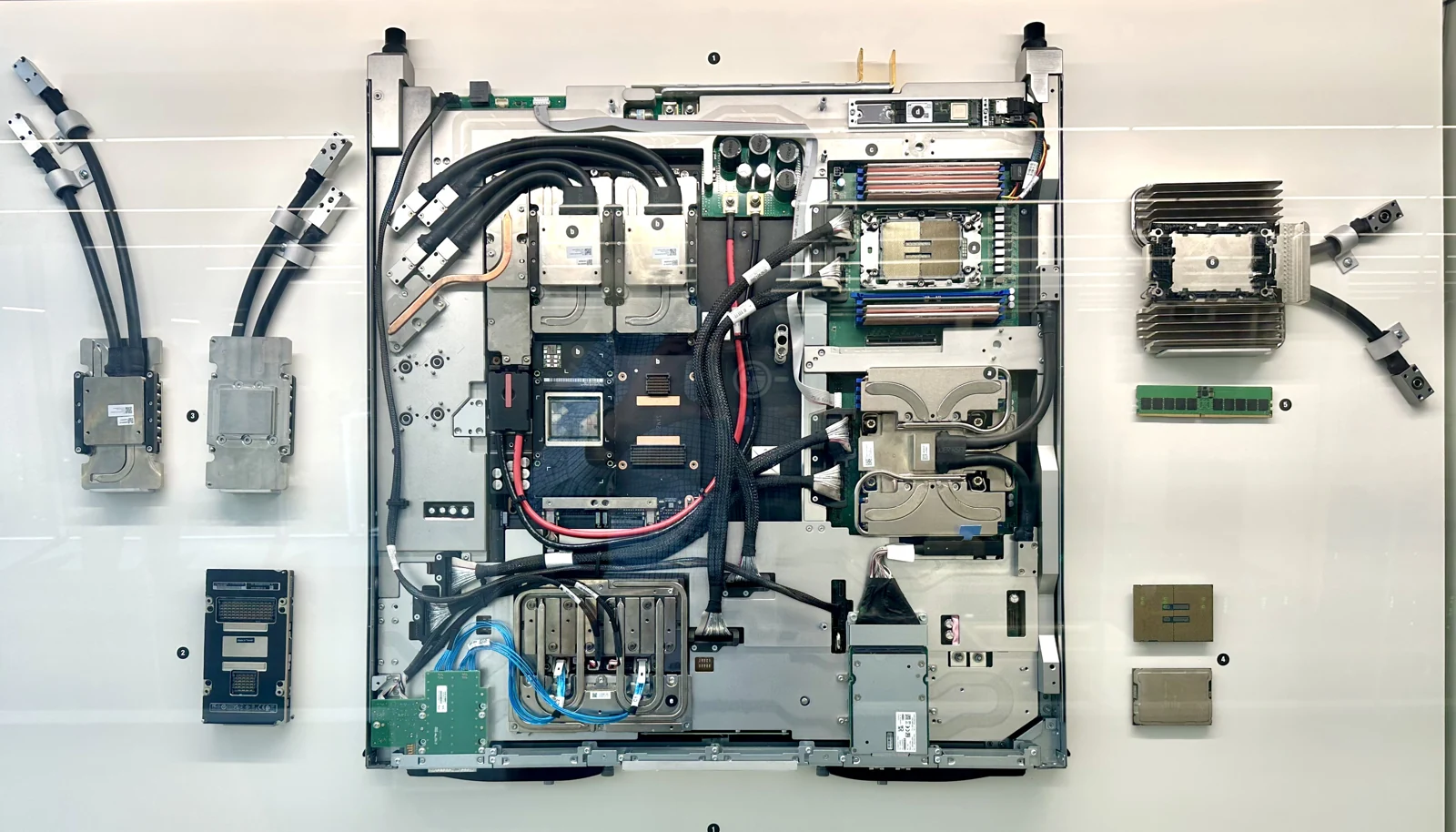
Editorial explanation: electrical supply to a site, critical IT load and rented computing capacity describe different boundaries. Cooling, power conversion and other supporting systems also consume energy. Consequently, a future site-power target cannot simply be divided by the wattage of a server to count sellable machines. The relevant question is which part of the system each number measures, when that capacity becomes usable and which customer obligations apply to it. This article does not convert the release’s MW figures into an ASIC inventory.
A conversion includes a transition period
Stopping one workload frees resources but does not itself commission the next. Operators assessing similar conversions need a schedule for removing equipment, completing electrical and cooling work, testing, customer acceptance and the beginning of billable service. These are editorial evaluation points, not confirmation that Hyperscale has completed each stage. The period between lost mining output and recognized hosting revenue matters: gross contract value alone does not describe the cash needed to bridge that interval.
How to compare mining and hosting economics
A useful comparison separates mining revenue, electricity, repair and pool expenses from hosting revenue, service obligations and conversion capital. Use the same time horizon and specify whether figures are before or after capital costs. Comparing one month of mining proceeds with a multi-year hosting contract total produces a misleading result even when both underlying numbers are accurate. Also distinguish purchased infrastructure from equipment supplied by a customer; ownership affects who funds replacement and bears operating obligations.
What evidence to follow next
The practical milestones are customer acceptance, the start of recurring service revenue and disclosures clarifying actual available capacity. Contract extensions should remain optional in a model until there is evidence of exercise. For miners, this case illustrates that power and property can be repurposed, but the economics depend on execution and contractual scope. The primary release supports the shutdown and stated agreement terms; the project assessment framework is editorial analysis, not an independent audit or a claim that the AI conversion is finished.
Use a timeline rather than one contract total
A review worksheet can put shutdown, construction, acceptance, initial service and optional extensions on separate lines. Record a source and status beside each line, leaving unknown dates unknown. The maximum-term revenue scenario belongs beside its extension assumptions, not beside the shutdown as immediate proceeds. This format shows which progress is already documented and which depends on a future decision or completed work. It also prevents the same projected revenue from being counted once as a headline contract value and again as an additional extension, when the first figure already includes it.
Source: Hyperscale Data / PR Newswire ↗
Mining calculator ↗