JERA, Dell and RHAELM plan a 400 MW AI campus at Chiba power station
Source report: 2026-10-01 · Editorial analysis published: 2026-10-02
The partners signed an MoU for a behind-the-meter project expected to exceed $15 billion across all phases, with operations targeted around 2028; capacity and financing remain planned rather than operating.
Analysis and practical implications
This section is our analysis and illustrative calculations, separate from the source report.
Three companies signed an infrastructure memorandum
JERA, Dell Technologies and RHAELM said on October 1 that they signed a memorandum of understanding to create a standardized model for national-scale AI infrastructure in Japan. The document links power generation, electrical systems, cooling and rack-scale compute. It is a framework for cooperation and project development, not evidence that a completed data center is operating or that every contemplated phase has received final approval and financing.
The first planned application is at Chiba
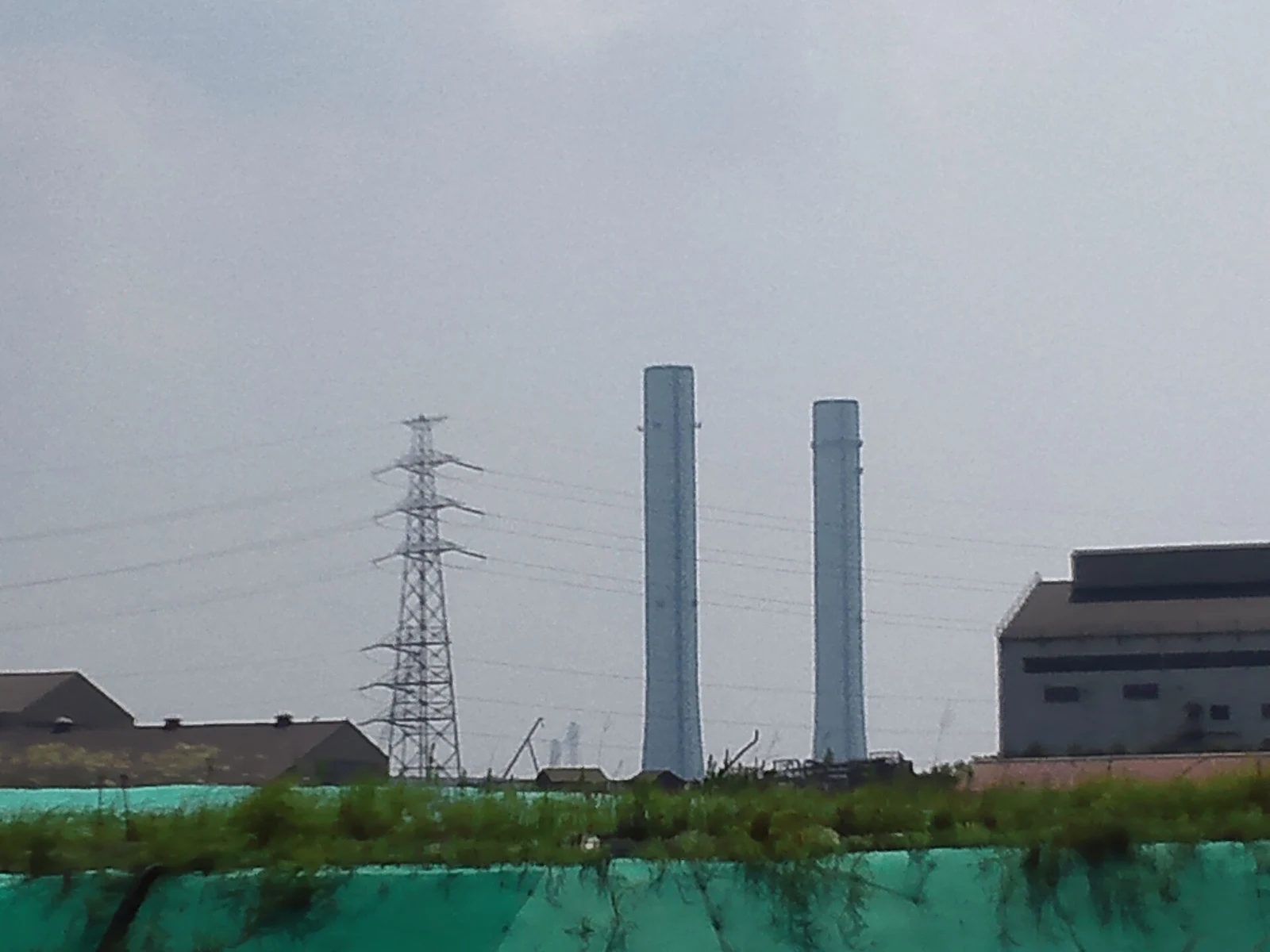
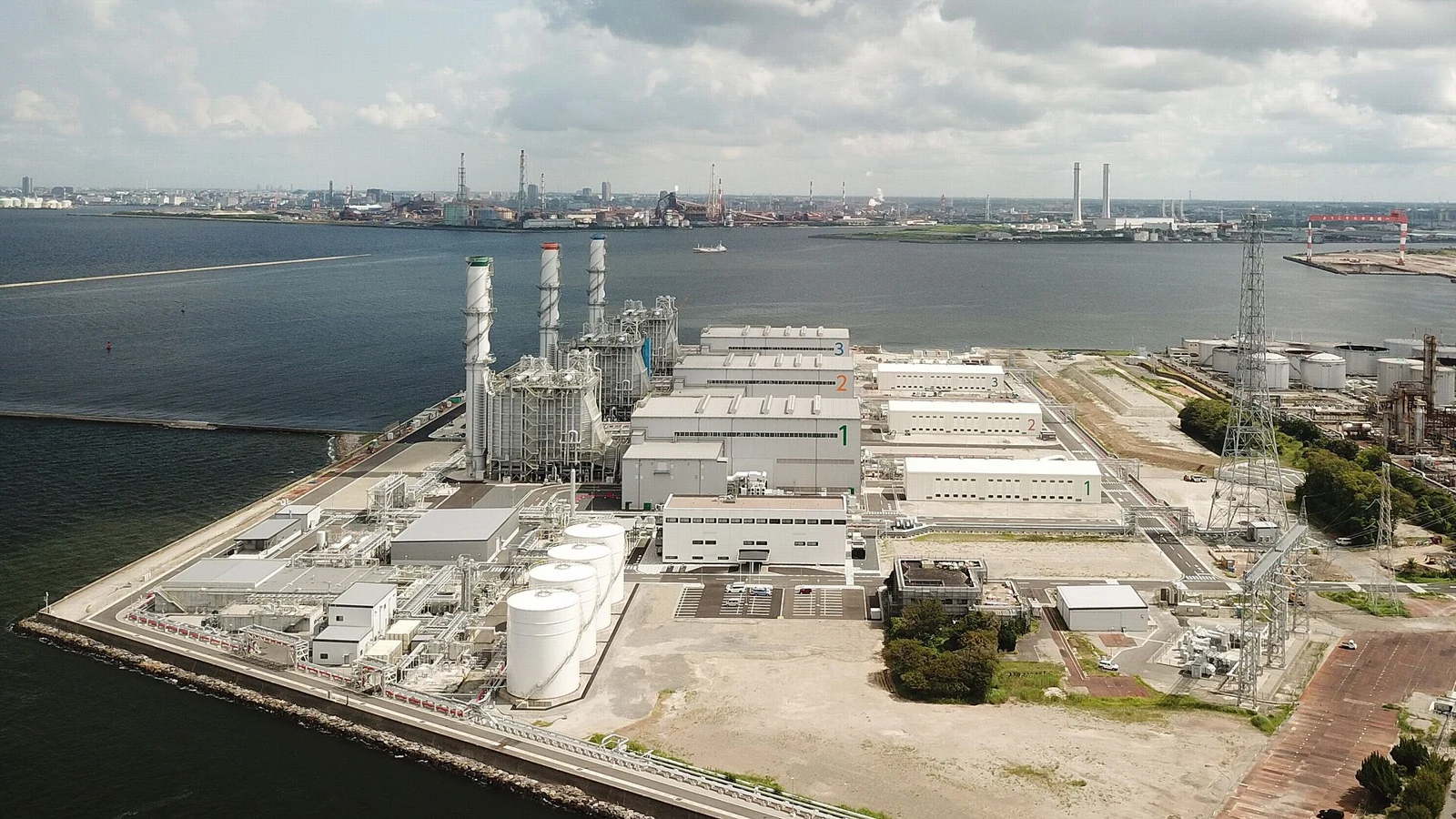
The partners intend to apply the model first at JERA’s Chiba Thermal Power Station. JERA and RHAELM are jointly developing the Chiba project, while Dell supplies a standardized AI Factory compute layer. Apollo Global Management intends to act as a strategic investment and financing partner for RHAELM. The wording is prospective: an intention to finance is not the same as a closed loan, funded construction budget or unconditional capital commitment.
The project is supported by up to 400 MW
JERA states that the Chiba project is supported by power capacity of up to 400 MW. The phrase up to defines a ceiling for the development, not current critical IT load, installed GPUs or measured consumption. Readers need future disclosures on phased megawatts, power reserved for cooling and auxiliary systems, interconnection and fuel constraints, customer contracts and commissioning before comparing it with operating mining or colocation sites.
Capital deployment is expected to exceed 15 billion dollars
The announcement says total capital deployment across land, power infrastructure, facility construction and AI compute is expected to exceed $15 billion, or 2.3 trillion yen, over all phases. That is a project estimate supplied by the partners rather than reported capital already spent. It also combines several layers of the stack, so it should not be divided by 400 MW and treated as a simple construction cost per IT megawatt without knowing scope and timing.
Operations are targeted around 2028
The partners target operations to begin around 2028. A target date can move with design, environmental and construction approvals, long-lead equipment, gas and grid arrangements, financing and customer readiness. JERA says the behind-the-meter configuration could deliver capacity years earlier than a conventional grid-connected project. The statement describes the intended schedule advantage; it does not establish that all dependencies have been cleared.
Behind-the-meter power is central to the design
The project would sit next to an operating JERA generation asset and receive power behind the meter. Co-location can shorten the path between generation and compute and reduce reliance on a new long-distance grid connection. Mining developers use similar power-first logic, but AI infrastructure usually requires higher availability, networking and redundancy. The announcement does not publish the exact electrical topology, backup design, power-usage effectiveness or service-level guarantees.
The model relies on gas generation and the LNG chain
JERA says rapid AI expansion in Japan will depend on reliable gas-fired generation and a resilient LNG value chain. Its role spans fuel procurement, shipping, import, regasification and generation. This provides controllable power, but it also exposes the project to fuel price, supply and emissions questions. The release mentions JERA’s wider renewable portfolio and 2050 net-zero goal, while providing no project-specific emissions intensity, renewable share or carbon-abatement plan for Chiba.
Each partner has a distinct responsibility
JERA supplies the site and power platform, Dell provides pre-integrated rack-scale AI infrastructure, and RHAELM leads project delivery. The separation matters when evaluating warranties and performance. Grid-to-rack integration can reduce interface risk only if contracts clearly assign responsibility for fuel, generation, cooling, electrical quality, network, servers and commissioning. A memorandum establishes direction, but detailed engineering and customer agreements determine whether the integrated model performs as claimed.
What is confirmed and what comes next
Confirmed facts are the signed MoU, the named Chiba location, the up-to-400 MW design basis, the more-than-$15 billion estimate and the around-2028 operating target. None of these equals energized capacity today. The next useful evidence will be permits, binding financing, phased construction awards, equipment orders, anchor customers, commissioned megawatts and measured reliability. For miners and data-center operators, the project illustrates how access to generation is becoming as decisive as access to chips.
Source: JERA ↗
Mining calculator ↗