Hyperscale Data proposes Patriot BTC for its Bitcoin mining assets
Source report: 2026-09-22 · Editorial analysis published: 2026-09-23
Hyperscale Data plans to place its Montana data center and mining equipment in a proposed Patriot BTC subsidiary. No separation structure or transaction has been approved.
Analysis and practical implications
This section is our analysis and illustrative calculations, separate from the source report.
A proposal, not a completed separation
Hyperscale Data said on September 22 that it is taking steps to form Patriot BTC, a proposed subsidiary intended to hold the company's cryptocurrency-mining operations and related assets. The wording matters: the issuer announced an organizational plan, not a completed spin-off, sale or public listing. Patriot BTC is expected to provide a distinct home for the mining business while the Michigan site follows an AI data-center strategy. Until corporate approvals, legal work and asset transfers are complete, operators and investors should treat the two activities as parts of the same reporting group rather than assume that an independent mining company already exists.
What is intended to move
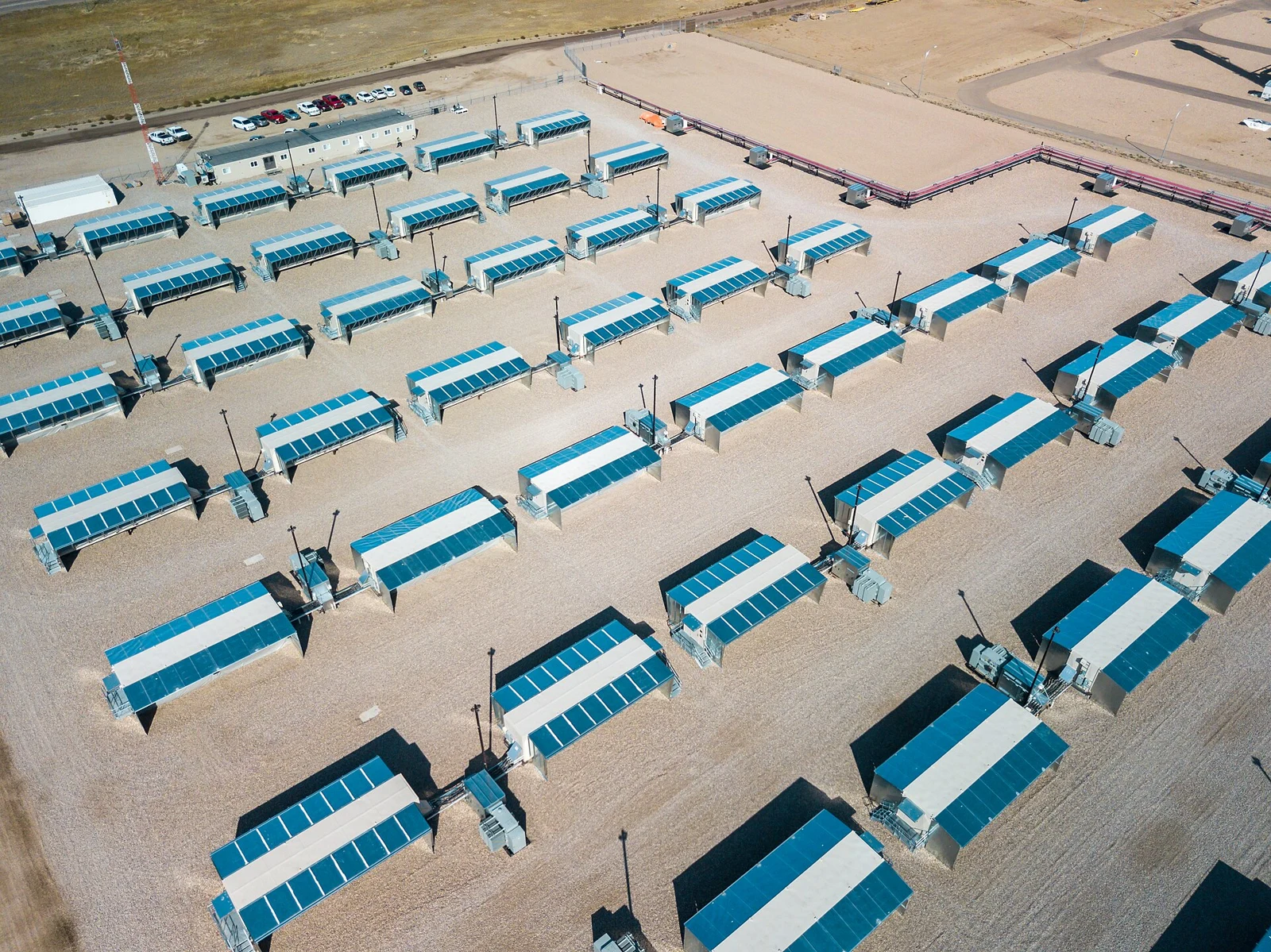
The initial asset package is expected to include the Montana data center, Bitcoin miners, mining equipment and the related operating infrastructure. The announcement does not provide a model-by-model miner list, active hashrate, fleet efficiency, site power draw or utilization rate for the proposed subsidiary. It also does not assign a transaction value to the assets. Those omissions prevent a reliable calculation of Patriot BTC's future production capacity or cost per bitcoin. A useful technical inventory would need installed and energized hashrate, machine generations, wall-meter demand, power price, curtailment terms, pool arrangement, maintenance history and the proportion of equipment held offline.
Why the Michigan strategy is separate
Hyperscale Data frames the plan as a way to separate the capital needs and management focus of Bitcoin mining from its Michigan AI data-center program. Although both businesses use power, land, transformers, cooling and network connectivity, their revenue models are different. A mining site converts hashrate into probabilistic block rewards through a pool or solo operation, while an AI facility usually sells contracted compute, powered space or services. Machine refresh cycles, customer concentration and financing risks also differ. Separate reporting could therefore make each activity easier to evaluate, but the announcement alone does not prove that costs, contracts and liabilities can be cleanly allocated.
No final transaction structure yet
Management said it is evaluating ways to position Patriot BTC within a publicly traded entity, but no specific structure or separation has been approved. The company explicitly cautions that there is no assurance a transaction will be completed. Board approval, securities and tax rules, exchange requirements, accounting treatment, financing and market conditions can all affect timing or make the contemplated arrangement impractical. Readers should distinguish management's stated intention from an enforceable closing. Terms such as spin-off, distribution, merger or listing should not be used unless a later filing identifies the chosen mechanism and the conditions required to complete it.
What separate reporting could reveal
If Patriot BTC eventually receives stand-alone financial reporting, miners could compare revenue, power expense, depreciation, hosting and maintenance without mixing them with AI infrastructure costs. The most valuable operational disclosures would be realized petahash per second, joules per terahash at the wall, average uptime, energy consumed, curtailment credits, bitcoins produced and sold, and the age profile of the fleet. A treasury balance should be shown separately from mining output because buying bitcoin and producing bitcoin create different cash flows. None of these figures is supplied in the September 22 release, so current profitability cannot be inferred from the proposed corporate boundary.
Implications for the Montana operation
Moving a physical data center into a subsidiary normally requires more than renaming an internal unit. Real estate interests, utility agreements, equipment titles, environmental permits, insurance, hosting commitments, staff and vendor contracts may need assignment or consent. Creditors may have security interests in equipment or restrictions on transfers. The release does not state which consents are required or whether all liabilities associated with the Montana operation would move with the assets. For a hosting customer, pool counterparty or equipment supplier, the practical question is who remains responsible under the existing contract until a formal notice or amendment says otherwise.
A checklist for mining-market readers
Watch for a board-approved transaction, formation documents, a definitive asset-transfer agreement and updated regulatory filings. Then compare the disclosed fleet hashrate with network difficulty and actual bitcoin production over the same dates. Check whether the power agreement is fixed, indexed or interruptible, and whether demand charges and auxiliary load are included in reported energy cost. Review debt, lease and related-party terms before treating a separated segment as independently financed. A distinct brand can improve visibility, but it does not by itself change machine efficiency, electricity cost, uptime or the volatility of Bitcoin-denominated revenue.
Keep a dated copy of the source release and later filings because proposal language can change. If assets move, compare the final schedule with the original list and note any miners, contracts or liabilities that remain outside Patriot BTC. A complete analysis should state what was transferred, when it became effective and which entity received the related revenue and costs.
What evidence should come next
The next meaningful evidence would be a filing that names the legal entity, transaction form, assets and liabilities, capitalization, approvals, expected closing conditions and reporting timetable. Operational readers should also look for a dated miner count, installed and operating hashrate, average efficiency and site capacity rather than a headline capacity figure alone. ASIC.tools will update the record when those documents appear. For now, the defensible conclusion is narrow: Hyperscale Data has proposed placing its Montana mining operation and equipment into Patriot BTC to distinguish mining from the Michigan AI strategy, while the structure and completion of any separation remain unresolved.
A later headline may describe the new unit as a spin-off even when the legal record still shows only a subsidiary proposal. Verify the exact verbs in each filing and the date on which control, ownership or reporting changes. Also distinguish nameplate site capacity from power actually available to miners: a building may have a large interconnection while only part of it is energized, or it may reserve power for other loads. For any production comparison, use the same start and end dates for hashrate, bitcoin output and electricity consumption. If the company discloses only installed machines, ask how many were hashing and how many were in transit, repair or storage. These checks reduce the risk of converting an organizational announcement into an unsupported forecast of revenue or valuation.
Source: Hyperscale Data / PR Newswire ↗
Mining calculator ↗