Gorilla signs a non-binding US data-center LOI with a path from 6 to 36 MW
Source report: 2026-10-09 · Editorial analysis published: 2026-10-12
Gorilla’s October 9 announcement concerns a proposed acquisition, not a completed deal. The unnamed operating site has about 6 MW of utility capacity; a further 30 MW has conditional utility support. Closing, expansion and the broader 100 MW goal remain future steps.
Analysis and practical implications
This section is our analysis and illustrative calculations, separate from the source report.
An operating facility is proposed for purchase, not already acquired
Gorilla Technology’s October 9 announcement describes a non-binding letter of intent for its first proposed data-center acquisition in the United States. The company targets closing by the end of November 2026, subject to further checks, approvals and final documents. The announcement therefore changes the project pipeline, not the list of acquisitions already completed. The facility is described as operating, but its operation and Gorilla’s ownership of it are separate claims.
For a mining-infrastructure reader, this distinction matters whenever an existing powered site attracts a new compute operator. A building may have working services and tenants while a change of owner is still being negotiated. A proposed buyer cannot be counted as the confirmed operator simply because the site exists. Our report retains the letter-of-intent status throughout instead of turning a target closing date into an accomplished transaction.
Current utility capacity and expansion potential have different dates
The issuer describes approximately 6 MW of current utility capacity and written utility support for roughly 30 MW of additional capacity, giving a path to 36 MW of total site power. The further delivery is indicated at about 18 months and remains conditional on utility and site works. This is not a statement that the site currently operates at 36 MW. Written support and available, energized infrastructure should remain separate stages in a capacity record.
Our arithmetic difference is 30 MW, and the proposed 36 MW total is six times the stated current 6 MW boundary. These comparisons describe the plan, not a completed growth rate. They also do not identify how much capacity is used, contracted or delivered to IT equipment. A project tracker should keep current utility capacity, approved or supported expansion, construction and commissioning in separate fields so a future path does not inflate the operating total.
Total site power is not the same as critical IT load
The source calls the potential figure total site power capacity. A data center must account for the demands that sit outside the compute hardware itself, and the headline does not disclose a confirmed critical-IT-load figure. It is therefore inappropriate to label all 36 MW as GPU power or convert it directly into a number of mining devices. The relevant boundary has to be established before a useful equipment or cooling scenario can be prepared.
For an operator evaluating a site, electrical delivery, distribution and auxiliary equipment should be documented alongside the compute plan. A capacity figure alone does not give a measured efficiency ratio for the building. The present release does not disclose current utilization or a complete operating-energy record. We leave those values unknown rather than invent a conversion from the utility headline into installed AI hardware, Bitcoin hashrate or guaranteed customer-service capacity.
Existing tenants and future AI customers are distinct
Gorilla describes current colocation and office operations and says it is reviewing the tenant base, rent roll and lease terms. It also discusses prospective customers for future AI compute and GPU capacity. An existing tenancy and a future compute agreement are different revenue arrangements. The source’s expectation that operations continue after an acquisition still depends on the lease and transfer checks; it does not establish every future customer contract as signed.
An infrastructure business model should keep existing occupied services, available space and proposed new workload separate. Removing that separation can count the same physical capacity twice or mistake expected demand for an operating customer. During diligence, lease duration, service obligations and the resources supporting them matter alongside the headline megawatts. This article does not publish an undisclosed rent figure, utilization percentage or revenue forecast for the unnamed facility.
A technical review is not a completed liquid-cooling conversion
The company says it is evaluating electrical, cooling and network architecture, including additional power distribution and direct liquid-cooling capability for later high-density GPU deployment. Evaluation does not show that every required upgrade is already installed. A working colocation building can have a different density and service pattern from the intended AI equipment. Its existing operation is relevant evidence, but not a qualification of every proposed future workload.
For a farm or data-center conversion, preserve the current configuration and the proposed one as separate records. The design needs to account for actual equipment interfaces, supporting facilities and service access. A future cooling capability is not automatically compatible with every hydro ASIC or AI rack. The release does not establish a specific approved miner installation, so our catalogue and firmware archive are not changed on the basis of this acquisition proposal.
Closing and power delivery are separate milestones
The November closing objective and the approximately 18-month utility timetable refer to different actions. Closing would concern ownership under definitive transaction terms; power expansion requires its own works and delivery conditions. Even a completed acquisition would not instantly energize the additional 30 MW. Keeping those milestones separate helps readers understand why an operating asset can have both immediate utility and substantial unfinished development work.
The issuer names technical, commercial, financial and legal diligence among the remaining workstreams. Internal approval, executed agreements and customary closing conditions also remain relevant. Our report does not supply an exact commissioning date by simply adding 18 months to the news date, because the source does not establish an unconditional start point for that calculation. A later announcement should identify which milestone has actually changed rather than repeat all potential capacity as newly operational.
The broader 100 MW ambition is a portfolio target
Gorilla also targets a US platform exceeding 100 MW over the next 12–18 months through acquisitions, expansion and customer-led deployments. This is a broader objective, not an additional 100 MW already operating at the proposed first site. The 36 MW potential belongs to one project boundary; the portfolio target can include several assets and stages. Adding the two headline numbers without checking their relationship would risk counting the same planned infrastructure twice.
For a tracker, each asset needs an identifier, ownership status, utility boundary and commissioning state before it is summed into a portfolio. An unnamed first site limits independent checks on location, permits and local delivery arrangements. The release also does not disclose the seller or purchase price. Those gaps should remain visible until the company provides supporting records; they cannot be filled by treating a corporate expansion ambition as an audited operating asset schedule.
What the announcement confirms and what comes next
The confirmed news is Gorilla’s statement of a non-binding proposed acquisition and its conditional expansion path. The operating site, current utility capacity and future development ambitions are reported with issuer attribution. The sixfold ratio is our numerical comparison of the plan. Ownership transfer, expanded energization, full AI configuration and future customer contracts remain to be demonstrated by later evidence. The company’s intended completion window is retained as a target, not a promise.
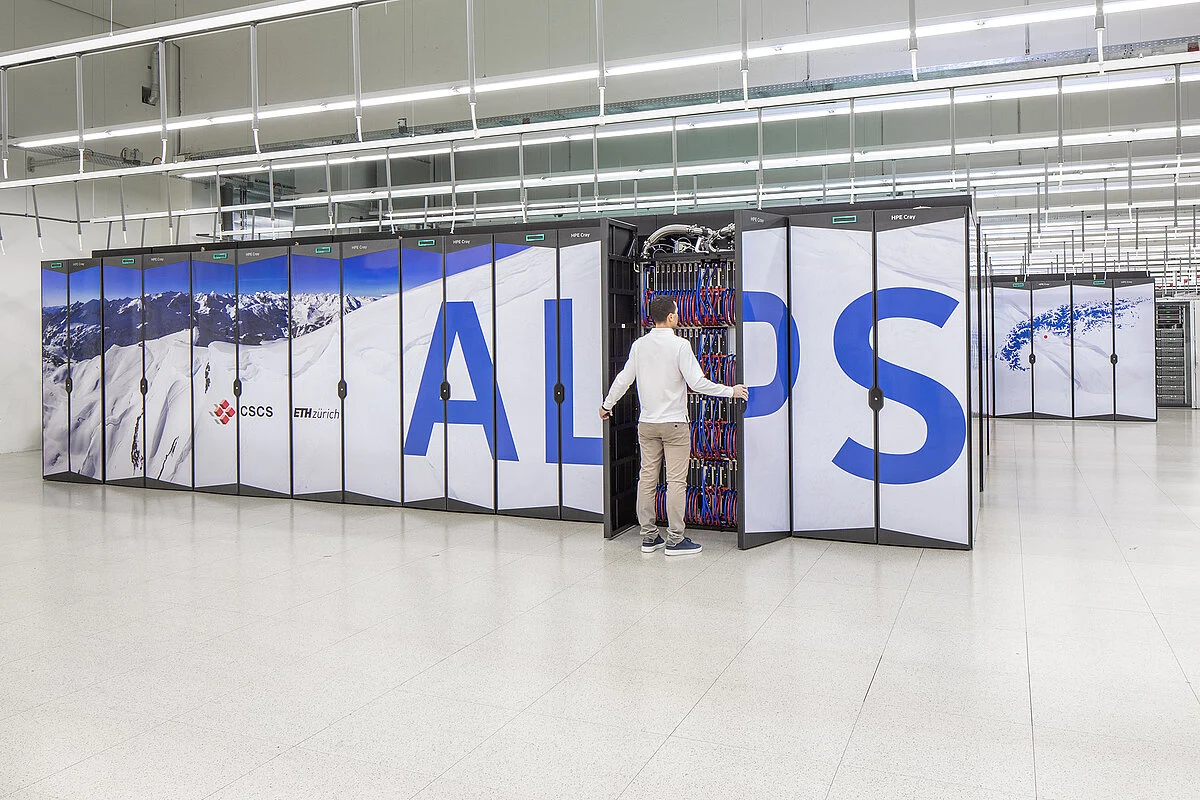
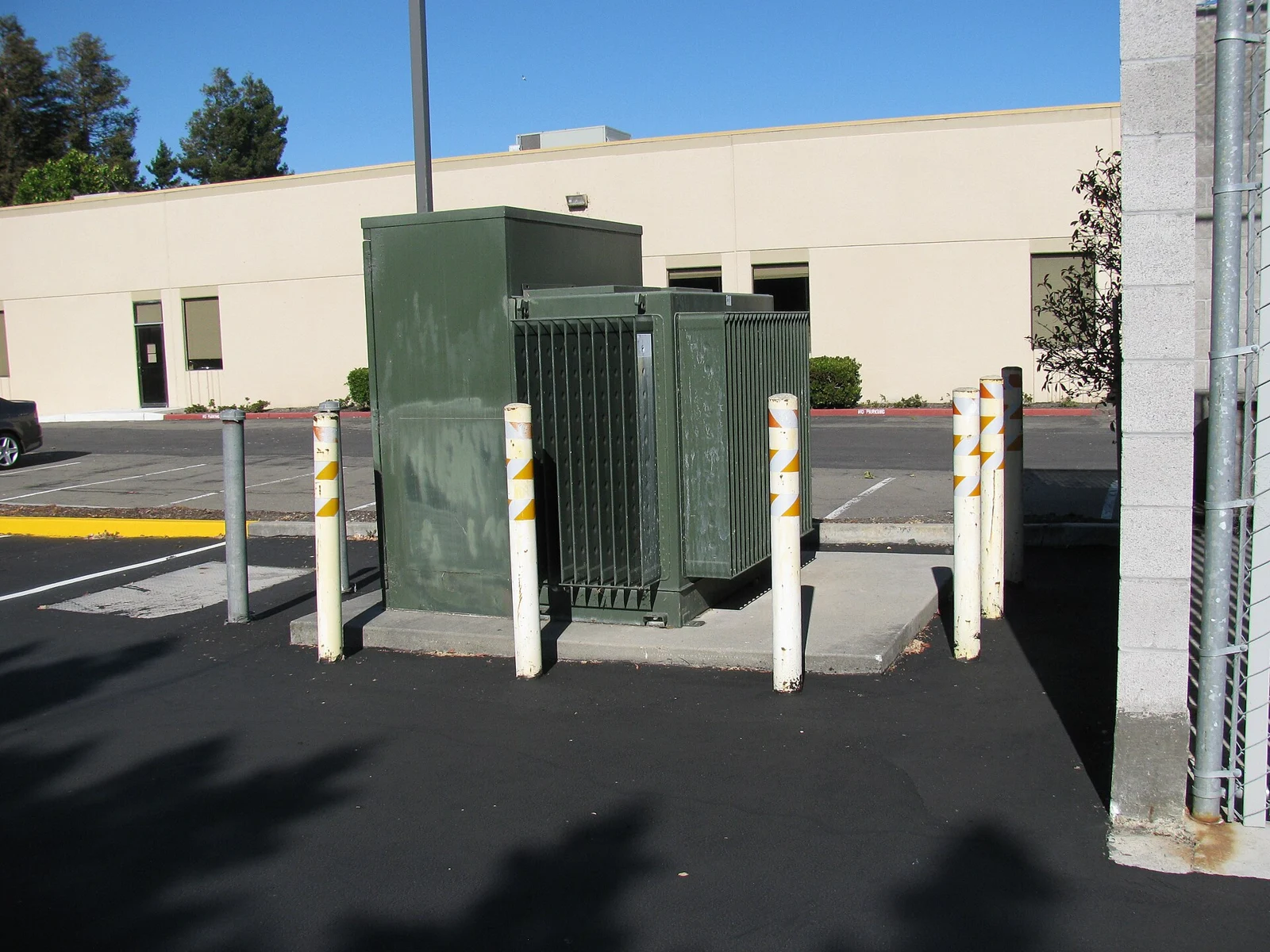
Two different licensed archival photographs illustrate data-center premises and electricity infrastructure. Neither identifies the undisclosed acquisition site or represents construction of its proposed expansion. The primary investor announcement remains the reference for the October 9 event, separate from our October 12 publication. A useful follow-up would document the final transaction, the named asset and utility milestones before updating the project from proposed capacity to completed operating infrastructure.
Source: Gorilla Technology ↗
Mining calculator ↗