Astera introduces Orion AI racks, targeting partner availability in Q1 2027
Source report: 2026-10-12 · Editorial analysis published: 2026-10-13
The October 12 reference architecture describes modular compute and a PCIe fabric for 8–160 GPUs per pod. Planned partner availability and performance claims remain distinct from verified deployments.
Analysis and practical implications
This section is our analysis and illustrative calculations, separate from the source report.
A new reference architecture with a future availability target
Astera Labs introduced Orion on October 12 as a modular rack-scale reference architecture for AI inference. The release describes a 320-lane PCIe switching fabric designed to scale from 8 to 160 GPUs per pod, and a family of designs covering rack, compute, fabric, memory and interconnection elements. The stated partner availability target begins in the first quarter of 2027; it is not a declaration that complete commercial racks are shipping to every customer today.
The company plans an OCP Global Summit demonstration in San Jose during the October 12–15 event. A powered demonstration is different from a customer production deployment with a completed acceptance record. For operators assessing AI infrastructure alongside mining sites, Orion is a connectivity and system-integration announcement. It is not a new SHA-256 miner, and no Bitcoin hash rate or mining revenue should be inferred from the advertised accelerator count.
Reference designs and complete systems are different products
Astera says complete racks and individual systems are to be manufactured, licensed and sold through OEM and ODM partners. The company’s own role is designing and validating the reference architecture and component subsystems. The difference matters because an architecture announcement does not establish a finished buyer-specific configuration, price, support contract or delivery date. The supplier for a particular system must be identified before these commercial questions can be answered.
A reference design can reduce repetitive integration work by defining compatible arrangements, but it does not eliminate the need to validate the final build. A buyer’s chosen processors, accelerators, memory, cables and software versions still form a specific system. Support for a design family should not be rewritten as unconditional compatibility with any future device. Acceptance should be based on the offered configuration and workload rather than the broadest interpretation of a marketing label.
What the GPU count and lane count mean
The range of 8–160 GPUs describes the proposed scale of a pod. The 320-lane figure describes a PCIe switch fabric, not a number of Bitcoin chips or a direct measure of useful application work. Neither number on its own establishes latency, tokens per second or a customer’s delivered throughput. Actual performance depends on endpoints, link configuration, communication patterns and the workload’s ability to use the connected resources.
It is also unsafe to assume that the upper accelerator count fits in a single ordinary rack or that every supported combination has identical power and cooling needs. A pod is a system boundary that can encompass interconnected elements. Facilities must assess the physical configuration being offered. Counts and interfaces are useful design descriptors, but they cannot replace a power budget, a cooling specification or a tested model of how the workload behaves at scale.
Compute choice does not remove software qualification
The company presents Orion as allowing operators to choose CPUs and accelerators according to cost, supply and intended workloads. That flexibility is an architectural goal. It does not mean an application can move among all accelerator types without changes. Drivers, runtimes, model support and scheduling remain part of delivering a working inference service, even when the underlying interconnect uses established standards.
The practical comparison should start with an application and an acceptable service target. A configuration that runs a model may still differ in response time, precision, memory capacity or operational tooling. Qualification should capture these limits and the software versions used. This analysis is a buyer’s evaluation framework, not a claim that Orion has passed every possible cross-platform test or that all compute choices produce the same economics.
Management and roadmap claims retain their scope
The release identifies COSMOS Rack Manager and COSMOS Fabric Manager for management, telemetry and diagnostics. It also describes a plan to extend the roadmap to additional interconnects, including UALink. The current announcement and the future roadmap should not be collapsed together. A planned interface extension is not proof of present interoperability, certification or an already available product with that feature.
Operators can assess management separately from raw connectivity. Useful questions include whether inventory is complete, how faults are recorded, what configuration changes are permitted and how a failed update is recovered. A working data path does not automatically prove a reliable control plane. Conversely, a central console showing devices does not prove that the intended application performs correctly across them. Both layers require evidence in the actual offered system.
Tokens per dollar require a defined workload
Astera positions the architecture around inference economics and the ability to extract useful tokens from available compute resources. The release does not provide a universal benchmark proving an identical saving for every model or a fixed return-on-investment period. We therefore do not assign an independent cost-per-token result to Orion. The claims are supplier expectations, distinct from measured outcomes in a particular buyer’s deployment.
A meaningful comparison would define the model, input and output lengths, response-time limits, precision, utilization and the complete cost boundary. Reporting only an accelerator purchase price or a peak token rate can obscure power, support and idle capacity. The most suitable configuration for one workload may not be the best for another. Consistent measurements make a flexible architecture assessable without assuming that greater device count automatically produces lower service cost.
Facility readiness remains a separate workstream
For a mining-site operator considering AI hosting, the first questions remain physical and commercial: usable power, cooling capacity, network service, equipment layout and the ability to satisfy a customer agreement. An open rack reference architecture can inform equipment procurement, but it does not confirm that an existing ASIC building meets those requirements. There is no direct conversion of a mining machine into one of the proposed Orion accelerator trays.
A staged plan can distinguish a laboratory demonstration, a qualified orderable configuration, hardware delivery and a commissioned production service. Each milestone resolves a different uncertainty. The first-quarter 2027 availability target belongs to that forward-looking sequence and should be checked with the actual OEM or ODM offer. It should not be entered as a guaranteed service date for a site that has not completed its own engineering and procurement.
What to watch after the announcement
The useful follow-up will be named partner offerings, documented supported combinations and application measurements with a stated test method. These can turn an architecture announcement into evidence about an available product and its operating limits. An exhibit can show important integration progress without proving that all future configurations have been deployed at customer scale. The distinction remains explicit in this report.
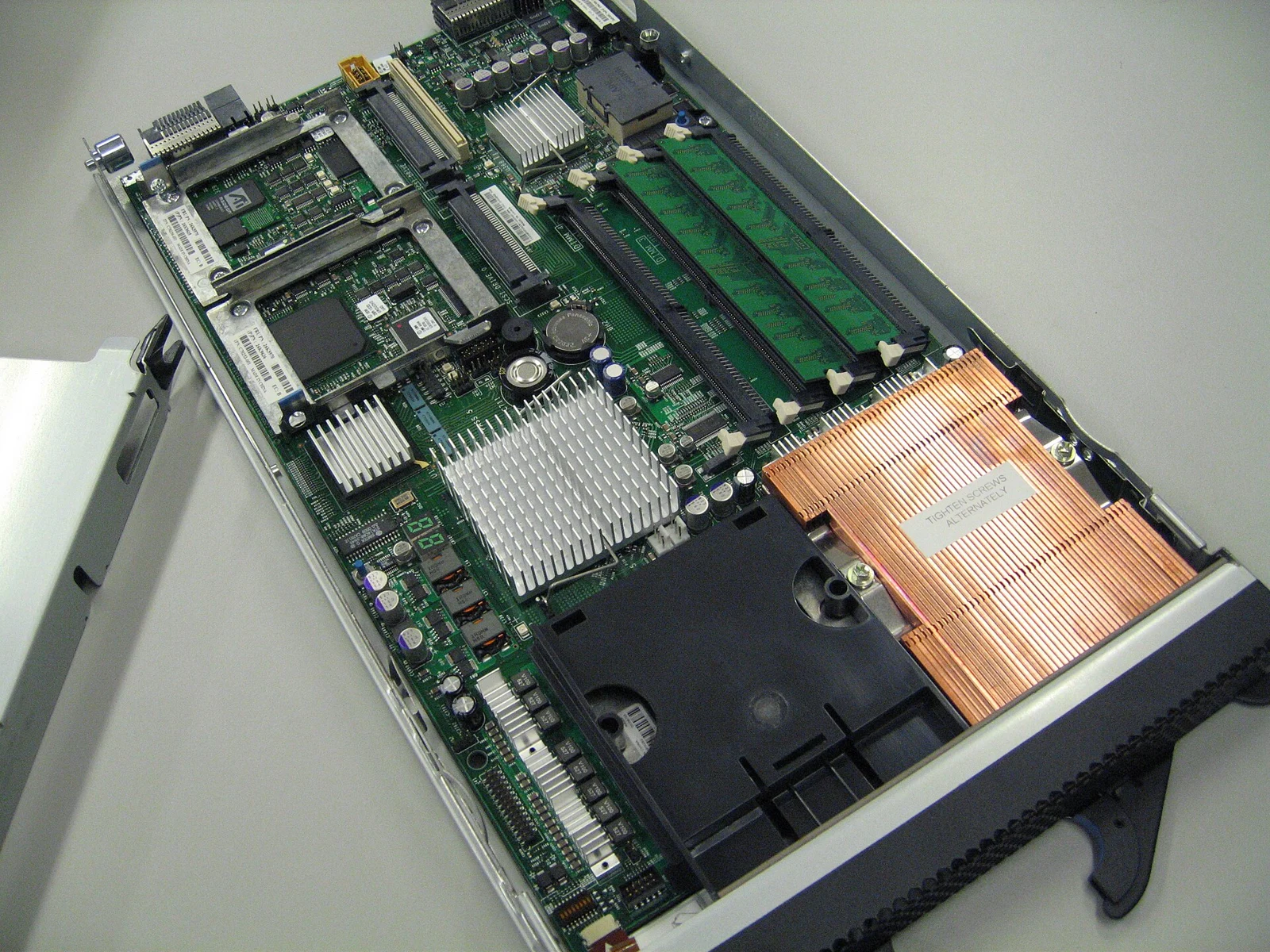
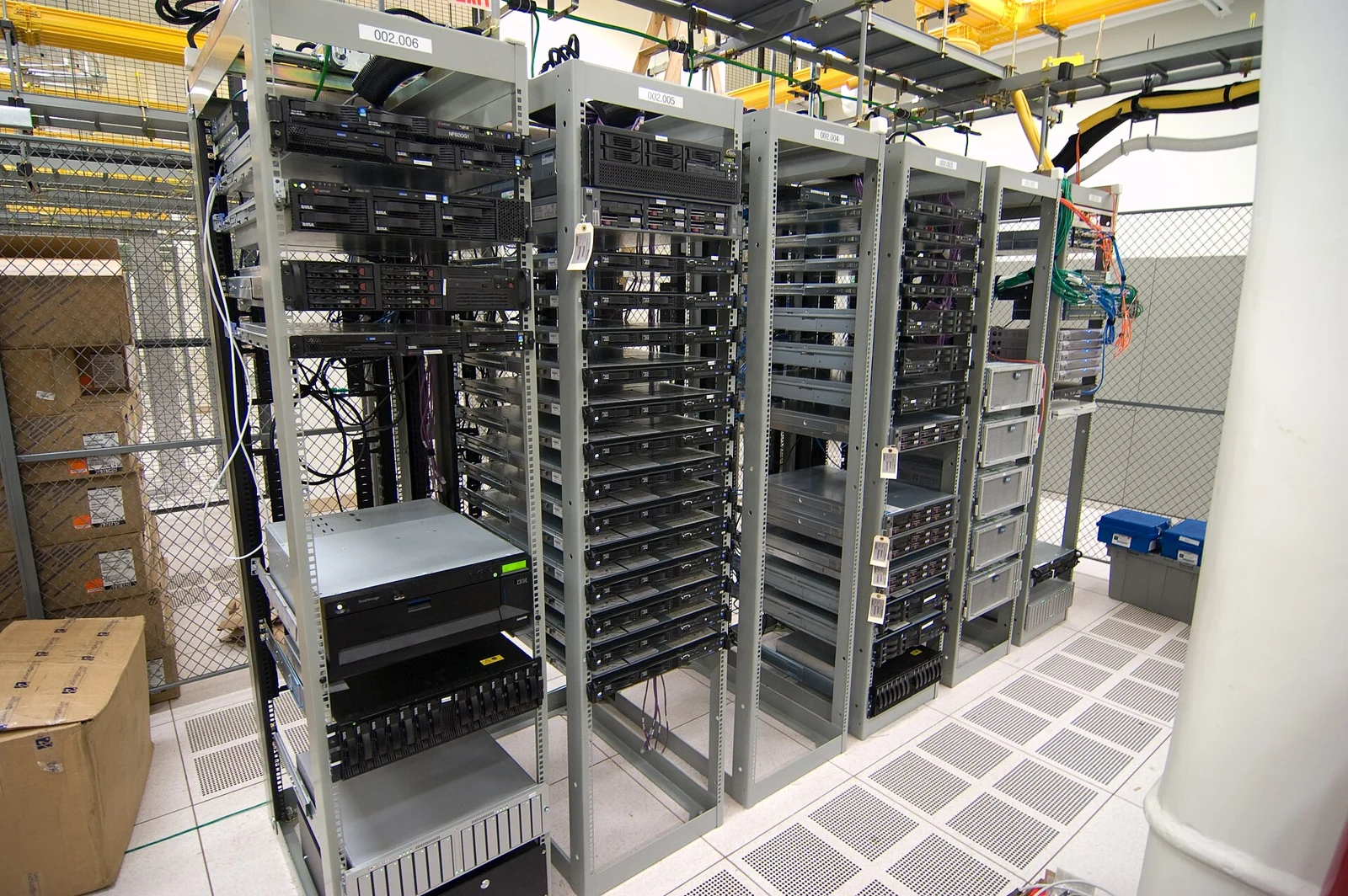
The two licensed archival photographs show server and computer hardware as industry context. They do not depict an Orion production rack or establish that the photographed equipment belongs to Astera Labs. The dated release supports the announced architecture, system roles and availability target; the procurement and workload analysis is ASIC.tools commentary. No new mining model, firmware image or measured electricity saving is added to the ASIC catalogue from this AI reference-design announcement.
Source: Astera Labs / GlobeNewswire ↗
Mining calculator ↗