HiTHIUM reports 200 GWh in cumulative storage shipments
Source report: 2026-10-15 · Editorial analysis published: 2026-10-19
The October 15 milestone in Chongqing tracks equipment shipped since late 2021. It does not measure annual factory capacity, connected storage or electricity generated.
Analysis and practical implications
This section is our analysis and illustrative calculations, separate from the source report.
A shipment milestone in Chongqing
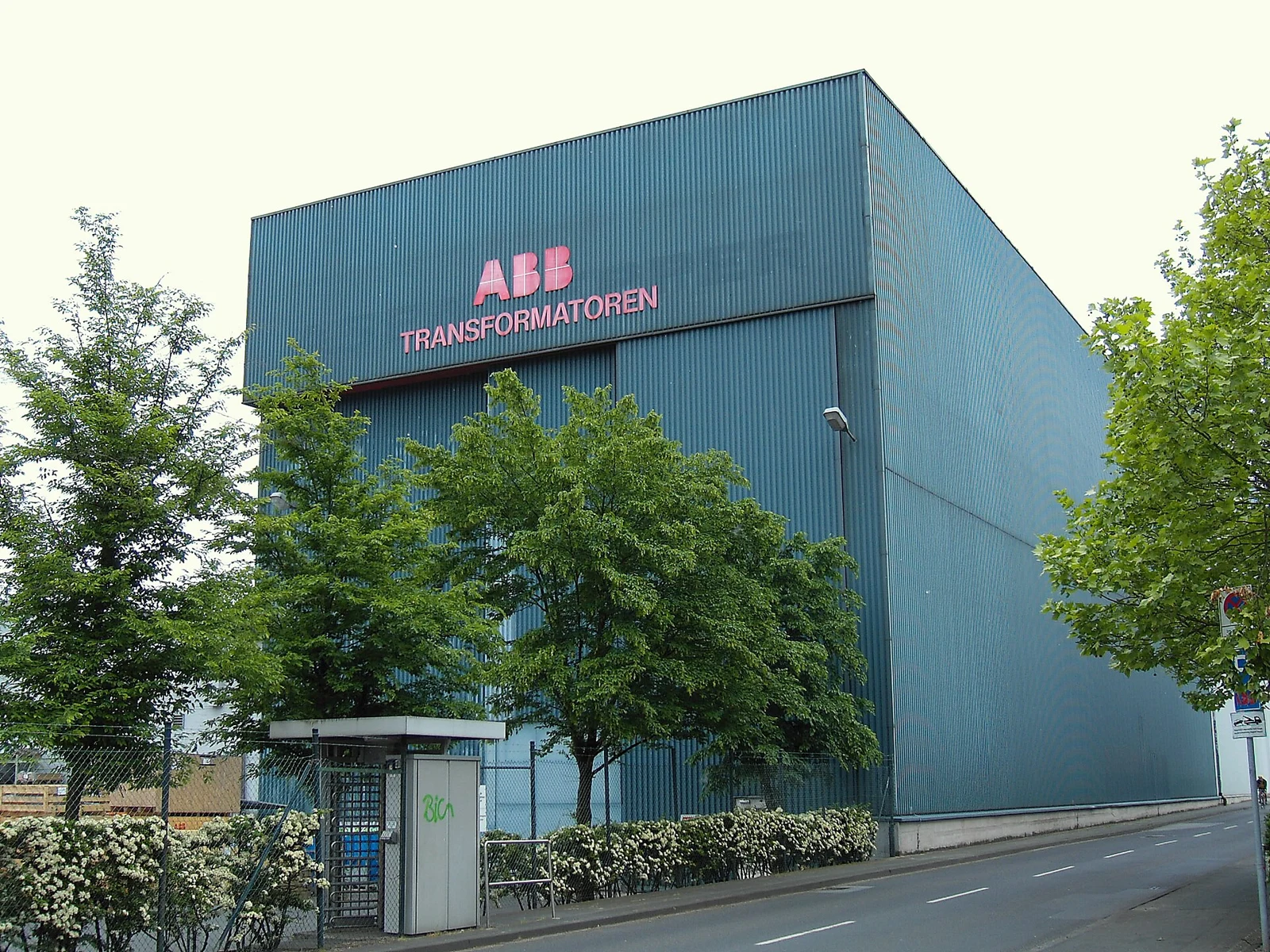
HiTHIUM reported a 200 GWh cumulative shipment milestone at its Chongqing manufacturing base on October 15. Its own announcement dates the start of shipments to late 2021 and the earlier 100 GWh threshold to August 2025. The new report concerns the supplier's delivery history, rather than one newly commissioned storage park.
The roughly fourteen months between the two thresholds show the speed at which the reported cumulative total changed. They do not establish a constant monthly run rate. The dates are rounded milestones, and the announcement does not supply a month-by-month shipment series from which seasonality or a current production rate could be calculated.
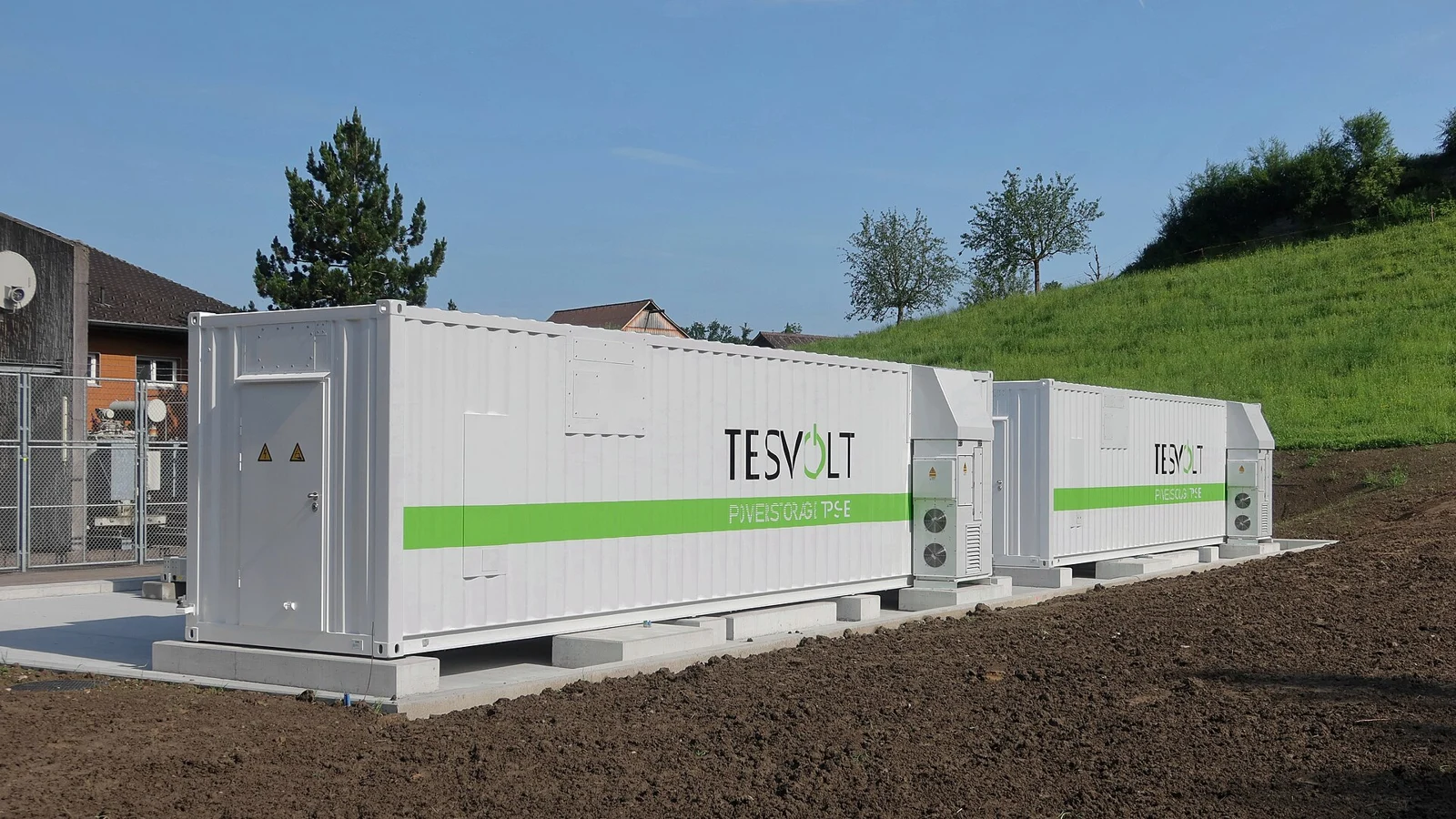
Energy inventory is different from power
GWh describes an amount of energy. GW describes power, or the rate of energy transfer. A shipment figure expressed in GWh therefore cannot be relabelled as generating capacity, a site's grid connection or the maximum discharge power of all delivered systems.
For illustration, an idealized 100 MWh usable battery supplying a constant 25 MW would last four hours before losses and operating constraints. That calculation explains the units; it is not a specification for a HiTHIUM product. The cumulative 200 GWh figure gives no common inverter rating or duration for every shipped unit.
Shipped does not mean operating
Equipment may pass through cell delivery, module assembly, system integration, transport, installation and commissioning before a customer can dispatch it. A cumulative shipment total alone does not identify how much capacity has completed those stages, remains in inventory or has been retired.
The manufacturer discusses capabilities from cells to grid-connected systems but does not publish a project-by-project reconciliation in this release. Readers should not add cell shipments to systems incorporating the same cells as if they were independent energy assets. Nor can the headline establish 200 GWh simultaneously available to grid operators.
Long-duration strategy and cell units
HiTHIUM says it will continue developing long-duration storage and expanding an integrated solution using kAh-class cells. Ampere-hours describe electrical charge; their conversion to watt-hours requires the relevant voltage. A large Ah number by itself does not establish system energy, discharge duration or delivered AC energy.
For a real installation, operators also need discharge power, usable state-of-charge limits, temperature conditions and conversion losses. The announcement does not provide one universal set of those values for the cumulative fleet. Long-duration strategy is therefore a product-development direction, not proof that every historical shipment supports the same number of hours. For a deliberately hypothetical cell at 3.2 V and 1,000 Ah, nominal energy would be 3,200 Wh, or 3.2 kWh. One hundred such cells contain 320 kWh nominally before system restrictions, not 320 MWh. This is not a HiTHIUM cell rating. Electrical arrangement changes voltage and current, while usable system energy still requires the actual configuration and operating window; a cell charge rating alone cannot supply those missing conditions.
Manufacturing and global delivery
The company links the milestone to its Chongqing production base, Xiamen headquarters and localization overseas. It describes closer coordination among engineering, manufacturing, suppliers and delivery teams. That organization is relevant to the ability to supply projects, but is distinct from a disclosed annual nameplate production capacity.
HiTHIUM also cites its movement up industry shipment rankings. Those positions remain the manufacturer's statements in this report. They are not an independent ASIC.tools ranking of safety, cost or field reliability, and ranking by shipment volume would not by itself settle those separate engineering questions.
What storage can change for computing
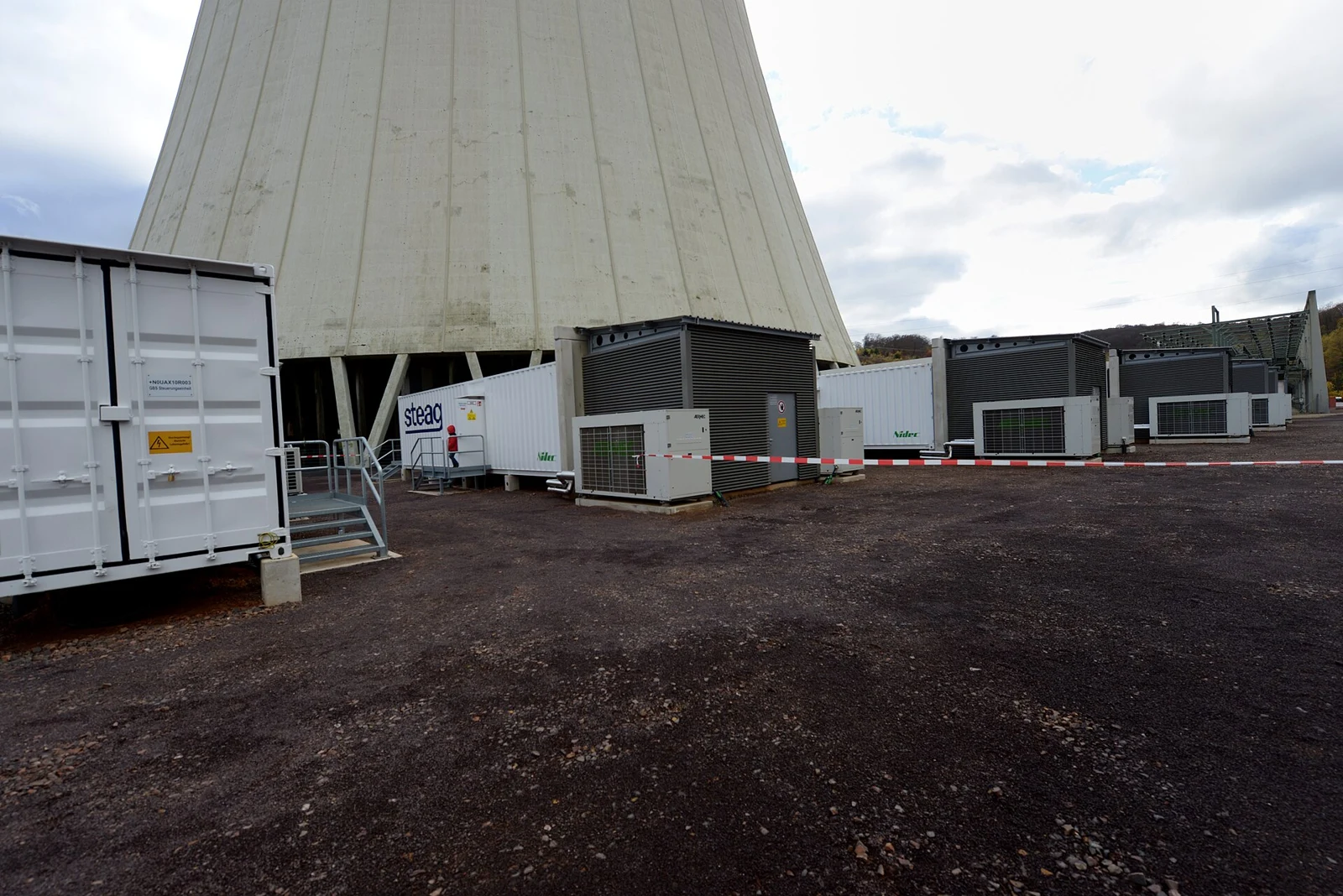
For a mining farm or data center, storage can shift when electricity is purchased or provide support during defined interruptions. It does not create net energy. Charging, conversion losses and auxiliary consumption must remain in the calculation alongside whatever discharge service the site intends to obtain.
A hypothetical battery delivering 100 MWh at 90% round-trip efficiency needs approximately 111.11 MWh of charging input under that simplified boundary. This is editorial arithmetic, not a HiTHIUM efficiency claim. Whether shifting energy saves money depends on actual tariffs, cycling costs and restrictions rather than shipment growth alone.
Procurement needs project evidence
A supplier milestone can inform market research, but a site still needs a bill of materials, delivery schedule, acceptance tests and a defined warranty. Cell or container capacity should be matched to power-conversion equipment, cooling, controls and the electrical connection, rather than compared through the headline GWh figure alone.
The release does not quote a project price, an installed cost per kWh, a mining customer's allocation or a guaranteed outage duration. It also does not change an ASIC's hashrate or watts. Those device specifications and the site's storage design belong to different parts of a profitability scenario.
The next milestones are operational
Future disclosures of commissioned projects, usable capacity, measured availability and actual delivery schedules would help connect shipment scale to services in the field. The company's stated ambition to pursue another 100 GWh is a forward direction, not a completed delivery or a dated binding customer order.
The confirmed news is a supplier-reported cumulative milestone and a continuing focus on long-duration storage. Its relevance is the growing equipment supply chain behind flexible electrical infrastructure. It should be read with its October 15 event date and with the limits of the shipment metric intact.
Source: HiTHIUM ↗
Mining calculator ↗