ERCOT asks 25 MW data-center projects for power, water and community data
Source report: 2026-09-18 · Editorial analysis published: 2026-09-20
The September 18 RFI covers interconnection-stage projects and asks about grid dependence, onsite generation, cooling, water, incentives and ownership. Mining-to-AI conversions should prepare auditable answers.
Analysis and practical implications
This section is our analysis and illustrative calculations, separate from the source report.
Who must respond
ERCOT says its Request for Information applies to developers of data centers of 25 MW or more that are pursuing interconnection to the ERCOT system. The questions were developed with the Public Utility Commission of Texas and the Texas Water Development Board. ERCOT set an October 12, 2026 response deadline and plans to analyze the information with PUCT for a report due on or before December 10. The RFI is an information-gathering process, not approval of a project and not evidence that every submitted interconnection request will be built.
What ERCOT is asking
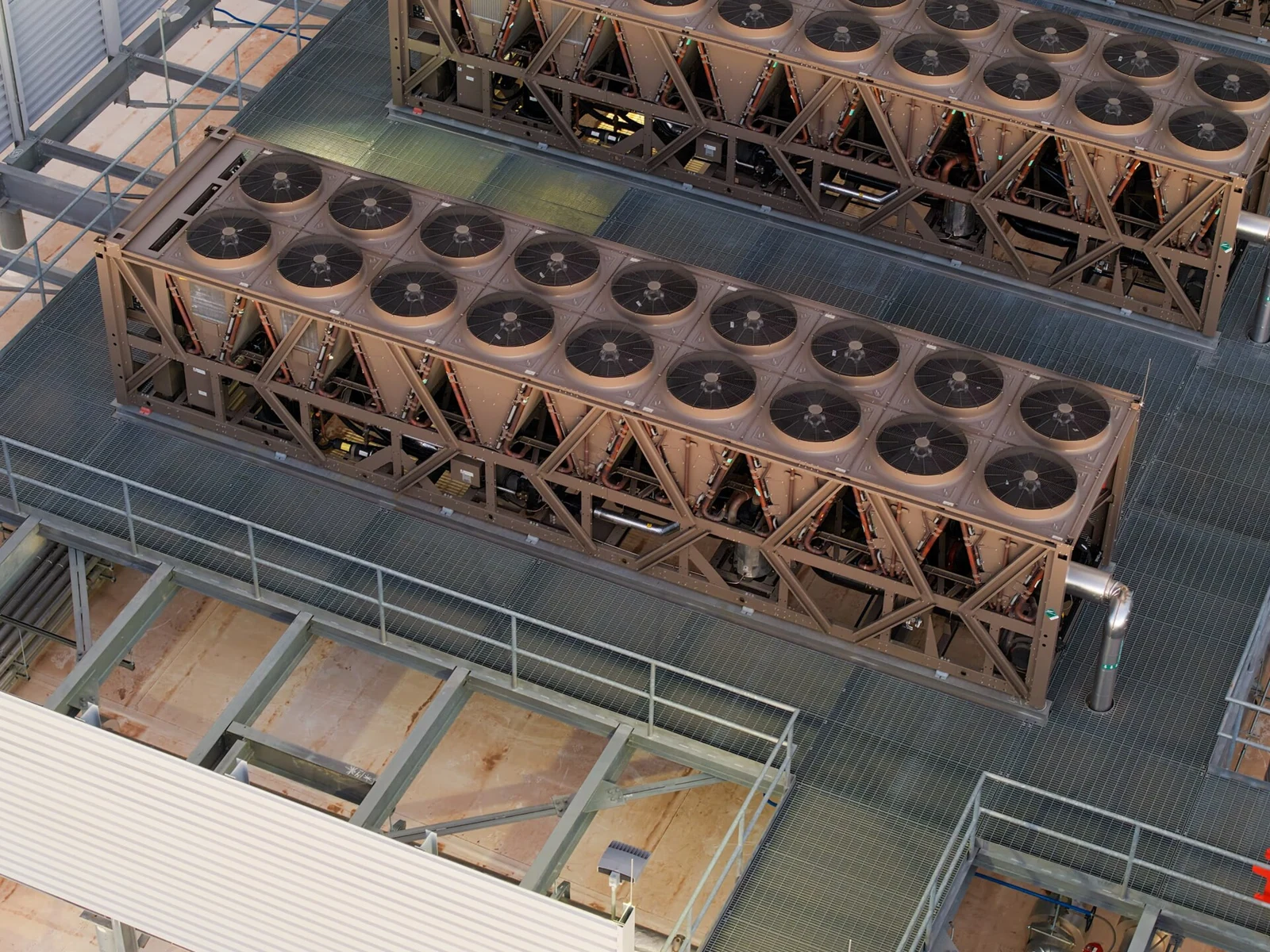
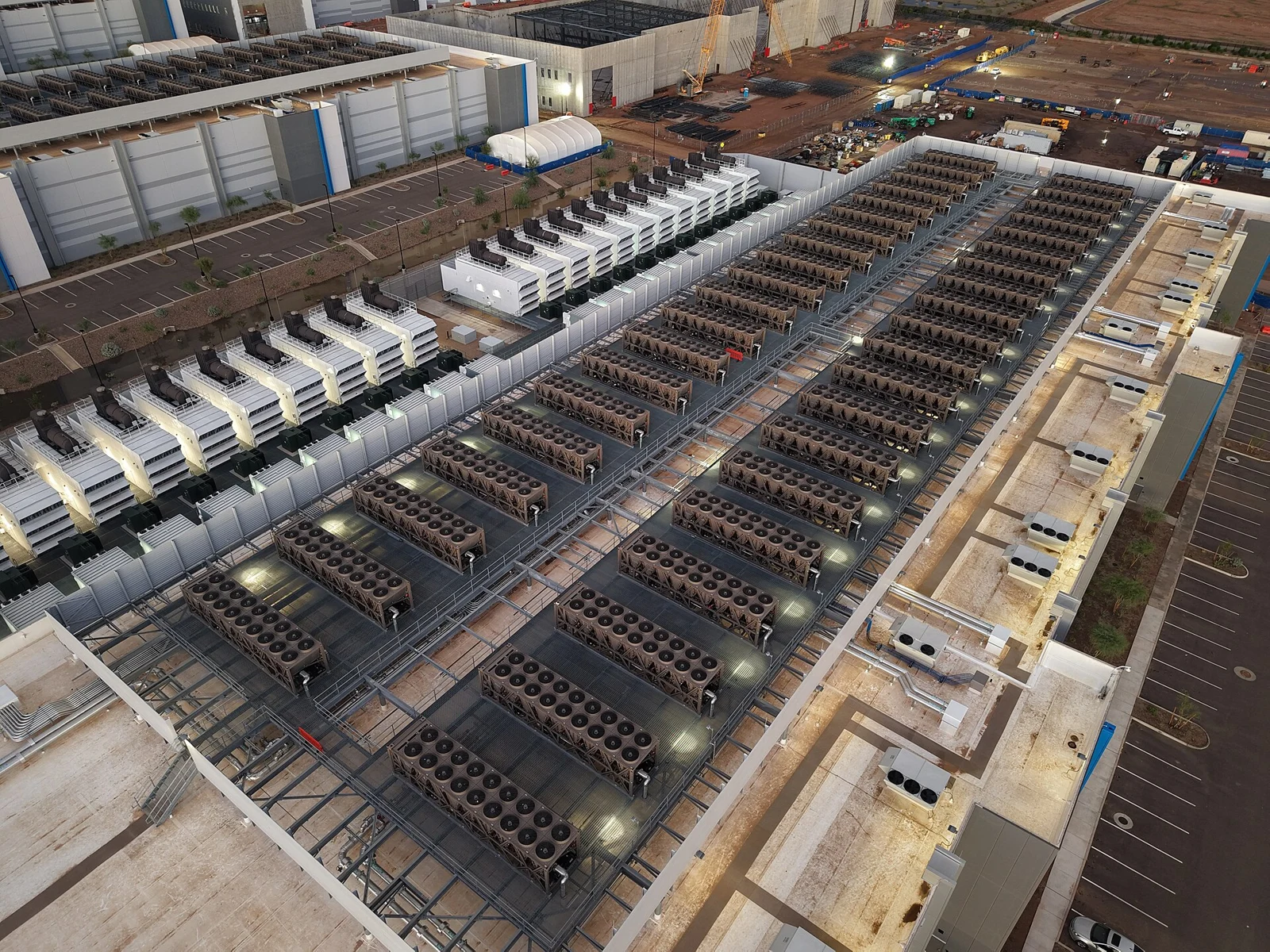
The published scope includes public financial assistance and tax benefits, dependence on grid power, onsite generation, water sources and consumption, cooling technology, noise, light and traffic impacts, and ownership or controlling interests. Those fields connect engineering, finance and community impact in one record. A developer should not answer from a marketing deck alone. Name the meter boundary, operating mode, cooling architecture, expected load profile, backup or self-supply configuration and the entity that controls dispatch, then preserve the assumptions and source documents behind each number.
Why mining conversions are in scope
Many Bitcoin mining sites advertise a path toward AI or high-performance computing. A conversion can change the load from interruptible ASIC hashing to workloads with stricter availability, networking and cooling requirements. It can also add water use where an air-cooled mine used little process water, or preserve dry cooling at a higher capital cost. The RFI does not classify all mines as data centers and does not say a mining-to-AI plan is approved. A project that fits the 25 MW and interconnection criteria should determine its filing duty from ERCOT instructions and counsel.
Build an auditable power profile
State separately the requested maximum demand, expected average demand, ramp rate, minimum stable load and portion that can be curtailed. Distinguish grid imports from onsite generation and islanded operation. For phased construction, tie each MW figure to a phase and target date instead of presenting the final campus number as live load. Support estimates with one-line diagrams, equipment schedules, utility correspondence and interval data from any existing mine. A claim that a site is flexible should include control latency, notice requirement, recovery time and the workload that remains energized.
Water and cooling need units
Report withdrawal and consumption separately: water withdrawn can be returned, while consumed water is not immediately available to the source. Identify municipal, groundwater, surface-water and reclaimed-water shares, seasonal peaks, blowdown treatment and drought assumptions. Cooling technology labels are insufficient without load and climate conditions. Express water-use intensity with a defined denominator, such as liters per kWh of IT energy, and state whether the figure covers only cooling or the whole facility. For hybrid systems, document when the wet stage operates and how that changes annual demand.
Do not merge mining and AI metrics
ASIC hashrate, GPU utilization and contracted IT capacity describe different services. A 100 MW mining connection does not prove that 100 MW can immediately host AI servers; substations, redundancy, buildings, network routes and heat rejection may all differ. Likewise, a public pipeline is not energized capacity. Keep current mining load, approved interconnection, capacity under study, construction-ready power and target AI IT load in separate fields. This makes the RFI answer internally consistent and prevents the same megawatt from being counted in several stages.
Community evidence matters
Noise, light and traffic should be measured against the actual design and nearby receptors. For an operating mine, use boundary sound readings, complaint logs, truck counts and lighting plans. For a proposed conversion, update fan, chiller, generator and construction assumptions rather than recycling historic ASIC data. Public incentives need the instrument, approving body, amount or method, conditions and clawback terms. Ownership disclosure should match project companies, power contracts and the party controlling the load. Clear records reduce later disputes even when the RFI itself does not decide a permit.
What to watch next
Watch for ERCOT clarifications before October 12, the final question set, any confidentiality instructions and the report promised by December 10. Compare the report’s definitions before using totals in market analysis; requested load, qualified load and operating load are not interchangeable. For ASIC.tools readers, the main signal is that large-load claims are moving toward more structured evidence about water, power, control and local impact. That improves due diligence, but it does not by itself predict which Texas projects will connect or when.
Source: ERCOT ↗
Mining calculator ↗