Wärtsilä books 282 MW onsite power order for a U.S. data center
Source report: 2026-10-05 · Editorial analysis published: 2026-10-08
The October 5 announcement covers fifteen 50SG engines, with deliveries planned for 2028 and full operation expected in 2029. Capacity sold is distinct from generation already available to computing operators.
Analysis and practical implications
This section is our analysis and illustrative calculations, separate from the source report.
A new order with a future delivery schedule
Wärtsilä announced on October 5 a 282 MW onsite power order from an unnamed U.S. independent power producer for a U.S. data center. The package comprises fifteen 50SG engines; it was booked in the third quarter of 2026. Deliveries are planned for 2028, with full operation expected in 2029. This is a newly contracted project with future milestones, not electricity already feeding racks today. The customer’s identity and precise site are not disclosed in the announcement.
The distinction is relevant to miners assessing competition for reliable electricity and possible reuse of computing sites. A large power-equipment order is evidence of procurement activity, but it cannot establish immediate availability at a particular connection point. Our analysis keeps order booking, delivery, installation, commissioning and load energization as separate steps. A scheduled operational year also remains a forecast until the project has completed its required construction and acceptance work.
Nameplate megawatts are not usable IT megawatts
The 282 MW rating describes the announced power solution. It is not a published IT load, an ASIC fleet hash rate or a guaranteed continuous output under every operating condition. The release does not give a facility-level allocation between computing and supporting equipment. Dividing the announced capacity by an assumed miner’s watts would therefore produce only an illustrative upper-bound equipment count, not the actual customer’s deployment plan or the number of machines that could safely run on this site.
An operator needs an electrical balance that includes auxiliaries, cooling, conversion losses, reserve requirements and any applicable derating. The relevant boundary may be generator terminals, the distribution bus or power entering the computing equipment. Comparing two projects at different boundaries can overstate one site’s available capacity. Our interpretation is to retain the vendor’s rating for the order while leaving usable IT capacity unspecified until an installation-level design or operating disclosure supplies it.
Fifteen engines require a system-level reliability plan
The equipment count identifies a multi-engine arrangement, but it does not disclose the complete redundancy philosophy. Our independent illustration is an installation with ten equal generators, all ten required at peak load: one machine out for planned service leaves only nine-tenths of that installed output before other limits are considered. The same count with a lower required load could have a different maintenance margin. This example is not Wärtsilä’s project design and supplies no promised availability value.
For mining infrastructure, the useful questions concern the load supportable during maintenance, starting behavior, common fuel dependencies and the distribution equipment connecting generation to the racks. Multiple machines can share a failure point even when each engine is independently serviceable. A procurement review should therefore ask how the complete installation behaves during a fault or maintenance event, rather than deriving a resilience claim from the number fifteen alone.
The schedule leaves a substantial development interval
The announcement separates equipment delivery in 2028 from the expectation of full operation in 2029. Our reading is that these milestones should remain distinct in project comparisons. A shipment is not a completed installation, and a completed installation is not automatically a fully commissioned power plant. The release does not publish a quarter-by-quarter construction schedule, so we do not assign exact rack energization dates or claim that the computing campus will be operating throughout 2028.
An operator considering a related hosting or equipment commitment should match its own installation calendar to verified power milestones. Paying for hardware before a site can support it creates an idle-capital interval even if the hardware arrives on time. A useful project record separates procurement commitments from tested power availability and identifies the evidence required at each handover. This applies to both ASIC farms and AI campuses without assuming that their commercial contracts or electrical requirements are identical.
Sold capacity measures business activity rather than current supply
Wärtsilä describes this as its seventh U.S. data-center-related order and says cumulative power capacity sold for such applications exceeds 3 GW. That wording refers to sales, not a statement that all of the capacity is already operating. The new order should also not be confused with a separate, earlier 282 MW U.S. order: matching megawatt figures alone do not establish that two announcements concern the same location, customer or procurement event.
For readers following infrastructure growth, maintain separate totals for announced projects, contracted equipment and commissioned capacity. Summing a previous announcement and its later commissioning update as two new projects can double-count development. Our analysis treats this October 5 order as its own event and preserves the supplier’s sales terminology. It does not turn an equipment pipeline into a real-time measure of electricity competing with miners in a particular regional market.
Onsite generation changes dependencies instead of eliminating them
The supplier frames the order around limited grid availability and lengthy connection timelines. Our interpretation is that onsite generation can change how a computing project secures power, but the announcement alone does not establish every fuel, permitting or interconnection arrangement. It does not supply a retail tariff, a project-level electricity cost or an independently verified emissions rate. Those unknowns prevent a reliable comparison with a specific mining tariff purely from the press-release headline.
A farm reviewing onsite supply would examine fuel delivery, backup arrangements, equipment service, environmental conditions and responsibility for outages. Electricity that avoids one grid constraint can still depend on another piece of infrastructure. Compare the complete delivered cost and operating conditions rather than assuming that self-generation is always cheaper or more resilient. This is our evaluation framework, not an allegation that the unnamed customer has failed to resolve those dependencies.
Cooling and fuel claims need their stated boundaries
Wärtsilä describes closed-loop engine cooling and future fuel-conversion capability in its announcement. These are attributed equipment characteristics; the release does not provide enough figures to calculate whole-campus water savings or a fully decarbonized operating footprint. Engine cooling and the removal of heat from computing racks are different systems. A statement about one cannot substitute for the other’s water balance, thermal design or maintenance requirements.
For procurement, obtain the operating conditions behind cooling consumption and the technical requirements behind any future conversion claim. Check which equipment, control changes and fuel-supply arrangements would be needed, and whether the current installation has reserved the necessary interfaces. Our interpretation is that future capability belongs in a documented options review. It should not be counted as an accomplished conversion or used to erase the impacts of the fuels intended for initial operation.
What to watch before calling this available capacity
The immediate confirmed development is a booked 282 MW order, with equipment and operating milestones still ahead. For computing operators, the useful follow-up evidence will be deliveries, construction progress, acceptance tests and the amount of load actually supported. Our coverage retains the October 5 primary publication date even though other outlets republished it on October 8. It does not label the later republication as a second order or a new contractual event.
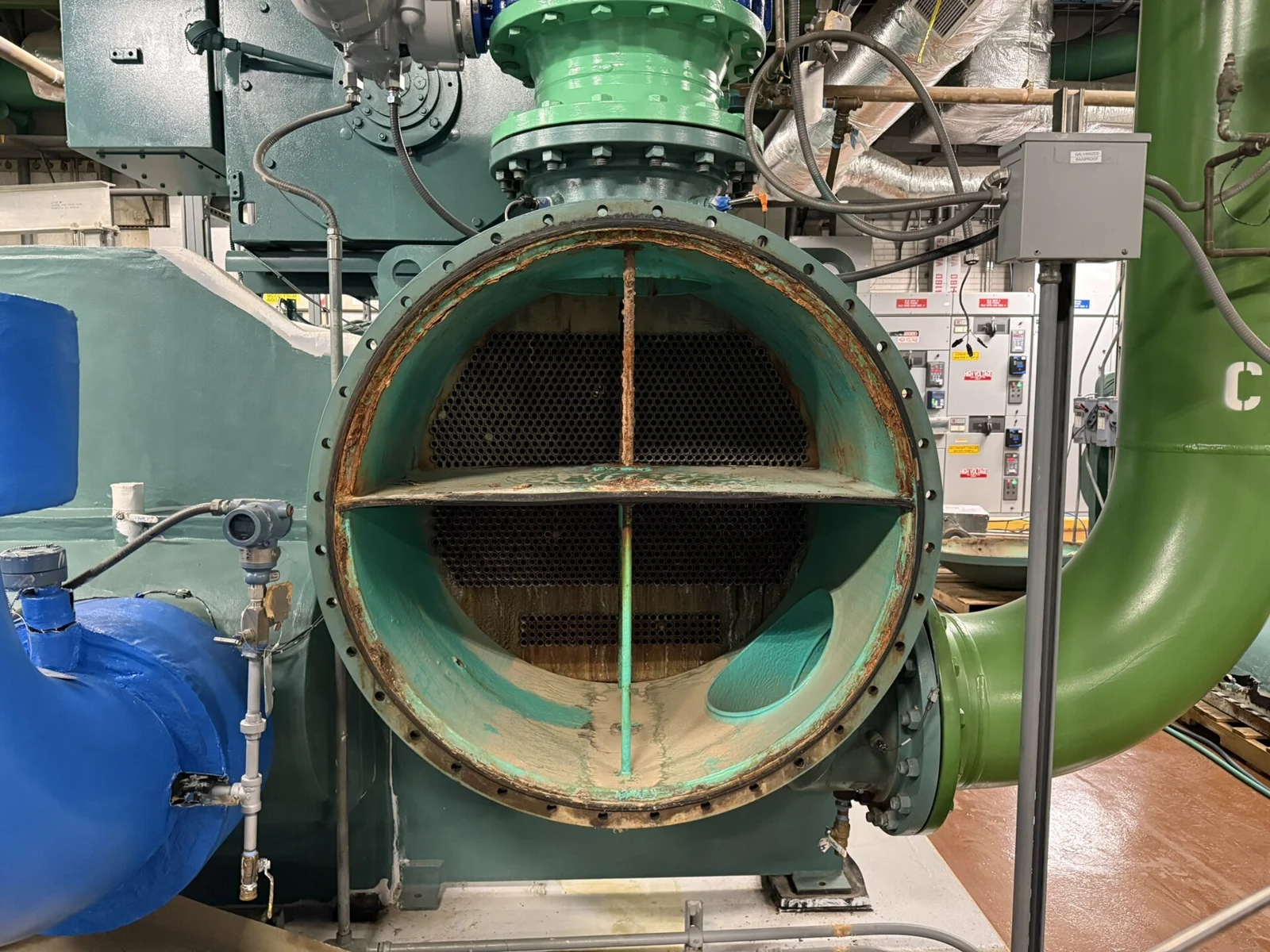
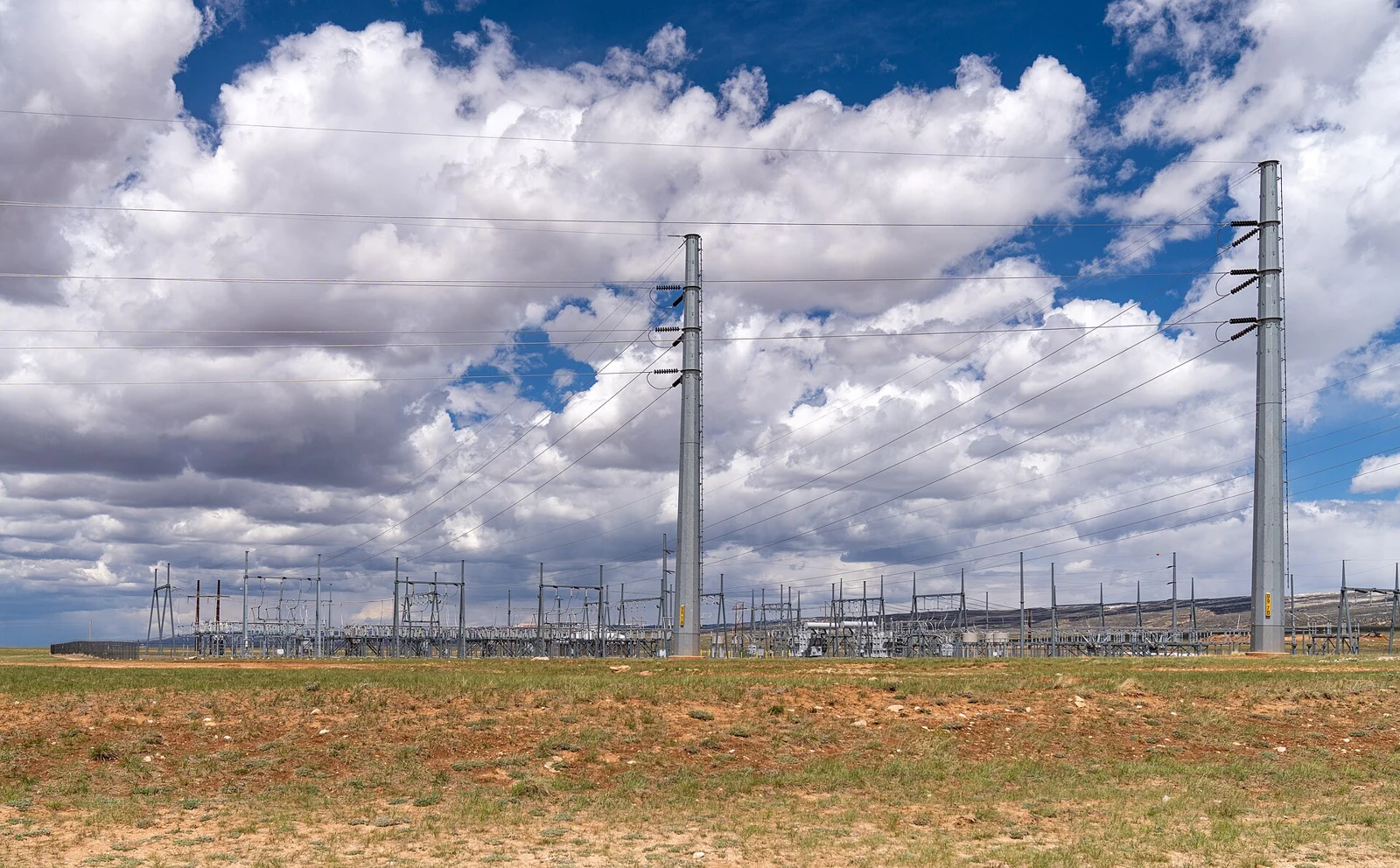
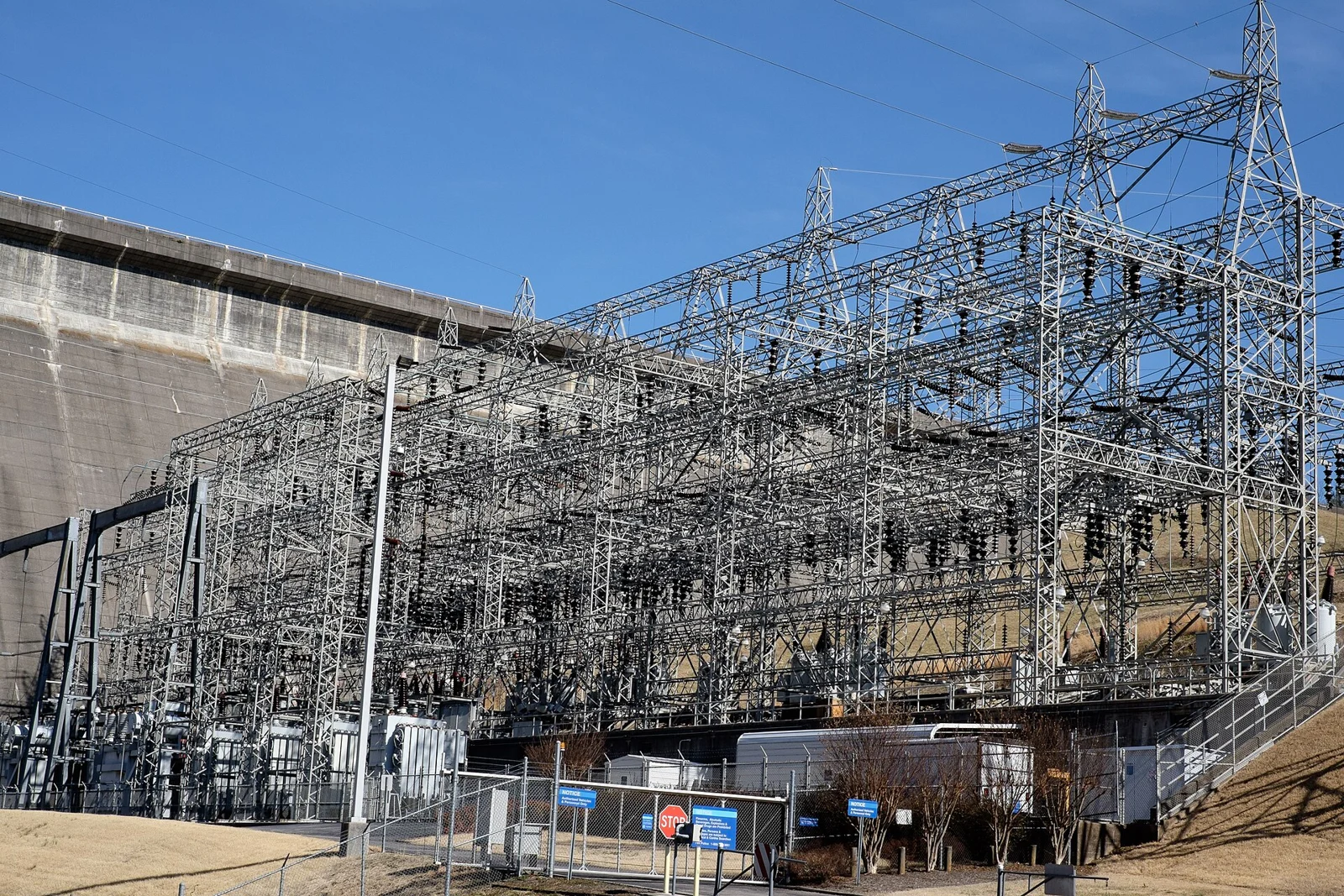
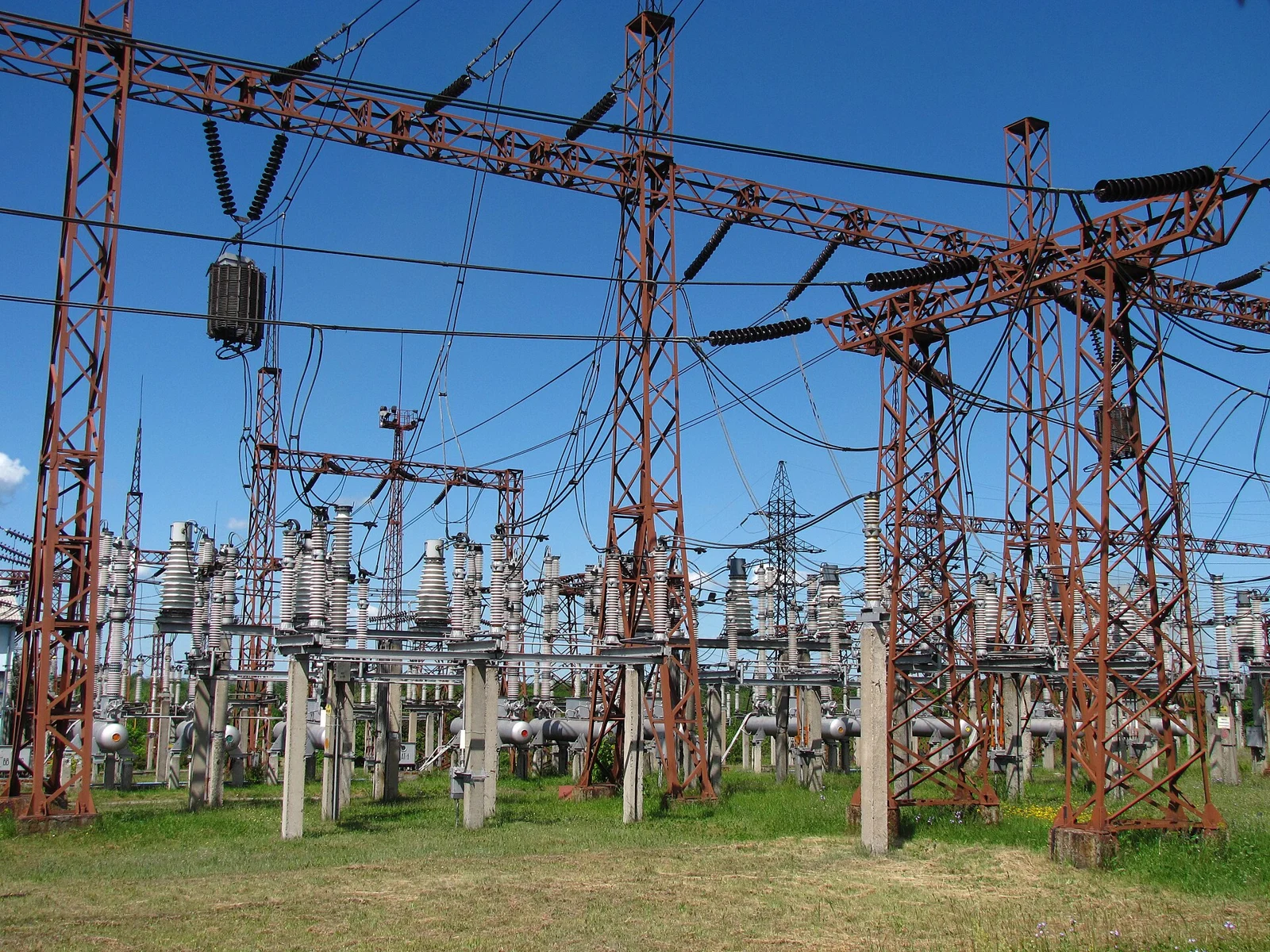
This story belongs alongside power availability and cooling in a mining investment review, but it does not revise any ASIC model’s hash rate, consumption or profitability. Use the calculator with your site’s tariff and measured operating assumptions. The data-center illustration comes from Wärtsilä’s press release, which permits its use in coverage of that release; the second photograph shows archival distribution equipment. Neither establishes that the unnamed future U.S. campus is complete.
Source: Wärtsilä ↗
Mining calculator ↗