DOE selects 21 geothermal projects as mining power demand grows
Source report: 2026-09-21 · Editorial analysis published: 2026-09-22
Five selected projects will test enhanced geothermal systems and 16 will drill for resource data. Up to $99 million is contemplated for initial work, but selections are not funding awards or new power for miners.
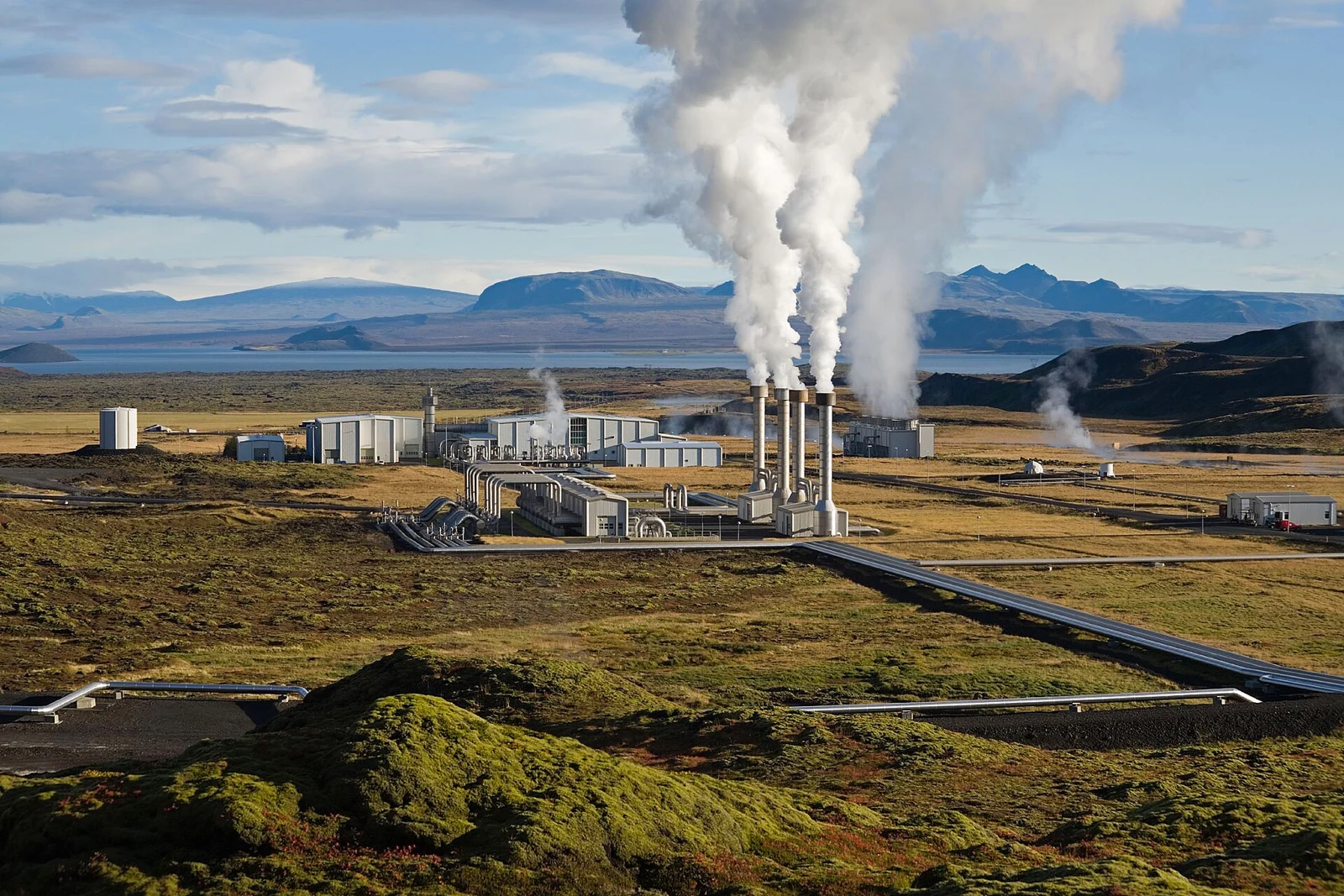
Analysis and practical implications
This section is our analysis and illustrative calculations, separate from the source report.
The September 21 decision
The U.S. Department of Energy's Office of Geothermal announced the selection of 21 U.S. projects on September 21. Five are for field tests of enhanced geothermal systems, or EGS, and sixteen are for exploration drilling to characterize potential next-generation and hydrothermal resources. A more detailed DOE page says the first budget period would involve up to $99 million, with any additional funding dependent on appropriations and performance milestones. These are selections for award negotiations, not completed grants, operating power plants or supply contracts for cryptocurrency mines.
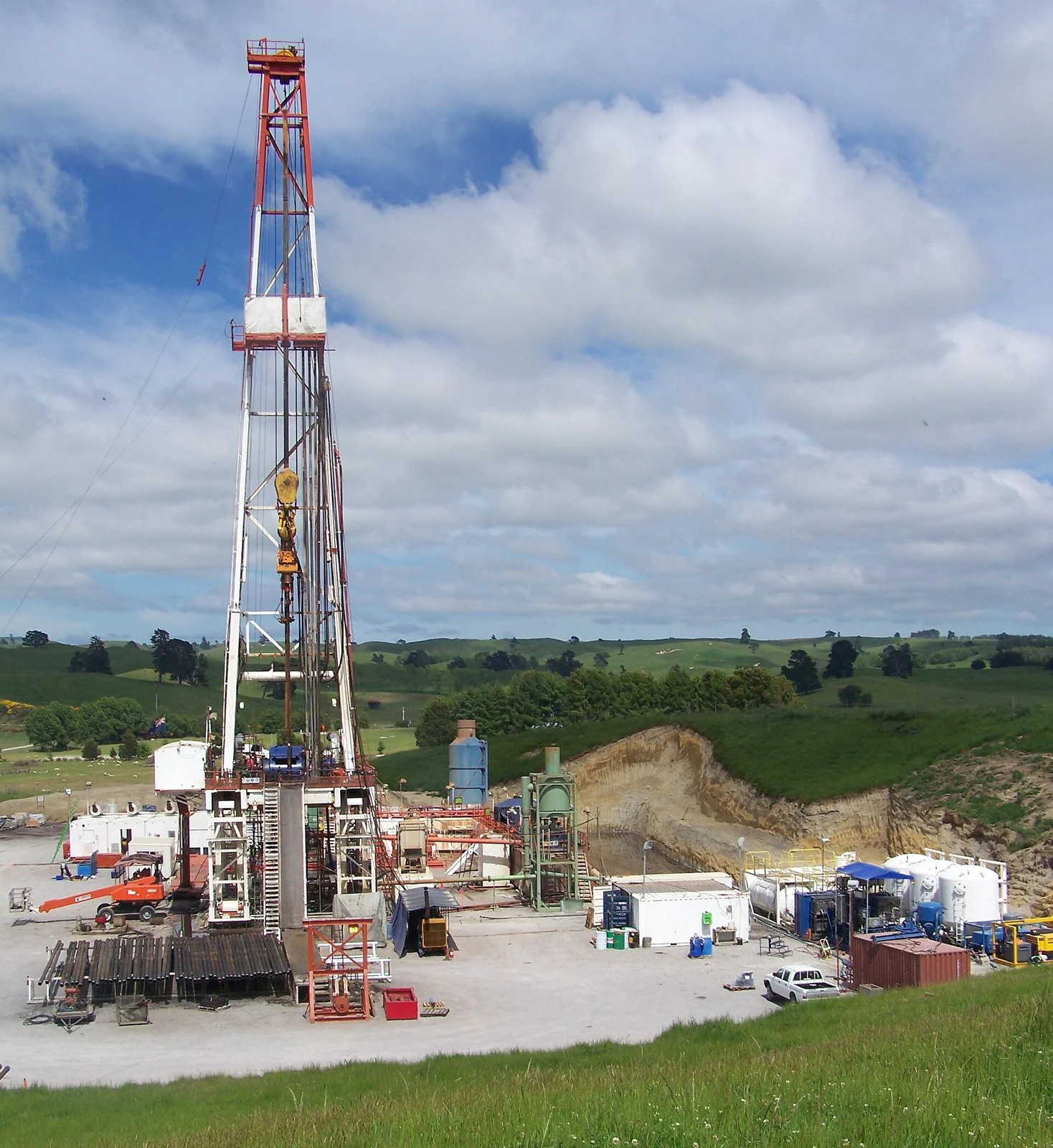
What the two groups will test
The five EGS projects are intended to validate methods for developing reservoirs under field conditions. The other sixteen focus on drilling and subsurface characterization: they seek to determine whether promising resources actually exist and can support future projects. A successful test can reduce geological and engineering uncertainty, but it does not by itself prove a commercial plant's output, cost or completion date. The DOE says project data should become publicly accessible through its Geothermal Data Repository, allowing researchers and developers to inspect results beyond a press-release headline.
Why firm power matters to ASIC sites
An ASIC facility runs most effectively when its energy supply, cooling system and network connection can support sustained operation. Dispatchable geothermal generation could eventually diversify firm supply in some locations, unlike a solar-only profile that needs storage or other balancing. Yet today's announcement neither names a mining offtaker nor allocates electricity to one. Resource exploration, permits, grid interconnection, construction and a power-purchase contract would all have to follow before any particular mining operator could include geothermal megawatt-hours in a firm operating plan.
Selection is not payment
DOE explicitly warns that selection for negotiations is not a promise to issue an award or pay funds. Negotiations and due diligence come first, and the agency may cancel them. The detailed notice describes up to $99 million for the initial period, not a confirmed amount deposited with recipients. Later tranches would depend on Congressional appropriations, agreed milestones and performance criteria. This distinction matters because a mining-site presentation should not show the entire headline sum as committed generation capacity or infer a new electricity price from a research-and-development budget.
A long chain from reservoir to outlet
Even after a subsurface resource is demonstrated, commercial power needs wells, surface equipment, environmental and water planning, electrical conversion, grid studies and a buyer. The location and temperature of a reservoir influence available technology and delivered cost. Mine developers cannot assume that a pilot well sits near an existing mining campus or that all output would be available around the clock. They should request independent resource assessment, expected capacity factor, interconnection status and contingency plans before basing long-lived ASIC purchases on a proposed geothermal project.
How miners should compare options
For a prospective power agreement, compare the delivered tariff, firmness, curtailment rights, term, escalation, transmission charges and credit support with existing grid or behind-the-meter alternatives. An hourly model should include miner power, cooling auxiliaries, seasonal ambient conditions and expected downtime. A nominally low generation price can become uneconomic after connection and transport costs. Conversely, reliable power may support better uptime than an apparently cheaper but highly intermittent source. None of these site-level economic numbers is established by the DOE selection notice.
Why public data could be useful
DOE plans to publish field-test and drilling results through the Geothermal Data Repository. Open temperature, flow, geology and test-method data can help engineers refine feasibility assumptions and identify where further drilling is necessary. Availability of data is not the same as proof of a commercial resource; unsuccessful or mixed results are informative too. ASIC operators exploring heat use or colocated computing should distinguish geothermal electricity generation from simply using waste heat produced by miners. The thermodynamics and contracts of those two ideas are different.
Evidence to watch after selection
Watch for signed awards, project-by-project budgets, drilling start dates, published test results, permitting and interconnection milestones. Only then can a local developer assess whether any selected site could serve a mine or data center. The September 21 announcement is important as an early research-and-resource step amid growing computational electricity demand, not a claim that 21 new geothermal plants are online. We do not assign a Bitcoin hashrate, cheap tariff or carbon score to these selections; those outcomes require separate project evidence.
Source: U.S. Department of Energy ↗
Mining calculator ↗