DOE orders Schahfer units available to MISO through December 18
Source report: 2026-09-18 · Editorial analysis published: 2026-09-20
The emergency order starts September 20 and concerns grid reliability, not a special rule for miners. Flexible-load operators should review curtailment and tariff assumptions.
Analysis and practical implications
This section is our analysis and illustrative calculations, separate from the source report.
The confirmed order
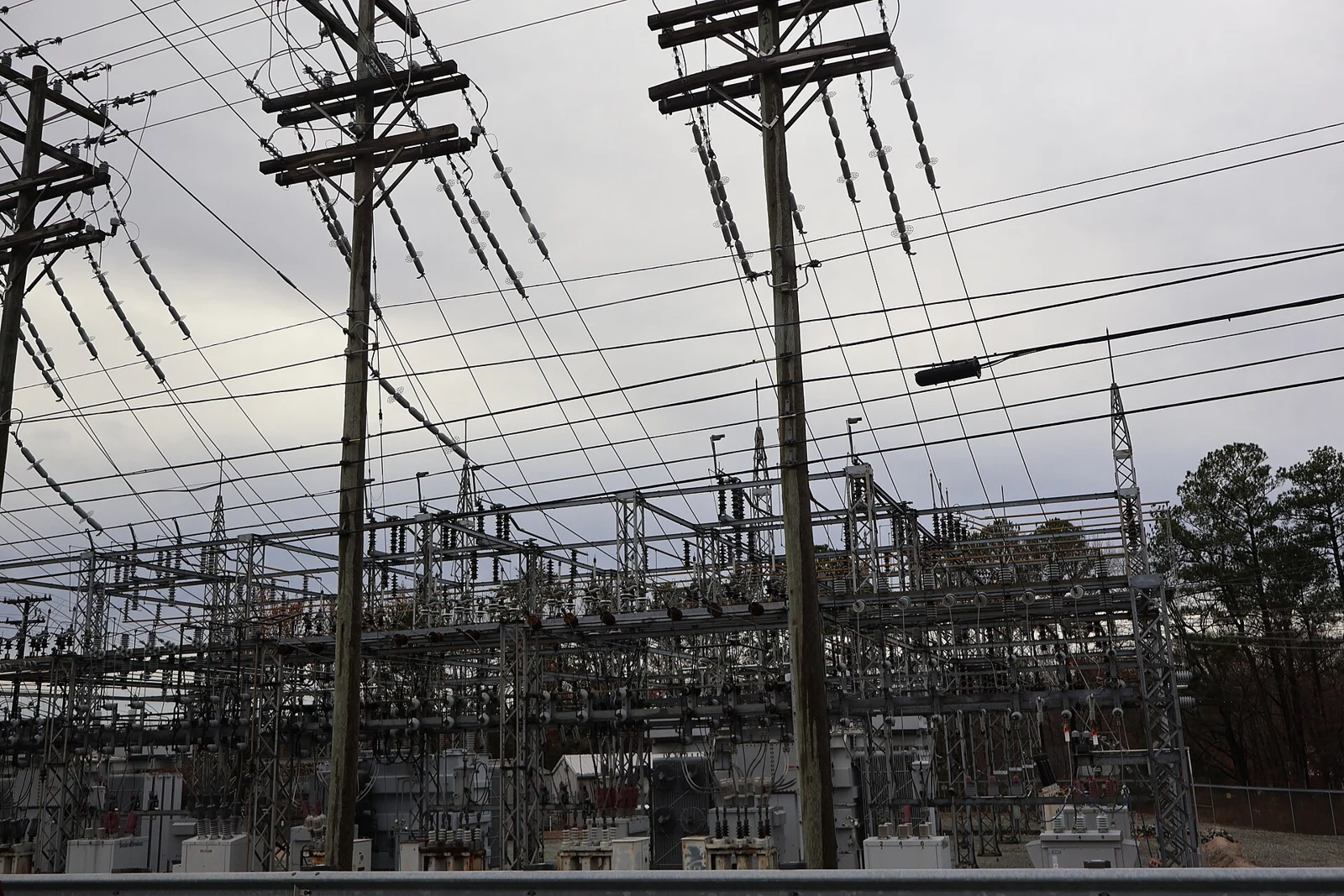
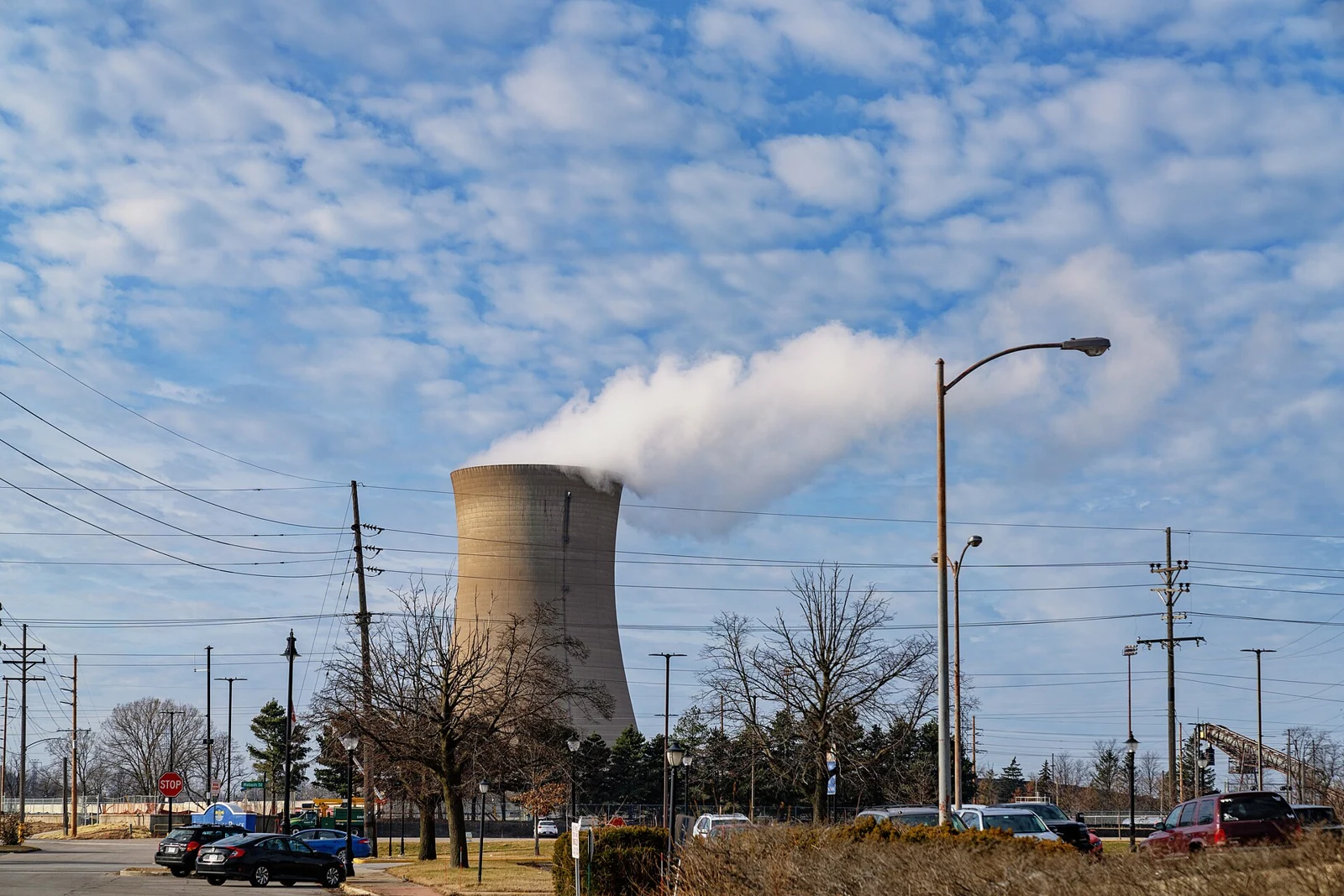
The U.S. Department of Energy issued Order No. 202-26-46 on 18 September 2026 under section 202(c) of the Federal Power Act. It directs Northern Indiana Public Service Company and the Midcontinent Independent System Operator to take the measures needed to keep Units 17 and 18 at the R.M. Schahfer Generating Station in Wheatfield, Indiana available to operate. DOE says economic dispatch should be used to minimize costs. The order begins on 20 September and runs through 18 December 2026. Those dates and named units are the core facts; the public notice does not identify a Bitcoin mine as the cause or beneficiary.
Availability is not continuous output
Keeping units available is different from ordering them to run at maximum output every hour. Dispatch still depends on system need, operating constraints and the order's detailed conditions. The notice also does not state that regional power prices will fall, that transmission congestion will disappear or that every large load will receive uninterrupted service. Operators should avoid translating a reliability action into a guaranteed electricity-price forecast. The correct interpretation is that federal authorities want an additional dispatchable resource preserved for a defined period while MISO and the utility manage reliability and cost.
Why flexible miners should care
Bitcoin mining can behave as a flexible load when contracts, controls and pool operations allow rapid curtailment. A reliability order changes the regional operating backdrop even when it does not mention mining. More dispatchable generation may reduce the probability or severity of some scarcity intervals, but generator outages, fuel constraints, local congestion and weather can still create sharp prices. A mine in MISO must use its own node, tariff and settlement rules; a facility outside the balancing area should not import the conclusion. The commercial value lies in optionality: knowing when stopping avoids a larger loss than the bitcoin revenue forgone.
Update the curtailment model
For every hour, compare expected mining gross margin with the avoidable energy charge and any demand-response payment. Use accepted hashrate, current difficulty, realistic pool fee and measured wall power. Add restart time, warm-up instability, rejected shares after failover and staff intervention. The order itself is not a price input; it is a scenario flag that justifies refreshing forward curves and outage assumptions. Build at least three cases—ordinary dispatch, stressed local congestion and a forced site interruption. A curtailment threshold should come from the tariff and operating data, not a headline about two generating units.
Check controls before the first event
Test that the site can receive the correct dispatch or price signal, authenticate it, shed the intended groups and recover without a simultaneous inrush. Verify pool failover, staged reboot, fan and pump dependencies, minimum flow for hydro units and safe shutdown temperature. Confirm who may override automation and how an emergency command differs from an economic one. Log the UTC and local timestamps for every action. A flexible-load claim is only credible if the mine can demonstrate response time, curtailed megawatts, restart behavior and the accounting path from meter data to settlement.
Cost and environmental boundaries
The order asks for economic dispatch, but the short notice alone does not provide fuel cost, maintenance cost, emissions, compensation or the eventual allocation of those costs. Keeping older thermal units available can improve reliability while also creating environmental and ratepayer questions. A mining operator should therefore separate private electricity savings from system-wide cost and emissions claims. Do not market the order as renewable power, carbon-free mining or proof that flexible mining funded the resource. Those conclusions require generation, emissions, contract and settlement data that are not present in the September 18 notice.
What to monitor through December
Track MISO notices, NIPSCO operational disclosures, local congestion and settlement prices, unit availability, curtailment calls and any DOE amendment or early termination. Compare actual high-price hours with the baseline used before 20 September. For the mine, record accepted hashrate lost, energy avoided, incentive revenue, restart losses and maintenance incidents for every event. Review the order again before its scheduled 18 December end because extensions, replacement arrangements or changed conditions must be confirmed from a new document. The most useful result is not a prediction but a dated dataset showing whether flexible operation improved net margin.
Practical conclusion for operators
The Schahfer order is a real and dated grid event, but its direct content is narrow: preserve two named generating units for possible operation during a defined window. For miners, it is a reason to validate controls and refresh scenarios, not a reason to rewrite long-term power economics. Sites with MISO exposure should contact their supplier or demand-response aggregator for contract-specific interpretation. Sites without that exposure can use the episode as a drill: test whether their profitability system can ingest an emergency notice, translate it into a scenario and make an auditable decision without confusing system reliability with guaranteed cheap power.
Build an auditable event ledger
A useful event ledger joins the grid notice, tariff interval, meter value and mining result under one timestamp. Store the signal received, intended response, actual megawatts reduced, accepted hashrate before and after, restart delay and settlement amount. Reconcile the utility invoice against the internal estimate. Over the three-month order window this record will show whether automation responded as designed and whether incentives exceeded lost contribution margin. It also prevents a regional reliability measure from being reused later as unsupported marketing language.
Source: U.S. Department of Energy ↗
Mining calculator ↗