DG Matrix introduces Interport 360 Flex and software for 800 VDC AI power
Source report: 2026-10-13 · Editorial analysis published: 2026-10-14
DG Matrix’s October 13 announcement combines modular solid-state transformer cells and Interport OS for NVIDIA MGX infrastructure. The design targets an AC-to-800 VDC transition; measured site-wide savings are not supplied.
Analysis and practical implications
This section is our analysis and illustrative calculations, separate from the source report.
Three named components with different roles
DG Matrix announced on October 13 a power-infrastructure system built around Interport 360 Flex, the Interport SST Cell and Interport OS. The Flex is a skid-mounted system; the cell is its modular conversion building block; OS coordinates the physical power fabric. The issuer describes AC input capability up to 34.5 kVAC and native 800 VDC output for NVIDIA MGX-based AI infrastructure.
The release says the cell is featured on the MGX ecosystem wall at OCP and describes demonstrations during the summit. These are vendor-announced product and exhibition facts, not a published independent test of every operating function. The announcement does not provide a measured percentage saving for a named customer’s entire facility or establish that conventional Bitcoin ASIC power supplies can accept the new distribution voltage.
The electrical boundary is the reason for the architecture
NVIDIA’s technical explanation describes centralized AC-to-800 VDC conversion followed by DC/DC conversion close to computing equipment. Higher distribution voltage reduces the current required to carry a given DC power. The architecture therefore concerns the route from electrical supply to compatible racks, not a change to the Bitcoin algorithm or a universal replacement for every existing power connector in an arbitrary mining installation.
For an operator reading a product specification, draw the path from input to output and identify which equipment accepts each voltage. The utility-side input rating, the distribution bus and the chip’s actual supply rail are distinct interfaces. A reference architecture can define how compatible components work together, but it does not make an unrelated miner electrically compatible simply because both systems contain semiconductors, liquid cooling or a controller.
A current calculation explains the idea without becoming a savings claim
In a simple DC example, delivering 80 kW at 800 V requires 100 A because current equals power divided by voltage. Delivering the same idealized power at 400 V would require 200 A. These are illustrative electrical quantities, not a DG Matrix test or instructions for connecting a load. They show why voltage matters when comparing conductor current under explicitly fixed power assumptions.
With the same conductor resistance, the I-squared-R term would be one quarter at 100 A compared with 200 A. That result refers only to that chosen conductor-loss term. It does not mean the complete facility consumes 75% less energy: load consumption, conversion, auxiliaries and the actual conductor design remain separate. This distinction prevents a correct physical relationship from being inflated into an unsupported whole-site efficiency promise.
Software control does not remove the need to verify hardware behavior
The vendor attributes sub-millisecond coordination, power routing, ride-through, grid support and microgrid functions to Interport OS. Its stated purpose is to coordinate cells, ports, storage and sources as a programmable system. Those claims describe an intended operating layer. The release supplies no customer acceptance dataset proving every mode under all loads, faults, operating temperatures and service conditions.
Our suggested evidence checklist links each function to a specific scenario: what disturbance occurred, how the output responded, what protection operated and whether the intended load continued service. A headline about fast software cannot answer those questions by itself. Hardware capacity, stored energy, protection settings and control availability should remain visible in the test boundary, so the behaviour attributed to one layer is not mistaken for unlimited capability of the whole installation.
Storage for short power changes is not automatically long-duration backup
The announced system integrates storage to smooth rapid AI workload changes. That role differs from guaranteeing a specified number of hours of autonomy. The release does not give a universal storage energy capacity for every possible Flex assembly. Without both usable energy and permitted output, the presence of storage alone cannot establish how long a particular computing load would remain supplied during a longer interruption.
For illustration, 100 kWh of usable energy would supply an ideal constant 100 kW load for one hour before any extra losses or reserves. Change the energy or the load and the duration changes. Neither input is an Interport product specification. The example simply identifies the missing quantities in an autonomy claim and explains why rapid smoothing, disturbance ride-through and sustained backup must be tested and described separately.
A retrofit claim needs a complete compatibility assessment
DG Matrix presents the design as a way to retain existing land, AC supply and facility investments while introducing 800 VDC. For a real retrofit, that statement is the starting point of an assessment, not the assessment itself. Identify the existing delivery capacity, intended conversion boundary, compatible racks, cooling and the allocation of maintenance responsibility before comparing proposals on the basis of one output-voltage label.
A staged implementation should also define how retained equipment and new equipment share interfaces. The fact that an input accepts an existing AC service does not prove that every downstream device can use the DC output. We are describing a procurement and verification boundary, not prescribing electrical installation steps. The new system is power infrastructure for supported AI designs; no compatible Bitcoin miner model is identified in the announcement.
Compare measured energy at the same workload
A meaningful efficiency comparison needs matching useful workload and measurement boundaries. Ask whether input energy includes cooling and storage charging, whether output is measured at the rack or chip and which operating interval was used. If one report measures a conversion module while another measures a whole campus, their percentages cannot be combined into a single product saving. The current release does not supply that matched customer comparison.
As an illustrative scenario, if a load required 1,000 kWh and two hypothetical conversion paths had efficiencies of 95% and 97%, their input would be about 1,052.63 kWh and 1,030.93 kWh. The difference is about 21.70 kWh. These values are not Interport measurements. The arithmetic shows why a small change in a defined conversion boundary should not be reported as the same percentage change in every unrelated facility cost.
The confirmed milestone and the next evidence
The new milestone is the October 13 announcement of a modular system and operating layer for the 800 VDC transition, with OCP exhibition context. Later evidence could include named configurations, rated output, storage energy, delivery dates and independently described acceptance results. That would let readers evaluate a particular deployment rather than assuming that an ecosystem exhibit proves the same performance at every site.
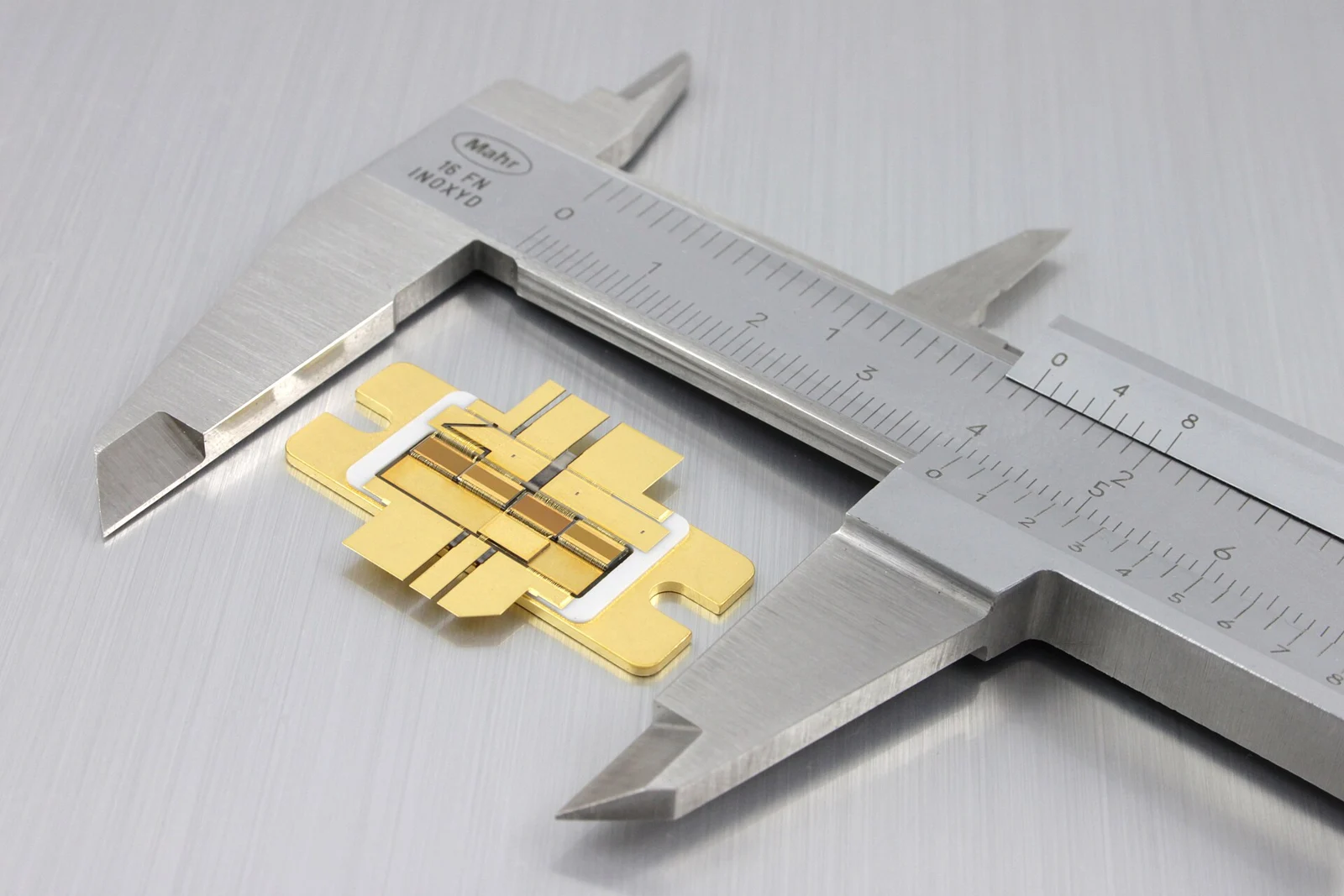
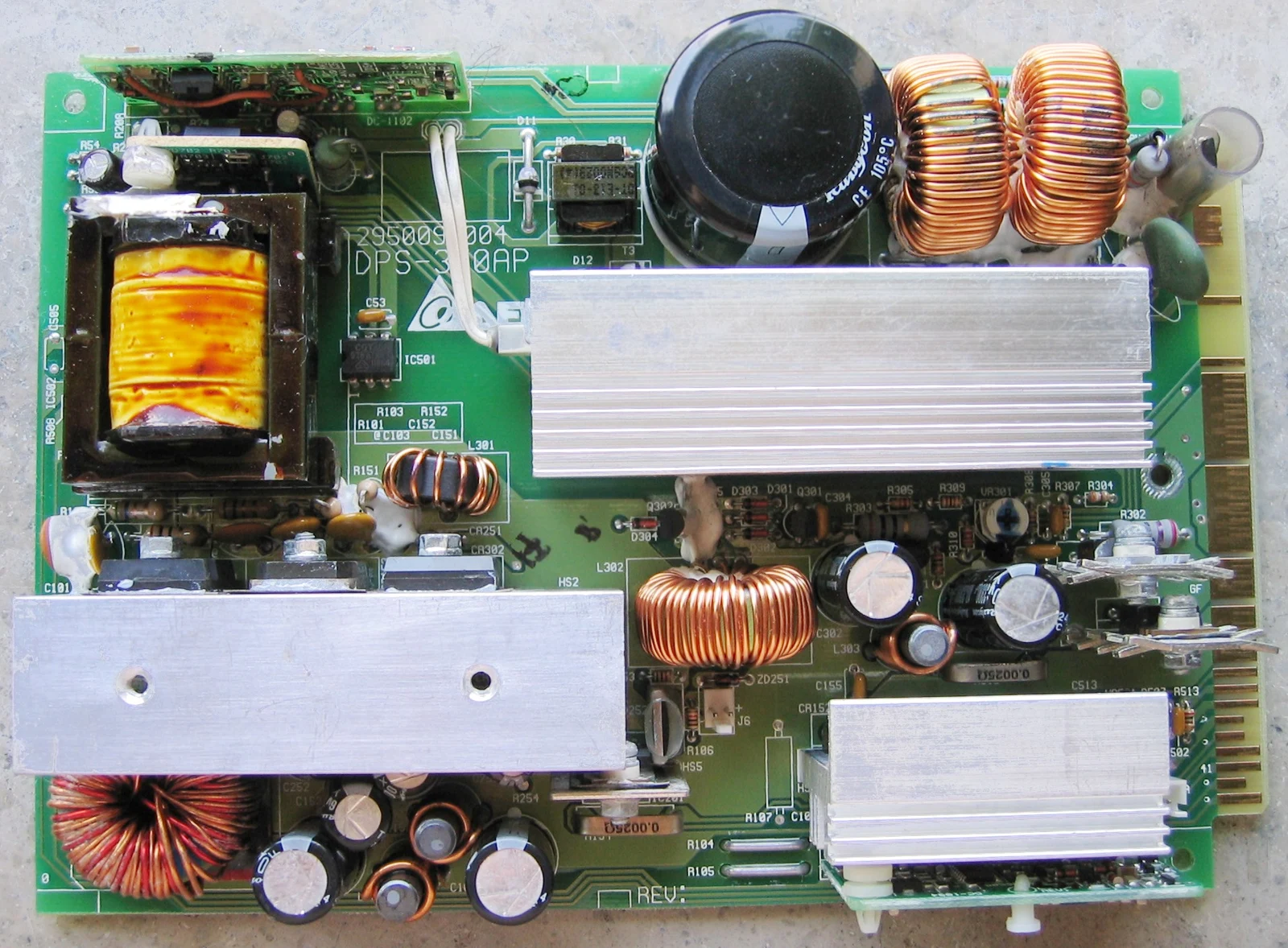
The two images are credited archival examples of power electronics and electrical equipment, not photographs of Interport cells or a DG Matrix customer. Our article separates the issuer’s claims, NVIDIA’s architectural explanation and the arithmetic examples. The site’s ASIC catalogue and mining calculator are not changed by this AI-power announcement: actual miner compatibility and any savings for a mining installation would require their own verified equipment and operating data.
Source: DG Matrix ↗ · NVIDIA 800 VDC architecture ↗
Mining calculator ↗