Datacentrex starts DG2 energization, targeting 52.2 TH/s of Scrypt hashrate
Source report: 2026-10-14 · Editorial analysis published: 2026-10-15
The October 14 release says initial additional DG2 miners are producing, with the rest expected online over coming weeks. The 52.2 TH/s and roughly 14 MW totals remain full-energization targets.
Analysis and practical implications
This section is our analysis and illustrative calculations, separate from the source report.
Installation has progressed to initial production
Datacentrex announced on October 14 that it has begun installing and energizing more than 500 additional ElphaPex DG2 Scrypt ASIC miners acquired previously. The initial units are online and producing; remaining units are expected to follow over the coming weeks. The new event is the start of energization, not the first announcement of the equipment acquisition and not proof that every added machine has completed acceptance.
The release describes more than 3,500 installed Scrypt machines across four U.S. colocation facilities. Installed equipment and fully energized equipment should still be tracked separately: physical placement is not an hourly record of accepted work. The headline target cannot replace that distinction. It also does not disclose a site-by-site split of the additional machines, so no particular facility is assigned an invented share of the deployment.
The announced increase is an approximate fleet target
At full energization the company expects aggregate online Scrypt hashrate to rise from approximately 43.2 TH/s to approximately 52.2 TH/s, an addition near 9.0 TH/s. Our check, 9.0 divided by 43.2, gives approximately 20.83%, consistent with the release’s rounded 21% description. These figures are projections for the completed deployment, not a verified real-time reading of the entire fleet on October 14.
Because machine counts are stated as more than 500, dividing 9.0 TH/s by exactly 500 and publishing the answer as each DG2’s guaranteed specification would be unjustified. Product bins, operating modes and acceptance conditions are not fully listed in the announcement. The existing DG2 catalogue record is therefore not replaced with a specification reverse-engineered from an approximate corporate fleet expansion.
Scrypt units cannot be added to Bitcoin SHA-256 hashrate
The reported TH/s belongs to the Scrypt algorithm. A tera-hash unit describes a count of algorithm operations per second, but the operation itself matters. One TH/s of Scrypt is not one TH/s of Bitcoin SHA-256, and the expansion cannot be inserted into a Bitcoin network capacity total merely because both figures use the same unit prefix. The mining calculator must retain the algorithm alongside the number.
For a farm combining different devices, evaluate each revenue stream against its own network and settlement terms, then combine monetary results on a consistent time basis. A mixed fleet’s electricity can be summed at the meter; its raw algorithm-specific hashrates generally cannot. This makes the deployment relevant to Scrypt operators without implying that the DG2 has become a new Bitcoin miner or that Bitcoin difficulty determines its direct output.
The power target and the meter boundary
Datacentrex expects deployed power capacity to grow from approximately 12.5 MW to approximately 14 MW. The difference is approximately 1.5 MW, or 12%. A smaller percentage increase in reported capacity than in reported hashrate can be useful context, but those aggregate figures do not identify measured power at every miner, cooling allocation or facility overhead. They are not a substitute for a product acceptance test.
Using the reported endpoints only, 12.5 MW divided by 43.2 TH/s is about 0.289 J/MH, while 14 MW divided by 52.2 TH/s is about 0.268 J/MH. These are illustrative ratios of corporate totals with the same assumed boundary, not certified DG2 efficiencies or measured improvements at each site. The actual meaning depends on what is counted as deployed capacity and how the online hashrate is measured.
Prepaid hardware does not mean operation is free
The company says the added miners were prepaid and expects no incremental hardware-acquisition expenditure associated with them. That statement concerns the equipment purchase boundary. It does not establish zero electricity cost, free hosting, no installation work or a fully disclosed total project budget. Cash previously spent on equipment is different from future operating expenditure required to keep it producing.
A practical budget separates past acquisition payments, remaining commissioning work, recurring hosting and electricity, repairs, and settlement deductions. Without those contract terms, the expansion’s hashrate alone cannot determine net margin or payback. We do not assign a tariff or cash saving to Datacentrex that its release does not publish. A prepaid machine can still have substantial operating obligations after its first accepted share.
Ramp timing affects the first month of output
If an illustrative 9.0 TH/s addition were online for only half of a 30-day month at full stated rate, its contribution averaged over the month would be 4.5 TH/s before downtime or rejected work. That is a calendar scenario, not Datacentrex’s actual rollout schedule. Energizing machines gradually over several weeks produces a different first-month result from assuming the full expansion ran from the first day.
For follow-up comparisons, distinguish a month-end online rate from a time-weighted average and the work actually accepted by the pool. Then reconcile any coin output to the matching period and customer allocation. The release supplies no complete daily rollout table or forecast of specific coins credited. Consequently we preserve the expansion target without inventing a month of production, a fixed return or a guaranteed percentage increase in revenue.
Four locations do not by themselves quantify resilience
The issuer identifies four geographically diversified U.S. colocation sites. Geographic spread can be relevant to operations, but the announcement does not specify a common availability guarantee, independent power contracts or quantified outage correlation. Four sites should not be transformed into a claim that every unit has redundant power or that the fleet is protected from all shared network, pool or supplier risks.
An operator reviewing a comparable hosting plan would map the actual electrical delivery boundary, contractual uptime, maintenance access and measurement source at each site. Those details let a farm separate failure of one machine from interruption of an entire hosting location. They are questions raised by the deployment, rather than verified attributes of these four sites, and no new facility-level specification is inserted into our catalogue from geography alone.
What the next operating update should clarify
The next useful milestone would be a dated statement of how much of the additional fleet is actually energized and its accepted operating hashrate. Matching deployed power, a complete measurement interval and actual production would allow a stronger comparison than a target alone. If commissioning takes longer, the installed fleet count and the completed online total need not move together, so both should remain visible in subsequent reporting.
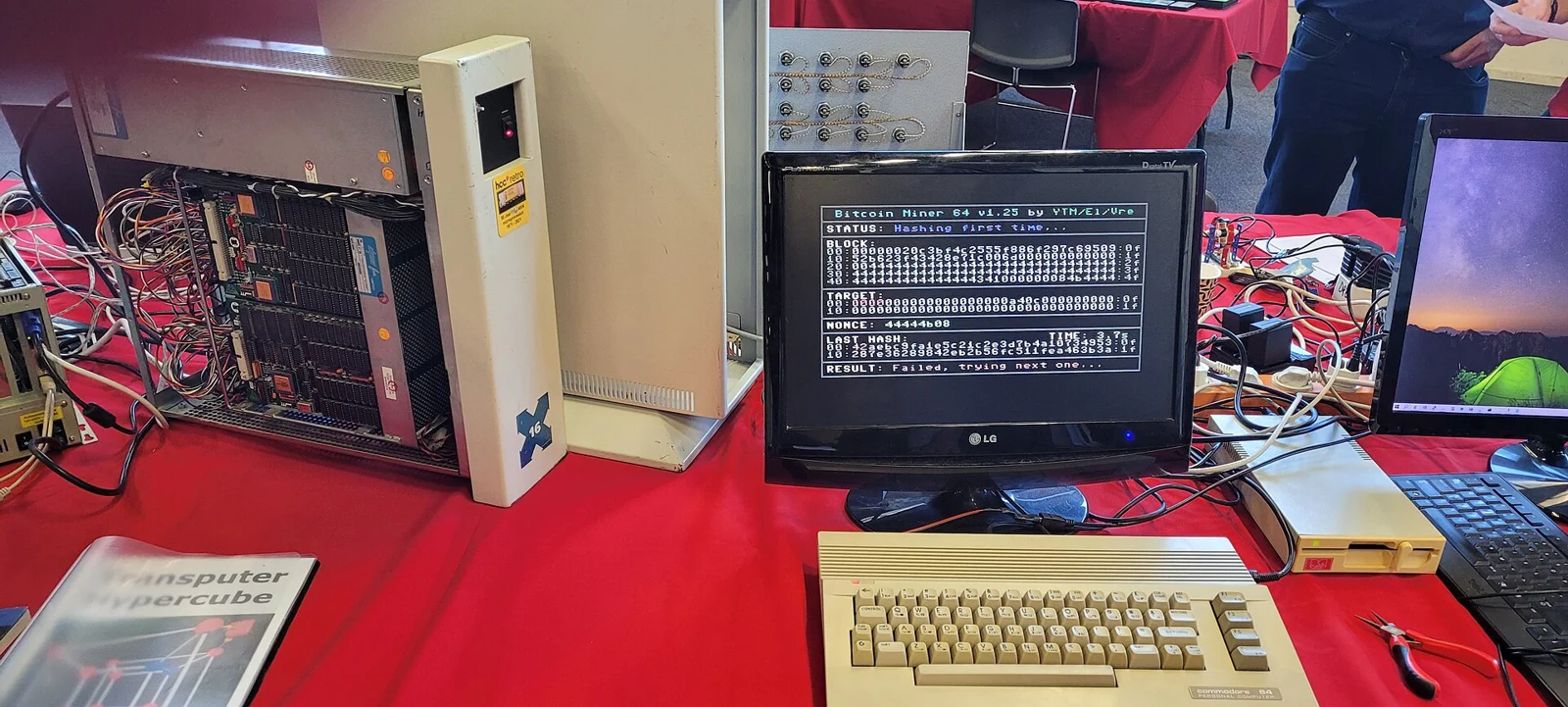
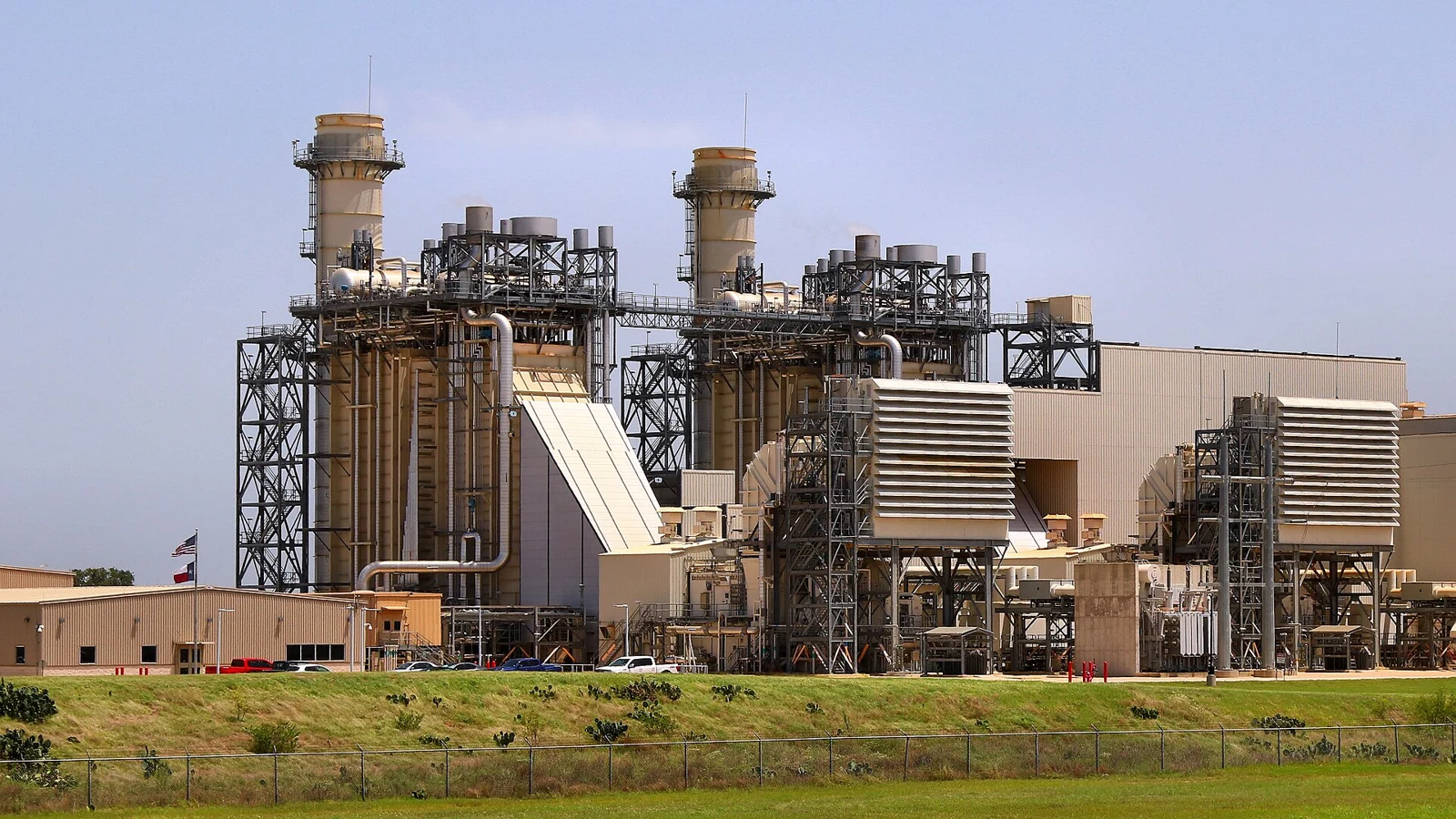
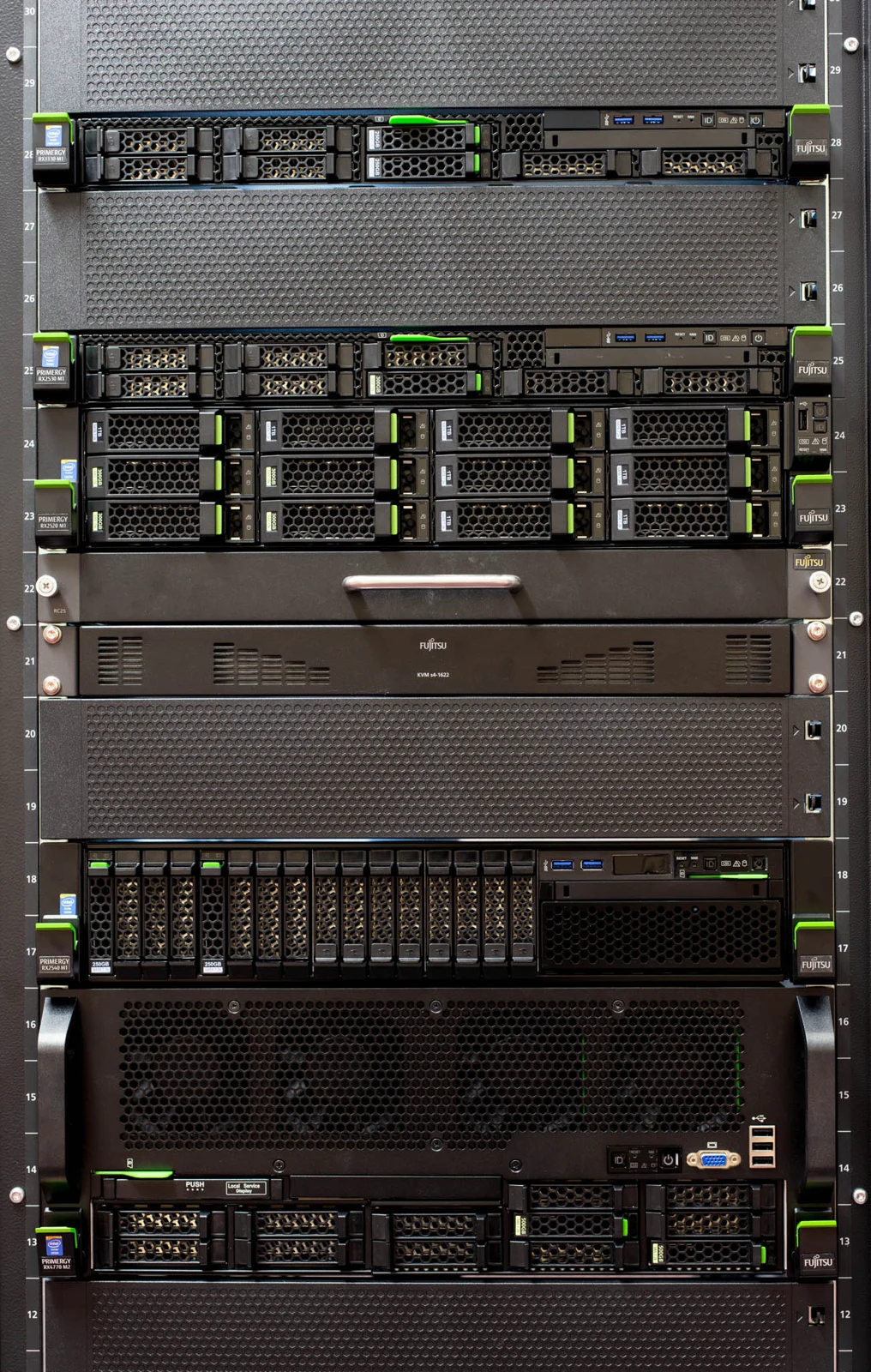
The accompanying photographs are archival infrastructure illustrations, not photographs of Datacentrex’s current deployment. Our numerical examples are labelled calculations rather than issuer measurements. The confirmed development is that initial additional miners have started producing. The remaining rollout, full 52.2 TH/s online rate, approximately 14 MW endpoint and resulting financial performance still require follow-up evidence.
Source: Datacentrex ↗
Mining calculator ↗