Cuentas signs a staged 24 MW West Texas mining power agreement
Source report: 2026-09-23 · Editorial analysis published: 2026-09-24
A September 23 SEC filing describes up to ten 2.4 MW container sets and about 4,200 ASIC miners, with $0.05/kWh energy pricing, revenue share and an 80% take-or-pay floor.
Analysis and practical implications
This section is our analysis and illustrative calculations, separate from the source report.
What the filing confirms
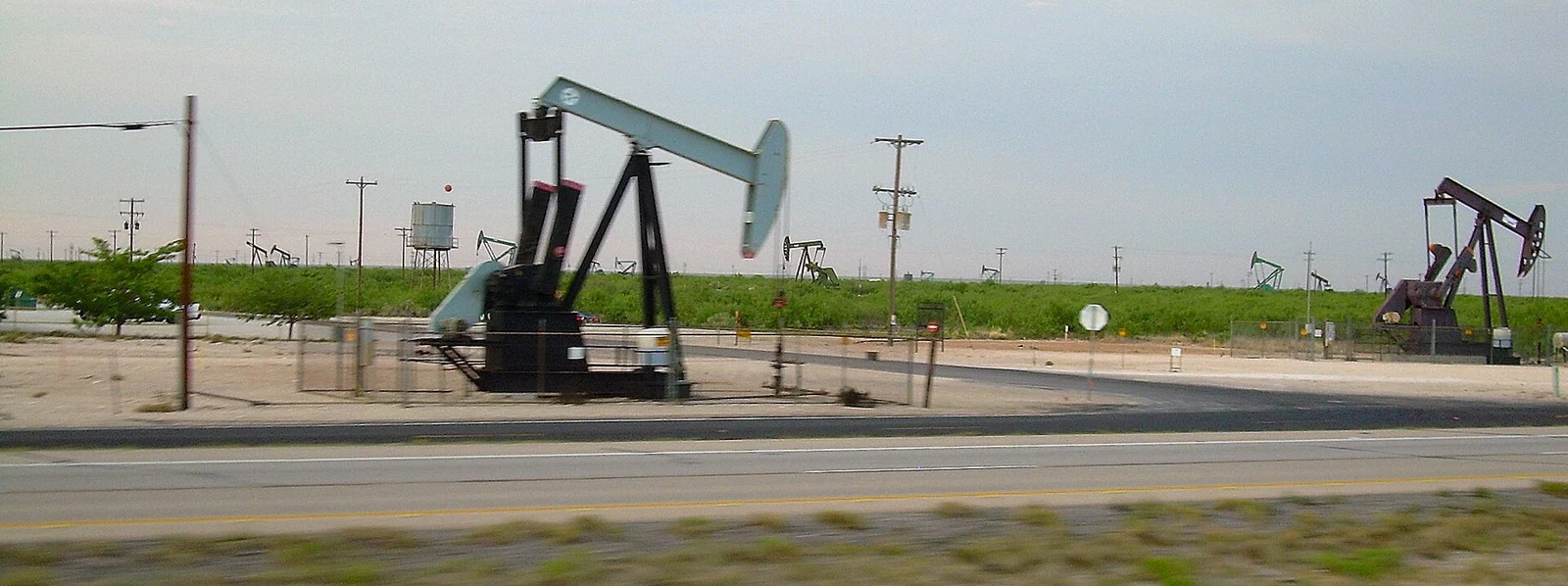
Cuentas filed an 8-K on September 23 describing a Power-as-a-Service and colocation agreement signed with Power Upp USA on September 20. Service Order No. 1 covers a powered-land site in Seminole, Texas. The filing is stronger evidence than a promotional summary because it discloses binding payment and performance obligations. It confirms the agreement and its ceiling; it does not prove that containers, miners or generators are already installed, commissioned or producing Bitcoin.
Capacity is staged, not operating today
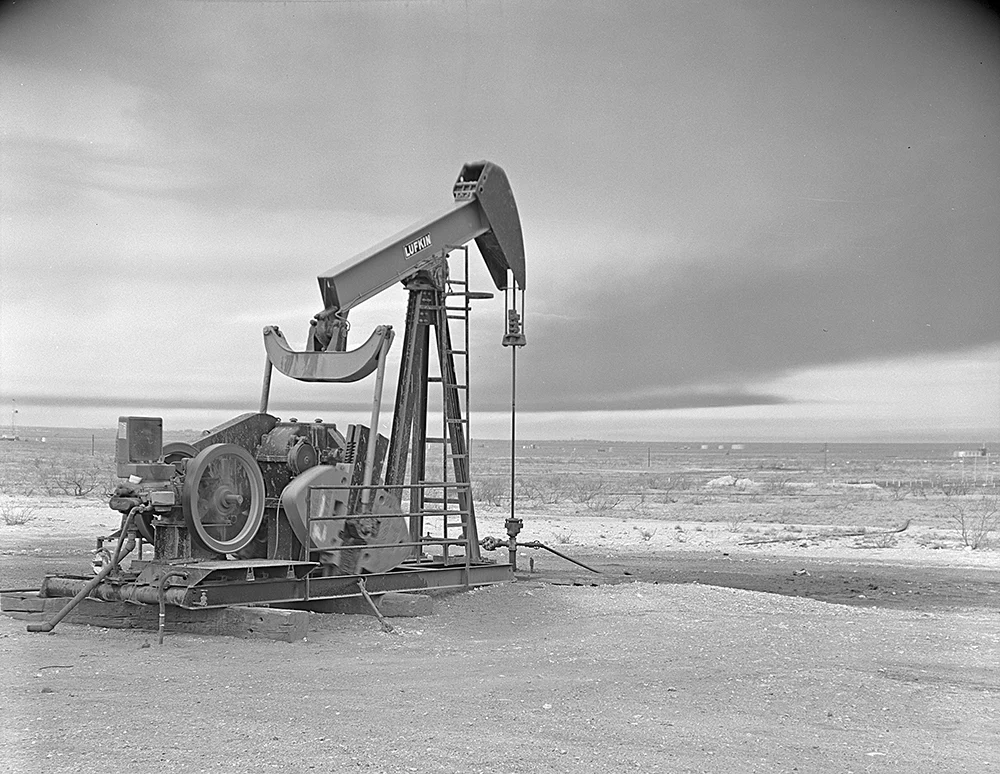
The plan allows up to ten container sets, each with 2.4 MW of contracted demand, for a maximum of 24 MW if all ten are deployed. The service order uses deployment milestones at roughly 90-day intervals, so 24 MW is a contractual upper bound rather than current energized load. Readers should separate signed capacity, installed equipment, energized megawatts and measured pool hashrate. Those four figures can diverge substantially during construction, delivery and commissioning.
The hardware counts need careful reading
The 8-K says each container is expected to accommodate about 420 ASIC miners, or about 4,200 across ten sets. Another commercial clause prices procurement, staging, configuration and commissioning for 432 customer-owned ASICs per set. The documents therefore contain two related but different counts: expected hosted occupancy and the quantity covered by the one-time hardware charge. ASIC.tools does not convert either number into hashrate because the exact models, operating profiles and delivered fleet mix are not identified.
Commercial terms combine power and revenue share
For each container set, the filing lists a one-time $500,000 charge for ASIC procurement and commissioning plus a $90,000 security-deposit allocation. Recurring charges include 5% of gross mining revenue attributable to that set, $2,500 per month and an energy charge of $0.05 per delivered kWh, before contractual adjustments, taxes and possible fuel-cost changes. At full ten-set deployment, the stated one-time amounts total $5.0 million for miners and $900,000 in deposits; these are obligations, not a complete project budget.
Take-or-pay shifts downtime risk
Each deployed set carries an 80% minimum-utilization and take-or-pay requirement. If delivered energy falls short for customer-side reasons, the customer generally owes the energy charge on the quantity needed to reach that floor. For a 2.4 MW set in a 720-hour month, the contractual floor would correspond to 1,382.4 MWh before any expressly excused shortfall. That arithmetic illustrates exposure only; actual invoices depend on service commencement, excused events, delivered energy, adjustments and taxes.
Bitcoin-price protection is narrow
A limited suspension mechanism applies if Bitcoin closes below $55,000 for 15 consecutive trading days. Suspension still requires mutual written agreement, begins after notice, lasts no more than one calendar month and carries a $7,500 fee for suspended operations. If the price remains below the threshold at the end, either party may terminate without an early-termination fee, while accrued obligations and equipment-removal costs remain. This is not a general profitability guarantee and does not cover difficulty, fees or ASIC efficiency.
Associated-gas claims remain project claims
Cuentas describes a strategy using methane and associated gas from oil-field operations to generate onsite electricity. The filed agreement establishes the commercial relationship and powered-land service, but the filing does not provide audited methane-capture measurements, generator efficiency, emissions data or a verified baseline for gas that otherwise would have been flared. Environmental performance therefore requires later engineering and operating evidence. Avoid treating an energy-recovery description as a quantified emissions result.
What miners should verify next
The initial agreement term is 36 months with automatic 12-month renewals unless notice is given. The useful checkpoints are container delivery, title transfer for paid ASICs, electrical commissioning, actual energized MW, model-level fleet data, pool-side hashrate, uptime and realized all-in energy cost. Operators comparing hosting offers should include the revenue share, fixed fee, take-or-pay floor, deposits, taxes and adjustment clauses instead of comparing the $0.05/kWh headline alone.
Source: Cuentas / SEC ↗
Mining calculator ↗