Wärtsilä signs Aruba battery project: 35 MW, 70 MWh and a 2028 handover target
Source report: 2026-10-13 · Editorial analysis published: 2026-10-13
Wärtsilä’s October 13 agreement with WEB Aruba covers a 35 MW / 70 MWh battery and energy-management services. The nominal energy-to-power ratio is two hours; final handover is scheduled for Q2 2028.
Analysis and practical implications
This section is our analysis and illustrative calculations, separate from the source report.
An agreement for future storage and grid integration
Wärtsilä announced on October 13 an agreement with WEB Aruba covering a 35 MW / 70 MWh battery, engineering and construction, energy management and maintenance services. The order was booked in the third quarter of 2026; final handover is scheduled for the second quarter of 2028. The company describes integration with the island’s existing generation assets, not a battery already operating on the announcement date.
The issuer expects better grid reliability and integration of renewable supply. It does not provide a verified percentage reduction in electricity bills, a mining-hosting tariff or a new ASIC deployment. These distinctions matter for readers of an energy story on a mining site: a grid investment can be relevant to power-system operation without proving that miners receive a particular price, connection allocation or uninterrupted service guarantee.

Why 35 MW and 70 MWh describe different limits
The US Department of Energy distinguishes storage power from stored energy, while EIA describes duration as the ratio of energy capacity to power capacity. Applying that definition to the announced ratings gives 70 MWh divided by 35 MW, or a nominal two hours. This is a calculation from nameplate quantities, not a measured acceptance-test result, usable-energy guarantee or published promise about how the system will be dispatched.
A battery’s maximum output and its total stored energy constrain different questions. A requested load can exceed the output limit even when energy remains; a load below that limit can still exhaust the available energy over time. Losses, operating reserves and the initial state of charge must also be considered. For a project assessment, request the usable energy and permitted operating window at the agreed point of delivery rather than assuming every nominal megawatt-hour is available.
Storage shifts supply across time; it does not create fuel
The DOE explains that storage can move energy from a period of production to a later period of use, with losses in the conversion cycle. In our reading, the relevant value of the Aruba project is its proposed integration into dispatch and balancing. A battery is not a perpetual additional source of generation. After discharge, it needs another source of energy to recharge, and that charging demand belongs in the operating schedule.
For a miner, this distinction prevents a misleading profitability model. It would be wrong to assign free electricity for all hours simply because a nearby battery has been announced. A site model should specify when it charges, when it supplies the load and what tariff or generation cost applies in both periods. Without that hourly boundary, an attractive capacity headline can conceal the cost and time needed to refill the battery.
Use simple examples with explicit assumptions
Consider a hypothetical 5 MW computing load served only by an ideal 70 MWh energy store. Dividing energy by load gives 14 hours before accounting for losses, reserves or auxiliary consumption. This does not mean WEB Aruba has promised 14 hours to such a load: the real battery will serve a grid, and the released document gives no reservation for a particular data center or mining farm.
The opposite check is just as necessary. If a hypothetical demand exceeded the 35 MW rating, an energy-only division would ignore the announced power limit. An operating schedule must satisfy both conditions, and it must avoid double-counting energy already committed elsewhere. These examples are an ASIC.tools explanation of the units. They are not a simulation of Aruba’s dispatch, a sizing recommendation for a specific customer or a result of testing the contracted equipment.
Dispatch software and service contracts need evidence too
The release includes an energy-management system and continuing service support. The vendor says its control and forecasting will combine storage with existing supply. Those are the stated functions of the planned system, not independently measured savings. To assess a completed project later, useful evidence would include the operating objectives, dispatch logs, test conditions and performance boundaries rather than one unexplained percentage labelled efficiency.
Our suggested review separates equipment availability, control availability and achieved outcomes. A controller may be online while a battery is undergoing maintenance; a battery may be charged but held in reserve for grid services. Define what counts as available supply for the intended load and who can change that allocation. This avoids treating a software service agreement as an unconditional promise of energy to every customer on the island.
A mining cost scenario needs charging and losses
As a deliberately simplified example, suppose 10 MWh is charged into storage and an assumed 90% round-trip ratio leaves 9 MWh delivered. At a hypothetical charging cost of $50 per MWh, the charging energy costs $500, or about $55.56 per delivered MWh before equipment, maintenance and other charges. The 90% assumption and the price are not specifications or tariffs disclosed for the Aruba project.
The arithmetic explains why a miner should compare the cost per delivered unit instead of copying the charging tariff into a profitability calculator. The real proposal would need its own efficiency boundary, cycling assumptions, fixed costs and agreement on ancillary loads. If any input is missing, keep it unresolved rather than filling it with the illustrative value above. The news establishes a signed project scope, not a ready-made economic model for a farm.
Island-grid relevance without inventing a mining connection
Wind, solar, dispatchable generation and storage can have different operating roles. The announcement concerns coordinating such assets in Aruba’s power system. Our editorial takeaway is that large electricity users should evaluate the quality and conditions of their supply contract alongside the nominal capacity of infrastructure nearby. The existence of wind turbines or a battery does not, by itself, identify the source of every unit a particular customer consumes.
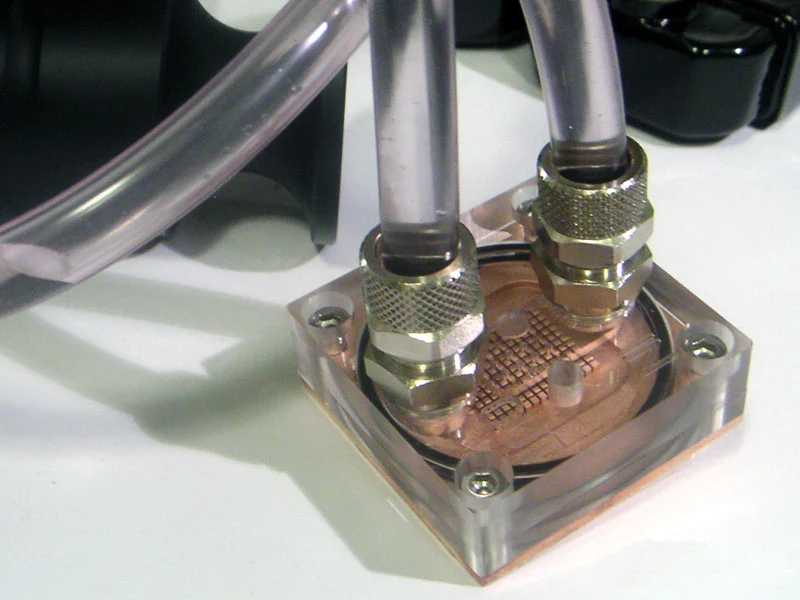
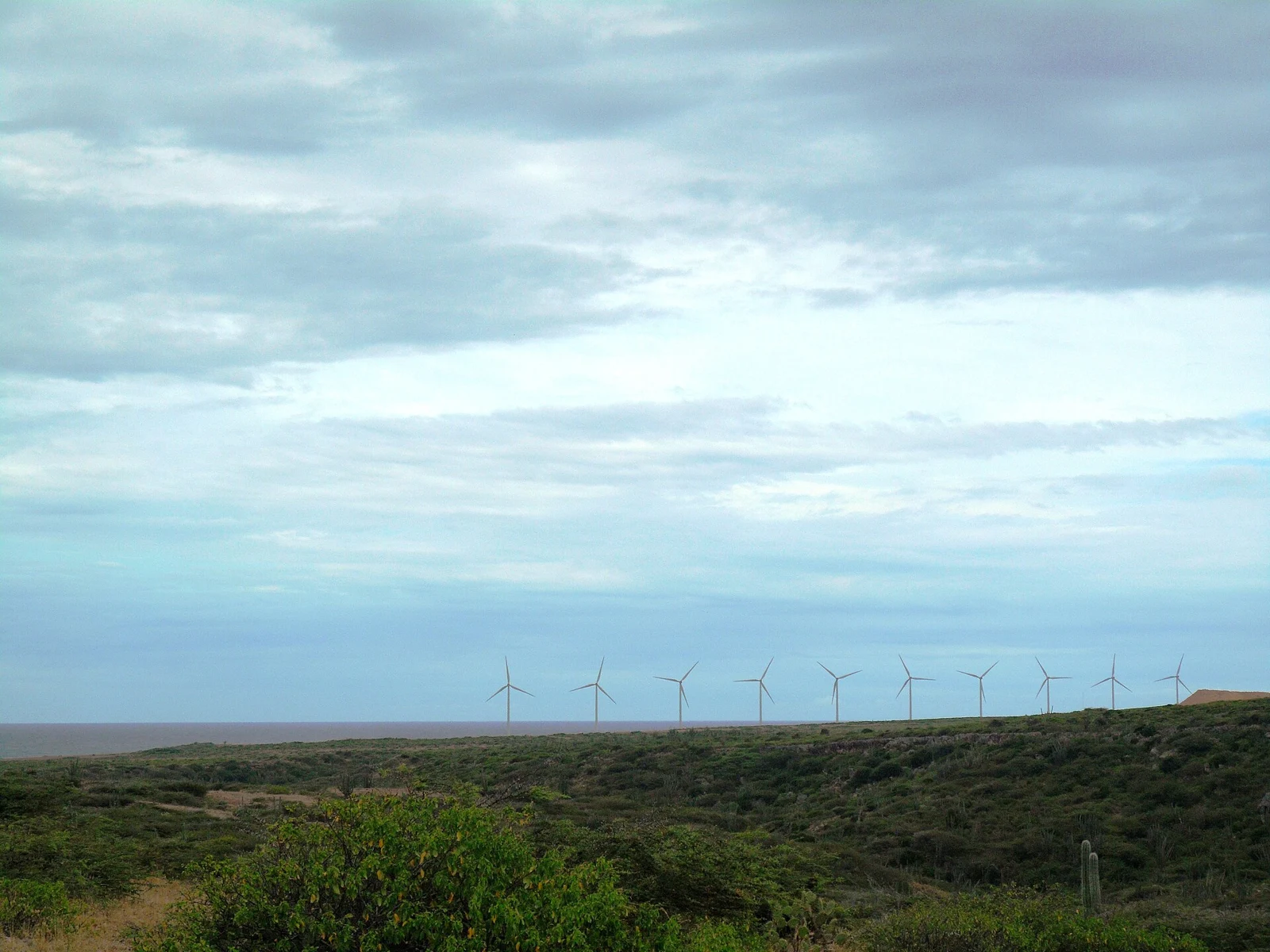
No mining site or miner purchase is identified in this release. The two illustrations show an existing Aruba wind-farm landscape and a separate historical battery installation, with source credits; neither depicts the planned 2028 battery. We retain that distinction in all five language versions. It lets readers understand the energy context without presenting an archive photograph as proof that construction has finished or that the equipment is already serving a crypto farm.
What would confirm progress toward operation
Follow-up evidence should describe installation, commissioning tests, usable energy, approved operating limits and final acceptance. A announced target for Q2 2028 is a schedule to monitor, not a certificate of completion. If later disclosures change the rating or timing, the new figures should be dated and reconciled with this agreement rather than silently replacing the announcement and making the project appear to have been operational all along.
For ASIC.tools readers, the useful lesson is to preserve the chain from power-system investment to actual supply conditions and only then to a mining-cost calculation. The October 13 agreement is a genuine new storage milestone, and the two-hour nominal ratio is transparent arithmetic. Decisions about equipment quantity, expected uptime and profitability still require evidence from the particular installation, the electricity arrangement and measured consumption.
Source: Wärtsilä ↗ · DOE: solar energy and storage basics ↗ · EIA: battery duration and applications ↗
Mining calculator ↗