Crusoe confirms Google’s Texas AI campus links to 531 MW of wind generation
Source report: 2026-09-28 · Editorial analysis published: 2026-09-30
Crusoe says it is developing Google’s Armstrong County campus beside two 265.5 MW wind farms. Construction is under way, but the release does not disclose campus load, opening date or total power supply.
Analysis and practical implications
This section is our analysis and illustrative calculations, separate from the source report.
Crusoe names the customer and its development role
Crusoe announced on September 28 that it is developing Google’s data center campus in Armstrong County outside Amarillo, Texas. The project is designed for advanced artificial-intelligence computing and has been under construction since ground was broken in June 2025. The release identifies the developer and customer but does not describe an opening, an energized computing load or a completed power system. Those distinctions matter because a project can employ thousands of construction workers long before servers begin producing customer workloads.
Two neighbouring wind farms total 531 MW
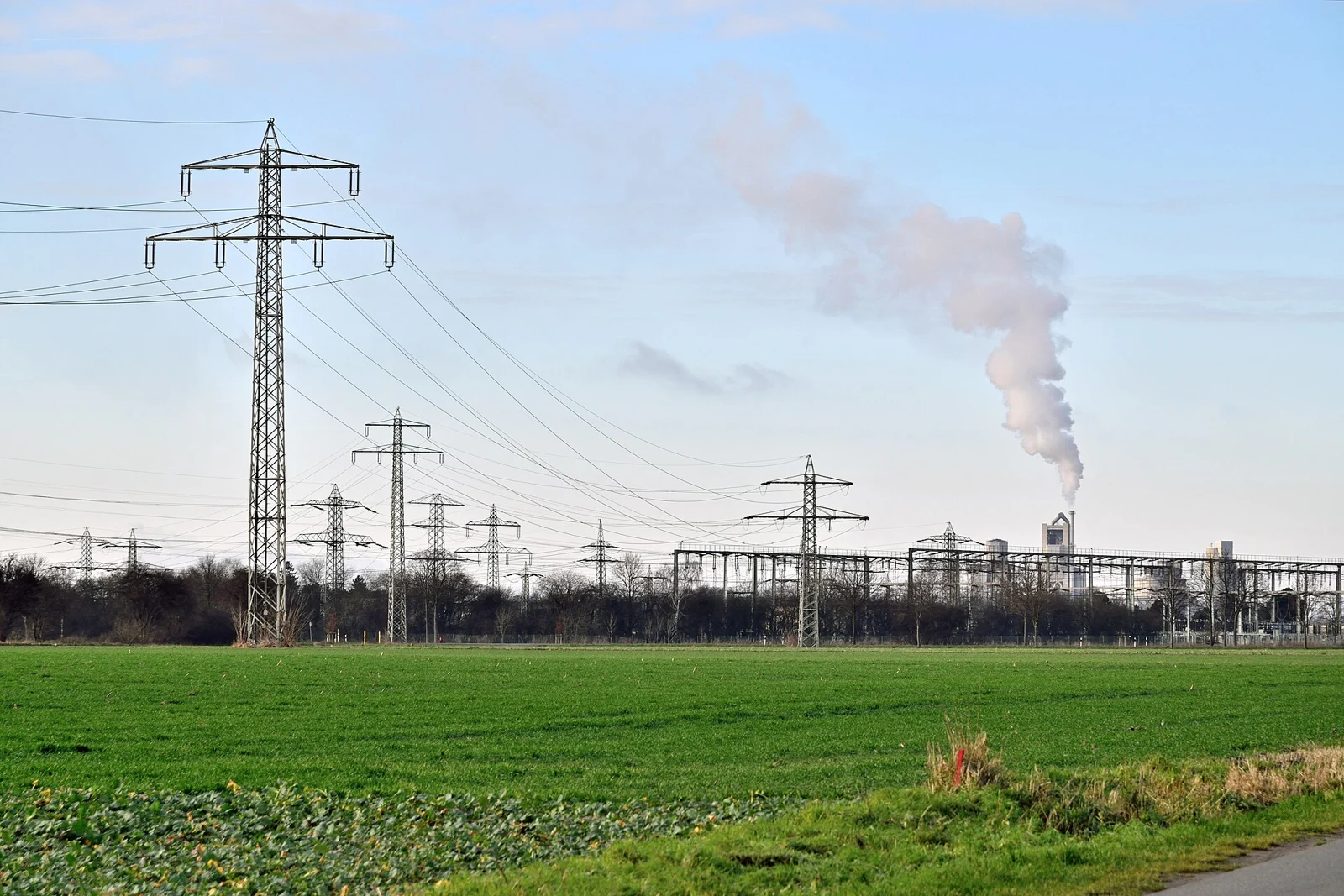
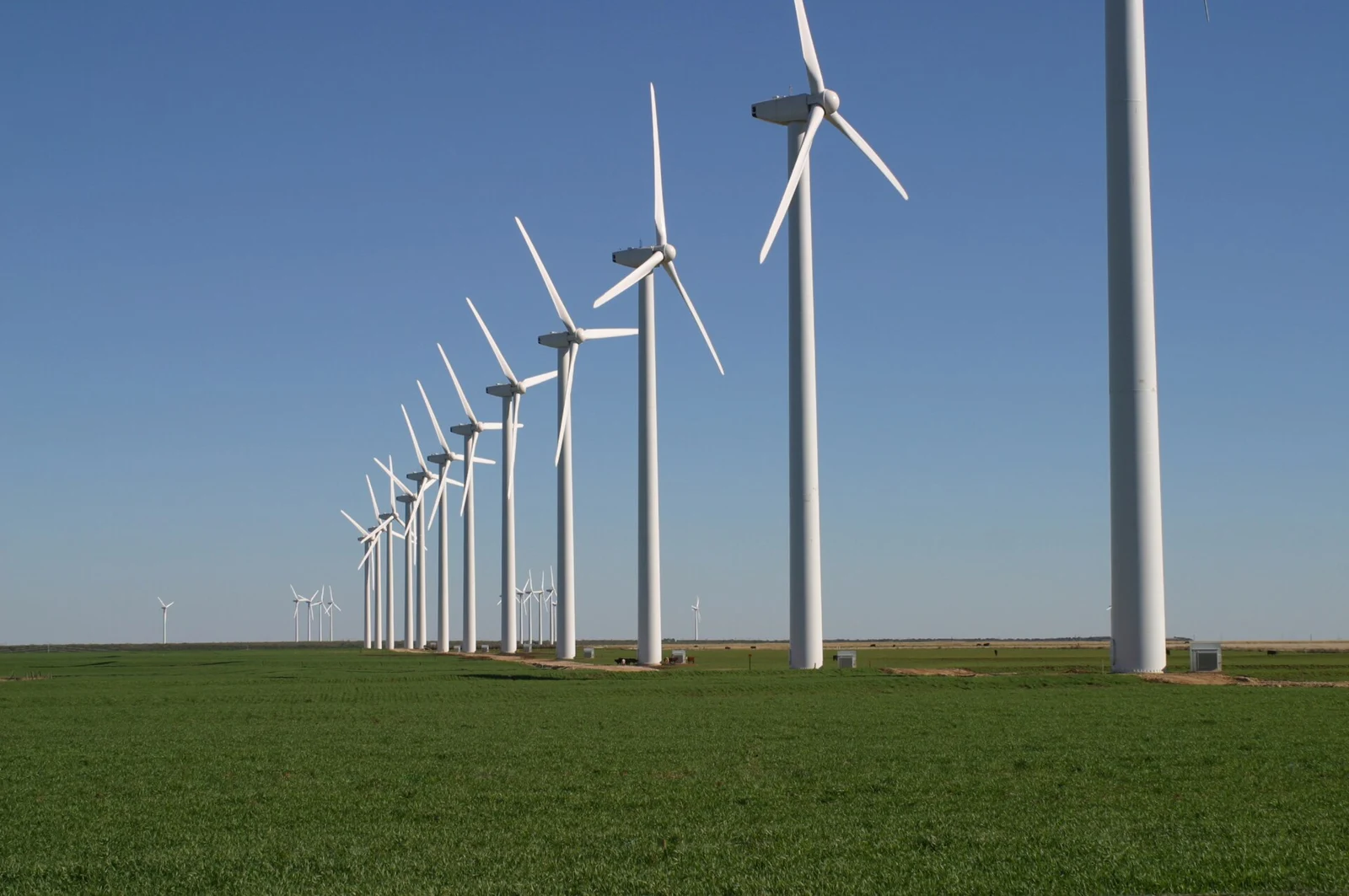
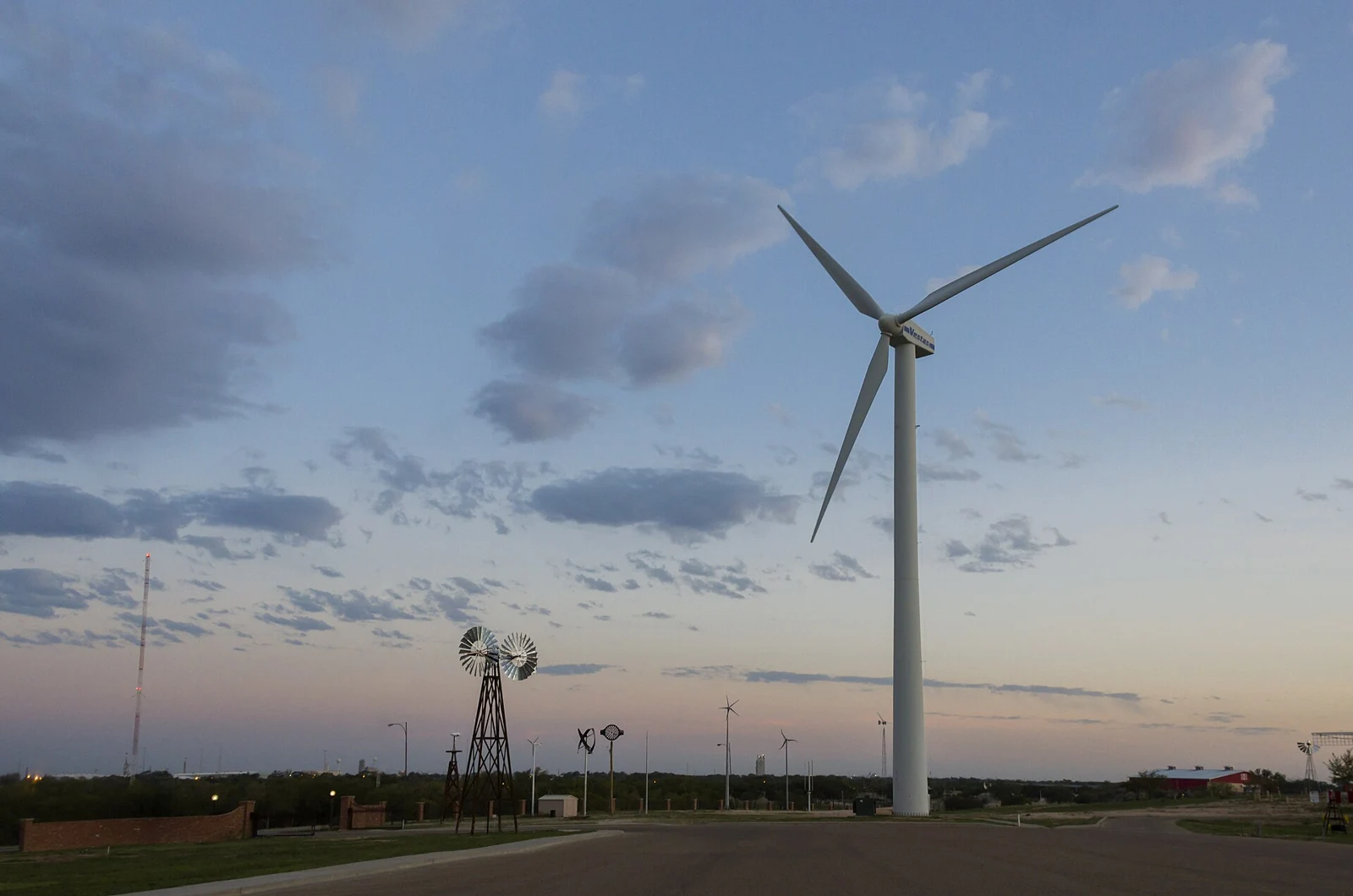
The campus has a direct connection to Serena’s Goodnight 1 wind farm, which Crusoe lists at 265.5 MW and operational, and Goodnight 2, also 265.5 MW and under construction. Their combined nameplate generation is 531 MW. That number is not the campus demand and should not be presented as installed data-center capacity. Wind output varies with weather, and the announcement does not specify contracted energy volumes, storage, backup generation, grid imports or the proportion of load supplied at each hour.
Surplus wind is intended to return to the grid
Crusoe says power produced above campus demand can be exported to the grid. Co-location can reduce transmission constraints and use energy that might otherwise be curtailed, but the real result depends on dispatch rules, interconnection limits and the timing of computing demand. A useful operating report would show wind output, grid imports and exports, curtailment, power-usage effectiveness and compute availability in the same intervals. The release gives the architecture, not those measured outcomes.
Closed-loop cooling targets lower water use
The company says the campus will use a closed-loop, non-evaporative liquid-cooling system intended to limit water use mainly to domestic needs such as kitchens. This is relevant in West Texas, where water use by large computing sites attracts scrutiny. Non-evaporative cooling can reduce routine water consumption, yet it does not eliminate all cooling energy or maintenance. Operators should ask for design temperatures, pump loads, heat-rejection performance and metered annual water use after commissioning rather than relying only on a design description.
Construction scale does not equal permanent operations
Crusoe reports more than 5,500 skilled workers on site each day. That is a company-reported construction figure, not a permanent-job count or a measurement of operating capacity. The update also does not publish the campus investment, square footage, rack density or delivery schedule. For project tracking, employment, buildings, electrical substations, mechanical completion and energized IT megawatts should be recorded as separate milestones. Combining them into one progress percentage can make an early construction site look operational.
The project belongs to a broader Texas buildout
Crusoe places Armstrong County within a West Texas portfolio that also includes two Abilene campuses. The company’s earlier business used stranded or flared gas to power Bitcoin mining, while its current focus is AI infrastructure after agreeing in 2025 to sell the mining operation to NYDIG. The energy-first development logic remains relevant to miners: land, interconnection rights and flexible load experience can be reused, but AI campuses require different networking, redundancy, cooling and service-level commitments.
Mining operators should separate flexible load from AI load
Bitcoin ASIC fleets can curtail quickly when grid prices rise because interrupted hashing does not destroy a computing job. AI training and inference customers usually demand tighter availability and network performance. A wind-adjacent AI campus therefore needs a plan for hours when generation is low and for equipment that cannot simply stop. The announcement does not detail that firming strategy. Miners evaluating AI conversion should not assume that access to renewable generation alone satisfies the reliability requirements of a hyperscale tenant.
The next evidence is electrical and operational
The most useful next disclosures would be the authorised campus load, interconnection status, substation milestones, firm power contracts, backup arrangement, first-building completion and measured cooling performance. Separating Goodnight 1’s operating status from Goodnight 2’s construction status is also essential. If the campus later reports renewable matching, readers should check whether it describes hourly physical supply, annual certificate accounting or both, because those methods answer different questions.
What the announcement establishes
The verified facts are that Crusoe identifies itself as developer of Google’s Armstrong County campus, construction began in June 2025, the site connects to one operating and one planned 265.5 MW wind farm, and closed-loop non-evaporative cooling is part of the design. The release does not disclose campus megawatts, total cost, opening date or delivered compute. The story is therefore a development and energy-infrastructure milestone, not evidence that 531 MW of AI load is live today.
Source: Crusoe ↗
Mining calculator ↗