Canaan brings an 8 MW hash-to-heat case and Avalon home miners to BTCHEL
Source report: 2026-09-24 · Editorial analysis published: 2026-09-25
Canaan says a Nordic district-heating project using Avalon A1566HA miners is operating at 8 MW, while its BTCHEL stand will feature Nano 3S, Mini 3 and AvalonQ home systems. We separate the published specifications from the questions operators still need to verify.
Analysis and practical implications
This section is our analysis and illustrative calculations, separate from the source report.
What Canaan announced
Canaan says it will exhibit at the BTCHEL conference in Helsinki on 25–26 September 2026, at booth 6. The company is using the event to connect industrial heat-recovery installations with three quieter products intended for homes or small premises. The announcement is useful because it gives concrete hashrate, power, acoustic and water-temperature figures. It remains a company release, however, so the operating results should be treated as claims until a project owner, utility or audited meter record supplies independent confirmation.

The 8 MW district-heating case
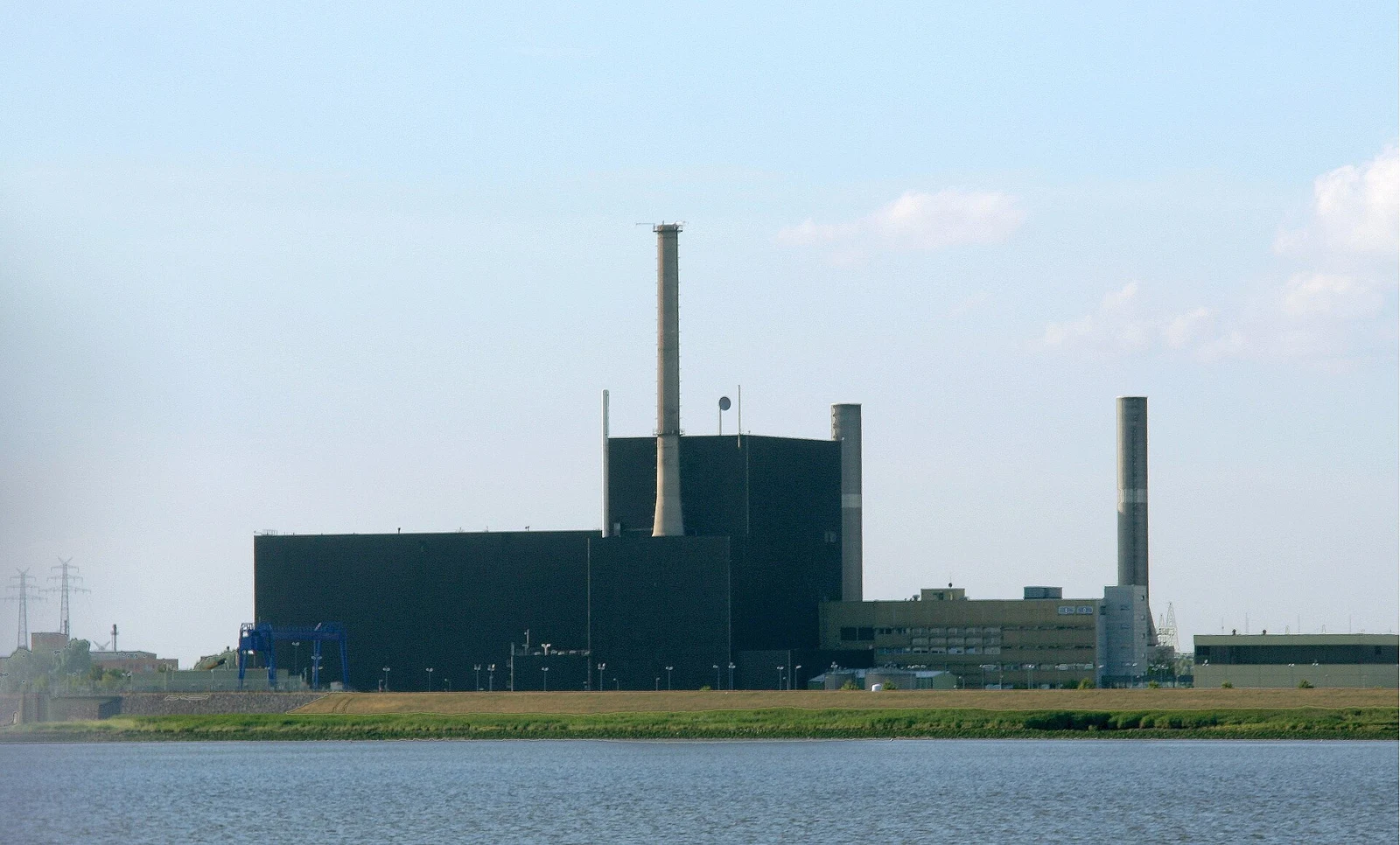
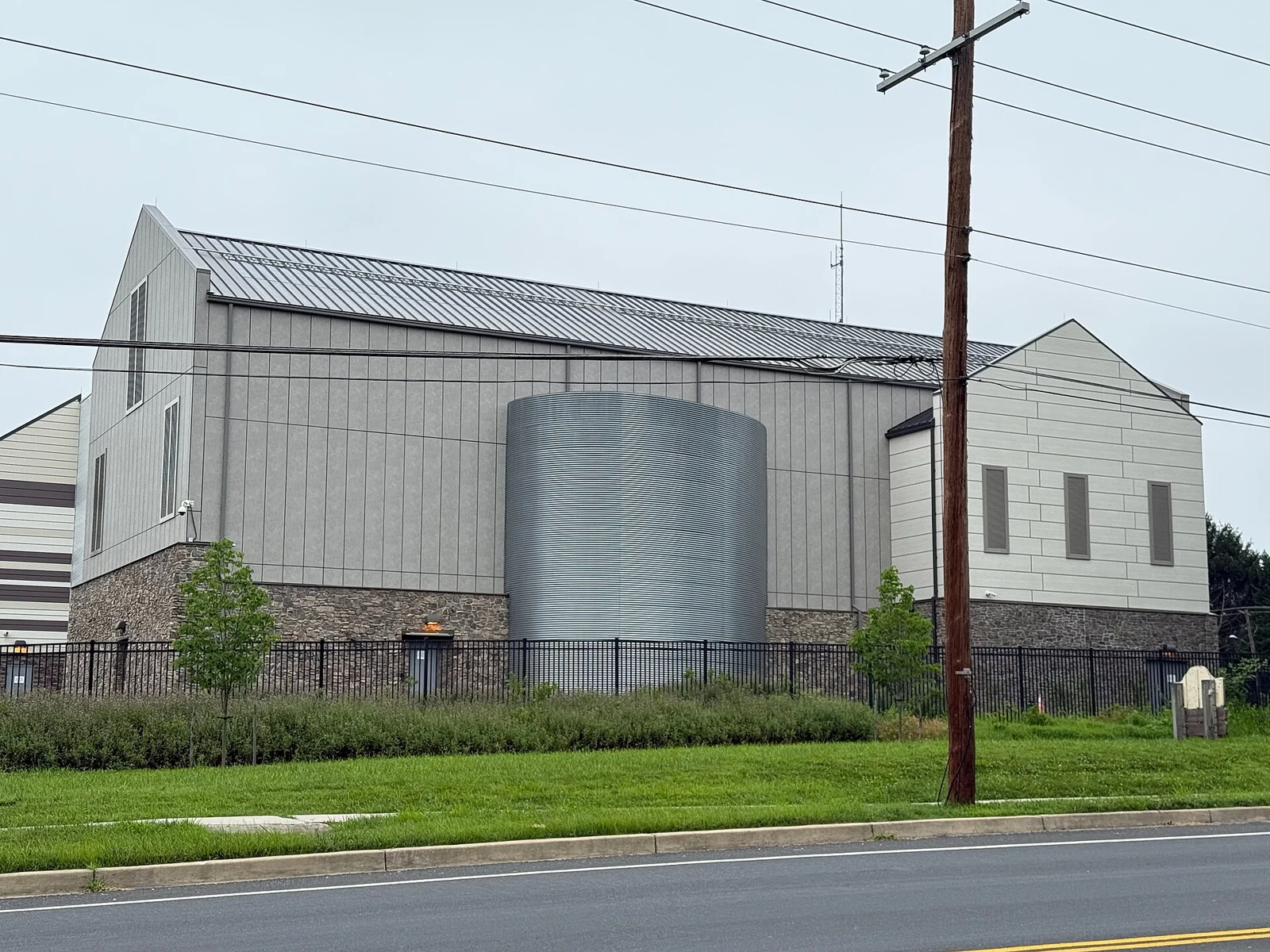
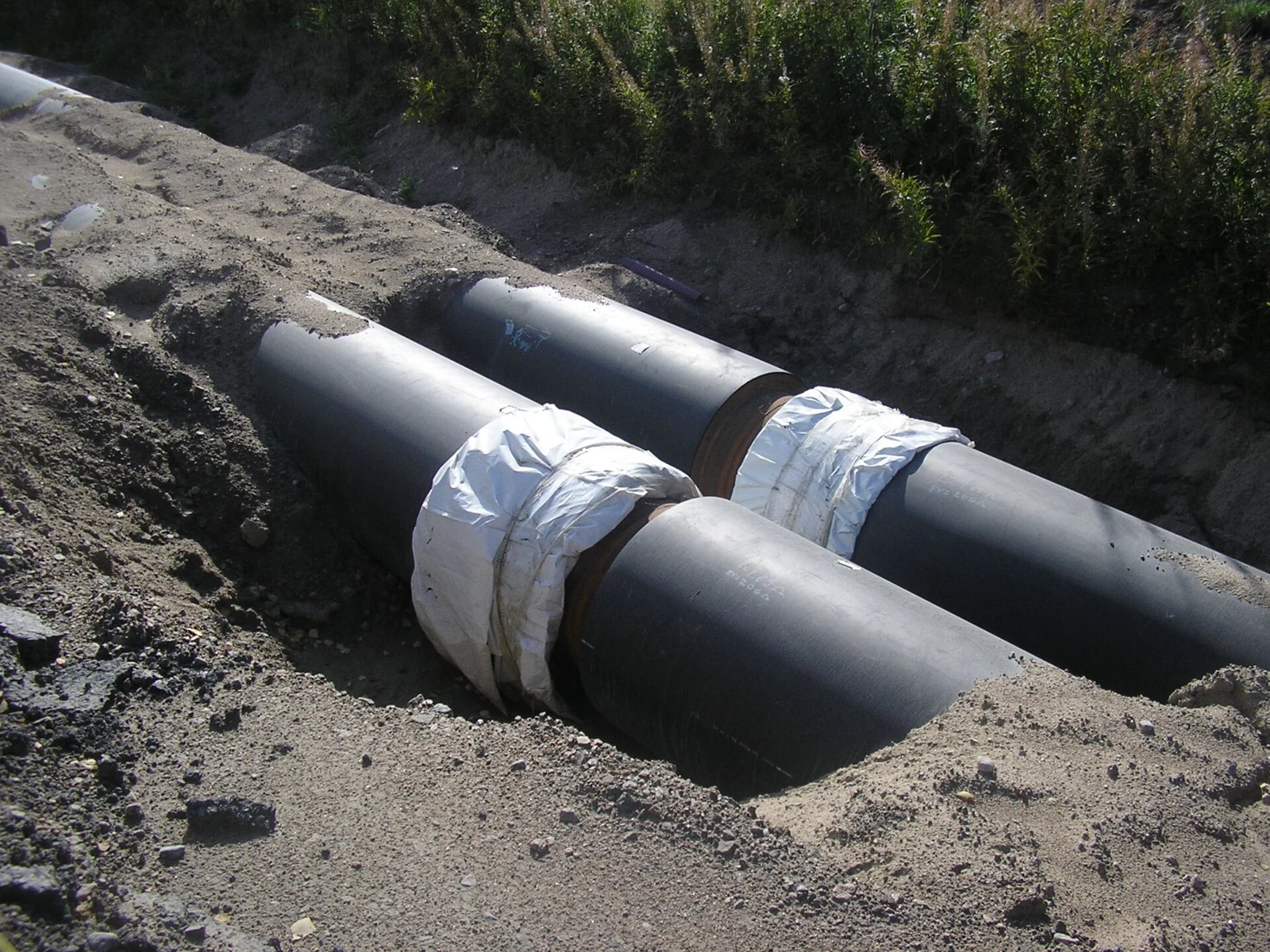
The headline case is an unnamed Nordic district-heating installation that Canaan describes as operational at 8 MW. Water-cooled Avalon A1566HA miners transfer heat into a loop that the announcement says reaches about 80°C, a temperature compatible with many district-heating networks. Canaan says the system supplied heat for roughly 2,800 homes in September 2026. The release does not identify the city, customer, electricity tariff, mining pool, measured uptime or seasonal heat demand, so those figures cannot yet be independently reconciled.
What 80°C changes for engineering
A useful supply temperature is only one part of a heat-recovery system. Designers must size plate heat exchangers, pumps, buffer tanks, water treatment, pressure protection and a bypass for periods when the network cannot accept all available heat. The miner loop and the public heating loop should normally be hydraulically separated. Operators also need telemetry for inlet and outlet temperature, flow rate, electrical draw and delivered thermal energy. Those measurements reveal whether an installation is recovering nearly all input power as saleable heat or losing value through downtime and rejected heat.
Three products for smaller sites
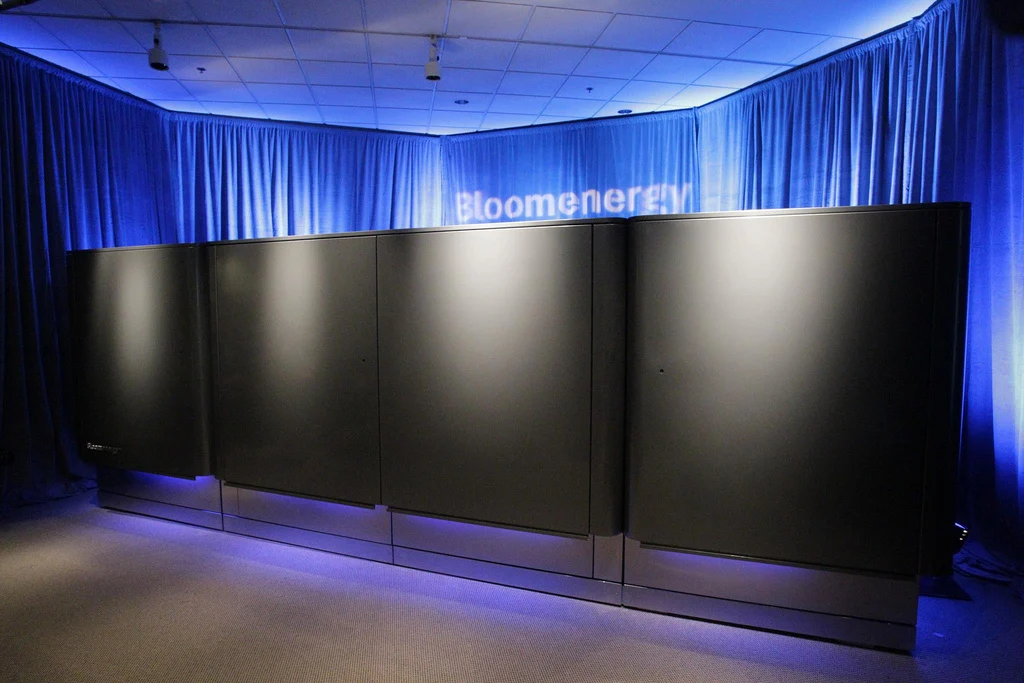
Canaan lists the Nano 3S at up to 6 TH/s and 140 W with a stated sound range of 30–40 dB. The Avalon Mini 3 is rated at 37.5 TH/s with 800 W of heat output and noise from 33 dB, plus Heater, Mining and Night modes. AvalonQ is positioned above them at 90 TH/s, with noise from 45 dB, three adaptive power modes and control through the Avalon Family app. These are vendor figures; actual hashrate, wall consumption and sound pressure depend on firmware, ambient temperature, power mode and measurement distance.
Heat reuse does not create free energy
Hash-to-heat changes the destination of electricity already consumed by computing; it does not create additional energy. The relevant comparison is the combined cost of mining and useful heat against a conventional boiler, heat pump or purchased district heat. Revenue depends on Bitcoin difficulty, fees and price, while the heat value depends on local tariffs and hours of demand. A project can improve total economics when heat has a real buyer, but a warm season, curtailment or low coin revenue can quickly alter the result.
Operational and grid constraints
An 8 MW load needs more than miners and plumbing. It requires adequate grid connection, transformers, switchgear, protection, fire planning, spares, network security and a clear response to pool or internet outages. District heat is also a service: customers expect stable temperature even when miners stop. A robust design therefore includes backup heat, staged miner control and rules for demand response. The most valuable next disclosure would show monthly electrical input, delivered megawatt-hours of heat, mining uptime and how often the system had to reject heat.
Evidence limits in the announcement
The publication confirms what Canaan chose to announce, not every fact needed for an investment decision. It gives no model count, gross heat-exchanger efficiency, capital cost, payback period or emissions methodology. It also does not name the Nordic site, which prevents comparison with permits and utility records. ASIC.tools therefore records the 8 MW, 80°C and 2,800-home numbers as attributed company statements. They are meaningful leads for research, but should not be presented as independently verified performance.
Operator checklist before buying
Ask for a site-specific thermal diagram, certified electrical data, warranty terms for immersion or water cooling, firmware support and a measured acoustic report. Model revenue under several difficulty, Bitcoin-price and power-price scenarios, then repeat the calculation with conservative heat demand. Confirm who owns the recovered heat, who pays for pumps and backup boilers, and what happens during repairs. Visitors to BTCHEL can use the published model figures as a starting point, but procurement should follow a pilot run and acceptance test at the intended temperature and power mode.
Source: Canaan Inc. ↗
Mining calculator ↗