Bitdeer buys 200 acres near Rockdale for AI/HPC development
Source report: 2026-09-01 · Editorial analysis published: 2026-09-11
The approximately $100 million cash acquisition expands site control. Land ownership and planned power capacity do not mean an operating AI data centre.

Analysis and practical implications
This section is our analysis and illustrative calculations, separate from the source report.
The transaction and its date
Bitdeer announced on September 1, 2026 that it had acquired approximately 200 acres near its Rockdale facility in Milam County, Texas, for approximately $100 million in cash. The company described about 563 MW of interconnected capacity at its Milam County sites, including the new parcel, with plans expected to reach 742 MW. It presented the acquisition as support for AI/HPC development alongside existing operations. Those are the company's reported transaction and planning figures. The following sections explain their operational meaning and do not assert that the planned expansion is already complete.
Owning the site changes one development constraint
Long-lived computing infrastructure needs a stable basis for investment in buildings and supporting systems. Outright land ownership can remove the uncertainty of a lease renewal, but it is only one part of project control. Access, utility arrangements, construction permissions and commercial agreements each have their own terms. When comparing projects, record which rights have actually been secured. A completed land purchase should not be described as a completed data centre, just as a signed equipment order should not be treated as installed and accepted computing capacity.
Existing capacity and planned capacity must stay separate
A portfolio can include operating connections, committed future supply and capacity still dependent on development. These categories should not be collapsed into one operating number. The same discipline applies to a small farm expansion: available space, transformer capacity and current machine demand describe different constraints. If a future supply arrangement is delayed, the usable schedule changes even when the land remains owned. A clear project table shows the status, relevant date and remaining conditions for each capacity figure instead of presenting every megawatt as immediately usable.
An electrical connection is not an AI service
To turn a site into a customer-facing computing service, the operator must deliver the technical and operational requirements of that service. Buildings, cooling, networking, equipment and support have to work as an accepted system. A large electrical connection may be valuable, but it does not establish the performance of an unbuilt computing installation. For a mining operator considering another use of a site, the useful question is what must change between the current operating arrangement and the future customer's requirements. The answer depends on the actual project design.
Development timing affects the comparison
A project consumes resources before the new service produces receipts. A realistic comparison therefore includes the construction and acceptance period as well as the eventual operating period. If existing mining continues alongside development, its accounts should remain distinguishable from the new project. If some operation later pauses, the pause should be recorded explicitly rather than disappearing into an assumed future margin. These are scenario-planning principles. ASIC.tools has not inspected Bitdeer's internal schedule or contracts and does not assign a completion date beyond what the source supports.
Do not infer a universal price per megawatt
The purchase consideration covers a particular property and transaction. Dividing it by an existing or planned power figure does not automatically produce a benchmark for a fully equipped data centre. The resulting ratio would leave out the boundary of the land deal and the costs still needed for service delivery. A useful comparison needs similar asset scope, development stage and contractual rights. Otherwise two projects can look cheaper or more expensive merely because one number includes buildings or equipment and the other describes a different bundle of assets.
Evidence to request before a farm expansion
For a smaller operator, this news highlights the value of a staged evidence file: site rights, utility documents, engineering scope, delivery schedule and acceptance records. Store the source and date with each item. This allows a later change to be traced to the assumption it affects. For example, a revised delivery date should change the operating start in the scenario, rather than being hidden by an unchanged full-year output estimate. The point is to connect development commitments with realistic usable time, not to turn an announced project into an earnings promise.
Keep asset and service milestones distinct
A useful project register can place the land transaction, construction progress and service acceptance on separate lines. Each line should refer to evidence of that particular stage. The completion of an earlier stage may support the next one without proving it complete. When a date or scope changes, update the affected stage instead of rewriting the entire history as if the new assumption had always applied. This is a general way to track infrastructure development. It does not add a private budget or undisclosed schedule to the Bitdeer announcement, and it makes later updates easier to compare with the original planning statement.
What would show further progress
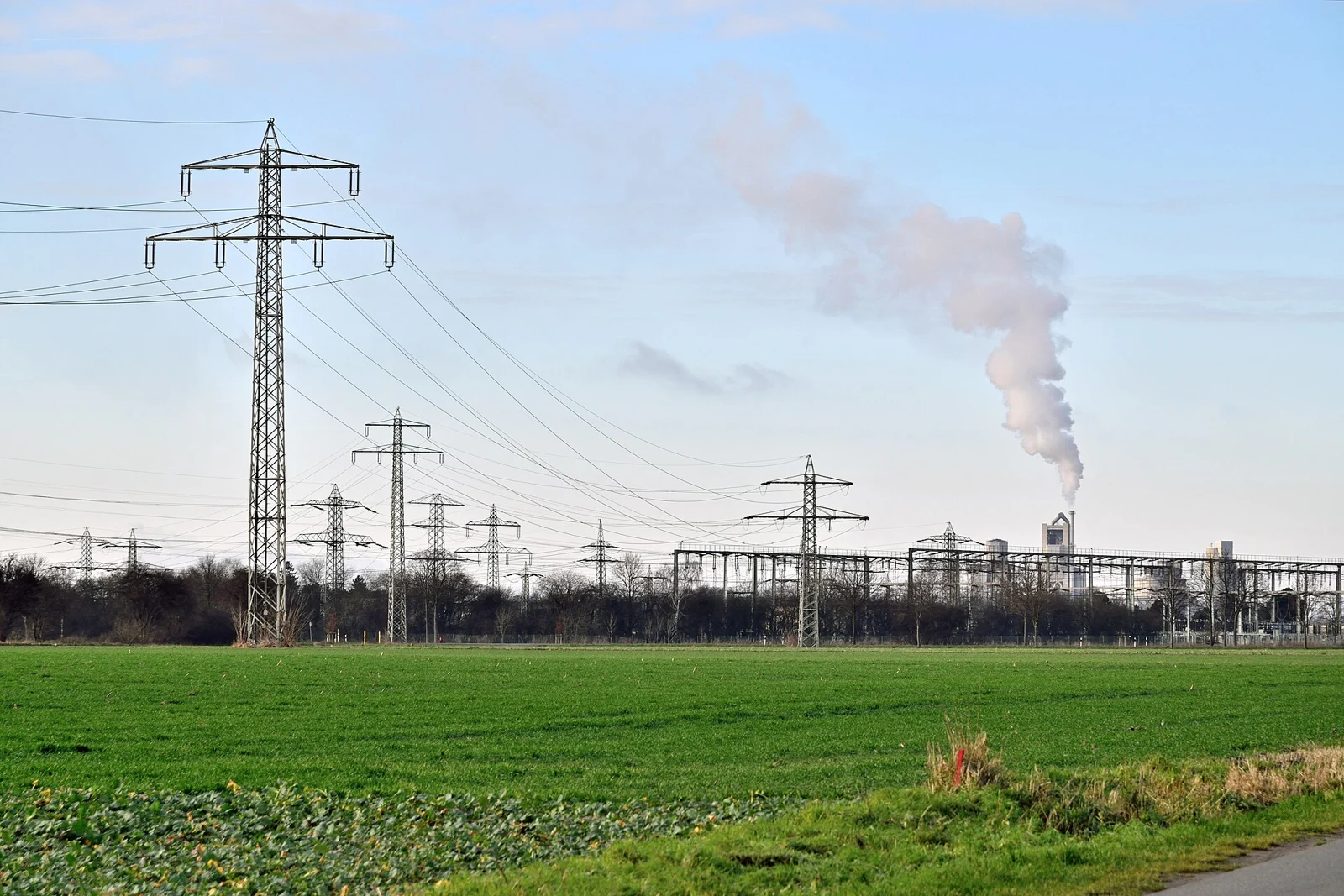
Subsequent engineering, power-availability, construction and customer-service milestones would help distinguish development potential from commissioned infrastructure. Until then, the completed acquisition and the planned build-out should remain separate statements. The illustration is an archival photograph of an electrical substation in Houston, not Bitdeer's new land or its Rockdale equipment. It represents the grid-infrastructure theme without pretending to document the transaction. The source link leads to Bitdeer's dated release, so the reader can check the reported figures independently of this editorial analysis.
Source: Bitdeer ↗
Mining calculator ↗