Bitdeer reports 300.6 BTC produced and sold in its latest weekly snapshot
Source report: 2026-10-10 · Editorial analysis published: 2026-10-11
Bitdeer’s October 10 update reports 300.6 BTC produced and sold for the period through October 9. Output is 8.3 BTC above the previous weekly figure; pure holdings excluding customer deposits remain zero. Sale prices and weekly operating costs are not disclosed.
Analysis and practical implications
This section is our analysis and illustrative calculations, separate from the source report.
A new reporting week, with the balance definition retained
Bitdeer’s official October 10 social update lists 300.6 BTC produced, 300.6 BTC sold and zero net BTC added, with data as of October 9. The company calls its own balance pure holdings and excludes customer deposits; that balance is zero. We checked the company’s original statement through X’s public publishing embed and compared the displayed reporting graphic. This is a company-reported weekly snapshot, rather than an independently audited statement of earnings or a claim that every kind of digital asset is absent from the group.
The new period follows the previously covered October 2 snapshot of 292.3 BTC produced and sold. That makes the latest release a separate operating update, while the sale policy itself remains familiar. The important new figure is the reported output for the new week. The posting date and the measurement date are kept separate throughout this report, so October 10 publication is not confused with production occurring on that one calendar day.
Output increased, but the reason is not identified
Independent arithmetic gives an increase of 8.3 BTC: 300.6 minus 292.3. Relative to the earlier weekly total, that is approximately 2.84%. The ratio compares two published period totals; it is not a measured increase in the fleet’s installed hashrate or electrical efficiency. A production result can reflect several operating and network conditions, and the current statement does not allocate the change to any of them.
If both comparison periods cover seven days, their simple daily averages are approximately 42.94 BTC and 41.76 BTC. Those averages are our calculations, not company guidance for each following day. A single week should not be annualized into an assured production schedule. An owner comparing its own farm should preserve the reporting window, credited pool output and interruptions alongside the total before explaining a change as a hardware upgrade.
Selling the total is different from recognizing net profit
The same BTC amount on the production and sales lines establishes the company’s disclosed coin movement. It does not supply sale prices, dollar proceeds, settlement timing or an allocation to particular operating expenses. Consequently, neither the margin on those coins nor the cash remaining after electricity and financing can be calculated from this update alone. Calling 300.6 BTC profit would replace a physical production measure with a financial result that the source has not provided.
A hypothetical illustration makes the missing variable visible: selling 300.6 BTC at an assumed average price of $60,000 would yield $18.036 million of gross consideration before fees. This is not Bitdeer’s realized price or reported proceeds. A different average price would change the result even with identical production. Keep the price assumption clearly labelled rather than importing a current spot quote into a completed week’s cash ledger.
A zero pure balance has a specific scope
The exclusion of customer deposits matters for readers of mining and hosting businesses. Assets belonging to customers do not become a company treasury merely because they pass through the same operating environment. The reported zero therefore answers a narrow inventory question under the company’s wording. It does not by itself characterize customer balances, custody obligations, collateral arrangements or all settlement accounts.
For an independently maintained treasury record, reconcile the opening balance, production receipts, purchases, sales and other transfers within one consistent scope. When the scope changes between a weekly social post and a formal month-end report, retain both definitions instead of forcing them into one continuous chart. The latest disclosure provides production, sales and its stated balance, but no complete transaction-by-transaction bridge across different financial reports.
Coin conversion can support operations without proving its use
Turning new production into cash changes the mix of assets available to an operator. Electricity, hosting, repairs and payroll commonly require money rather than a reported BTC quantity. However, this release does not identify where the proceeds were allocated. We therefore treat possible operating uses as editorial context, not as an announced payment toward a specific Bitdeer construction project or a financing commitment.
The useful farm question is whether cash receipts arrive before the next obligations fall due. A forecast should show expected receipts, actual settlement and contractual payments separately. Even when output is sold in full, timing differences can affect liquidity. A business that holds coins needs a conversion assumption in its payment schedule; a business that sells them still needs verified settlement records. Neither policy alone establishes a better operating margin.
The electrical budget remains a separate record
Weekly BTC output does not identify input power, external cooling consumption or equipment uptime. A hashrate or electricity-efficiency claim needs its own measurements. Device nameplate ratings, accepted pool work and site-meter energy refer to different boundaries. The current post cannot establish that each machine consumed its rated power throughout the period or that the production increase came from lower joules per terahash.
As an unrelated calculation, a hypothetical constant 100 MW site operating for 168 hours would consume 16,800 MWh, or 16.8 GWh. This is a unit example, not an estimate of Bitdeer’s weekly electricity use. Actual consumption would require a defined site boundary and interval data. Connecting that energy record to credited BTC would produce an operating ratio, but it would still need the relevant energy price and other costs to become a profitability model.
How to compare the next update
A follow-up should preserve the date, period duration, production scope and balance exclusions before calculating changes. If a later statement adds hashrate, site deployment or energy details, check whether those measures cover the same week. An ending hashrate is not automatically the period-average hashrate that contributed to production. The same discipline prevents growth in an AI infrastructure pipeline from being counted as operating Bitcoin capacity.
For a farm dashboard, keep separate columns for credited BTC, realized revenue, consumed energy, repairs and outstanding payments. Unknown prices or costs should remain unknown rather than being entered as zero. The latest company snapshot can update its production series without filling those missing columns. No date for the next weekly publication is supplied in the statement, so this report does not invent a future reporting deadline.
Sources, chronology and illustrations
The primary statement is Bitdeer’s October 10 post with an October 9 data label. The original text was recovered from the platform’s public publishing endpoint, while a secondary report supplied the linked company graphic used for verification. Prior October 2 coverage is a comparison baseline, not a second announcement in the current reporting week. Our differences, averages and hypothetical monetary and electricity examples are independent calculations.
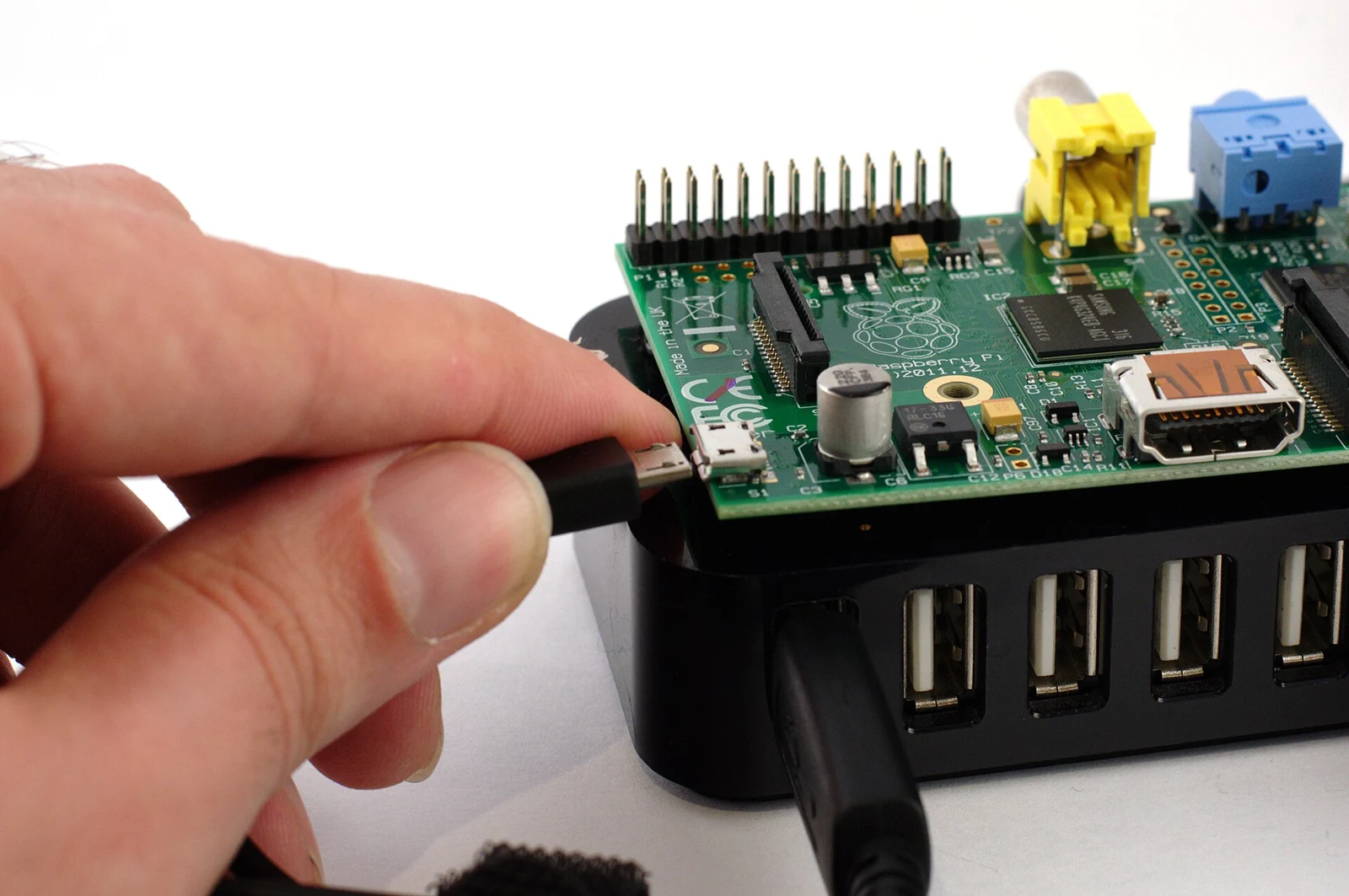
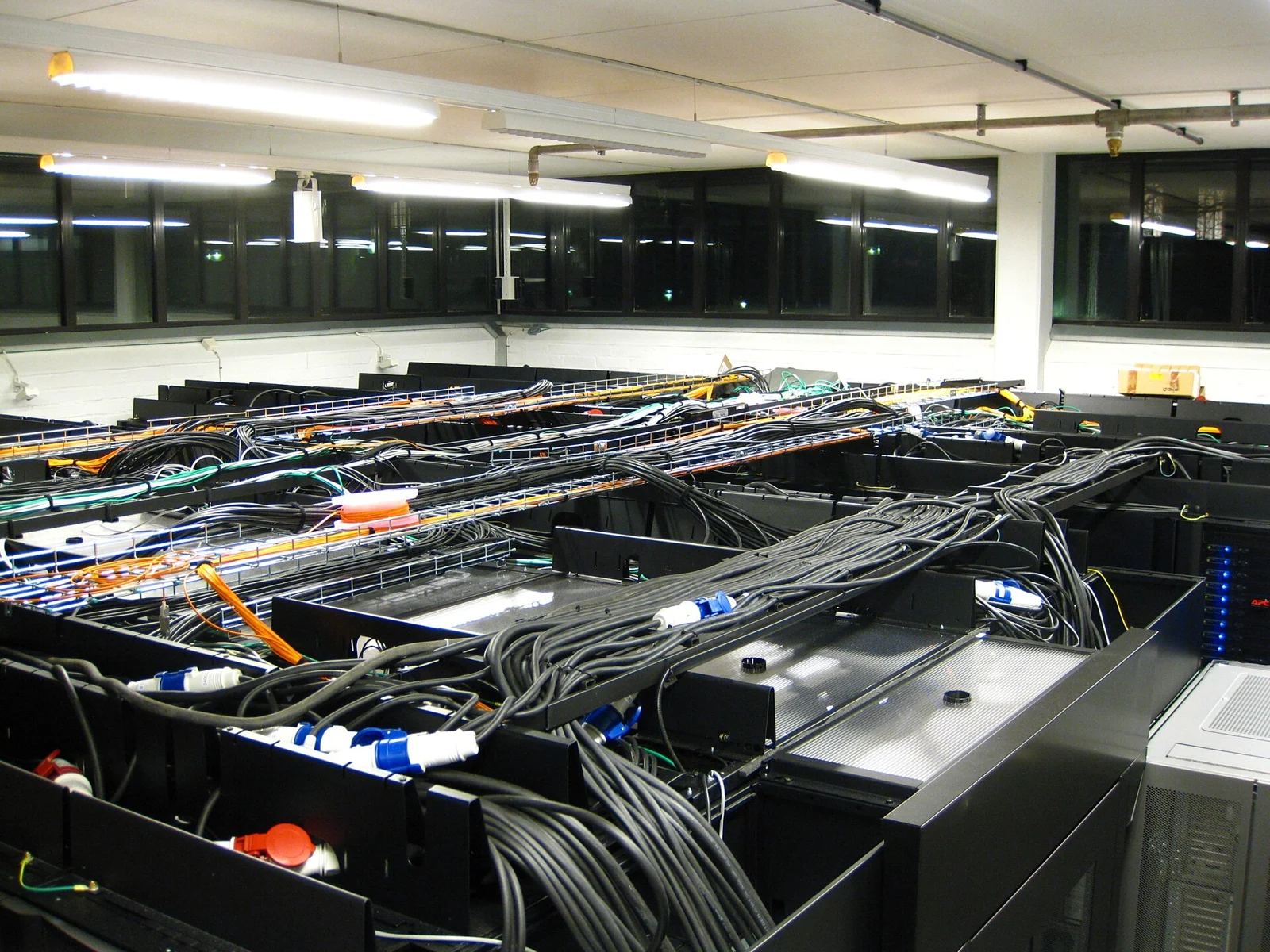
Two different licensed archive photographs illustrate mining and industrial equipment; neither is represented as a new Bitdeer facility or as the actual machines producing this week’s coins. The confirmed development is higher reported weekly output with matching sales and an unchanged zero pure balance. The operating cause, realized cash proceeds and weekly net margin remain outside the information supplied by the new post.
Source: Bitdeer ↗ · Reporting graphic and original-post link ↗
Mining calculator ↗