AEP plans $4 billion, 702 MW fuel-cell project for Google near Cheyenne
Source report: 2026-10-14 · Editorial analysis published: 2026-10-15
AEP’s October 14 announcement describes a 20-year Google PPA and construction planned in 2026, with full operation expected by end-2028. Carbon capture is planned; this is not 702 MW already generating.
Analysis and practical implications
This section is our analysis and illustrative calculations, separate from the source report.
A planned generation project with a long-term customer
AEP announced on October 14 that it plans to invest approximately $4 billion in a 702 MW fuel-cell generation project near Cheyenne, Wyoming, supporting Google’s growing local electricity needs. The release describes a 20-year power purchase agreement. Construction is planned to start in 2026 and the facility is expected to be fully operational by the end of 2028. These are project plans and timing expectations, not a statement that the full plant is already energized.
The distinction is material for readers comparing data-center power announcements: a customer agreement, a construction start and a commercially operating facility are different milestones. A large contracted output can support development without supplying electricity today. Our report therefore preserves the expected commissioning horizon and does not add this 702 MW to currently measured generation available to mining farms or to the local grid.

Ownership, buyer and technology provider have different roles
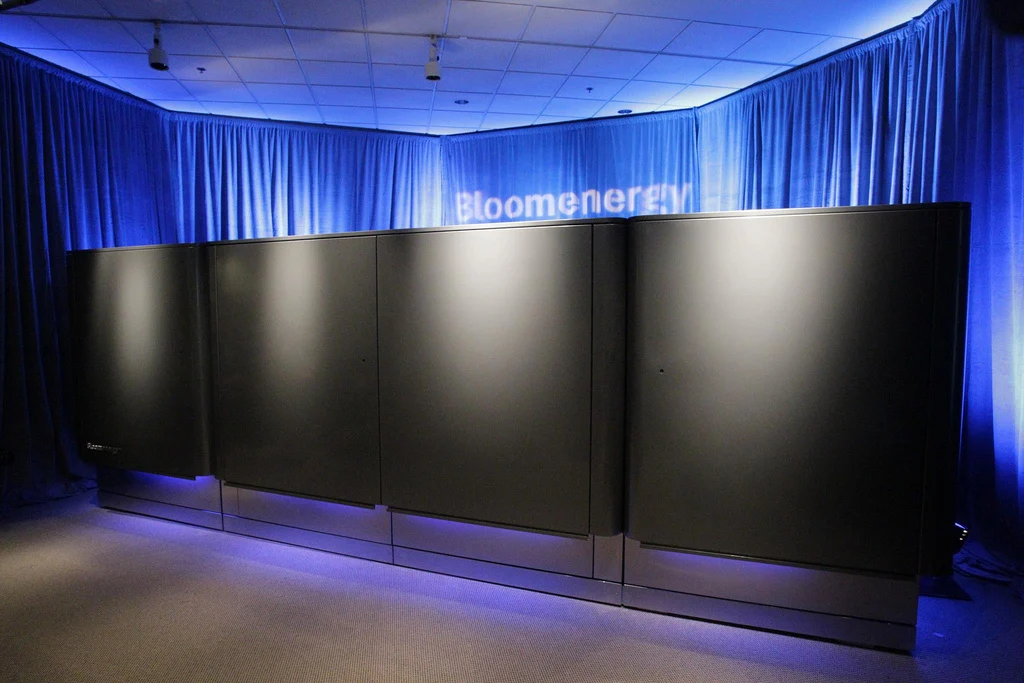
Google will buy power from Cheyenne Fuel Cell, LLC. AEP says that entity is approximately 92% owned and controlled by AEP and nearly 8% owned by funds advised by Basalt Infrastructure Partners. Bloom Energy supplies the fuel-cell technology described in the announcement. These parties should not be collapsed into one owner or treated as having identical commitments simply because they appear in the same project release.
The ownership percentages describe the project entity, not a split of Google’s data-center load or a published schedule of capital contributions. Nor does the 20-year contract disclose the customer’s price per MWh. A useful project record keeps the contracting entity, power buyer, technology supplier and ownership interests in separate fields. That allows later financing or construction updates to be incorporated without inventing terms missing from the original announcement.
Fuel cells convert fuel; they are not rechargeable batteries
The Department of Energy’s technical explanation describes fuel cells as electrochemical systems that produce electricity and heat while fuel is supplied. AEP says its planned facility will use Bloom technology that generates electricity without combustion of natural gas. The absence of combustion should not be confused with a battery’s finite stored-energy capacity or with an announcement that the plant uses only renewable hydrogen.
For an operator, the useful distinction is between power output, ongoing fuel supply and stored energy. A 702 MW plant label does not reveal a number of battery hours. Fuel delivery, conversion performance, maintenance and auxiliary consumption would determine sustained service at a particular boundary. The release does not give a site-specific fuel-consumption curve, so none is reverse-engineered from the nameplate capacity.
Carbon capture remains a planned part of the project
The announcement says the project includes plans to integrate carbon capture and describes the intended supply as near-zero-emissions power. We retain that attribution and the planned status. It is not an independently measured emissions result from an operating facility. The release does not publish a capture percentage, an audited annual carbon total or a complete lifecycle assessment for delivered electricity.
The fuel-cell process, fuel production and supply, capture equipment and remaining emissions are separate accounting boundaries. A statement about one boundary cannot by itself establish zero emissions across all of them. Comparing future power options would require a defined measurement method and operating conditions. This is why an infrastructure announcement should keep the design intention visible without presenting an environmental outcome as already verified.
MW becomes MWh only after a time assumption
As an illustrative upper-output scenario, 702 MW maintained continuously for 24 hours would produce 16,848 MWh. Over 8,760 hours it would produce 6,149,520 MWh, about 6.15 TWh. These are arithmetic examples at constant nameplate output, not AEP’s annual production forecast. The release supplies no measured capacity factor or guarantee that full output will be delivered for every hour of a year.
Actual delivered energy would depend on availability, operating level, losses and the contract’s delivery point. Using a lower average output changes the annual energy even if the plant retains the same installed rating. For mining economics, the transferable lesson is to connect a power figure to an interval and a usable delivery boundary before calculating a daily bill or a potential amount of hash work.
Investment scale is not the electricity tariff
Dividing the approximate $4 billion project investment by 702 MW gives roughly $5.70 million per MW. This is a simple normalization of two announced rounded figures. It is not a disclosed equipment price for a single fuel cell, a levelized cost of electricity or a quote that another customer could use to buy the same capacity. A project budget can cover different items from a supplier’s hardware quotation.
A tariff calculation would also need financing, fuel, maintenance, capture costs, delivered output and the actual PPA terms. Multiplying a project budget by an ownership percentage would likewise not prove how much cash each investor has already contributed. We keep the investment estimate separate from operating costs and customer pricing, leaving undisclosed inputs unresolved rather than manufacturing a daily energy price for the mining calculator.
The schedule remains a sequence of future milestones
The plan links a 2026 construction start to expected full operation by the end of 2028. Progress should be assessed through dated evidence about construction, installation, testing and acceptance, rather than treating the end date as an unconditional guarantee. The release also notes that the project follows Google and Black Hills agreements effective September 30; that chronology is context, not evidence that this fuel-cell plant began operating then.
A subsequent announcement may describe a partial start or a financing event without completing the whole 702 MW programme. Comparing those updates requires the same scope in each record. Incremental progress should not create a second copy of the project’s capacity in a database. It should update the appropriate milestone while retaining how much capacity is actually commissioned, if that quantity is disclosed.
Why mining readers should watch the power-development boundary
The project is for Google-related electricity demand, not an announced Bitcoin mining deployment. Its relevance is the competition and investment surrounding large-load energy infrastructure, plus the difference between a contracted future supply and available power today. No change to a mining network’s hashrate, ASIC efficiency or local electricity offer can be inferred merely from a major technology customer signing a long-term agreement.
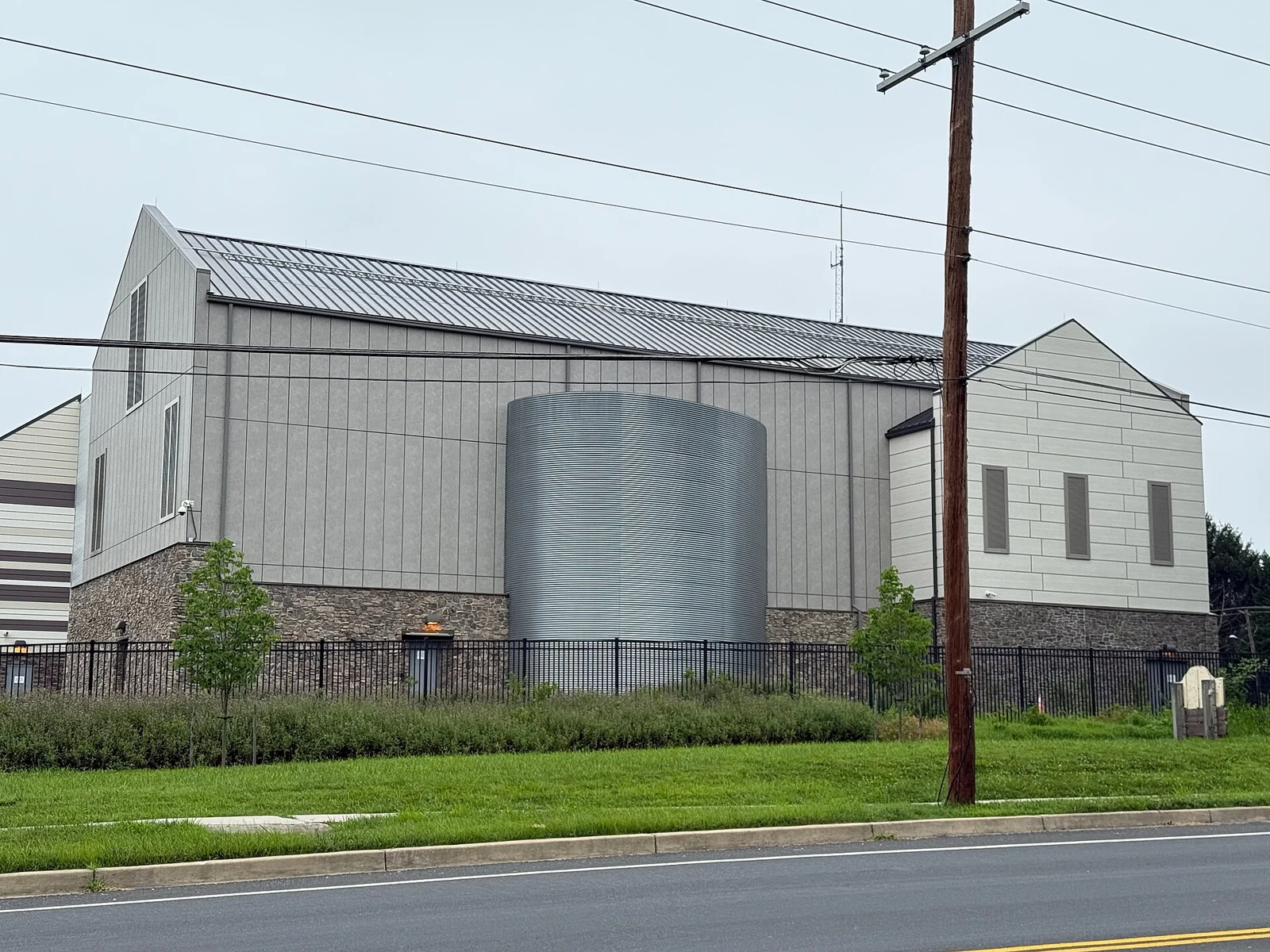
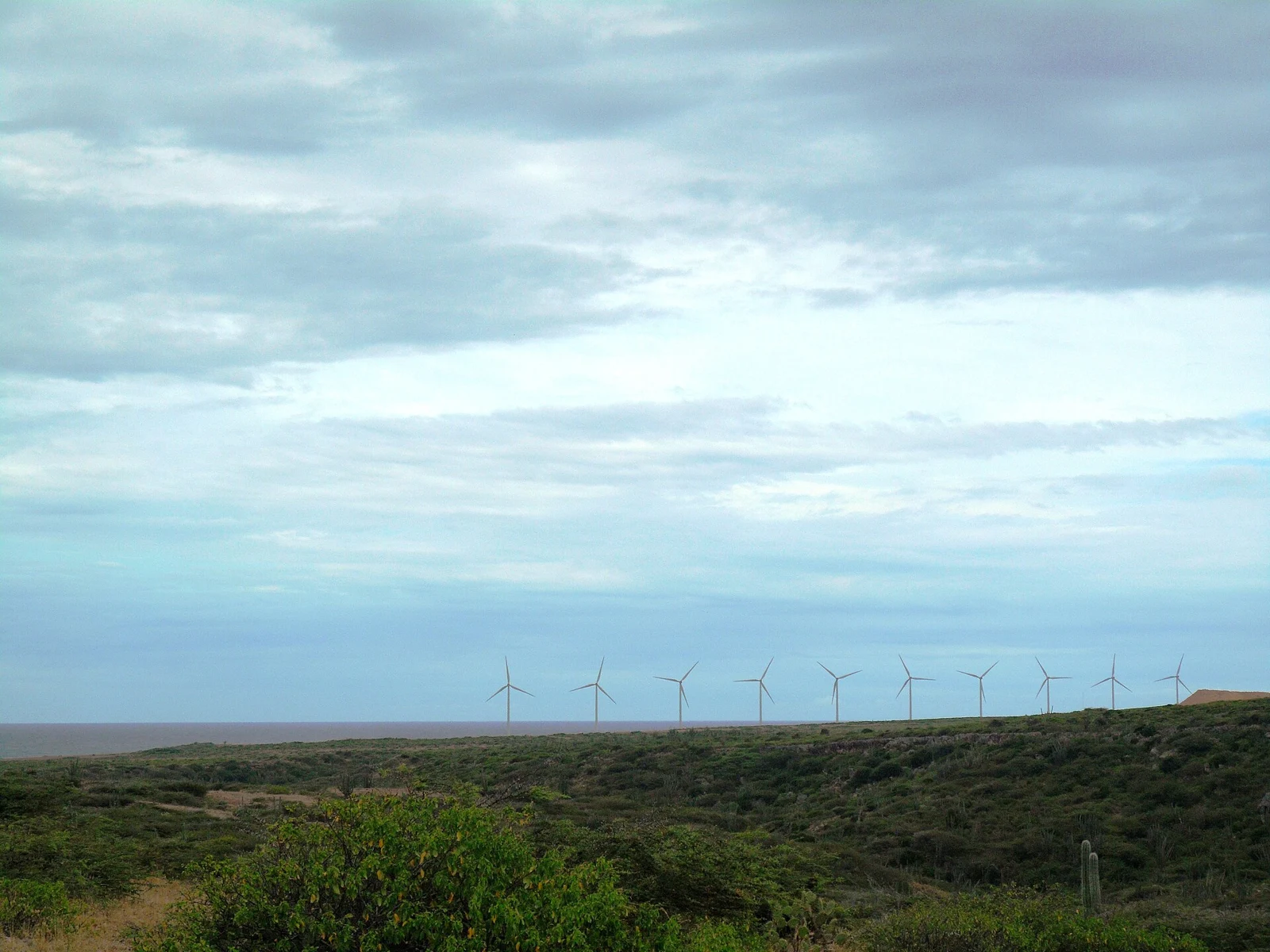
The photographs show archival fuel-cell and energy infrastructure subjects, not the completed Cheyenne facility. The confirmed news is AEP’s dated project and customer announcement, with the stated ownership and development plan. The most useful next evidence would establish construction progress, operational capacity, fuel and carbon-capture performance, and delivered energy. Until then, the 702 MW rating and end-2028 expectation remain plans with explicit boundaries.
Source: American Electric Power / PRNewswire ↗ · DOE technical explanation of fuel cells ↗
Mining calculator ↗